How to Choose Aprotic and Protic Solvents for Your Needs?

Time:2026-08-13 Author:Amelia
0%

Choosing the right solvents is crucial in many chemical processes. Aprotic and protic solvents serve different purposes based on their properties. According to a recent report by the Chemical Abstracts Service, the solvent market is projected to grow significantly, driven by the need for effective chemical production and research.

Dr. Emily Chen, a leading expert in solvent chemistry, states, "Understanding the characteristics of aprotic and protic solvents can enhance experimental outcomes." This highlights the importance of selecting the appropriate solvent type for specific applications. Aprotic solvents, devoid of hydrogen bonding, are ideal for reactions that require strong nucleophiles. In contrast, protic solvents assist in solvating ions efficiently, making them suitable for a range of polar reactions.

Despite the extensive knowledge available, many still struggle with solvent selection. The choice often leads to trial and error, which can be time-consuming. Bridging the gap between theory and practical application is essential for optimizing the use of aprotic and protic solvents in various industries.
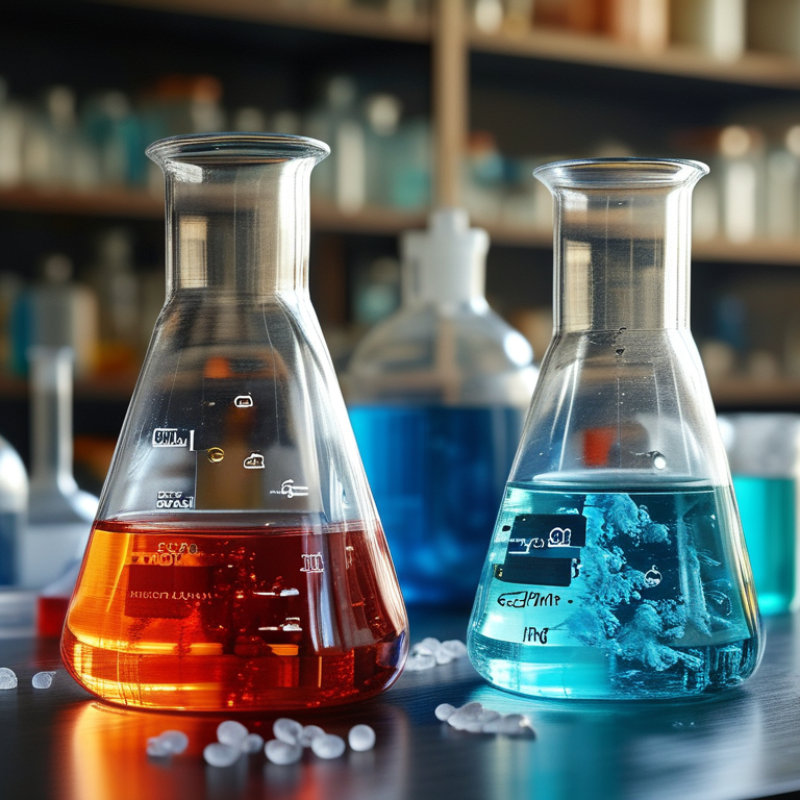
How to Choose Aprotic and Protic Solvents for Your Needs?

Understanding the Basics: What Are Aprotic and Protic Solvents?

When working with solvents, understanding the difference between aprotic and protic solvents is key. Aprotic solvents do not have hydrogen atoms bonded to oxygen or nitrogen. Common examples include dimethyl sulfoxide (DMSO) and acetone. These solvents are often used in reactions where the absence of protons can enhance stability and reduce side reactions. They generally have high dielectric constants, making them suitable for dissolving salts.


In contrast, protic solvents contain hydrogen atoms linked to oxygen or nitrogen. Water and alcohols like ethanol are prime examples. These solvents can donate hydrogen ions, fostering hydrogen bonding. This property can impact reaction pathways and should be considered when selecting a solvent for specific chemical reactions.


Tips:
- Evaluate the polarity of your solute before choosing a solvent.
- Test the solvent with small amounts of reactants first to gauge solubility.
- Be aware that using the wrong solvent can lead to unwanted side reactions or product instability.

Key Properties of Aprotic and Protic Solvents to Consider

When selecting solvents, understanding the differences between aprotic and protic solvents is crucial. Aprotic solvents lack the ability to donate hydrogen ions, which makes them less reactive in certain situations. They typically have a high dielectric constant and excellent solvation properties. Common examples include dimethyl sulfoxide and acetonitrile. These solvents are often favored in reactions where strong acids or bases are not preferred.

On the other hand, protic solvents can donate hydrogen ions, allowing for unique interactions during chemical reactions. Water is the most well-known protic solvent, but ethanol and methanol also fit into this category. Their ability to form hydrogen bonds means they can stabilize ions effectively. However, this may not always be beneficial. In some cases, protic solvents can lead to side reactions that dilute the primary process.

Choosing the right solvent entails considering boiling points and polarity. Low boiling point solvents can evaporate quickly, which may not suit all experiments. Think about your specific requirements before making a selection. Balancing solvent properties with your research goals can be complex. Reflection on past experiences can guide you to more informed choices.

Applications of Aprotic and Protic Solvents in Various Industries

Aprotic and protic solvents play crucial roles across multiple industries. In pharmaceuticals, aprotic solvents are often used for drug formulation. They help dissolve active ingredients effectively, enhancing absorption rates. Protic solvents, such as alcohols, are valuable in extraction processes. They aid in isolating compounds from natural sources.

The paint and coatings industry relies on these solvents for different purposes. Aprotic solvents like dimethyl sulfoxide are excellent for dissolving resins. They ensure a smooth application. Protic solvents, on the other hand, provide desirable drying properties. They can influence the finish of the paint, impacting appearance and durability.

In the food industry, the choice of solvent affects flavor extraction. Aprotic solvents are useful for distilling essential oils. However, improper selection can lead to undesirable flavors. Protic solvents can also assist in the extraction of certain food additives. Understanding their specific properties is essential for achieving quality results.

How to Match Solvent Properties with Specific Chemical Reactions

Selecting the right solvent is crucial in any chemical reaction. Solvent properties can significantly influence reaction rates and outcomes. Protic solvents, for instance, have active hydrogen bonds. These bonds can stabilize charges during reactions. Common examples include water and alcohols. They are excellent for reactions that involve proton transfer.

On the other hand, aprotic solvents lack acidic hydrogens. This makes them suitable for reactions where ion pairs are formed without hydrogen bonding interference. Consider using dimethyl sulfoxide or acetone in such cases. Choosing the right solvent requires understanding your specific needs. Why is this important? The wrong choice may lead to unexpected results.

Pay attention to polarity; it affects solubility and reactivity. High polarity solvents can solvate ions well, promoting dissociation. But this may not be ideal for all systems. Sometimes, less polar solvents encourage aggregation of reactants, enhancing reaction rates. It's essential to experiment and reflect on your choices. Each reaction may present unique challenges, requiring a solvent that aligns with its specific chemistry.

Safety and Environmental Considerations When Choosing Solvents

When selecting solvents, safety and environmental impact should be a priority. Many solvents can be hazardous. Inhalation or skin contact can lead to serious health issues. For instance, volatile organic compounds (VOCs) can contribute to air pollution. Basic knowledge of each solvent's properties is essential. This involves understanding not just their efficacy but also their risks.

Consider the disposal methods associated with solvents. Some may require special treatment before disposal. This increases costs and impacts the environment. It's vital to research biodegradable options. They may reduce harmful effects and decrease long-term liabilities. Assessing the life cycle of these solvents is necessary for making informed choices.

Transparency in sourcing and usage is crucial. Companies must engage in responsible practices. Regular training on solvent handling should be provided to staff. Encouraging a culture of safety can prevent accidents. Ultimately, a balanced approach considers both effectiveness and the broader implications of solvent use.

How to Choose Aprotic and Protic Solvents for Your Needs? - Safety and Environmental Considerations When Choosing Solvents

Solvent Type Common Examples Polarity Safety Considerations Environmental Impact
Protic Solvent Water, Methanol, Ethanol High Flammable, irritating to skin Biodegradable, low toxicity
Aprotic Solvent Acetone, Dimethyl Sulfoxide (DMSO), Tetrahydrofuran (THF) Moderate Toxic, may cause respiratory issues Can persist in the environment, moderate toxicity
Protic Solvent Formic Acid, Acetic Acid High Corrosive, can burn skin Biodegradable, but potentially harmful to aquatic life
Aprotic Solvent Benzene, Hexane Low Carcinogenic, harmful vapors Severe, bioaccumulates in aquatic organisms

FAQS

: What are aprotic solvents?

: Aprotic solvents do not donate hydrogen ions. They are less reactive in some reactions.

Can you give examples of aprotic solvents?

Common examples include dimethyl sulfoxide and acetonitrile. These solvents are often used in specific reactions.

What makes protic solvents unique?

Protic solvents can donate hydrogen ions. This ability enables unique interactions during chemical reactions.

What are common protic solvents?

Water, ethanol, and methanol are well-known protic solvents. They can stabilize ions through hydrogen bonding.

Why are boiling points important when choosing solvents?

Boiling points affect evaporation rates. Low boiling point solvents may not be suitable for all experiments.

What should be considered regarding solvent safety?

Some solvents can pose health risks. Inhalation or skin contact can lead to serious issues.

How can environmental impacts affect solvent choice?

Some solvents require special disposal treatments. This can increase costs and harm the environment.

What role does transparency play in solvent usage?

Transparency in sourcing and use is essential. Responsible practices help minimize risks and promote safety.

Is staff training important in solvent handling?

Yes, regular training can prevent accidents. A culture of safety should be encouraged in all environments.

How can past experiences guide solvent selection?

Reflecting on previous experiments helps in making informed decisions. Learning from past choices can improve future outcomes.

Conclusion

Aprotic and protic solvents are classified based on their ability to donate hydrogen bonds, significantly influencing their chemical properties and applications. Understanding the basics of these solvents is crucial, as aprotic solvents, which lack acidic hydrogen, can dissolve a wide range of polar and nonpolar compounds, while protic solvents possess hydrogen atoms that can form hydrogen bonds, making them suitable for different types of chemical reactions.

When selecting aprotic and protic solvents for specific applications, it is essential to consider their key properties, such as polarity, boiling point, and solvation characteristics. Different industries utilize these solvents for various reactions, from organic synthesis to pharmaceuticals. It is also important to match solvent properties with the requirements of specific chemical processes while taking into account safety and environmental considerations in order to ensure safe handling and minimal ecological impact.

Amelia

Amelia

Amelia is a seasoned marketing professional with a wealth of expertise in our company’s core offerings. With an unwavering passion for driving growth and innovation, she plays a pivotal role in shaping our marketing strategies and enhancing brand visibility. A key aspect of her responsibilities......