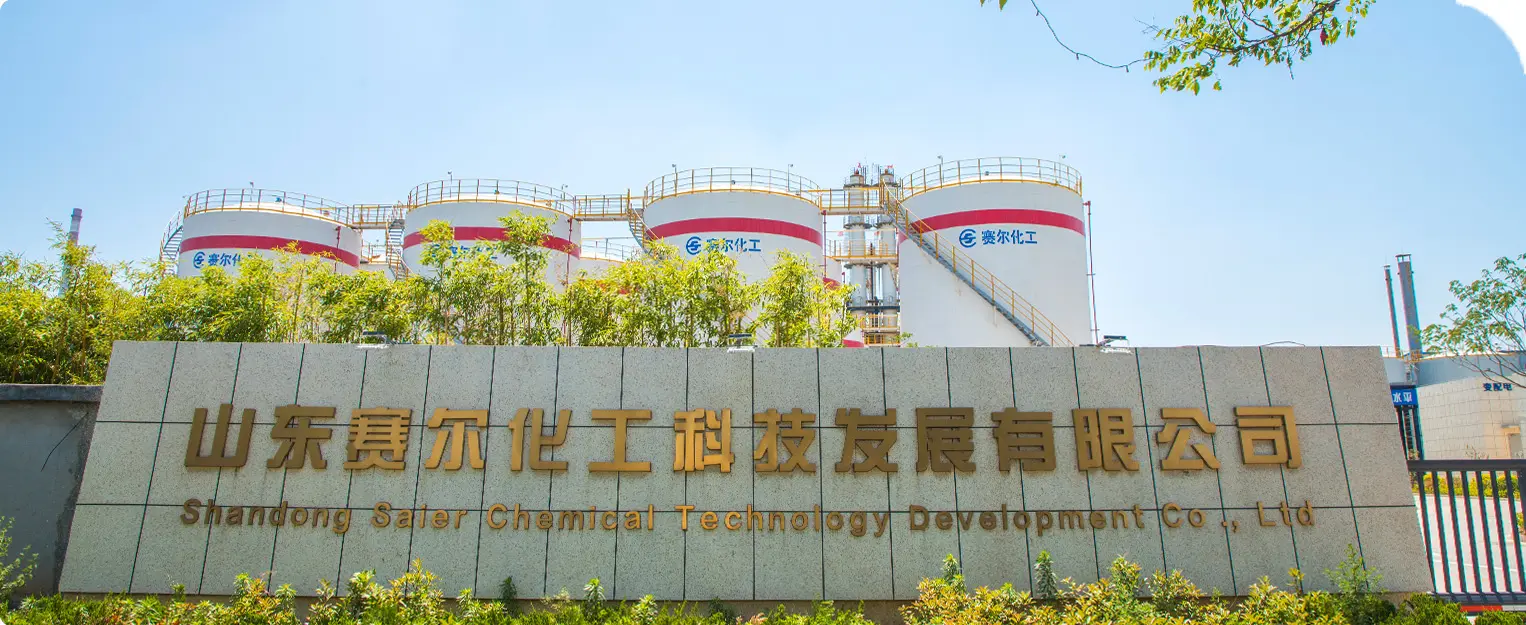
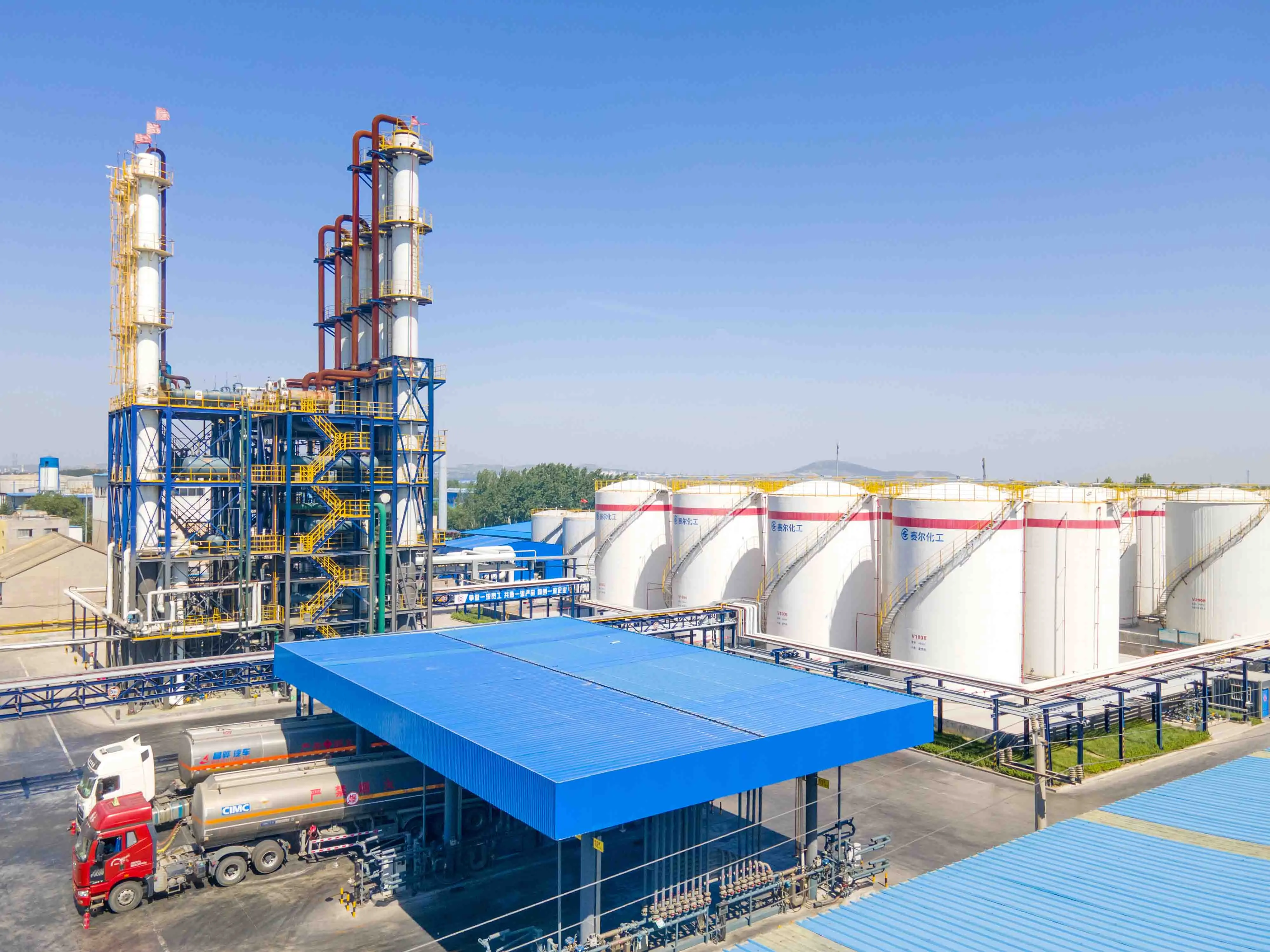
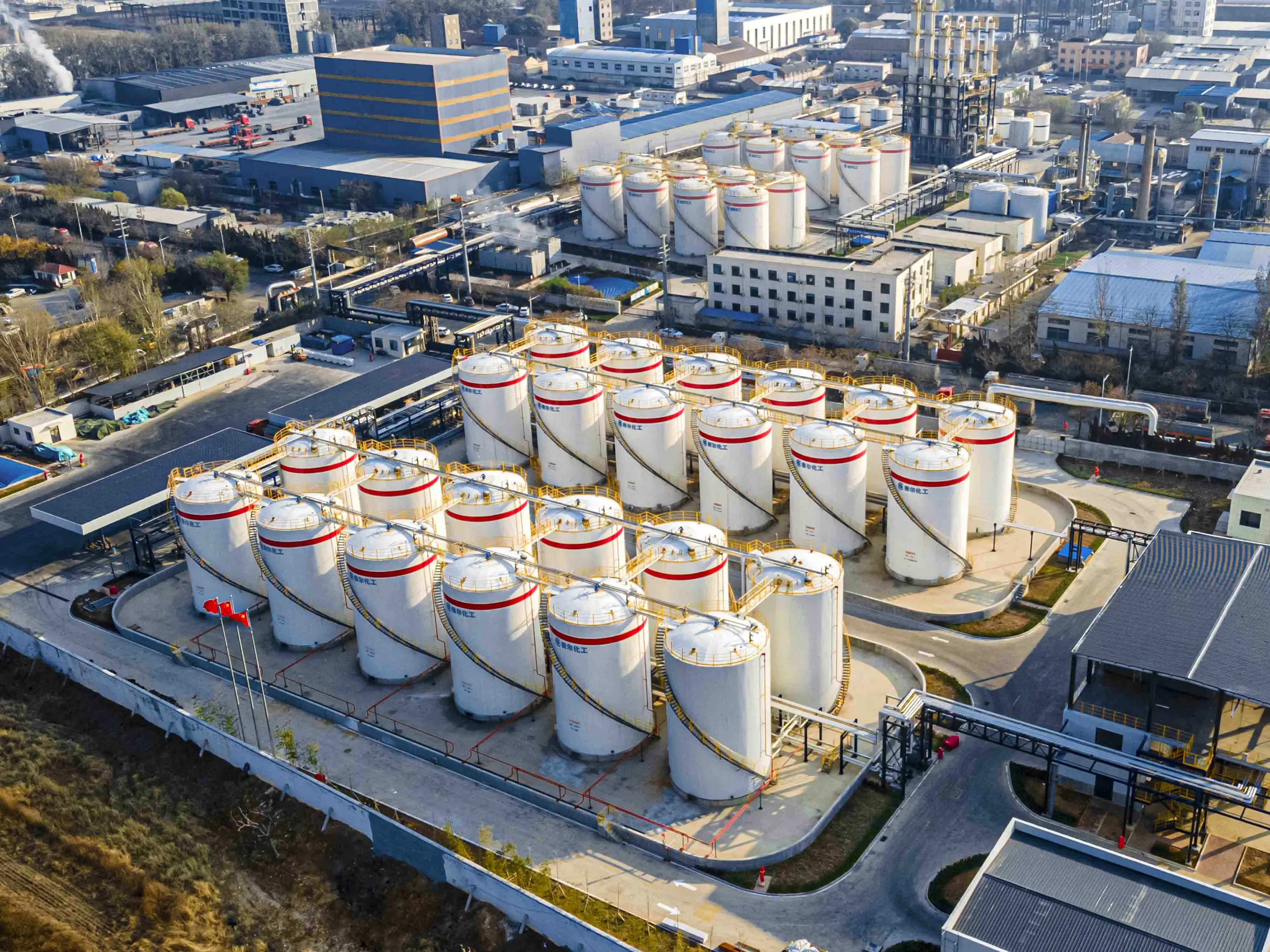
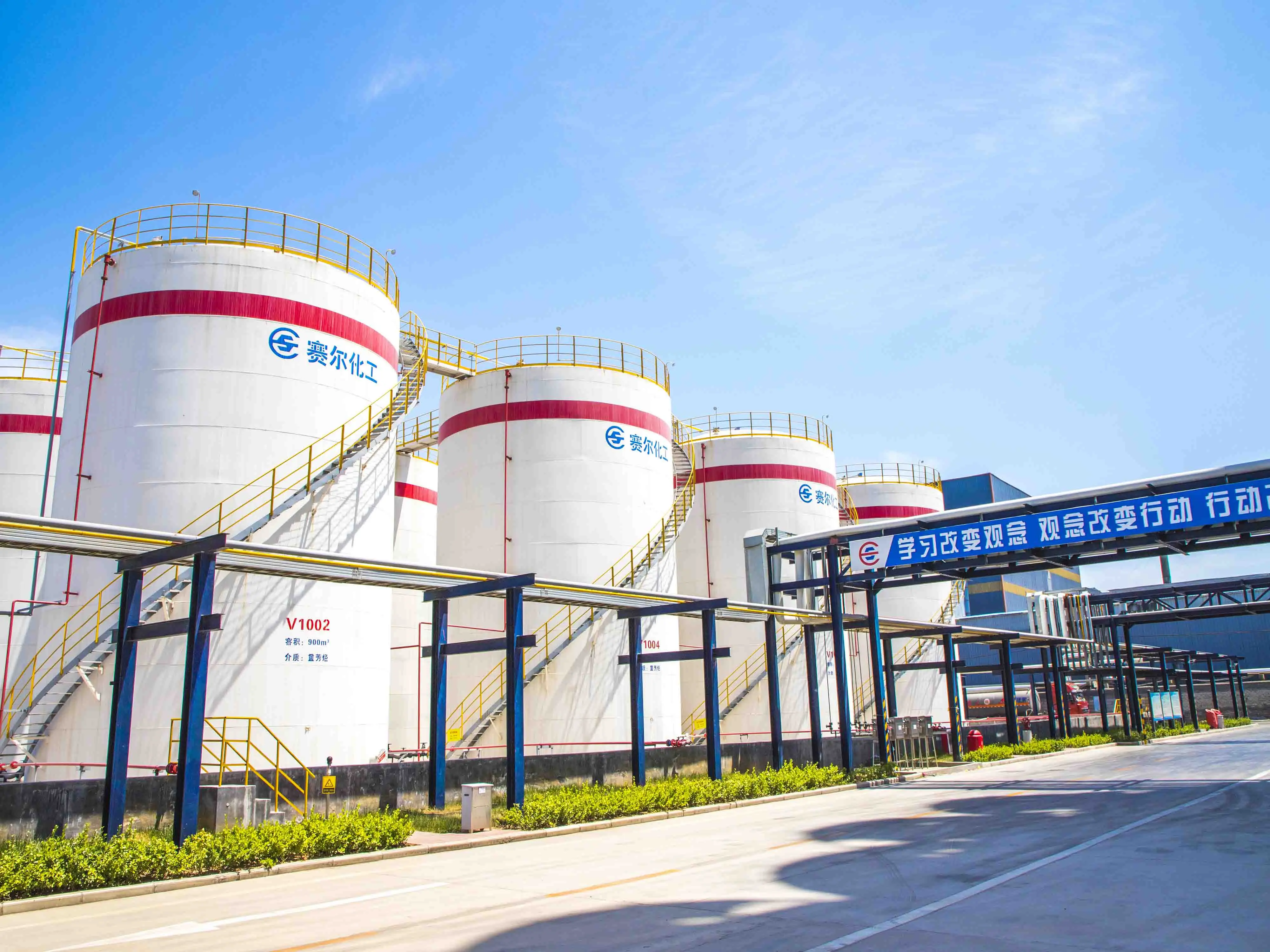
Founded in December 2004, Shandong Saier Chemical Technology Development Co., Ltd. has engineered a path of continuous refinement and research in the chemical and thermal fluid sector. Strategically located at No.207, WeiLiu Road, within the Qilu Chemical Industrial Park (Linzi, Zibo City, Shandong Province), the company sits at the heart of one of China’s most critical petrochemical networks. This prime location guarantees access to premium feedstocks and reliable, high-grade base ingredients.
Beginning operations with a robust registered capital of 60 million yuan, Saier Chemical established an extensive refining infrastructure. Initially specializing in high-boiling aromatic solvents (such as S-100, S-150, S-150ND, S-180, and S-200), the firm quickly expanded into high-grade organic heat transfer fluids, including the industry-standard L-QC320 heat transfer oil. By establishing partnerships with Tier-1 energy corporations like Sinopec, PetroChina, ChemChina, Zhejiang Petrochemical, and Hengli Petrochemical, Saier Chemical secured a high-integrity supply chain capable of sustaining a production capacity of 720,000 tons per year. Saier Chemical distributes high-purity aromatics, intermediates, and heat transfer mediums to key industrial hubs domestically (including Beijing, Shanghai, Tianjin, Hebei, Shandong, and Henan) and globally across Europe, Asia-Pacific, and the Americas.
Modern thermal systems operate under extreme conditions, requiring heat transfer oils that maintain chemical stability and high heat capacity. The engineering division at Shandong Saier Chemical has charted a clear development path focused on the evolution of synthetic and mineral-based thermal fluids.
L-QC320 represents a significant advance in mineral-based, highly refined paraffinic and naphthenic heat transfer chemistry. Optimized thermal cracking resistance limits carbon build-up and maintains low viscosity across a wide temperature range, prolonging the life of your equipment.
Driven by strict environmental and safety regulations, Saier has developed specialized low-naphthalene aromatic solvents. These solvents are highly compatible with agricultural chemical formulations and industrial coatings while keeping environmental impact to a minimum.
For applications exceeding 340°C, synthetic alkylated aromatics and diphenyl ether blends are entering testing phases. These compounds offer better thermal oxidation stability than traditional mineral oils, reducing fluid degradation in systems with open expansion tanks.
| Typical Properties | Testing Standards (ASTM/GB) | Saier L-QC320 Standard Value | Engineering Benefit |
|---|---|---|---|
| Kinematic Viscosity (40°C, mm²/s) | ASTM D445 / GB/T 265 | 28.8 - 32.5 | Low viscosity during cold start-ups prevents pump cavitation. |
| Flash Point (Closed Cup, °C) | ASTM D93 / GB/T 261 | ≥ 210 | High flash point minimizes fire risks and thermal degradation. |
| Thermal Decomposition Temp (°C) | GB/T 23971-2009 | ≥ 320 | Ensures high thermal stability under standard operating pressures. |
| Acid Value (mg KOH/g) | ASTM D974 | ≤ 0.02 | Low initial acidity prevents corrosion of steel pipes and vessels. |
| Carbon Residue (Conradson, wt%) | ASTM D189 | ≤ 0.05 | Low carbon residue limits deposits on heater tube walls, maximizing thermal efficiency. |
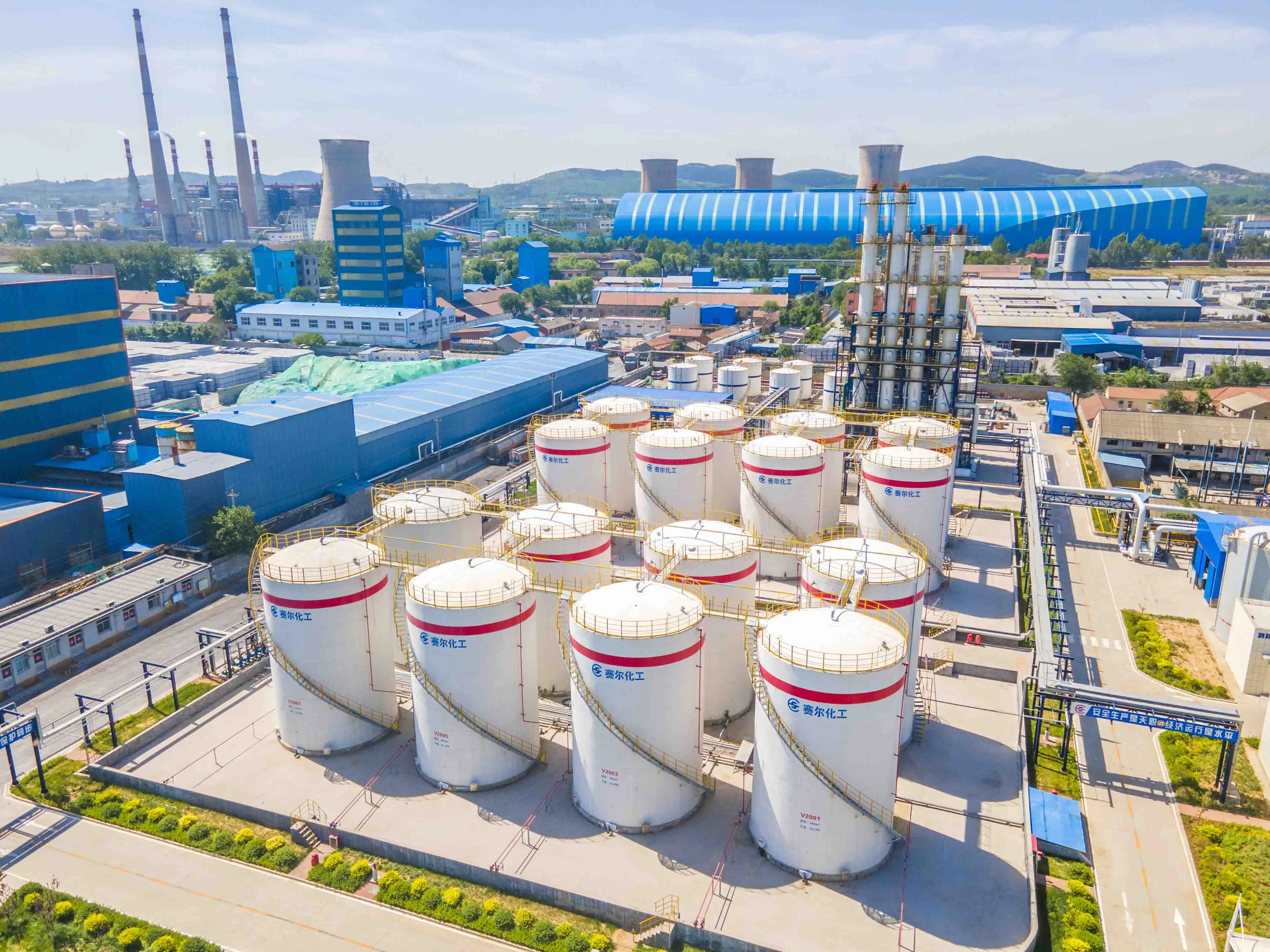
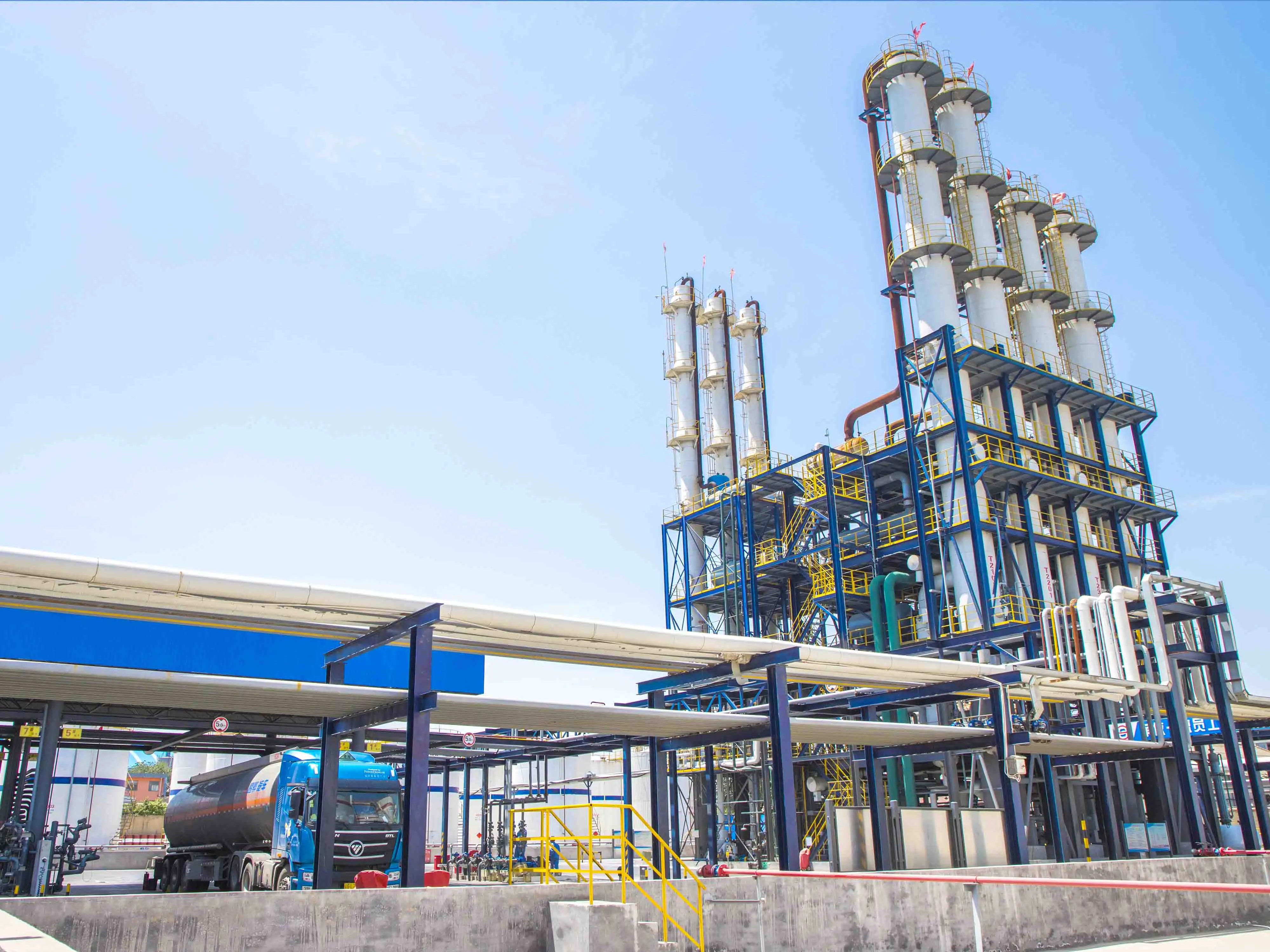
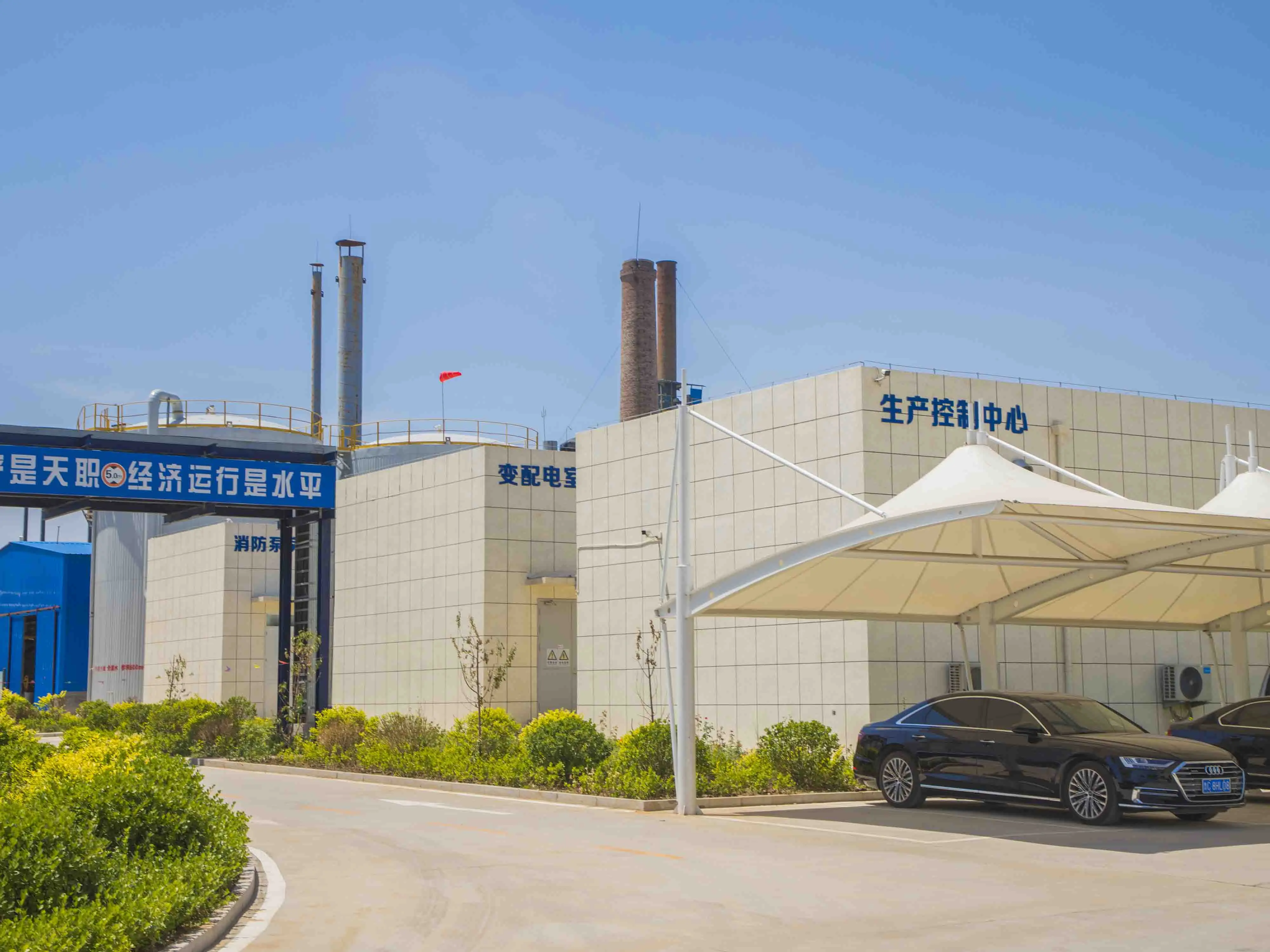
Integrating advanced process controls (APC) and continuous distillation systems allows Shandong Saier Chemical to guarantee uniform batch quality across its 720,000-ton capacity. Utilizing state-of-the-art automation at the Zibo facility, processing parameters—including column temperature, reflux ratios, and vacuum pressure—are monitored continuously. This real-time optimization maintains narrow boiling range fractions for premium solvents like S-150 and S-200.
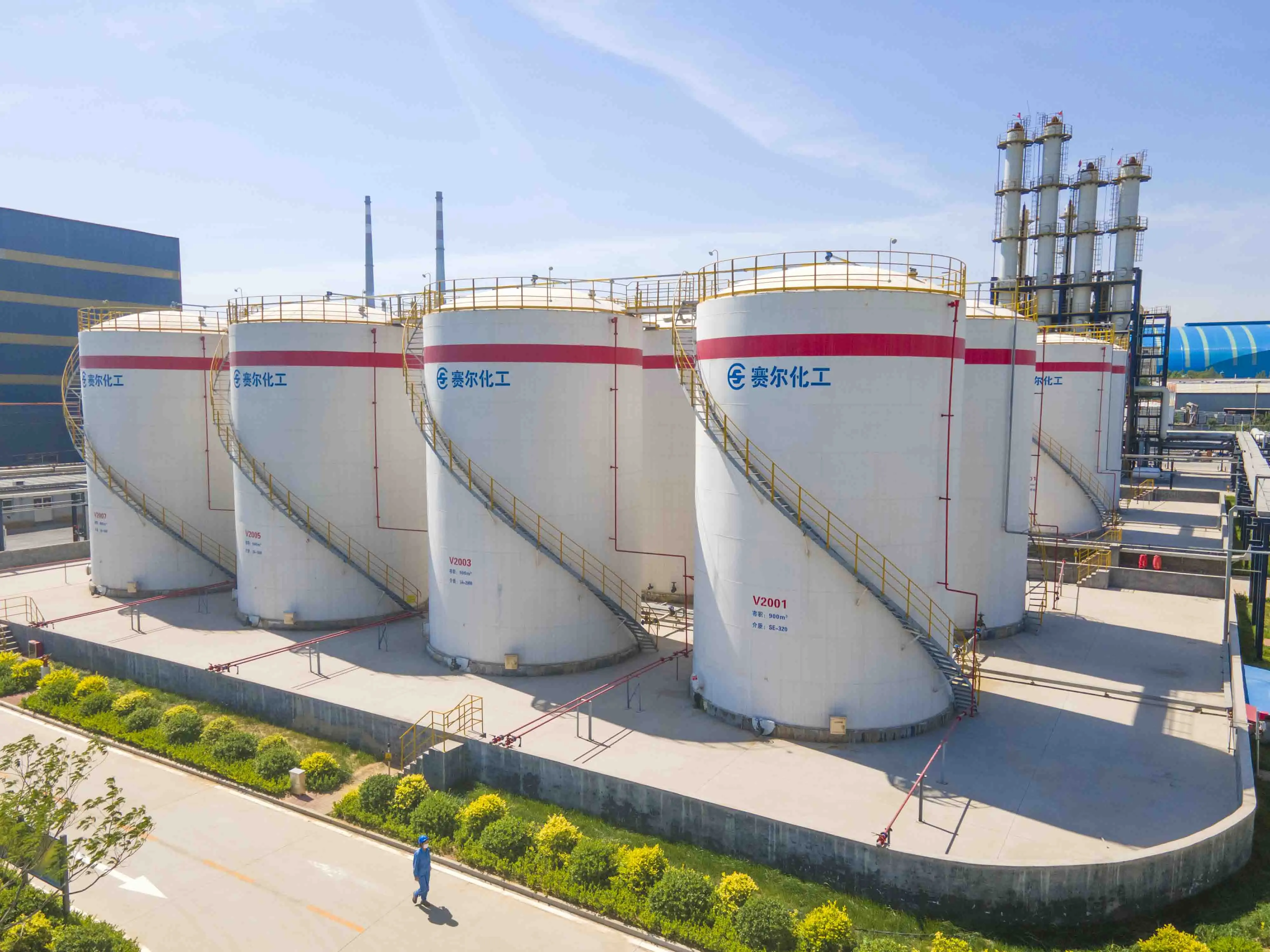
Our raw materials are sourced from leading domestic refineries like Sinopec and PetroChina, shielding Saier from supply bottlenecks and commodity price volatility. With bulk raw material storage yards and integrated logistics links directly in the Qilu Chemical Industrial Park, Saier can quickly adjust production schedules to match global demand, ensuring on-time delivery even during periods of heavy market volatility.
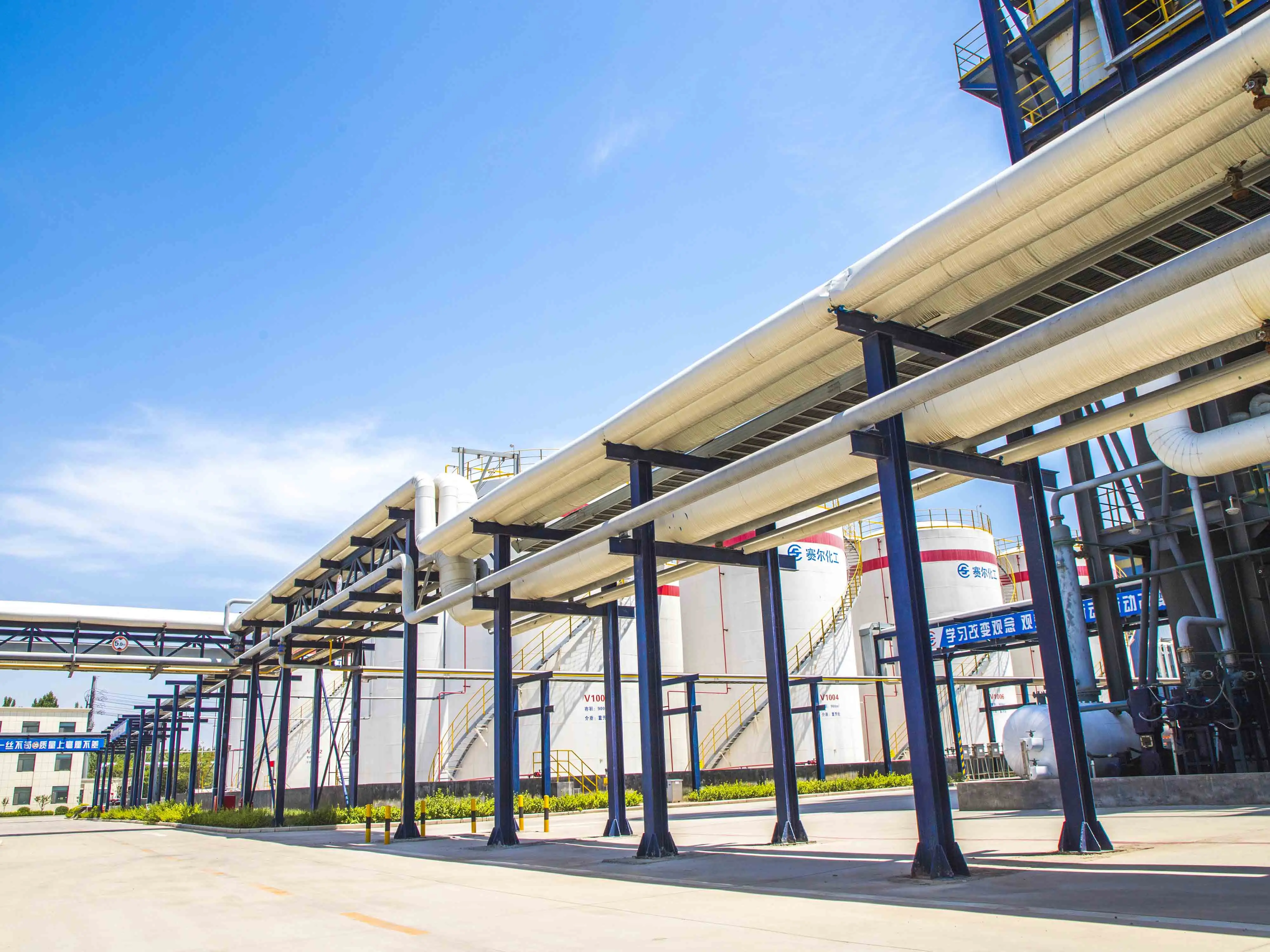
Heat transfer oils are critical to many industrial manufacturing processes. Shandong Saier Chemical provides customized chemical formulations to meet the specific demands of different sectors.
Used to control reboiler and distillation column temperatures, Saier’s L-QC320 resists thermal cracking and helps prevent scale build-up inside heating tubes, minimizing maintenance downtime.
Precise temperature control is vital for plastic extrusion and fiber spinning. Saier fluids provide uniform heat distribution across complex molding dies, preventing structural defects in the final product.
Our high-boiling aromatic solvents, combined with durable heat transfer fluids, are widely used in wood pressing and resin synthesis, ensuring uniform temperature control during adhesive curing.
Sourcing chemicals internationally requires strict adherence to safety and environmental standards. Shandong Saier Chemical operates under international quality frameworks, ensuring all heat transfer oils and solvents comply with ISO 9001:2015 quality guidelines and ISO 14001:2015 environmental standards.
For Western European and North American buyers, our products are formulated to comply with REACH and TSCA regulations. Additionally, our testing methodologies follow ASTM standards for flash point, kinematic viscosity, copper corrosion, and ash content. We provide a full certificate of analysis (COA) with every batch to ensure transparency and consistency.
To help customers maximize fluid life, Saier offers a comprehensive preventative maintenance program. This includes regular oil testing to track flash point decline, viscosity changes, and acid value increases. By monitoring these key indicators, we help you identify degradation early, preventing system damage and costly downtime.
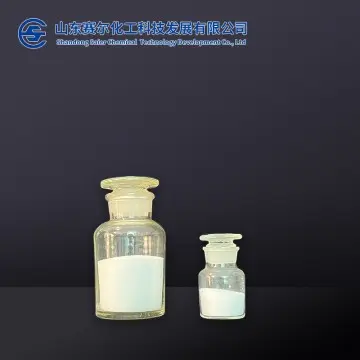
Achieving peak performance with thermal fluids requires proper system design and maintenance. Below are key recommendations from Saier Chemical’s engineering team:
Oxygen exposure at high temperatures accelerates fluid oxidation, producing organic acids and sludge. Using a low-pressure nitrogen blanket in the expansion tank prevents contact with air, significantly extending fluid life.
Maintaining turbulent flow (Reynolds number > 10,000) inside the heater tubes prevents localized overheating. If velocity drops, the boundary film temperature rises, which can lead to premature thermal cracking.
Testing your fluid annually tracks key indicators like flash point, viscosity, and total acid number (TAN). Comparing these results against ASTM limits helps you plan for filtration or fluid replacement before issues arise.
 Saier Chemical