How to Choose the Right Petroleum Hydrocarbon Solvent?

Time:2026-09-17 Author:Isabella
0%

Choosing the right Petroleum Hydrocarbon Solvent requires more than comparing prices or reading a product label. The solvent must match the process, material, equipment, and workplace conditions. A cleaner used on metal may damage plastic, rubber, paint, or sensitive coatings. Small differences matter. Boiling range, aromatic content, evaporation rate, viscosity, and solvency power can change results noticeably.

Practical evaluation should begin with the intended task. Will the solvent remove oil, dilute a coating, clean machinery, or support laboratory testing? Its flash point and vapor pressure also deserve careful attention. Review the safety data sheet, technical data sheet, and supplier quality information before approval. Reliable suppliers should explain batch consistency, impurities, storage conditions, and recommended handling practices. Independent testing can confirm performance when surface quality or production stability is critical.

Experience still matters. A solvent that performs well in one workshop may fail in another. Temperature, ventilation, application method, and exposure time can shift the outcome. I have seen operators choose a fast-evaporating grade, only to find residue or uneven drying afterward. That choice seemed efficient, but it needed more reflection. No selection method is flawless. A controlled trial, clear acceptance criteria, and documented results provide stronger evidence than assumptions. Environmental targets and local workplace requirements should also influence the decision. The best Petroleum Hydrocarbon Solvent is not simply the strongest option. It is the safest, most compatible, and most reliable choice for the specific application.
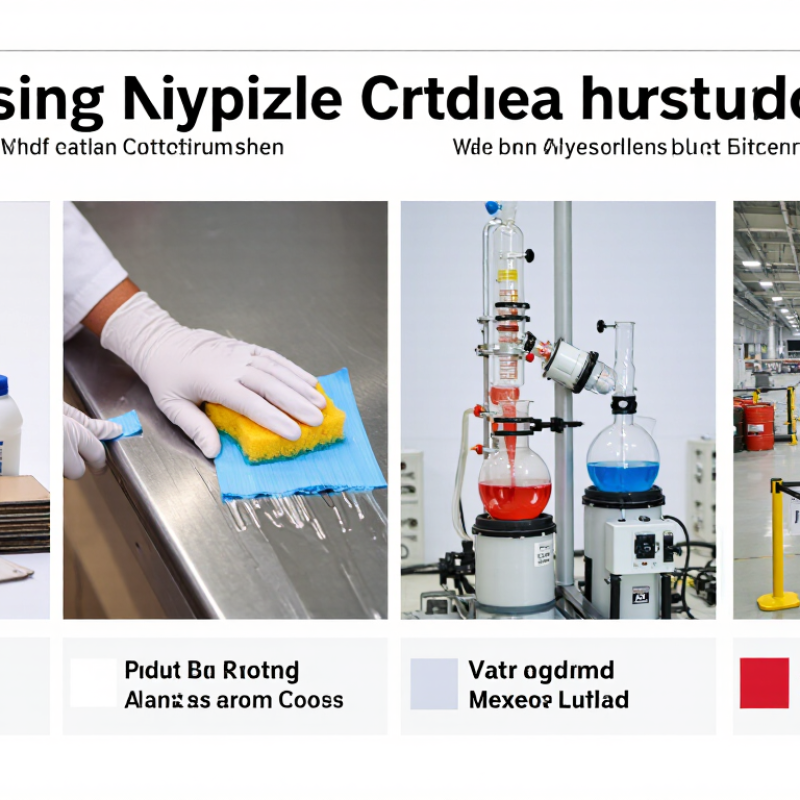
How to Choose the Right Petroleum Hydrocarbon Solvent?

What Is a Petroleum Hydrocarbon Solvent?

Petroleum hydrocarbon solvents are liquid mixtures refined from crude oil. They are not a single chemical. Their molecules mainly contain carbon and hydrogen, with different structures and sizes. The term usually covers aliphatic solvents, aromatic solvents, and blended hydrocarbon fractions.

Their behavior depends on boiling range, volatility, and solvency strength. A low-boiling solvent may evaporate quickly from a metal surface. A higher-boiling grade can remain wet longer and support slower cleaning. Odor can also differ. Do not judge performance by odor alone. Flash point, vapor pressure, and exposure information matter more.

In practical testing, a small solvent sample can reveal problems early. Apply it to a hidden area and check for swelling, whitening, or surface dullness. Plastic, rubber, paint, and adhesive may react differently. Review the safety data sheet before handling, and provide ventilation, suitable gloves, eye protection, and approved waste controls. One common mistake is choosing the strongest solvent available. Stronger is not always better; it may damage a coating or increase drying marks. I have found that temperature changes can also alter evaporation noticeably. Test under actual workplace conditions. Use the product only within its stated application limits and applicable local requirements.

Which Solvent Properties Matter for Your Application?

How to Choose the Right Petroleum Hydrocarbon Solvent?

Which Solvent Properties Matter for Your Application?

Choosing a petroleum hydrocarbon solvent starts with the job, not the container label. In practice, solvent properties often matter more than familiar product names. I have seen coating problems caused by selecting a fast-evaporating solvent for a thick film. A narrow boiling range can provide steadier drying and more consistent processing. However, rapid evaporation may improve cleaning speed while increasing surface cooling and residue risk. Small details matter.

Solvency strength is equally important. Aromatic content, molecular structure, and hydrogen content influence how well the solvent dissolves resins, oils, adhesives, or processing residues. A powerful solvent is not always the best solvent. It may attack plastics, soften rubber seals, or change a coating’s appearance. Always test the solvent against the actual substrate, especially when using sensitive polymers or painted surfaces. Laboratory screening helps, but production trials can reveal different behavior.

Safety and handling properties deserve careful attention. Flash point, vapor pressure, odor, and worker exposure can affect equipment design and operating conditions. Higher flash points may support safer handling, but they can also mean slower evaporation. Purity and water content can influence clarity, drying, and long-term stability. Check the current safety data sheet and technical specification before approval. I once focused too heavily on drying time and overlooked seal compatibility. That assumption required rework. A small compatibility test, measured drying record, and residue check can prevent a costly decision.

How to Match Solvent Types with Industrial Uses

How to Choose the Right Petroleum Hydrocarbon Solvent?

Matching solvent type to industrial use requires more than choosing the fastest evaporation rate. Aliphatic solvents suit metal degreasing, rubber processing, and general cleaning. Aromatic solvents offer stronger solvency for resins, coatings, and adhesives. Dearomatized grades can reduce odor while maintaining controlled cleaning performance. A common shop-floor lesson is simple: fast is not always better. Rapid evaporation may leave residue, cool the surface, or cause coating defects.

Start with the process, not the product name. Check boiling range, flash point, aromatic content, viscosity, and compatibility with plastics or elastomers. For coatings, compare solvency strength with drying speed. For precision cleaning, residue and surface tension matter more.

The International Energy Agency’s Oil 2024 report forecasts global oil demand reaching about 105.4 million barrels per day by 2030. That scale supports broad feedstock availability, but it does not prove suitability for a specific process. The U.S. EPA’s AP-42 guidance also treats solvent emissions as process-dependent, so ventilation and application method must be assessed together.

Tips: Request the current safety data sheet and technical specification. Run a small panel test on the actual substrate. Measure drying time, residue, odor, and surface damage. Review worker exposure limits before production. I would also repeat the test after equipment changes; a reliable solvent choice can still fail when spray pressure, temperature, or airflow changes.

What Safety and Environmental Factors Should You Evaluate?

Choosing a petroleum hydrocarbon solvent requires more than comparing cleaning strength or price. Start with the Safety Data Sheet and verify the flash point, vapor pressure, and occupational exposure limits. A low flash point means vapors may ignite easily near motors, heaters, or welding areas. Use local exhaust ventilation, grounded containers, and suitable gloves and eye protection. Do not rely on odor as a safety warning.

Environmental performance deserves equal attention. Check volatile organic compound content, aquatic toxicity, persistence, and waste-handling requirements. A solvent with lower evaporation may reduce workplace emissions, but it is not automatically safer. Some products evaporate slowly and remain on surfaces or in soil after a spill. That trade-off is easy to overlook. Review transport and disposal information before purchasing, not after waste accumulates.

Practical testing can reveal problems that laboratory data misses. Apply a small amount to the actual surface and observe drying time, residue, worker exposure, and fire risk. Ask a qualified safety professional or industrial hygienist to review the process when ventilation is uncertain. Keep containers closed and label secondary vessels clearly. Spill kits should match the solvent and be accessible. In my experience, rushed substitutions create the greatest risk. I once underestimated how quickly vapor collected in a poorly ventilated corner; the setup looked controlled, but the airflow was not. Recheck conditions whenever equipment, temperature, or production volume changes.

How to Choose the Right Petroleum Hydrocarbon Solvent? - What Safety and Environmental Factors Should You Evaluate?

Use this comparison as an initial screening tool. Actual properties depend on carbon-chain distribution, aromatic content, additives, impurities, and the applicable safety data sheet.

Solvent Category Typical Carbon Range Typical Boiling Range Typical Flash-Point Range Approximate Vapor Pressure at 20°C Main Safety Considerations Environmental Considerations Selection Guidance
Low-Boiling Aliphatic Solvents C5–C7 hydrocarbons 30–100°C Below 0°C to approximately 10°C Approximately 5–35 kPa Higher operational risk
Highly flammable vapors, rapid evaporation, possible vapor accumulation, and significant inhalation exposure in poorly ventilated areas.
High potential for air emissions and photochemical smog formation. Spills can spread quickly and may be toxic to aquatic organisms. Choose only when rapid drying or low viscosity is essential. Require explosion control, closed transfer, grounding, and effective local exhaust ventilation.
Medium-Boiling Aliphatic Solvents C7–C9 hydrocarbons 90–160°C 10–35°C Approximately 1–6 kPa Moderate risk
Flammable liquid and vapor; exposure may cause skin defatting, irritation, dizziness, or central nervous system effects.
Generally lower evaporation emissions than low-boiling grades, but still commonly regulated as VOC material. Prevent releases to drains and surface water. A practical balance between solvency, drying speed, and handling safety when process ventilation and ignition-source controls are available.
High-Boiling Aliphatic Solvents C9–C13 hydrocarbons 150–230°C 35–80°C Approximately 0.01–0.5 kPa Lower vapor exposure potential
Lower vapor concentration at room temperature, but combustible liquid hazards remain. Heated applications may increase vapor exposure.
Lower evaporation rate can reduce routine air emissions. Persistent contamination of soil or water should still be prevented and remediated. Preferable where slower evaporation, reduced workplace vapor levels, and longer open time are acceptable.
Aromatic Hydrocarbon Solvents Typically C8–C10 aromatic hydrocarbons 135–175°C 20–40°C Approximately 1–4 kPa Increased toxicological concern
Flammable; repeated exposure may affect the nervous system. Some aromatic constituents may have additional reproductive, developmental, or carcinogenic classifications.
VOC emissions can contribute to ozone formation. Aromatic hydrocarbons may be harmful to aquatic life and should be tightly controlled during storage and disposal. Use only when strong solvency is required. Evaluate aromatic content, constituent-specific exposure limits, and less-hazardous alternatives before approval.
Low-Aromatic or Dearomatized Hydrocarbons Commonly C9–C13 hydrocarbons 145–220°C 40–75°C Approximately 0.05–0.8 kPa Reduced aromatic exposure
Usually lower odor and lower aromatic-related toxicity than aromatic grades, but flammability, aspiration, skin irritation, and solvent-vapor hazards may remain.
Lower vapor pressure and low aromatic content may reduce air-emission and toxicity concerns, but aquatic toxicity and biodegradation data must be confirmed for the specific grade. Often a preferred option when moderate-to-strong solvency is needed with lower odor, lower volatility, and reduced aromatic content.
Very High-Boiling Hydrocarbon Fluids C11–C16 or broader hydrocarbon distribution 200–300°C or higher 65–100°C or higher Usually below 0.05 kPa Lowest routine vapor potential
Reduced room-temperature vapor exposure, but hot-surface, combustible-liquid, mist, and thermal-decomposition hazards must be assessed.
Very low volatility can reduce atmospheric emissions. However, releases may remain in soil or sediment and can be difficult to remove. Suitable for high-temperature, slow-drying, or low-emission processes when residue, cleanup time, and heating requirements are acceptable.
Minimum evaluation checklist before purchase or use: Confirm the current safety data sheet; verify flash point and boiling range using the supplier's test data; review vapor pressure and VOC status under the applicable jurisdiction; check aromatic and benzene content; assess occupational exposure limits for individual constituents; evaluate aspiration, skin, eye, and aquatic hazards; confirm storage, grounding, ventilation, spill-response, waste-disposal, and transport requirements; and conduct a documented substitution review for lower-volatility or lower-toxicity alternatives.
Property ranges are representative screening values rather than specifications. Classification, VOC status, exposure limits, and environmental obligations vary by composition, test method, application, and local regulations. Always use the product-specific safety data sheet and applicable legal requirements for final decisions.

How to Compare Solvent Quality, Cost, and Supplier Reliability?

Choosing a petroleum hydrocarbon solvent requires more than comparing the lowest quotation. Quality should match the process. Request a recent certificate of analysis, not a generic specification sheet. Check boiling range, density, sulfur, water, residue, and aromatic content. ASTM D86 supports distillation testing, while ASTM D4052 measures density. For moisture-sensitive applications, Karl Fischer testing is useful. A narrow boiling range can improve drying consistency, but it may cost more. Sometimes, that premium prevents rework.

Cost analysis should include freight, storage, waste, testing, and production downtime. The International Energy Agency’s Oil 2024 report projects global oil demand at about 104 million barrels per day in 2024 and nearly 106 million in 2025. Feedstock pressure can influence solvent pricing. Therefore, compare quoted prices against validity periods and adjustment clauses. Ask suppliers to separate product, packaging, transport, and surcharges. A low price is not always economical.

Reliability needs evidence. Review delivery performance for at least six months, including on-time delivery, shortage rates, complaint response, and emergency capacity. Request two recent batch records and a documented change-notification process. ISO 9001 certification supports quality management, but it does not guarantee perfect deliveries. That distinction matters. The U.S. Energy Information Administration also reports continuing volatility in petroleum markets, so one supplier may create avoidable exposure. I would not rely on a single scorecard. Test a sample, audit critical controls, and reassess after the first few shipments. Suppliers can improve, and buyers can misjudge them.

How to Choose the Right Petroleum Hydrocarbon Solvent?

This representative benchmark compares common solvent categories using a normalized 100-point scale. Quality reflects specification consistency, low unwanted aromatics, and process suitability. Cost is an indicative bulk-market index, with conventional aliphatic solvent set at 100. Supplier reliability reflects typical availability, production continuity, documentation, and delivery flexibility.

Actual prices and supply performance vary by region, order volume, grade, logistics, regulations, and contract terms. Always confirm the technical data sheet, certificate of analysis, safety data sheet, and delivery history before purchase.

FAQS

Which solvent properties matter most for an application?

Start with the task, not the container label. Check evaporation rate, boiling range, solvency strength, flash point, and purity. Small property differences can change drying, residue, and surface appearance.

How does evaporation rate affect performance?

Fast evaporation may shorten cleaning time. However, it can cool the surface and leave residue. Slower evaporation may support thick-film drying but extend processing time. Not always better.

How can I evaluate solvent compatibility?

Test the solvent on the actual plastic, rubber, coating, or painted surface. A strong solvent may soften seals or change gloss. Use a small sample before production trials. Laboratory results can mislead.

What safety information should be reviewed?

Check flash point, vapor pressure, exposure limits, and required protective equipment. Keep containers closed near motors, heaters, and welding areas. Use ventilation, grounded containers, gloves, and eye protection. Do not trust odor.

Which environmental factors require attention?

Review volatile content, aquatic toxicity, persistence, and waste-handling requirements. Slow evaporation may reduce emissions but leave solvent on surfaces. Spills can remain in soil or equipment. That trade-off matters.

What practical tests should be completed before approval?

Apply a small amount to the real surface and record drying time. Check residue, odor, surface changes, worker exposure, and fire hazards. Repeat testing when temperature, equipment, or production volume changes. Conditions shift.

How should solvent quality be compared?

Request a recent analysis certificate and review boiling range, density, water, residue, and aromatic content. Moisture-sensitive processes may need moisture testing. A narrow boiling range can improve consistency but increase purchase cost. That premium may prevent rework.

How can total solvent cost be calculated?

Include product price, freight, storage, waste disposal, testing, and downtime. Check quotation validity periods and possible price adjustments. Separate packaging, transport, and surcharges. The lowest quote may cost more later.

How can supplier reliability be assessed?

Review delivery performance, shortages, complaint response, and emergency capacity over several months. Request recent batch records and documented change notifications. Test samples and audit important controls before depending on one source. I might still misjudge a supplier.

Conclusion

Choosing the right Petroleum Hydrocarbon Solvent begins with understanding its composition, volatility, solvency power, and intended role in an industrial process. Different solvent types vary in evaporation rate, aromatic content, viscosity, flash point, and compatibility with materials. These properties should be matched carefully with applications such as cleaning, degreasing, extraction, coating, adhesive production, or process support to achieve consistent performance without damaging equipment or finished products.

Safety and environmental considerations are equally important. Users should evaluate flammability, worker exposure, ventilation requirements, storage conditions, emissions, waste handling, and applicable regulations before selecting a product. Quality, cost, and supplier reliability should also be compared together rather than separately. Consistent specifications, dependable supply, technical documentation, responsive support, and transparent pricing can help reduce operational risks and long-term expenses. A well-informed selection balances performance, safety, environmental responsibility, and total value for the specific application.

Isabella

Isabella

Isabella is a dedicated marketing professional with a sharp focus on driving brand growth and engagement through strategic content creation. With an extensive background in digital marketing, she combines her passion for storytelling with her keen understanding of industry trends to deliver......