Is Low Aromatic White Spirit the Best Choice for Your Needs?

Time:2026-08-08 Author:Charlotte
0%

In the world of industrial solvents, choosing the right product is crucial. Low Aromatic White Spirit has gained attention for its reduced toxicity and pleasant handling properties. Expert chemist Dr. Emily Hartman states, "Low Aromatic White Spirit strikes a balance between performance and safety." Her expertise highlights the growing demand for safer alternatives in various applications, from paint thinners to cleaning agents.

As industries prioritize worker safety and environmental concerns, Low Aromatic White Spirit stands out. Its low aromatic content minimizes health risks, making it a preferred choice in many sectors. Yet, some industry professionals still debate its effectiveness compared to traditional solvents. While it may excel in safety, will it meet all performance demands?

The exploration of Low Aromatic White Spirit raises numerous questions. How does it perform in specific applications? Could its benefits outweigh any limitations? As businesses shift towards safer options, these considerations are essential for informed decisions. Understanding the value of Low Aromatic White Spirit is a step toward responsible solvent use.
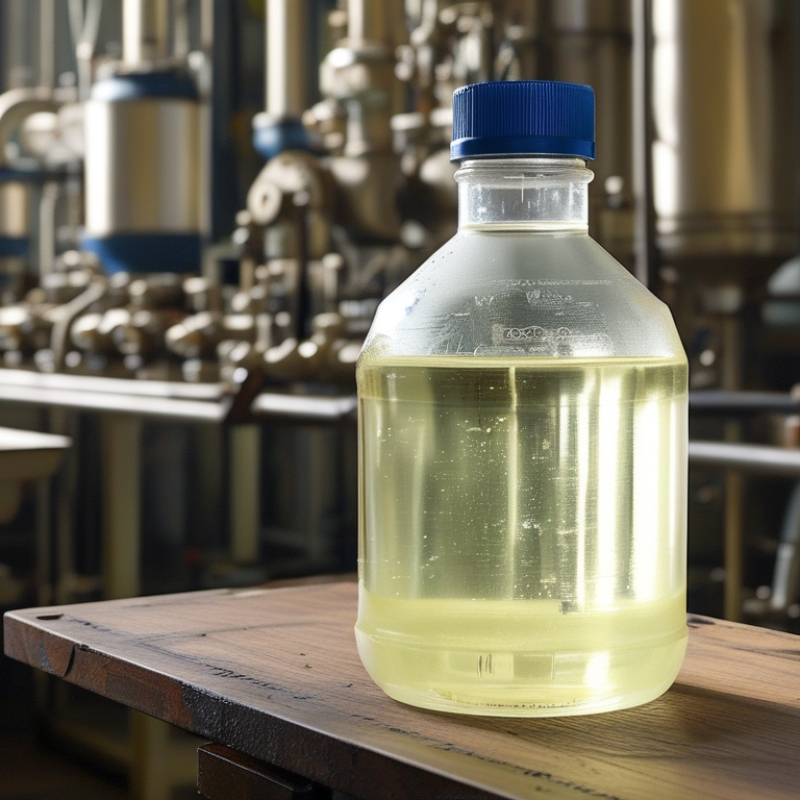
Is Low Aromatic White Spirit the Best Choice for Your Needs?

Understanding Low Aromatic White Spirit: Definition and Composition

Low Aromatic White Spirit is often used in industrial and domestic applications. Understanding its definition and composition is crucial for choosing the right product for your needs. This solvent is primarily derived from petroleum. It contains a minimal amount of aromatics, making it less volatile and less harmful.

The composition of Low Aromatic White Spirit typically includes aliphatic hydrocarbons. These hydrocarbons have lower toxicity compared to aromatic counterparts. This characteristic makes it a safer option for many users. It is also important to note that while it is less harmful, proper handling is still essential. Always use protective gear when working with any solvent.

Some users may find that Low Aromatic White Spirit does not perform as well in certain applications. It may not dissolve all types of grease or oil. This limitation can be frustrating for those accustomed to higher aromatic solvents. Therefore, it is essential to reflect on your specific needs before making a choice. Not every situation demands the same solution.

Key Benefits of Using Low Aromatic White Spirit in Various Applications

Low Aromatic White Spirit has gained traction in numerous industries. Many professionals appreciate its low aromatic content, making it safer for prolonged exposure. This characteristic is crucial for improving indoor air quality. Workers in confined spaces particularly benefit from its reduced health risks. Moreover, it offers effective solvent properties, making it suitable for various applications.

When considering usage, it's essential to think about the application environment. For instance, it can serve well in cleaning and degreasing tasks. Always ensure proper ventilation in enclosed areas. Not all low aromatic spirits are created equal. Checking for certifications can affirm its quality and reliability.

Tips: Avoid mixing different types of solvents. Mixing may lead to unpredictable reactions. Also, be mindful of storage conditions. Keep in a cool, dry place away from direct sunlight. Understanding how to use low aromatic spirits can make a significant difference in achieving desired results. Make informed choices to enhance safety and efficiency in your work.

Comparing Low Aromatic White Spirit with Other Solvents and Thinners

Choosing the right solvent can significantly impact your project. Low Aromatic White Spirit (LAWS) is often seen as a safer option. It contains fewer harmful chemicals compared to traditional solvents, making it less hazardous for health and the environment. A study by the European Chemicals Agency indicates that LAWS emits lower volatile organic compounds (VOCs), contributing to better air quality.

When comparing LAWS with other solvents such as turpentine or standard mineral spirits, LAWS stands out. Standard mineral spirits can have high aromatic content, potentially causing irritation. In contrast, LAWS reduces this risk while maintaining effective thinning capabilities. A report by the American Coatings Association states that LAWS is preferred in industries like painting and cleaning for its balance of performance and safety.

Tips: Always ventilate the area when using any solvent. Proper ventilation reduces inhalation risks. Additionally, consider wearing protective gear, even with LAWS. This ensures safety while working. Assess your project requirements to choose the appropriate solvent; sometimes, a quicker-evaporating thinner may suit specific tasks better, despite safety concerns.

Safety and Environmental Considerations When Using Low Aromatic White Spirit

When considering the use of low aromatic white spirit, safety is paramount. This solvent is favored due to its lower levels of harmful components. However, safe handling practices remain essential. Always work in well-ventilated areas to reduce inhalation risks. Using personal protective equipment, like gloves and masks, can reduce exposure.

Environmental considerations are equally important. Low aromatic white spirit evaporates more cleanly than other solvents. Still, its disposal requires careful thought. Disposing of waste improperly can lead to soil and water contamination. Always check local regulations for safe disposal methods.

While low aromatic white spirit presents many benefits, users should remain cautious. The “low aromatic” label does not mean risk-free. Understanding your specific needs helps determine the best option. Be prepared to adapt your practices based on these considerations.

Practical Tips for Selecting the Right Low Aromatic White Spirit for Your Needs

When choosing low aromatic white spirit, it's essential to consider several factors. These solvents are popular in the paint and coatings industry. According to a report by the European Solvents Industry Group, low aromatic white spirits contain less than 0.1% aromatic compounds. This significantly reduces health risks associated with prolonged exposure.

Evaluating your needs is crucial. The intended application can influence your choice. For instance, some formulations require a rapid evaporation rate. Others may prioritize lower toxicity. A study from the American Coatings Association indicates that low aromatic versions have a lower odor, improving user comfort. However, effectiveness can vary. Users should test different products to find the best fit.

It's also vital to consider environmental impact. Low aromatic white spirits are generally safer for the environment compared to their counterparts. Yet, some are still petroleum-based, raising questions about sustainability. As reported by various health studies, worker safety is paramount. Ensuring proper ventilation while using these solvents remains essential. Balancing performance with safety is not always straightforward. Users must remain vigilant and continuously assess their choices.

Comparative Analysis of Low Aromatic White Spirit Characteristics

This bar chart compares the characteristics of Low Aromatic White Spirit against standard solvents in terms of odor level, evaporation rate, solvent power, viscosity, and cost. The chart helps in understanding the practical implications of selecting low aromatic options based on specific needs.

FAQS

: What is Low

romatic White Spirit?

Why is Low Aromatic White Spirit considered safer?

It contains fewer harmful chemicals and lower toxicity levels, making it less volatile and less harmful to health and the environment.

Can Low Aromatic White Spirit dissolve all types of grease and oil?

No, it may struggle to dissolve certain types of grease or oil, unlike higher aromatic solvents. Users should consider their specific needs.

How does Low Aromatic White Spirit compare to traditional solvents?

It emits lower volatile organic compounds (VOCs) and reduces irritations caused by high aromatic content, making it a preferred choice in many industries.

What should I consider when choosing Low Aromatic White Spirit?

Evaluate the application needs, required evaporation rates, and toxicity levels to ensure the best fit for your project.

Is Low Aromatic White Spirit environmentally friendly?

Generally, it is safer for the environment. However, it is still petroleum-based, raising questions about long-term sustainability.

What safety precautions should be taken when using Low Aromatic White Spirit?

Always ensure proper ventilation and wear protective gear, even with this safer solvent, to minimize health risks.

How can I test different Low Aromatic White Spirit products?

Users should try different formulations, observing their effectiveness based on specific application or project needs.

Can Low Aromatic White Spirit cause irritation?

Compared to high aromatic solvents, it causes less irritation. However, user awareness and caution are still necessary.

Why is ongoing assessment important when using solvents?

Balancing performance and safety can be complex. Continuous evaluation helps ensure suitability and safety for specific tasks.

Conclusion

Low Aromatic White Spirit is a versatile solvent known for its low levels of aromatic hydrocarbons, making it a safer choice for various applications, including painting and cleaning. This article provides a comprehensive overview of Low Aromatic White Spirit, detailing its definition, composition, and the key benefits of utilizing it in different contexts. By comparing it with other solvents, readers can appreciate its unique characteristics and advantages.

Moreover, the article emphasizes safety and environmental considerations, highlighting the importance of choosing Low Aromatic White Spirit to minimize health risks and ecological impact. Practical tips for selecting the right type of Low Aromatic White Spirit tailored to specific needs further guide users in making informed decisions, ensuring they get the most appropriate product for their tasks.

Charlotte

Charlotte

Charlotte is a seasoned marketing professional with a deep understanding of the company's portfolio and a passion for elevating its presence in the market. With a keen eye for detail and a commitment to excellence, she ensures that our professional blog is regularly updated with insightful articles......