NMP solvent, short for N-methyl-2-pyrrolidone, is widely used in various industries. Its unique properties make it an excellent solvent for polymers and other materials. However, its effective use comes with specific safety considerations. Understanding these aspects is essential for both professionals and hobbyists.
When handling NMP solvent, proper safety gear is critical. Gloves, goggles, and masks should always be worn. The solvent can cause skin irritation and respiratory issues. Awareness of these risks is crucial for safe application. Despite its effectiveness, some may overlook these vital precautions.
Moreover, disposal of NMP solvent is often underestimated. Proper disposal methods must be followed, as improper disposal can harm the environment. Reflecting on these practices enhances safety and responsibility in its usage. Being educated about NMP solvent ensures a safer working environment for everyone involved.
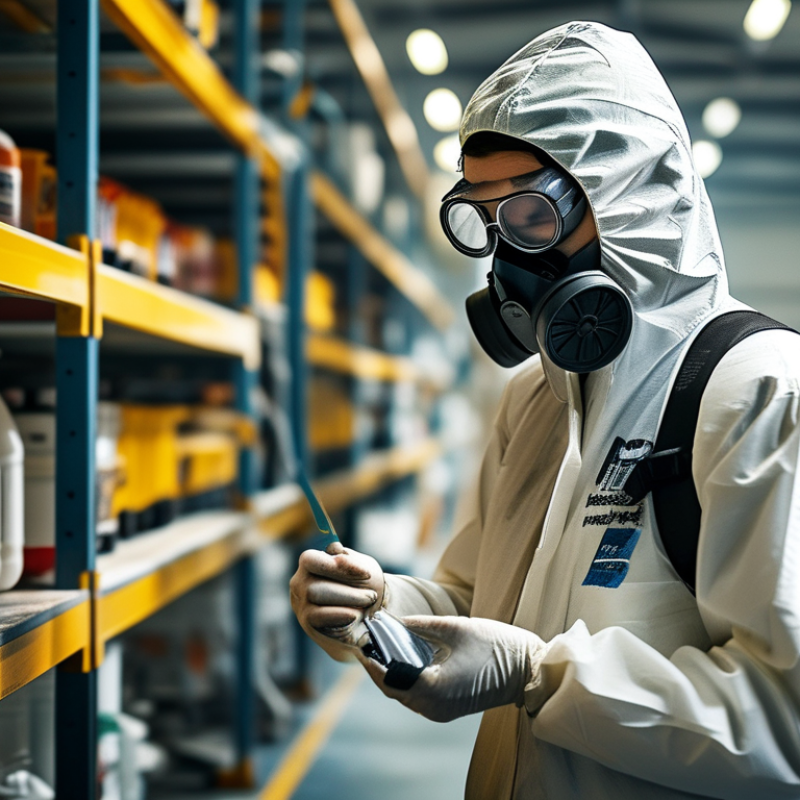
N-Methyl-2-pyrrolidone (NMP) is a powerful solvent widely used in various industries. Its effective solvency makes it suitable for applications in paint stripping, electronics cleaning, and polymer processing. According to a report by the European Chemicals Agency, NMP is classified as a substance of very high concern due to its potential health risks. Companies must balance its utility with safety awareness.
The physical properties of NMP enhance its performance. It has a high boiling point, low volatility, and excellent solubility for polar and non-polar substances. These characteristics make NMP effective for formulating coatings and adhesives. However, users should be cautious. Prolonged exposure can lead to skin irritation and reproductive toxicity. Proper personal protective equipment is necessary when using this solvent.
Usage practices are essential for safety. Ensure adequate ventilation in work areas. Spills should be cleaned immediately to prevent contact. In 2021, a study found that nearly 40% of workplace incidents with NMP resulted from inadequate safety training. Continuous education on handling this solvent is crucial. Awareness and training can reduce risks associated with NMP while maximizing its benefits in professional applications.
N-Methyl-2-pyrrolidone (NMP) is a widely used solvent in various industries. However, its safety profile raises serious concerns. Understanding toxicity is crucial. NMP can affect the skin, lungs, and reproductive system. Prolonged exposure may lead to neurological issues. Many workers underestimate these risks, often causing health complications.
To minimize these dangers, proper protective equipment is essential. Masks and gloves should be part of the routine. Ventilation in workspaces is critical. Poor airflow increases exposure levels. Being complacent about safety can have serious consequences. Regular training on NMP hazards is recommended to keep everyone informed.
Awareness of symptoms is vital. Early signs of exposure may include headache and dizziness. Long-term exposure can lead to more severe health issues. Workers must be vigilant about any changes in their health. Understanding the risks and implementing safety measures are key. Balancing productivity and safety is challenging but necessary.
When handling NMP (N-Methyl-2-Pyrrolidone), safety should always be a priority. Personal protective equipment (PPE) is essential. Workers should wear gloves to prevent skin contact. Goggles or face shields are crucial to shield eyes from splashes. A lab coat or suitable clothing will provide an additional layer of protection. Ensure all PPE fits properly to maximize safety.
Ventilation is another vital aspect. Working in a well-ventilated area helps reduce inhalation risks. Fume hoods or local exhaust systems can efficiently remove vapors. If these are unavailable, open windows or fans may improve airflow. However, relying solely on natural ventilation can be inadequate in many cases. Regular checks for any signs of inhalation exposure are necessary.
Monitoring the workspace is important too. Beyond using PPE and ensuring ventilation, maintain awareness of NMP's properties. Accidental spills or leaks can occur, making quick action essential. Keep spill kits nearby for emergencies. Reflect on past experiences to continuously improve safety practices. Sharing lessons learned can help create a safer environment.
N-Methyl-2-pyrrolidone (NMP) is widely used in various industrial applications, particularly for its solvent properties. Companies leveraging NMP must prioritize safety. A 2020 report by the National Institute for Occupational Safety and Health (NIOSH) highlights the importance of proper handling. Exposure to NMP can lead to skin irritations and respiratory issues.
To ensure safe usage, always wear appropriate personal protective equipment (PPE). This includes gloves, goggles, and respiratory protection to mitigate inhalation risks. Regular maintenance of ventilation systems in workplaces can significantly lower NMP concentration. It's crucial to monitor air quality frequently, particularly in confined spaces.
Another tip is to maintain clear labeling on containers. This not only aids in proper identification but also enhances awareness among employees regarding potential hazards. Training sessions focused on NMP safety should be conducted regularly. Despite best practices, incidents can still occur. A report by the Occupational Safety and Health Administration (OSHA) showed that misconceptions about NMP's safety can lead to unintentional exposure. Reflecting on these issues can drive improvements in safety culture within organizations.
N-Methyl-2-pyrrolidone (NMP) is a solvent with widespread industrial use. However, it significantly impacts the environment. Proper regulations are essential to minimize its effects. NMP can contaminate water and soil, posing risks to humans and wildlife.
Disposal of NMP requires careful consideration. It should never be poured down the drain or thrown in regular trash. Communities often have hazardous waste disposal days. Participate in these to ensure safe release into the environment. Always check local guidelines for specific disposal methods.
When using NMP, safety is crucial. Wear protective gear, including gloves and goggles. Ensure proper ventilation in your workspace to limit exposure. Consider using less harmful alternatives whenever possible. This may require extra research but can greatly benefit both health and the environment. Always prioritize sustainability in your practices.
This chart illustrates the environmental impact of N-Methyl-2-pyrrolidone (NMP) based on various key factors such as disposal methods and regulatory compliance. It highlights the importance of safe usage and awareness concerning environmental regulations.
: NMP stands for N-Methyl-2-pyrrolidone, a commonly used industrial solvent.
NMP can harm the skin, lungs, and reproductive system. Prolonged exposure may lead to neurological problems.
Workers should wear protective equipment like gloves and masks, ensuring proper ventilation in their workspace.
Symptoms can include headaches and dizziness, signaling potential exposure risks.
Good ventilation reduces inhalation risks and minimizes exposure to harmful vapors.
Immediate action is critical. Keep spill kits nearby and be prepared to respond quickly.
Never discard NMP down the drain. Use community hazardous waste disposal programs to ensure safe disposal.
Protective gear prevents direct contact with NMP, reducing the risk of health complications.
Yes, NMP can contaminate water and soil, potentially harming wildlife and human health.
Regular training helps keep everyone informed about risks and safety protocols, reinforcing a safe working environment.
The article titled "Nmp Solvent Tips for Optimal Usage and Safety Awareness" provides a comprehensive overview of NMP solvent, highlighting its properties and common applications in various industries. It addresses the health hazards associated with NMP, emphasizing the importance of understanding toxicity and exposure risks to ensure safety in its use.
Key safety guidelines are outlined, including the necessity of personal protective equipment (PPE) and adequate ventilation when handling NMP solvent. Moreover, the article discusses best practices for its usage in industrial settings to minimize risks. Finally, it touches upon the environmental impact of NMP, offering insights into relevant regulations and recommendations for proper disposal, reinforcing the need for responsible management in order to protect both human health and the environment.
Saier Chemical