China Top Heavy Aromatic Naphtha Solvent Suppliers?

Time:2026-09-07 Author:Sienna
0%

China’s heavy aromatic solvent market deserves closer attention than a simple supplier ranking suggests. Heavy Aromatic Naphtha Solvent is used in coatings, adhesives, rubber processing, printing inks, and industrial cleaning formulations. Its performance depends on more than aromatic content. Distillation range, density, flash point, sulfur level, color, and evaporation behavior can change the final result.

Petroleum specialist Dr. James G. Speight describes petroleum as “a complex mixture of hydrocarbons.” That short observation matters here. Each supplier may offer a similar product name, yet the material can behave differently in a resin blend or metal-cleaning bath. Reliable buyers should examine recent certificates of analysis, safety data sheets, production consistency, packaging quality, and export experience. A clear technical data sheet is useful. An independent laboratory check is better.

China has many capable producers and distributors, but “top” should not mean the largest website or the lowest quoted price. A dependable supplier should explain batch variation, loading conditions, storage guidance, and realistic delivery schedules. Samples should be tested under the buyer’s actual formulation conditions, not only reviewed on paper.

Some comparisons remain imperfect. Public supplier information may be incomplete, and product grades can change over time. That is why this guide focuses on verifiable technical details, practical experience, and transparent communication. The strongest supplier is not always the cheapest one. It is the partner that delivers consistent Heavy Aromatic Naphtha Solvent and responds responsibly when results do not match expectations.
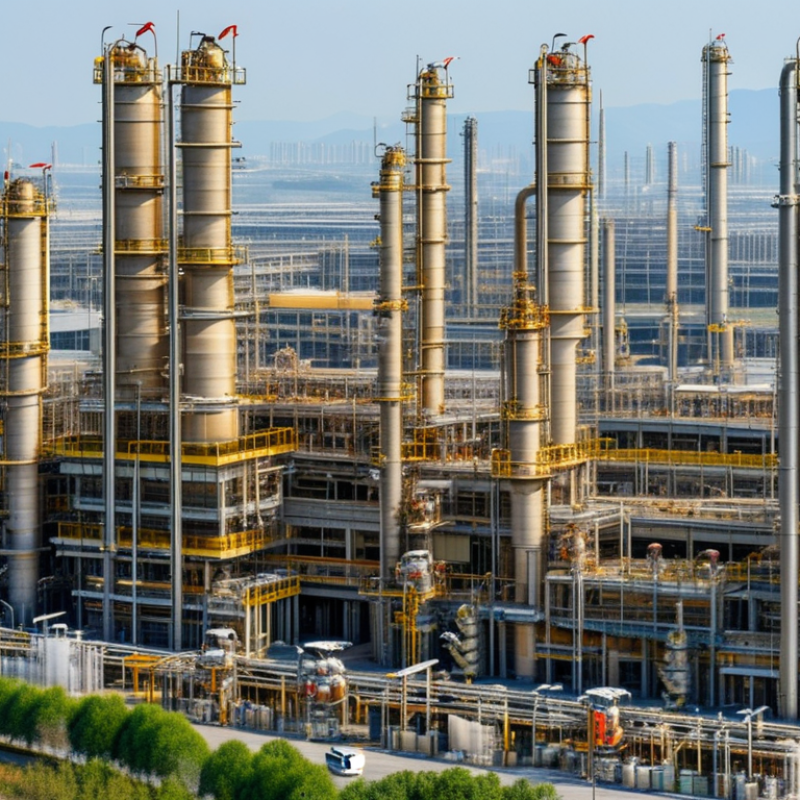
China Top Heavy Aromatic Naphtha Solvent Suppliers?

Heavy Aromatic Naphtha Solvents: Definition and Key Properties

Heavy Aromatic Naphtha Solvents: Definition and Key Properties

Heavy aromatic naphtha is a petroleum-derived solvent rich in C9–C12 aromatic hydrocarbons. Commercial grades usually contain limited paraffins and naphthenes. Their boiling ranges commonly fall between 160°C and 210°C, according to technical data compiled under ASTM D86 testing. Exact values vary by refinery feedstock and separation method.

High solvency is the main advantage. It helps dissolve resins, oils, alkyds, and rubber-related materials. The solvent also evaporates more slowly than light aromatic blends. This can improve flow and surface leveling in coatings.

Typical flash points often range from about 45°C to 70°C, based on ISO 2719 closed-cup test data. Handle it carefully.

The 2024 Global Solvents Market Outlook from several industry analysts links aromatic solvent demand with coatings, adhesives, and industrial cleaning. However, market estimates differ widely because product definitions are inconsistent. That is a real sourcing problem.

Buyers in China should request a recent certificate of analysis, sulfur data, density, distillation results, and aromatic content. A clear specification matters more than a broad product label.

Odor can also differ between batches, even when the boiling range looks acceptable. This detail is easy to overlook.

Supplier evaluation should include transport packaging, storage guidance, batch traceability, and compliance documentation.

Sodium? No. The solvent itself is not a single pure compound.

China’s Heavy Aromatic Naphtha Solvent Market Overview

China’s heavy aromatic naphtha solvent market is closely linked to refinery expansion, coatings, inks, adhesives, and rubber processing.

S&P Global Commodity Insights estimates China’s refining capacity at about 18.5 million barrels per day in 2024. This large base supports steady aromatic solvent availability, although supply varies by refinery configuration.

Heavy aromatic naphtha usually contains C9 and heavier aromatic hydrocarbons.

Buyers should check boiling range, aromatic content, flash point, sulfur, water, and color. China Customs data under HS 270750 offers useful trade clues, but the code also includes broader aromatic hydrocarbon mixtures. It is not a perfect market measure.

Regional supply is concentrated near coastal refining and petrochemical hubs.

Jiangsu, Zhejiang, Shandong, and Guangdong offer stronger logistics and storage networks. ICIS market assessments show that freight, feedstock costs, and refinery operating rates can quickly change spot prices. Contract prices may look calmer.

Documentation matters.

Reliable suppliers should provide recent certificates of analysis, safety data sheets, batch traceability, and consistent packaging records. Sample testing remains sensible. Heavy aromatic solvents can vary between batches. That small difference can affect drying time, viscosity, and odor in finished products.

The market is growing, but the picture is not perfectly clean.

Public reports rarely separate heavy aromatic naphtha from the wider solvent category. Buyers should compare technical data, delivery history, and verified production capacity rather than relying on rankings alone.

Leading Supplier Types and Manufacturing Capabilities

For buyers comparing China’s heavy aromatic naphtha solvent suppliers, supplier type matters as much as quoted price. Integrated petrochemical producers usually control feedstock selection, fractionation, and storage. Their scale can support stable monthly volumes. Regional refineries may offer competitive pricing and flexible loading schedules. However, product consistency can vary between production campaigns. Specialty solvent manufacturers often purchase aromatic fractions, then refine, blend, and package them for specific industrial applications.

Manufacturing capability should be checked through practical evidence. Look for controlled distillation systems, sulfur reduction processes, and reliable boiling-range management. A capable producer can provide a clear specification for aromatic content, density, flash point, color, and distillation temperature. Batch samples should match the technical data sheet. They should not merely look similar on paper. Modern laboratories commonly use gas chromatography, density meters, and closed-cup flash testing. Ask how often instruments are calibrated and how retained samples are stored.

Export-ready suppliers should also demonstrate safe tank storage, drum or ISO tank filling, and traceable batch coding. Technical teams with solvent experience can recommend suitable grades for coatings, inks, adhesives, or cleaning formulations. Yet communication quality is often overlooked. Slow answers may signal weak internal coordination. I would request recent test reports, production photos, loading procedures, and a small trial shipment before approving regular orders. One limitation remains: published capacities may describe total plant output, not available solvent capacity. Verify the actual allocation.

China Top Heavy Aromatic Naphtha Solvent Suppliers? - Leading Supplier Types and Manufacturing Capabilities

Supplier-type comparison and typical commercial specifications for heavy aromatic naphtha solvents manufactured or supplied in China.

Supplier Type Typical Feedstock Main Manufacturing Route Typical Product Range Aromatic Content Density at 15°C Flash Point Boiling Range Manufacturing Capabilities Best-Fit Applications
Integrated petrochemical producers Reformate, pyrolysis gasoline, and other aromatic-rich refinery streams Fractional distillation, hydrofinishing, and selective stripping Heavy aromatic solvent, commonly CAS 64742-94-5 or equivalent refinery-derived grades Typically 80–100 wt% Approximately 0.87–0.90 g/cm³ Typically above 50°C, depending on grade and test method Approximately 160–220°C Large-volume production, consistent batch control, custom boiling cuts, bulk loading, and export documentation Coatings, agrochemical formulations, printing inks, adhesives, and industrial cleaning
Refinery solvent producers Heavy reformate and aromatic extraction fractions Multi-stage distillation with controlled cut-point selection Standard, low-odor, low-sulfur, and narrow-boiling heavy aromatic grades Usually 85–99 wt% Approximately 0.86–0.90 g/cm³ Generally 45–70°C Approximately 170–210°C Flexible distillation cuts, odor reduction, color control, low-sulfur processing, and customer-specific specifications High-solids coatings, sealants, crop-protection products, and resin manufacture
Aromatic extraction and fractionation specialists Aromatic-rich refinery streams separated through solvent extraction or distillation Extraction, fractionation, clay or hydrotreatment polishing, and final filtration High-aromatic, low-olefin, low-water, and low-impurity solvent grades Commonly 90 wt% or higher Approximately 0.87–0.91 g/cm³ Typically above 50°C Approximately 165–215°C High-purity fractionation, trace impurity reduction, tight distillation control, and laboratory release testing Specialty coatings, industrial formulations, pesticide concentrates, and polymer processing
Blending and toll-manufacturing suppliers Purchased aromatic fractions combined with approved hydrocarbon streams Metered blending, filtration, homogenization, and repackaging Application-specific blends adjusted for solvency, evaporation, odor, or flash point Typically 70–95 wt%, depending on formulation Approximately 0.84–0.90 g/cm³ Typically 40–70°C Approximately 150–220°C Small and medium batch production, private specifications, drum or IBC filling, and flexible order quantities Formulation development, general coatings, ink systems, cleaning agents, and private-label industrial products
Export-oriented chemical distributors Domestic refinery and solvent production sources Quality verification, storage, order consolidation, and international logistics Multiple standard grades sourced from qualified Chinese producers Usually stated on the original producer's certificate of analysis Usually 0.85–0.90 g/cm³ for heavy aromatic grades Grade-dependent; commonly above 45°C Grade-dependent; commonly 160–220°C Container, flexitank, ISO tank, drum, and IBC supply; document coordination and mixed-order handling Importers, regional distributors, smaller users, and buyers requiring consolidated shipments
Specialty low-odor solvent manufacturers Hydrotreated aromatic fractions and selected heavy reformate cuts Hydrotreatment, fractionation, odor reduction, and fine filtration Low-odor or low-impurity heavy aromatic solvent grades Typically 80–98 wt% Approximately 0.86–0.90 g/cm³ Generally 50–80°C Approximately 170–220°C Odor control, sulfur reduction, narrow product control, technical support, and application testing Indoor coatings, adhesives, agricultural formulations, and applications with odor sensitivity
Integrated suppliers with downstream packaging Refinery-derived heavy aromatic fractions or internally produced solvent grades Distillation or blending followed by automated filling and warehouse distribution Bulk solvent, 25–200 kg drums, IBCs, and customized shipment formats Typically 80–99 wt% Approximately 0.85–0.90 g/cm³ Commonly above 45°C Approximately 160–220°C Automated packing, batch traceability, warehouse stock programs, export labeling, and dangerous-goods documentation Paint and coatings manufacturers, chemical traders, contract formulators, and overseas industrial users

Typical purchasing checkpoints

Confirm the exact boiling range, aromatic content, density, flash point, sulfur, water, color, non-aromatic content, packaging format, certificate of analysis, safety data sheet, and applicable transport requirements before placing an order. Values shown are representative commercial ranges rather than specifications for any individual supplier or product.

Quality Standards, Grades, and Product Specifications

China’s heavy aromatic naphtha solvent suppliers serve coatings, adhesives, inks, and industrial cleaning applications. Product quality depends on measurable specifications, not only attractive pricing. Buyers should request a current certificate of analysis for every production batch.

Common grades differ by distillation range, aromatic content, density, flash point, and evaporation behavior. A typical heavy grade may show a higher boiling range and slower evaporation than lighter aromatic solvents. Check initial boiling point, final boiling point, water content, sulfur, color, and non-volatile residue. Small differences can change coating flow and drying time. They matter.

Reliable suppliers usually maintain documented quality systems, controlled storage, and batch traceability. Ask whether testing uses recognized ASTM, ISO, or equivalent national methods. The certificate should identify test methods, limits, actual results, production date, and lot number. A safety data sheet should match the supplied grade and current transport requirements. Supplier audits and independent laboratory checks can reveal gaps that paperwork misses.

Technical discussions should also cover packaging, loading controls, shelf life, and contamination prevention. Tankers and drums need clean, dry interiors. It sounds basic. It is often overlooked. A supplier may report excellent aromatic purity, yet provide limited data on residue or odor. That is a weakness worth questioning. Trial quantities, application testing, and retained samples give buyers stronger evidence before regular purchasing. Specification alignment should be written clearly, because “heavy aromatic naphtha” is not one universal composition.

How to Evaluate and Select a Reliable Chinese Supplier

Evaluating a Chinese heavy aromatic naphtha solvent supplier requires more than comparing FOB prices. Start with the product specification, including aromatic content, distillation range, density, flash point, sulfur, water, and color. Ask for a recent certificate of analysis and safety data sheet. Numbers must match. Confirm whether results come from an accredited laboratory or internal testing. A polished brochure is not evidence.

Request a representative sample from the proposed production batch, not only a hand-selected laboratory sample. Test it through an independent laboratory before placing a large order. Compare viscosity, evaporation behavior, odor, and residue under your actual application conditions. Samples can mislead. Check batch traceability, storage conditions, drum or tank cleanliness, and protection from moisture. A reliable supplier should explain quality deviations openly rather than promise perfect consistency.

Review the factory’s quality system, export experience, production capacity, and emergency response process. Video meetings help, but an independent audit provides stronger evidence. Verify business registration, inspection records, packaging photographs, and shipping documents. Discuss lead times, minimum order quantities, Incoterms, payment protection, and claim procedures in writing. Keep communication records. Do not accept vague answers about origin or specifications. One practical mistake is choosing the lowest quotation before calculating testing, port handling, delays, and rejected-batch costs. A dependable supplier may not be the cheapest, but should provide clear documents, stable batches, and realistic delivery commitments.

FAQS

: What is heavy aromatic naphtha solvent?

: It is a petroleum-derived solvent containing mainly C9–C12 aromatic hydrocarbons. It is not a single pure compound.

What boiling range is typical?

Many grades boil between 160°C and 210°C. Exact temperatures depend on feedstock and separation methods. Check the current distillation report.

Why is its solvency considered strong?

It can dissolve resins, oils, alkyd materials, and rubber-related substances. This makes it useful in coatings, adhesives, inks, and industrial cleaning.

Does it evaporate quickly?

Usually, it evaporates more slowly than lighter aromatic blends. This may improve coating flow and surface leveling. Drying can also take longer.

What safety detail deserves attention?

Typical flash points range from about 45°C to 70°C. Keep the solvent away from ignition sources. Handle it carefully.

Which quality data should buyers request?

Request aromatic content, density, sulfur, water, color, residue, and distillation results. The certificate should show test methods, actual values, production date, and lot number.

Can two batches smell different?

Yes, odor can vary between batches. A similar boiling range does not guarantee identical odor. That detail is easy to overlook.

How should suppliers be evaluated?

Review storage controls, packaging cleanliness, transport guidance, traceability, and compliance documents. Trial quantities and retained samples can expose hidden differences. Paperwork alone is not enough.

What should be checked before regular purchasing?

Confirm the written specification and test a small quantity in the intended formulation. Check flow, drying time, residue, and compatibility. One weakness remains: broad product labels can hide real composition differences.

Conclusion

Heavy Aromatic Naphtha Solvent is a petroleum-derived solvent valued for its strong solvency, controlled evaporation rate, and compatibility with coatings, adhesives, inks, rubber products, and industrial formulations. Its performance is commonly assessed through aromatic content, boiling range, flash point, density, color, sulfur level, and residue characteristics. In China, the market includes large petrochemical producers, specialized solvent manufacturers, and capable distributors that serve both domestic and export customers with different grades and packaging options.

Reliable suppliers typically provide stable production capacity, consistent batch quality, technical documentation, and flexible customization. Buyers should compare product specifications, testing methods, safety documentation, production equipment, quality-management procedures, logistics capability, and after-sales technical support. It is also important to confirm whether the supplier can maintain consistent supply, meet agreed delivery schedules, and provide representative samples before long-term cooperation. A careful evaluation of quality, compliance, communication, and total cost can help purchasers select a dependable Chinese source for Heavy Aromatic Naphtha Solvent.

Sienna

Sienna

Sienna is a skilled marketing professional with a deep expertise in our company’s core products and services. With a passion for innovation and detail, she plays a pivotal role in crafting insightful blog posts that not only highlight the unique features of our offerings but also provide valuable......