Saier Chemical
1 / 2
This product is widely utilized in the production of pyromellitic acid dianhydride and pharmaceutical intermediates. It extends downstream to manufacture high-performance polyimide resin, plasticizers, dyes, and surfactants.
| Series | Item | Specification | Test Method | ||
|---|---|---|---|---|---|
| Premium Grade | First Grade | Second Grade | |||
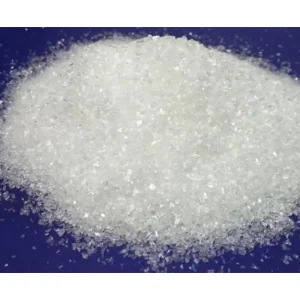
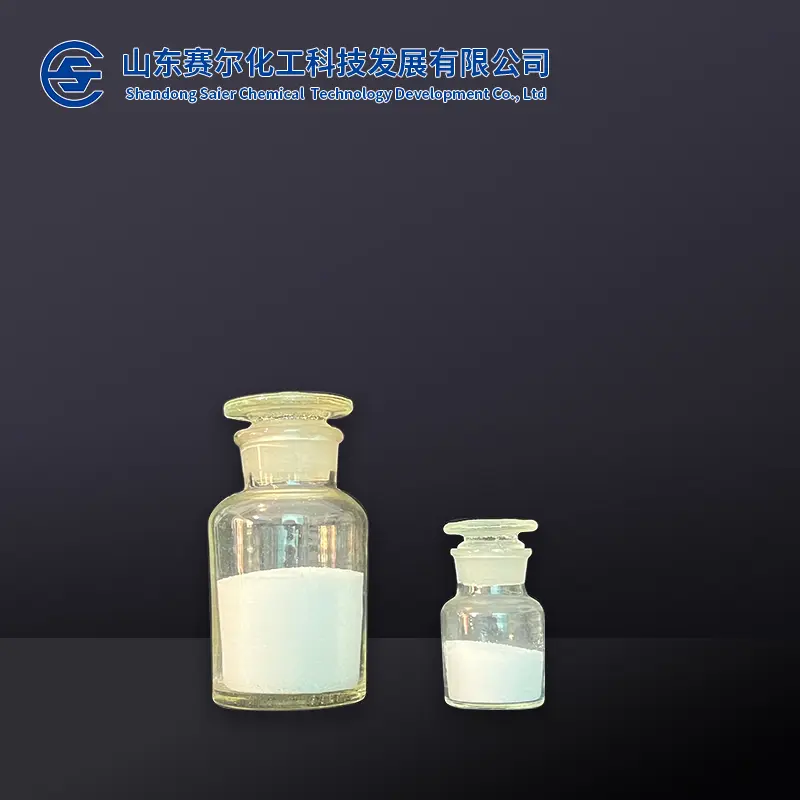
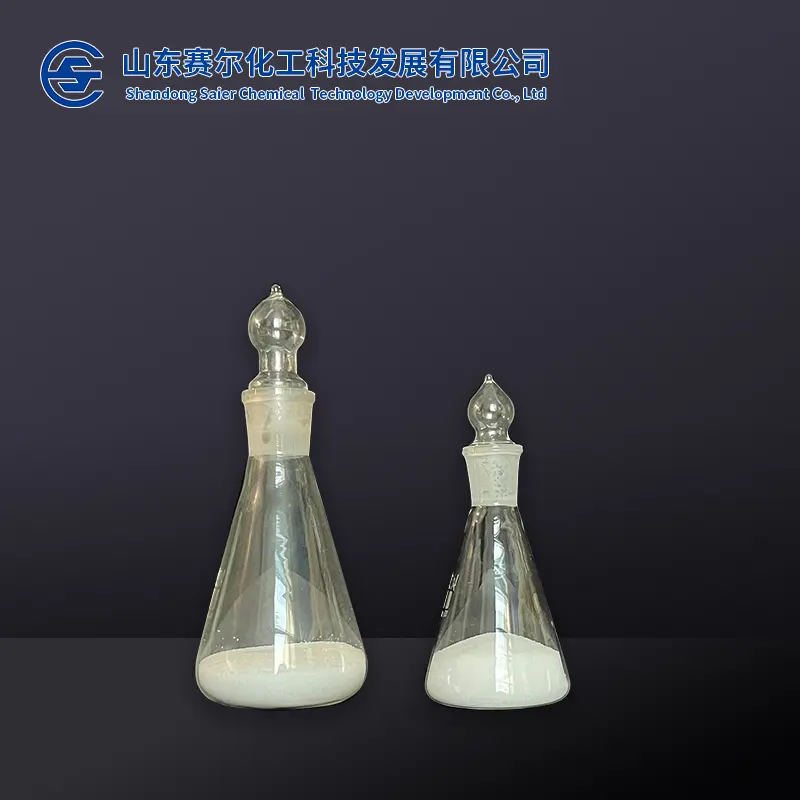
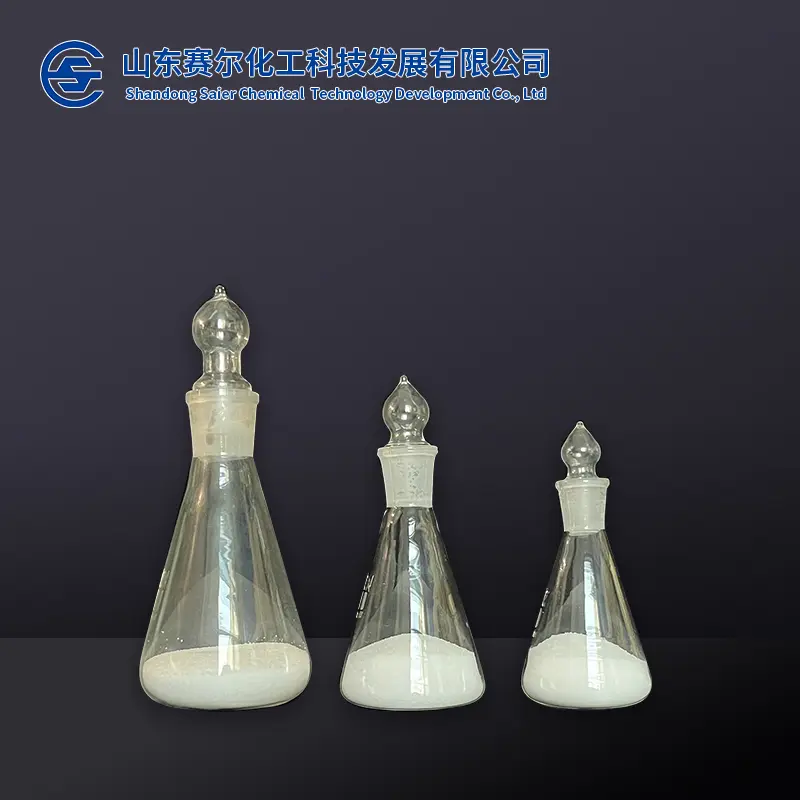
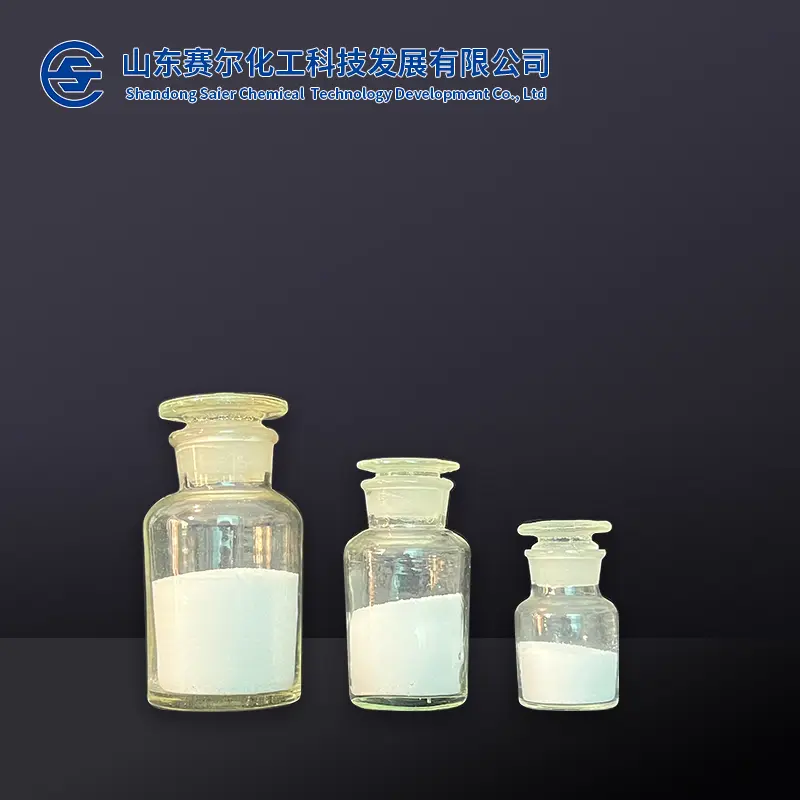
| 1 | Appearance | White Crystal | White Crystal | Yellowish or White Crystal | Visual |
| 2 | Melt Point, ℃ | 77.9 Min | 77.5 Min | 76.9 Min | GB/T 3069.2 |
| 3 | Purity, % | 99 Min | 97 Min | 95 Min | SH/T 1822 |
This product is one of three isomers of tetramethylbenzene: 1,2,3,4-tetramethylbenzene and 1,2,3,5-tetramethylbenzene are the other two. The high melting point of Durene/1,2,4,5-Tetramethylbenzene (79.2°C) directly reflects the high degree of structural symmetry of its molecules.
It is mainly used as an intermediate for producing pyromellitic acid dianhydride and pharmaceutical products, extending to downstream products like polyimide resins, plasticizers, dyes, and surfactants.
The high melting point (79.2°C) is due to the highly symmetrical configuration of its molecular structure compared to its other isomers.
The standard packaging is a 25KG plastic woven bag, which ensures safe containment and easy transport handling.
The Premium Grade features a minimum purity of 99%, tested using the standardized SH/T 1822 test method.
In addition to 1,2,4,5-tetramethylbenzene (Durene), the other two chemical isomers are 1,2,3,4-tetramethylbenzene and 1,2,3,5-tetramethylbenzene.
The melting point is determined via the GB/T 3069.2 standard test method, guaranteeing a minimum melt point of 77.9°C for the Premium Grade.