Explore our highly-refined aromatic hydrocarbon solvents and fine intermediates engineered for critical global manufacturing processes.
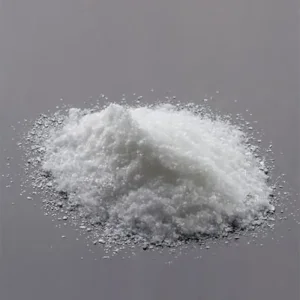
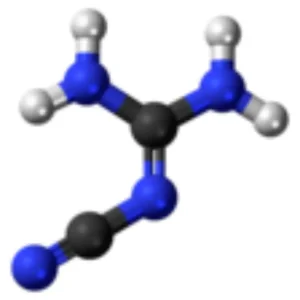
A comprehensive analysis of heavy aromatic solvents, global supply dynamics, and downstream processing applications.
Aromatic hydrocarbons (often term-associated with aromatic hydrogen architectures in refined streams) are cyclic, planar hydrocarbons containing alternating double and single bonds. The unique structural stability afforded by resonance—often referred to as aromaticity—gives these compounds high solvating power, thermal stability, and chemically responsive pathways. In the industrial petrochemical landscape, heavy aromatic solvents such as S100, S150, S180, and S200 are composed predominantly of C9-C12 alkylbenzene isomers, indanes, tetralins, and naphthalene-related derivatives.
Unlike aliphatic alternatives, heavy aromatic solvents possess incredibly high Kauri-Butanol (KB) values, which typically exceed 90. This makes them ideal for dissolving tough polymer matrix structures, agricultural active ingredients (APIs), and complex resin formulations. They display low volatility, high boiling points (ranging from 160°C to well over 290°C), and high flash points, satisfying crucial safety parameters for industrial processes. The global demand for these heavy aromatics continues to climb, driven by their critical applications in pesticide formulations, automotive baking coatings, advanced screen printing inks, and as precursors to super-performance polyimides.
Saier Chemical secures high-purity C9, C10, and C12 crude cuts directly from national conglomerates like Sinopec, PetroChina, ChemChina, Zhejiang Petrochemical, and Hengli Petrochemical. This high-grade feedstock yields solvents with low sulfur content, optimal boiling curves, and consistent specific gravity, meeting strict global standards.
Established in December 2004 and situated at No.207, WeiLiu Road, Qilu Chemical Industrial Park, Linzi, Zibo City, Shandong Province, Shandong Saier Chemical Technology Development Co., Ltd. has developed into an industry pioneer. Guided by a robust strategic vision and supported by a registered capital of 60 million yuan, the company originally focused on high-boiling aromatic solvents, including S-100, S-150, S-150ND, S-180, and S-200. Over two decades, Saier Chemical has successfully integrated its production channels, establishing an annual production capacity of 720,000 tons. Its reach extends beyond China's major industrial hubs to global markets across Asia, Europe, the Americas, and Southeast Asia.
As market demands evolved toward sustainability, the company underwent a strategic transformation. Recognizing that "Product is the soul, Service is the foundation, Professionalism is the core, and Efficiency is the key," Saier invested heavily in continuous distillation technologies. This resulted in its recognition as a National High-Tech Enterprise, which catalyzed the development of eco-friendly, low-naphthalene (ND) solvents and high-purity fine chemical intermediates.
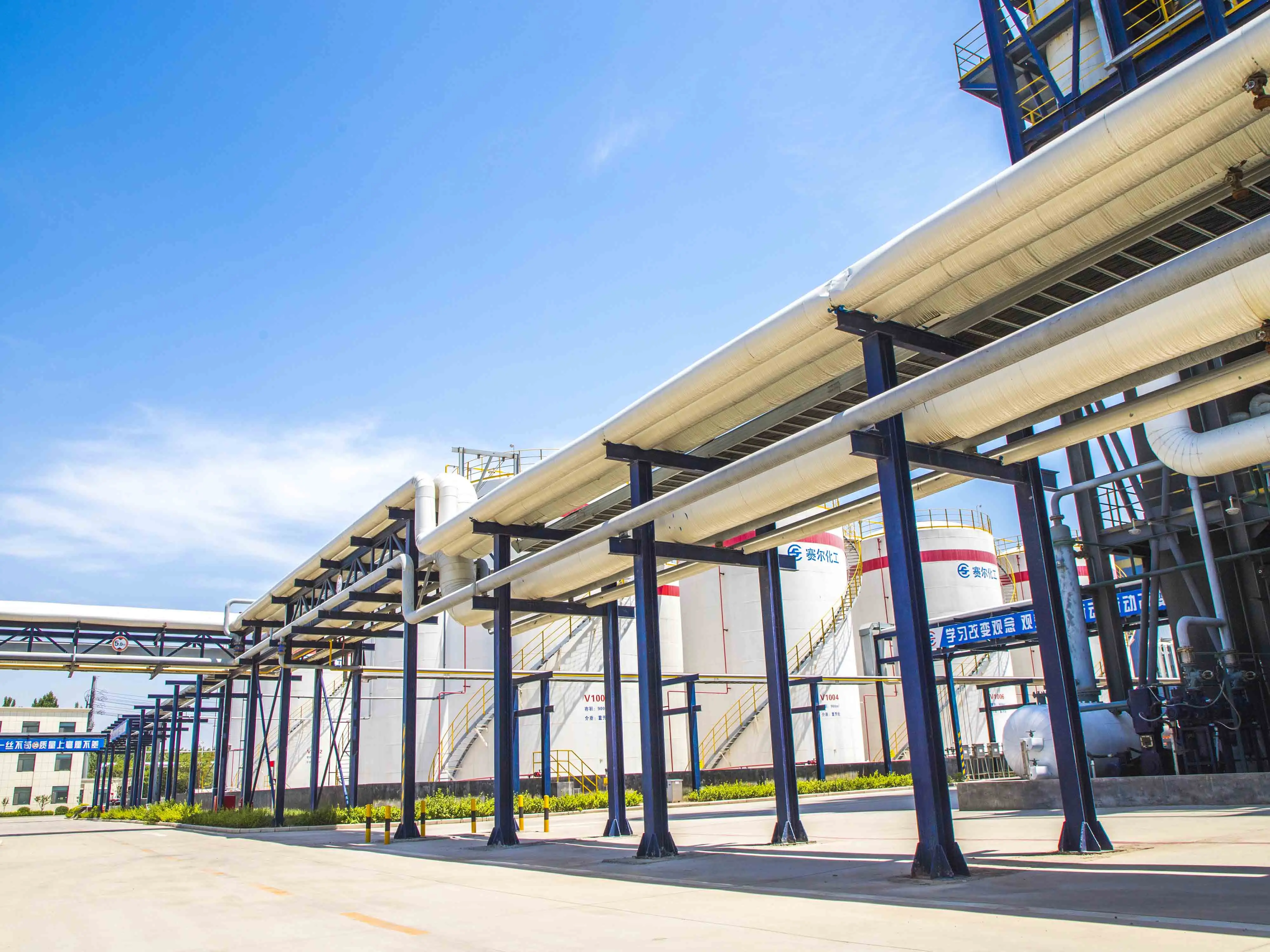
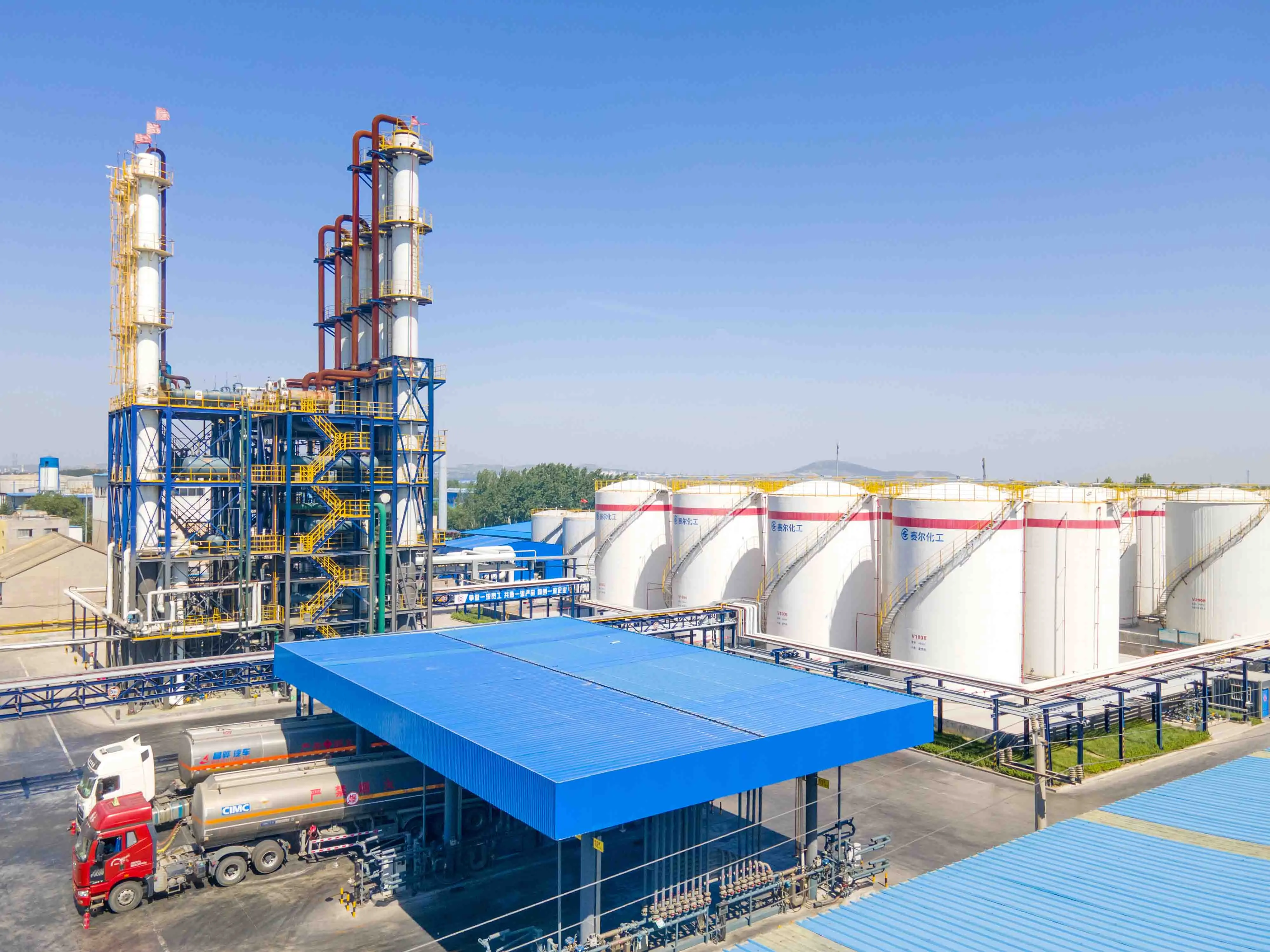
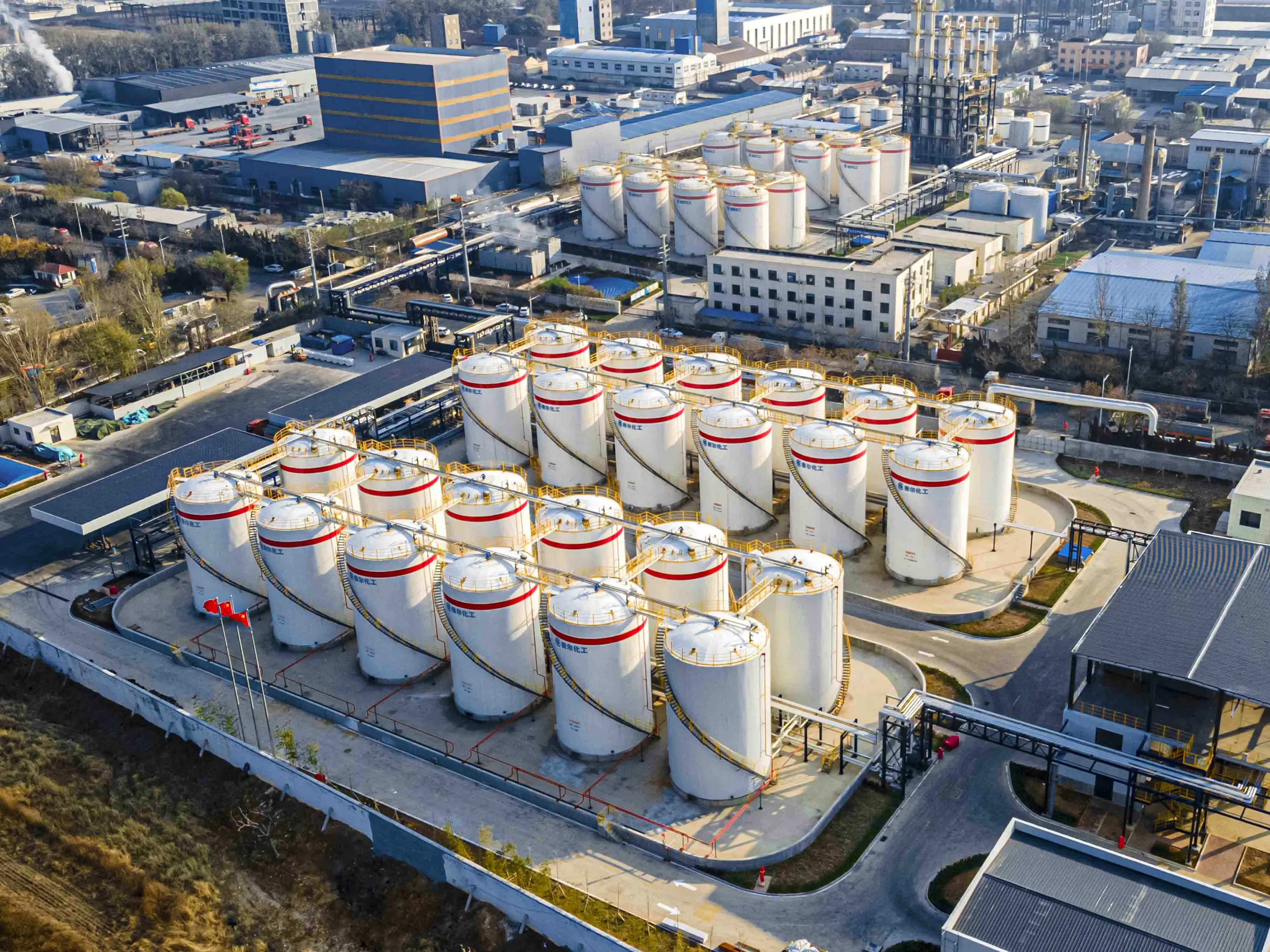
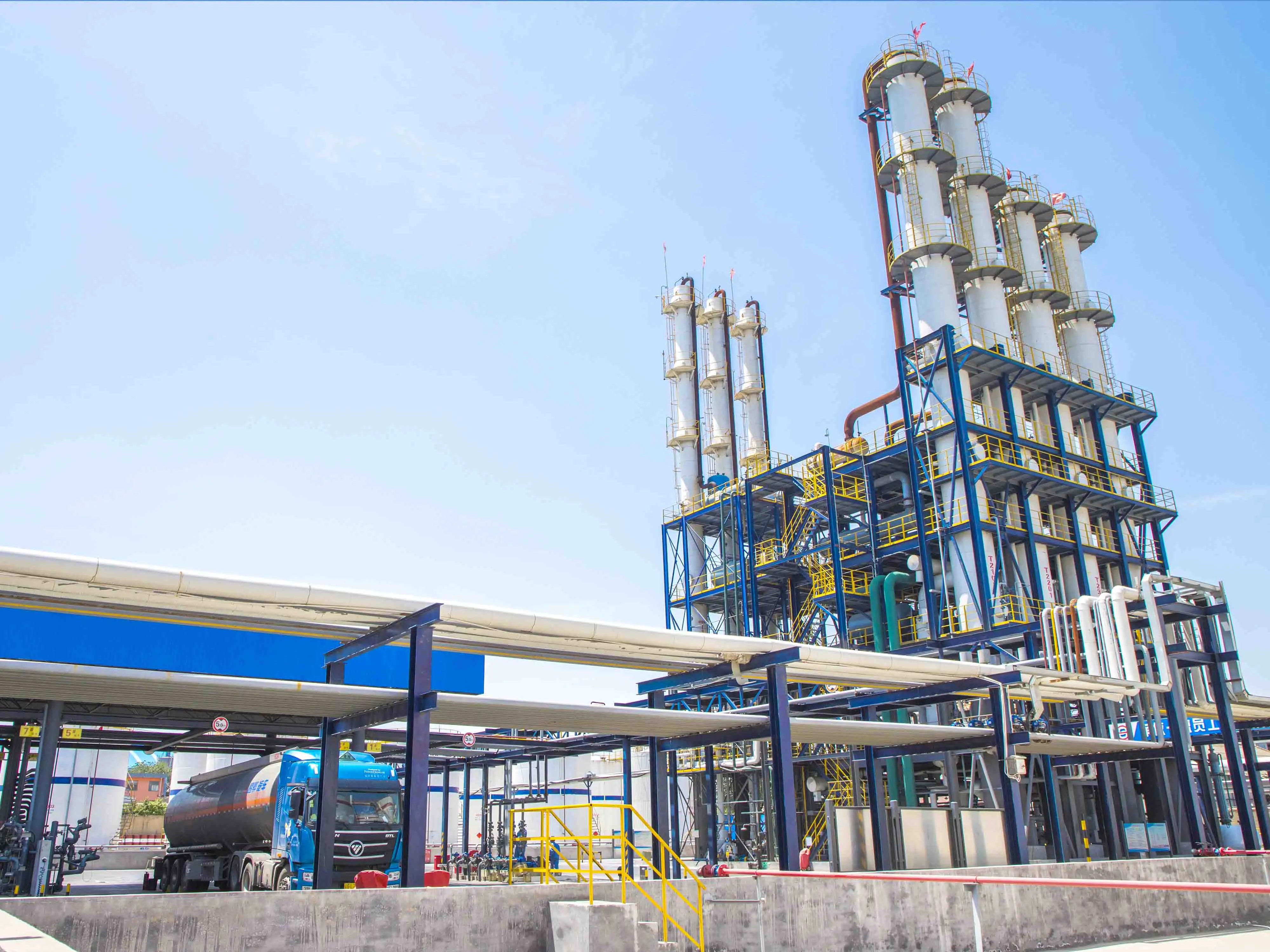
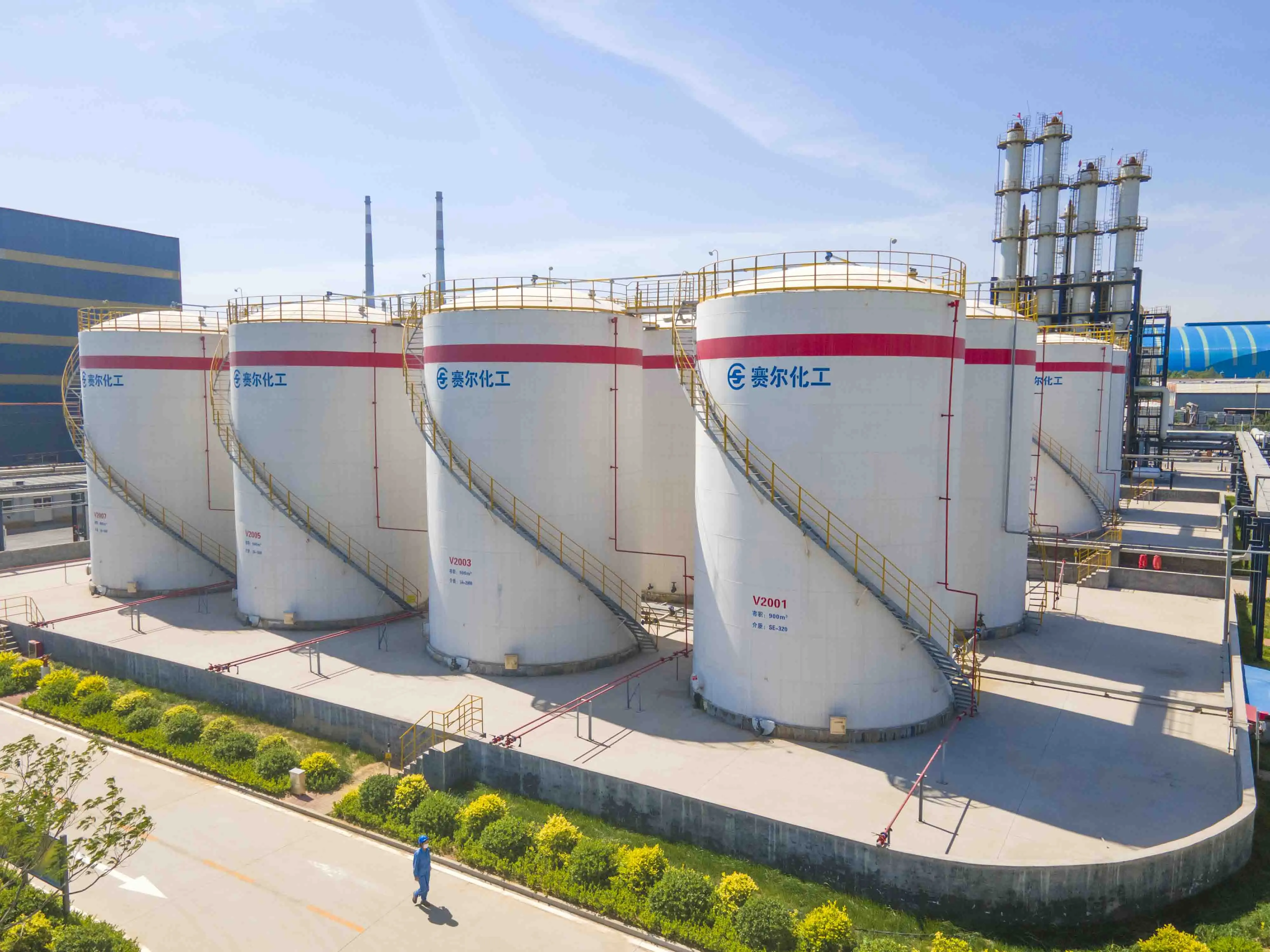
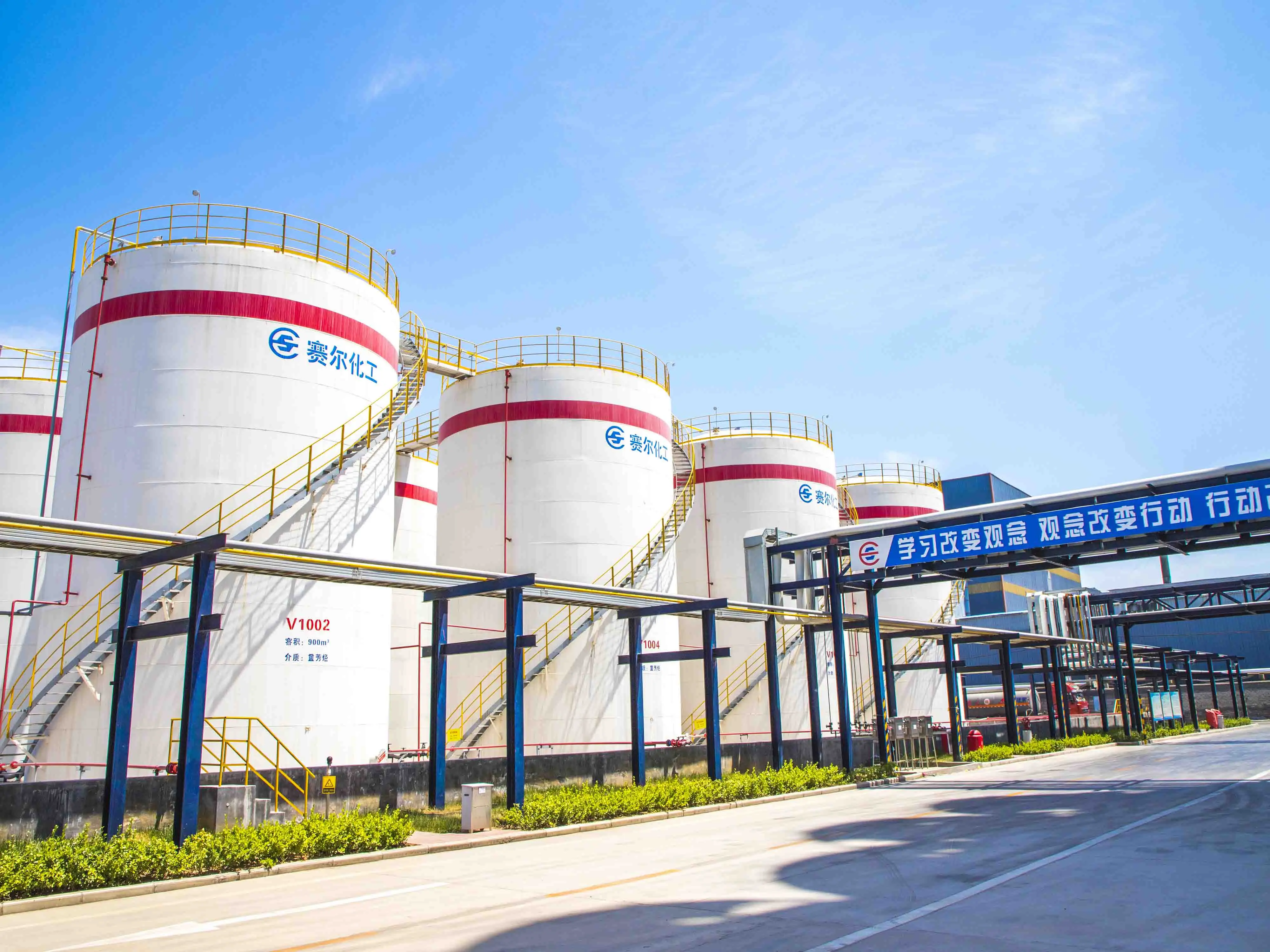
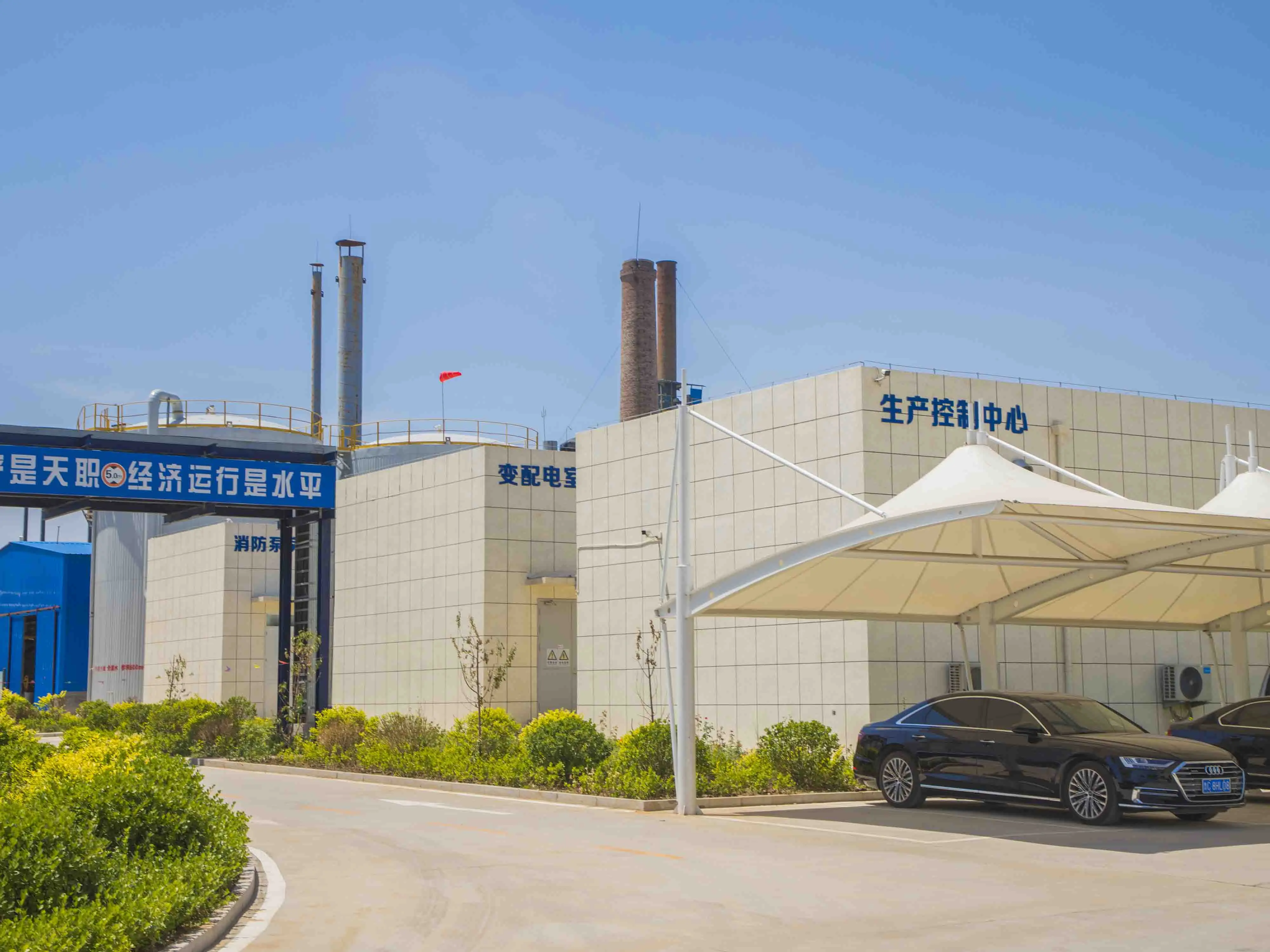
A visual insight into Saier Chemical's modern refining facilities, office environments, and technical standard compliance setups.
Modern industrial chemistry operates under stringent regulatory frameworks. The transition towards green solvents has transformed the heavy aromatic hydrocarbon sector. In North America and Europe, guidelines set by EPA and REACH require solvents used in consumer-facing and agricultural sectors to have minimal toxicity profiles. This has driven the demand for Naphthalene-Depleted (ND) Aromatic Solvents.
Naphthalene is a naturally occurring component in C10-C12 aromatic streams. However, due to its classification as a potential human carcinogen, formulations require naphthalene levels to be below 1% or even 0.1% to avoid warning labels. Achieving this separation requires high-precision distillation. Shandong Saier Chemical meets this demand through its multi-stage fractionating columns, which isolate and remove naphthalene while retaining the solvent's core solvency power.
By using continuous distillation processes, our S100 and S150 solvents display uniform boiling curves and minimal heavy residues. This reduces fouling in industrial baking ovens and increases emulsification stability in agrochemicals.
We leverage our aromatic feedstocks to synthesize high-value intermediates, including Pyromellitic Acid (PMA) and Triazole derivatives, supporting global agrochemical and high-tech electronic sectors.
To optimize performance across different industrial setups, selecting the appropriate solvent fraction is essential. The following specifications illustrate Saier Chemical's primary offerings:
Shandong Saier Chemical's competitive edge is bolstered by its location within the Qilu Chemical Industrial Park in Zibo, Shandong. This strategic position offers several key advantages:
Our facility features advanced fractional columns engineered to handle heavy raw hydrocarbon fractions. With automated monitoring systems, we control distillation ranges to within 5°C variances, guaranteeing batch-to-batch consistency for international markets.
Product is the soul, Service is the foundation, Professionalism is the core, Efficiency is the key.
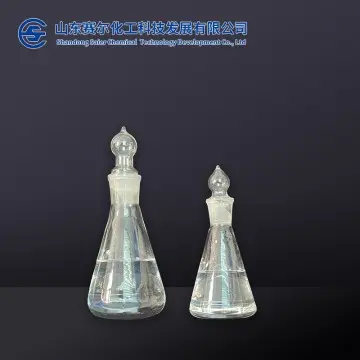
Fig 1. High-Purity Aromatic Solvent S100 Refining Assembly
The application of aromatic solvents varies across global regions. In South America, where agricultural production is highly consolidated, heavy aromatics like S150 and S200 are critical carriers for crop protection formulations. Their high solvency ensures pesticide concentrates remain stable in diverse storage conditions without crystallizing.
In Europe and North America, environmental regulations drive the demand for Naphthalene-Depleted (ND) formulations. In response, Saier Chemical supplies specialized solvents that meet these requirements. In the Asian electronics sector, our high-purity PMA and Durene intermediates support the manufacturing of polyimides for semiconductor packaging and display panels.
Exporting chemical intermediates requires strict quality control. Saier Chemical operates analytical testing facilities equipped with Gas Chromatography (GC) and mass spectrometers. We test every batch for key quality parameters:
In-depth technical clarifications concerning product performance, compliance, and international procurement logistics.
The differences lie primarily in their carbon distribution profiles, distillation ranges, and flash points. S100 is composed mainly of C9-C10 hydrocarbons with a distillation range of 160-180°C and a flashpoint above 40°C. S150 contains C10-C11 molecules with a distillation range of 180-210°C and a higher flashpoint (>62°C). S200 consists of C11-C12 hydrocarbons, providing a distillation range of 230-290°C and a flashpoint above 100°C. Choosing the right solvent depends on the required evaporation rate and solvency needs.
Naphthalene is classified as a hazardous air pollutant and potential carcinogen in many jurisdictions. Standard C10 aromatic streams contain up to 10% naphthalene. Naphthalene-Depleted (ND) versions limit naphthalene levels to below 1.0 wt% or 0.1 wt%, allowing formulators to comply with strict environmental and health regulations without compromising solvency.
Durene (1,2,4,5-tetramethylbenzene) is the primary starting material for Pyromellitic Acid (PMA) and Pyromellitic Dianhydride (PMDA). Through selective oxidation, Durene is oxidized to form PMA, which is then dehydrated to produce PMDA. PMDA is a key monomer used to manufacture high-performance polyimide (PI) films.
To ensure safety during transit, we offer several packaging options. This includes ISO Tanks (holding approximately 20-24 metric tons), heavy-duty steel drums (200L, 190 kg net weight), and Intermediate Bulk Containers (IBCs). We can also apply a nitrogen blanket to prevent oxidation.
Both compounds are critical nitrogen heterocycle intermediates. 1,2,4-Triazole is widely used in synthesizing systemic triazole fungicides, which protect crops from rust and mildew. 1,2,3-Triazole serves as a key building block for pharmaceutical agents and specialty industrial applications.
L-QC320 is a high-performance heat transfer oil designed for liquid-phase forced circulation systems. It exhibits high thermal stability at operating temperatures up to 320°C. It resists thermal cracking and oxidation, minimizing coke formation and extending system service life.
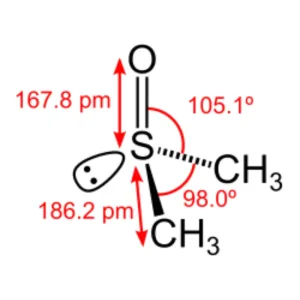
DMSO (CAS 67-68-5) is a highly polar, aprotic solvent. In electronics, it is used in photoresist stripping formulations because of its high dissolution rate, low toxicity, and clean rinsing profile, which helps minimize residue on silicon wafers.
Operating within an integrated industrial park allows us to receive feedstock directly via pipelines from Sinopec and other major refiners. This minimizes raw material transport costs and degradation, ensures consistent chemical quality, and provides competitive pricing for global customers.
Explore further specialized intermediates, thermal fluids, and refined solvents essential for global chemical supply chains.
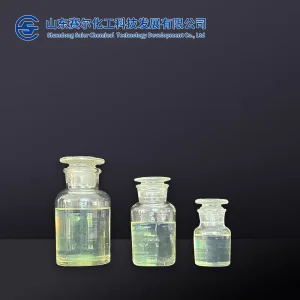
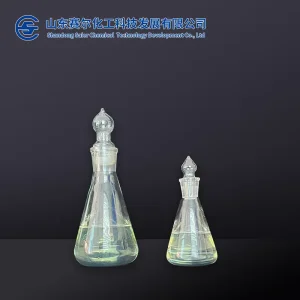
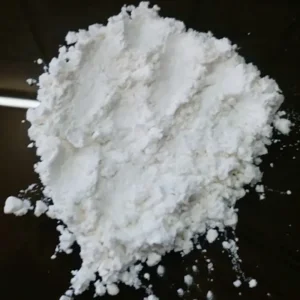
Innovating with 720,000-ton capacity, backed by quality manufacturing and sustainable operations.
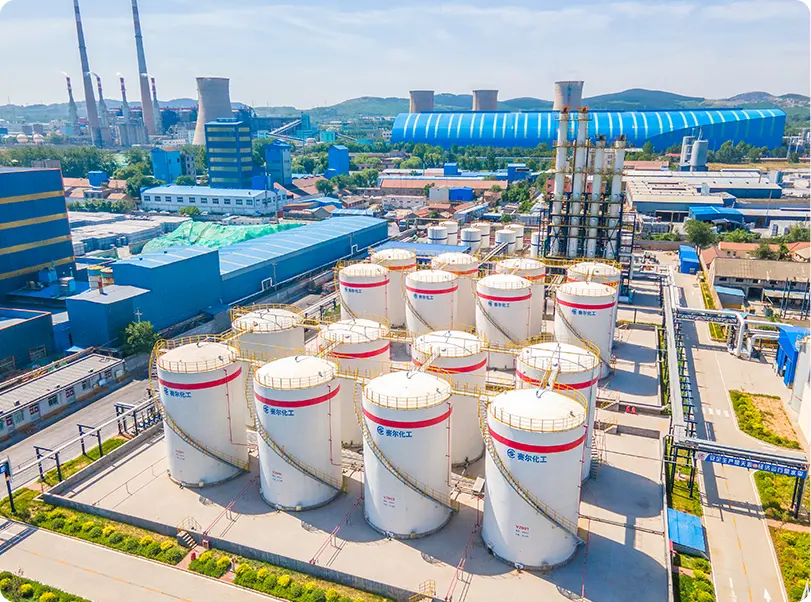
Shandong Saier Chemical operates continuous fractionating towers to separate complex C9-C12 aromatic feedstocks with precise boiling point parameters.
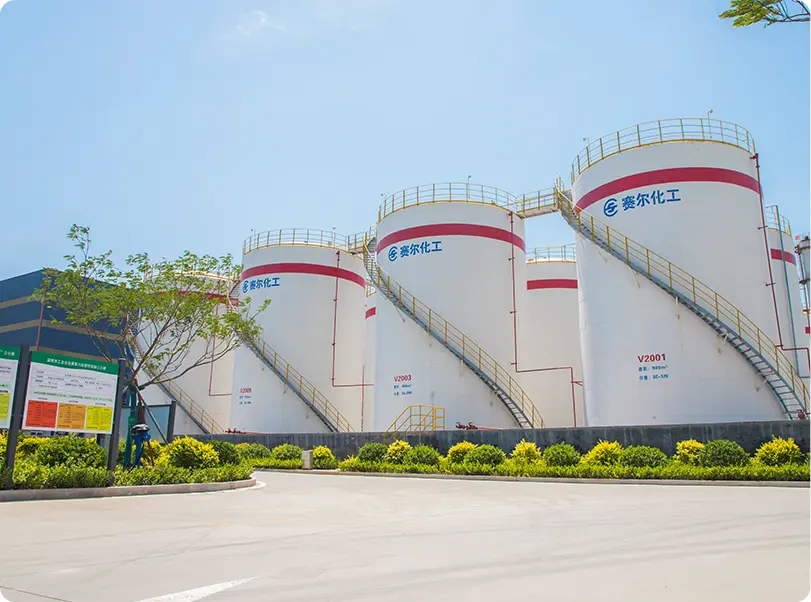
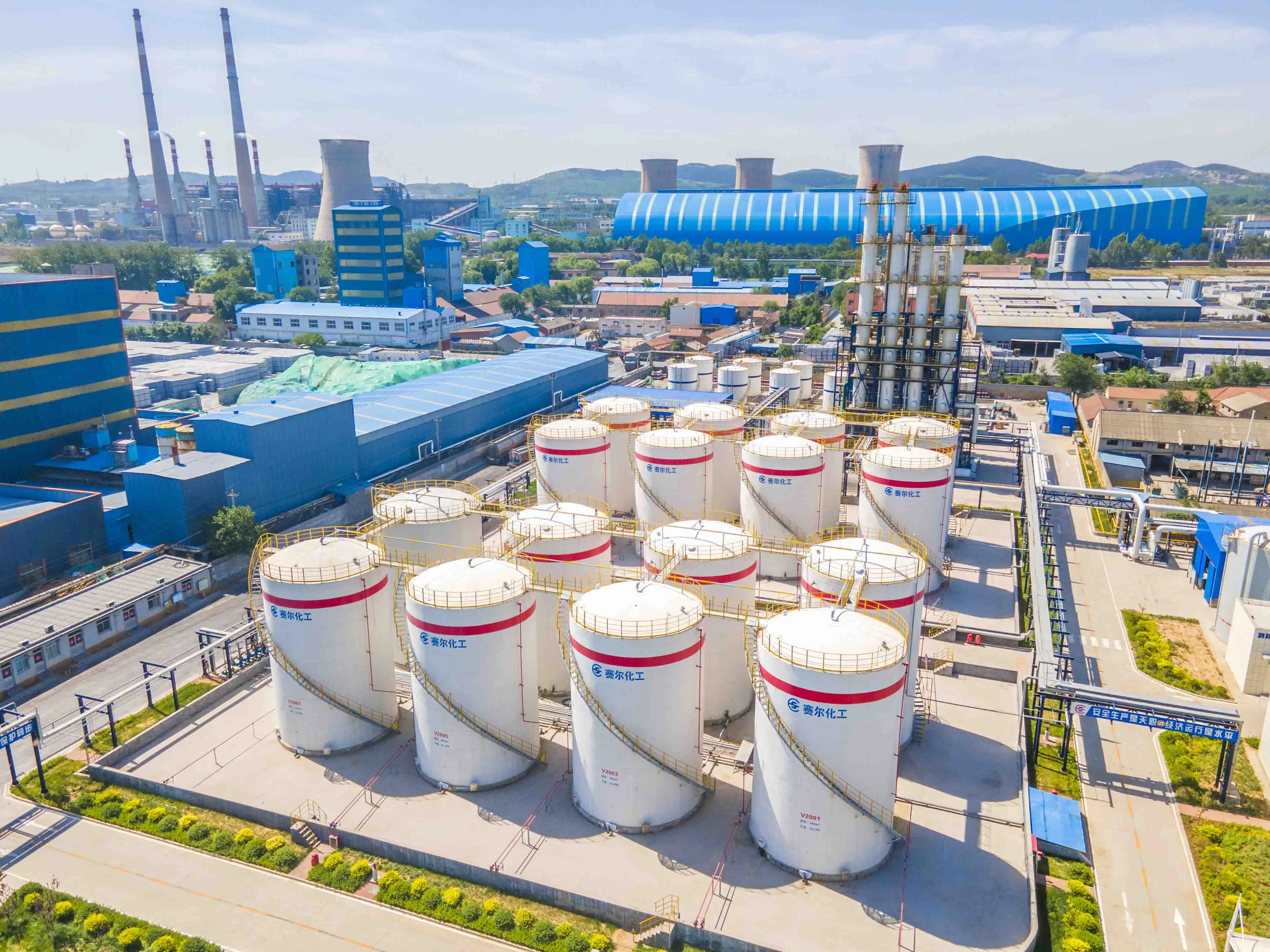
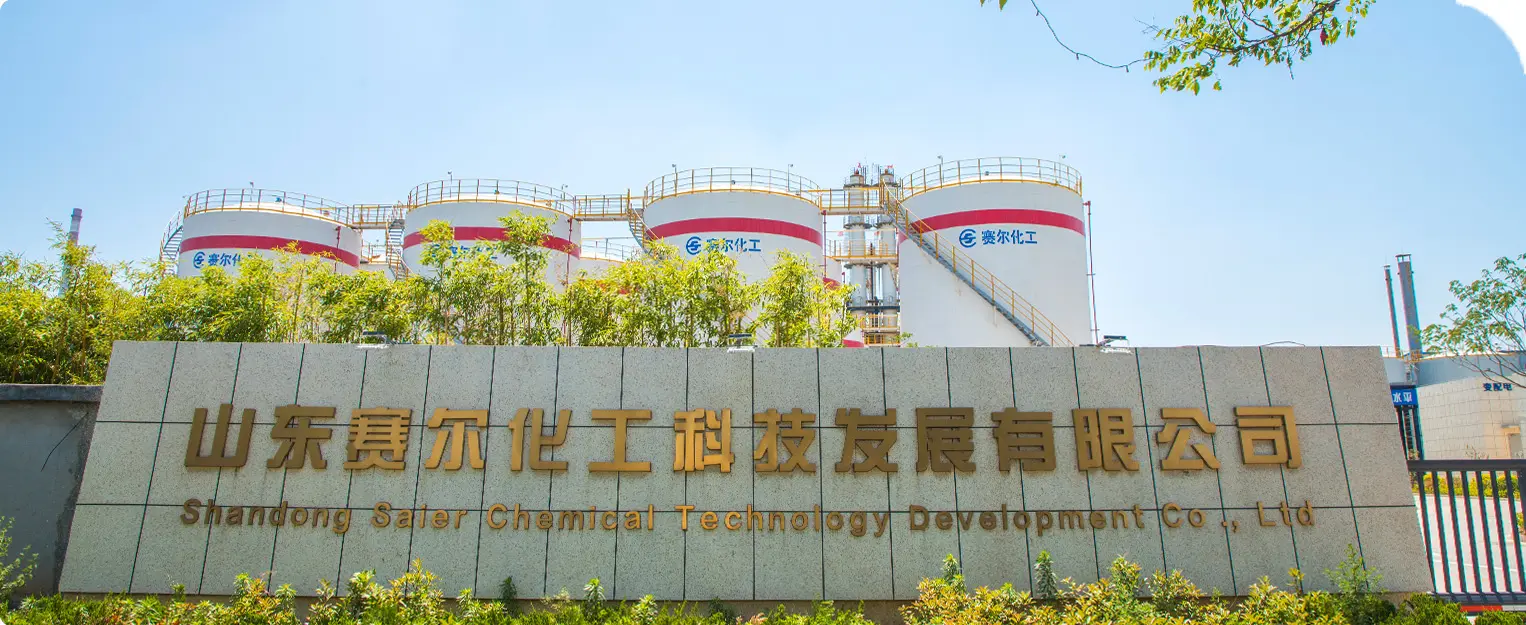
Large-scale tank farms ensure continuous inventory availability of S100, S150, and S200, enabling prompt logistics and delivery response.
Equipped with gas chromatographs and closed-cup flashpoint testers, our quality control lab monitors distillation range and purity metrics.
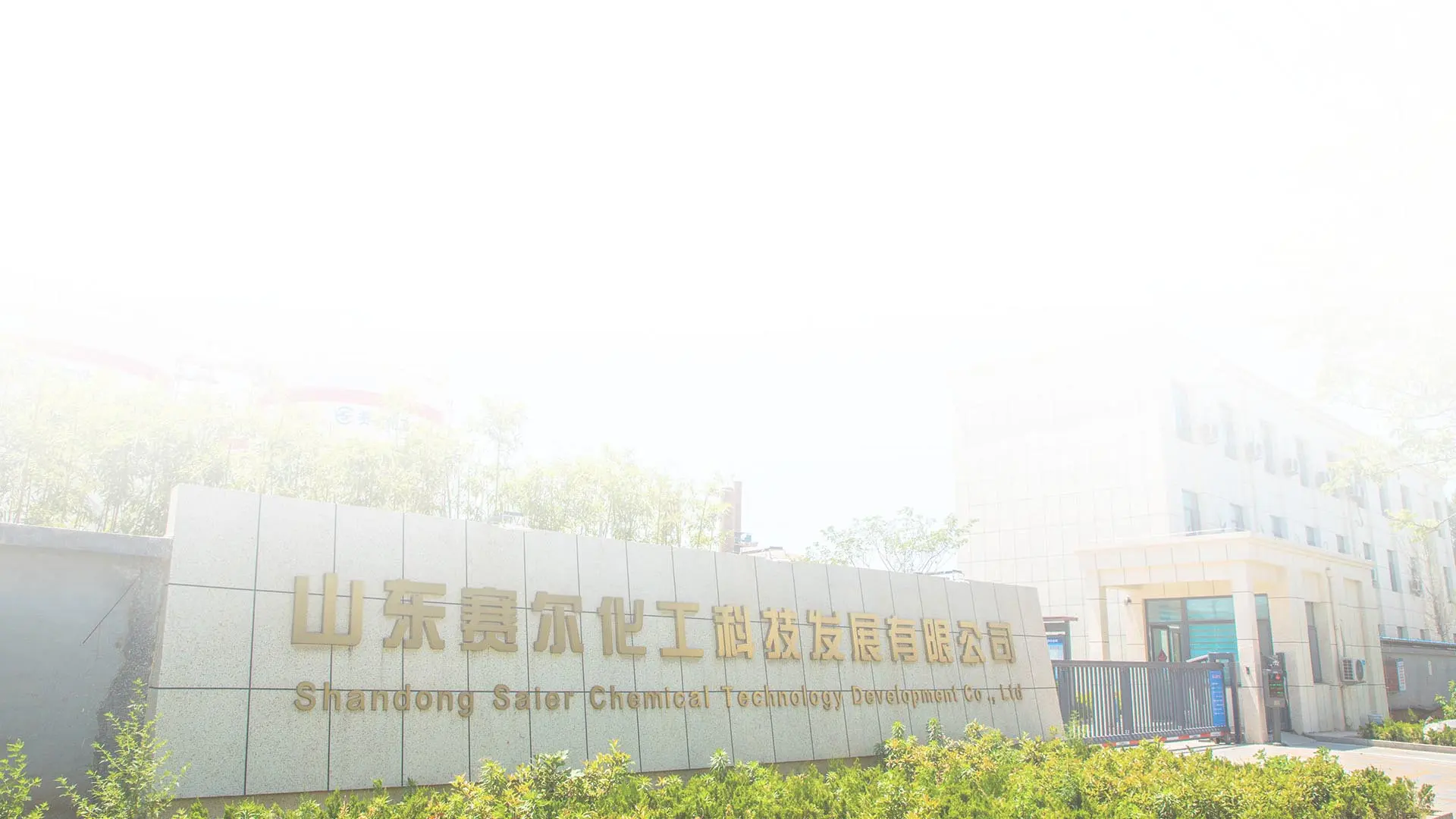
 Saier Chemical