Saier Chemical
1 / 2
| Series | Item | Specification | Test method |
|---|---|---|---|
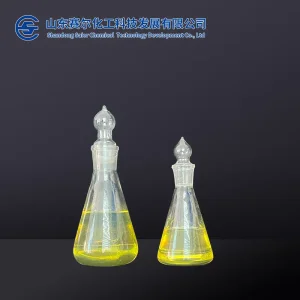
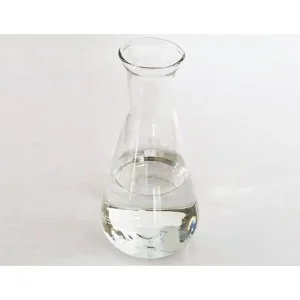
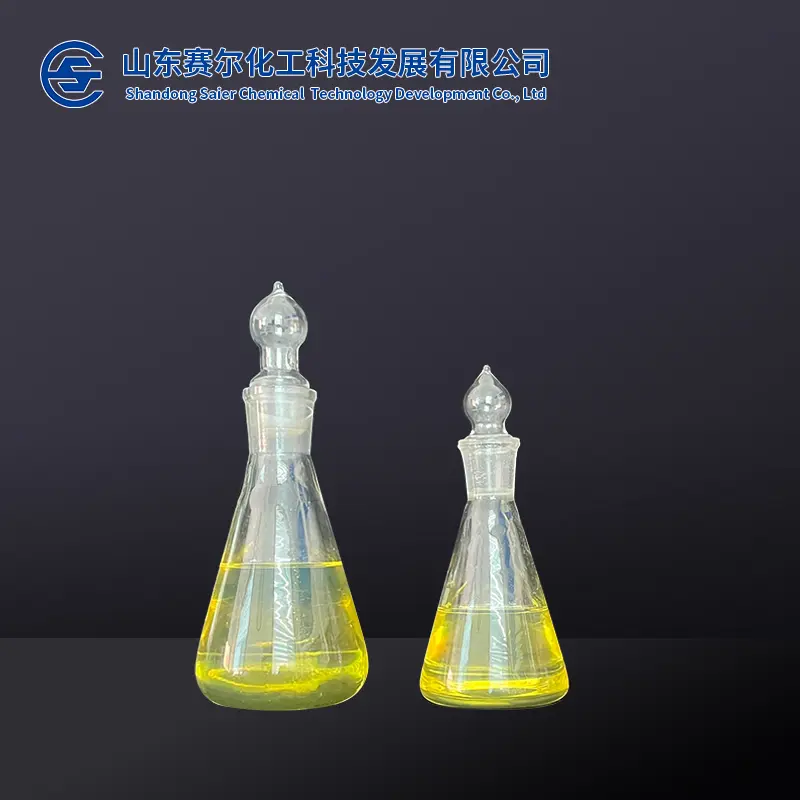
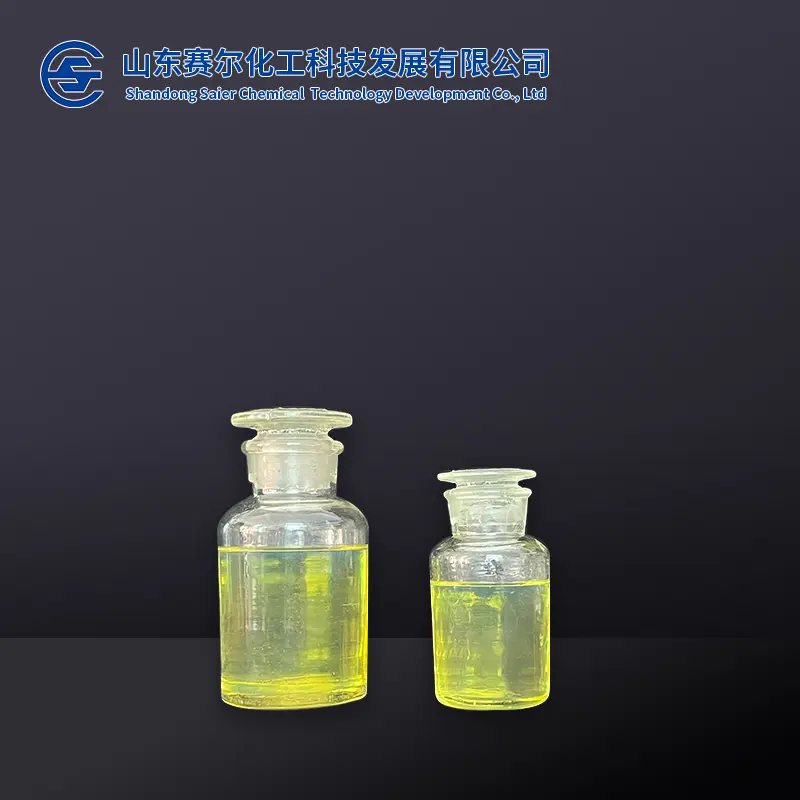
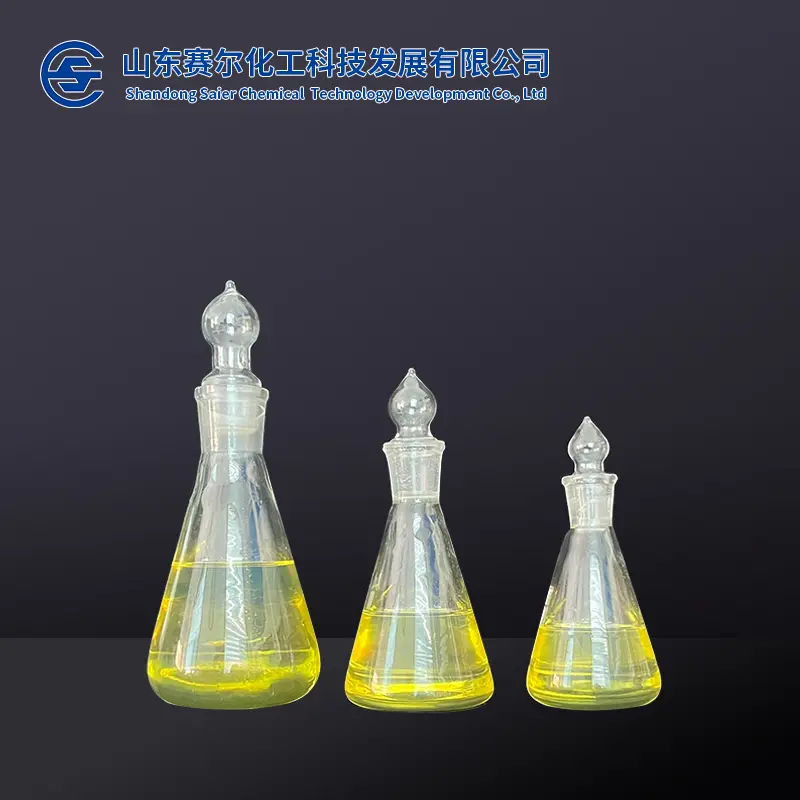
| 1 | Appearance | Transparent Yellow | Visual |
| 2 | Density (20℃), g/cm³ | 0.985 - 1.015 | SH/T 0604-2000 |
| 3 | Kinematic Viscosity, mm²/s | / | / |
| 40℃ | 10.6 | / | |
| 4 | Fire Point, ℃ | 465 | SH/T 0642-1997 |
| 5 | Flash Point (Closed), ℃ | 158 | GB/T 261-2008 |
| 6 | Pour Point, ℃ ≤ | -29 | GB/T 3535-2006 |
| 7 | Distillation Range: | / | / |
| Initial Distillation Point, ℃ | 283 | NB/SH/T 0558-2016 | |
| 2% / ℃ | 301 | GB/T 6538-2010 | |
| 8 | Micro-Conradson Carbon Residue, % ≤ | 0.01 | GB/T 17144-1997 |
| 9 | Sulfur Content, % ≤ | 0.01 | SH/T 0689-2000 |
| 10 | Acid Value, mgKOH/kg | 0.01 | GB/T 7304-2014 |
1. These data are given as an indication of typical values and not as exact specifications.
2. ‘GB’ standards are the National Standards of the People’s Republic of China.
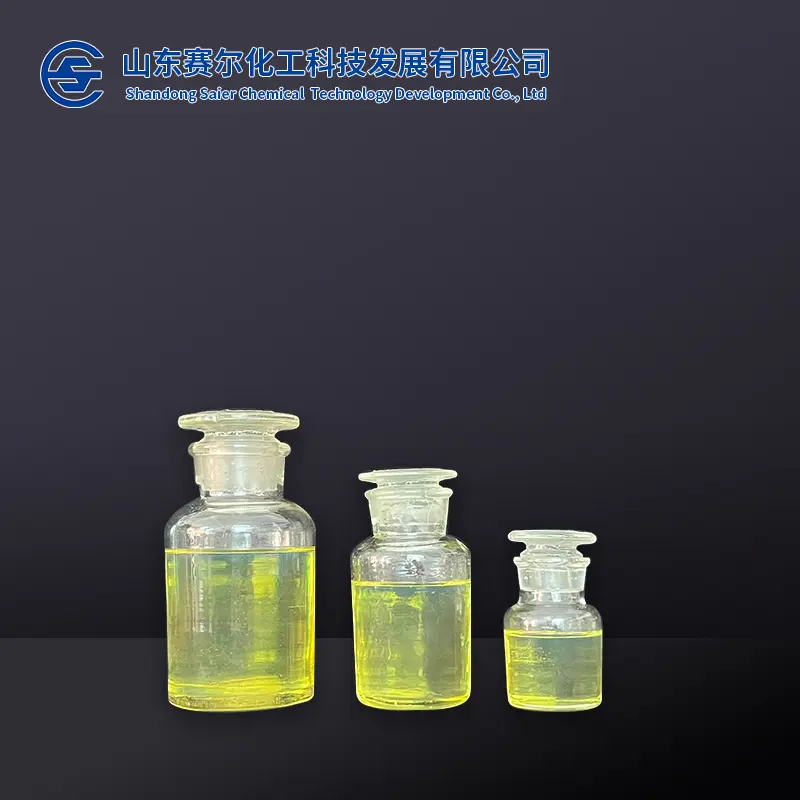
Heat transfer oil is widely used in both industrial and commercial sectors. Here are the major application areas:
In the process of chemical production, many reactions need to be carried out under strictly controlled high-temperature environments. Heat transfer oil can provide stable and precise temperature control, ensuring the safety and efficiency of the reactions. For instance, in the petrochemical industry, heat transfer oil is used for heating in equipment such as distillation towers, reaction vessels and heat exchangers.
Heat transfer oil plays a significant role in the petroleum processing, especially in the distillation and cracking processes. They are used to heat crude oil and separate out various petroleum products, such as gasoline, diesel and lubricating oil.
In the processing of plastics and rubber, heat transfer oil is used to heat molds and extrusion equipment, ensuring that the materials are uniformly heated and reach the required processing temperature. This helps to improve product quality and production efficiency.
During the processes of textile manufacturing and dyeing, heat transfer oil is used to heat dye vats and drying equipment to ensure that the dyes are evenly distributed and firmly adhered to the fibers. This is of vital importance for achieving high-quality dyeing results.
Heat transfer oil is used in the food processing industry for heating boilers and baking equipment. Due to its ability to provide stable and uniform heat distribution, heat transfer oil ensures that food is heated evenly during processing, thereby improving product quality and safety.
Tank container, Iron drums or IBC drums.
This heat transfer oil is widely utilized across various sectors, including the chemical industry, petroleum processing, plastics and rubber processing, textile and dyeing industries, as well as food processing.
The closed flash point of this heat transfer oil is 158°C, and the fire point is 465°C, providing stable operation under high-temperature environments.
The pour point is ≤ -29°C, which ensures excellent fluid flow properties and performance stability even in cold weather conditions.
It can be packaged and supplied in tank containers, sturdy iron drums, or Intermediate Bulk Containers (IBC drums) depending on your delivery and usage requirements.
The values are tested using recognized standards including GB/T and SH/T methods, which represent the National Standards of the People’s Republic of China.
Yes. The Micro-Conradson carbon residue is ≤ 0.01% and the sulfur content is ≤ 0.01%, ensuring minimal carbon deposits and safe long-term operation.