Saier Chemical

1 / 3
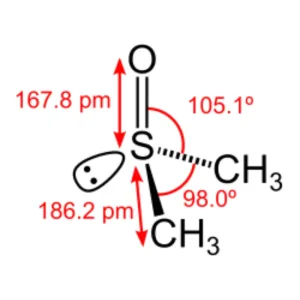
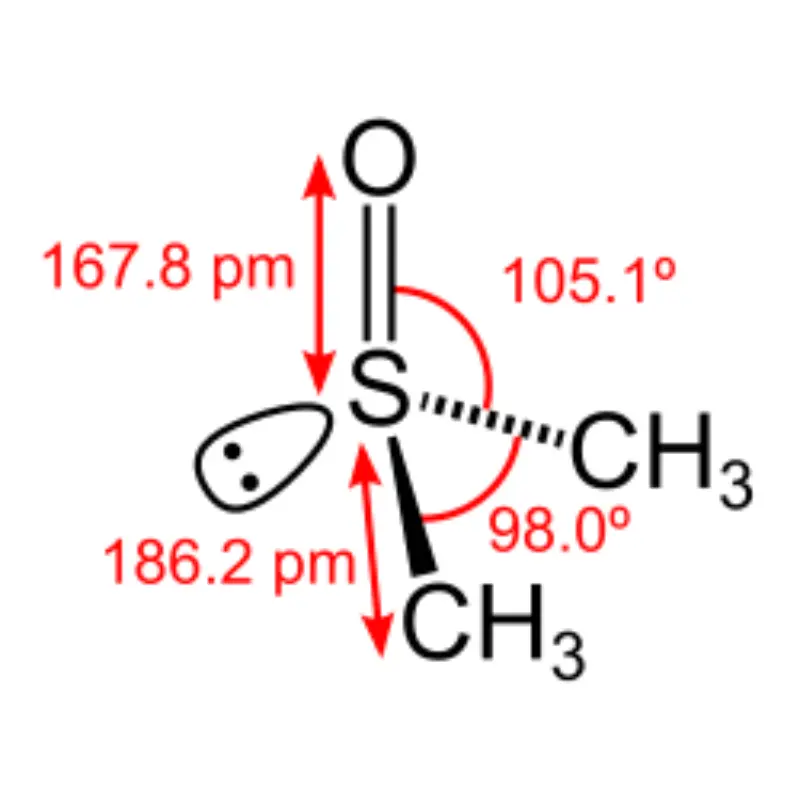
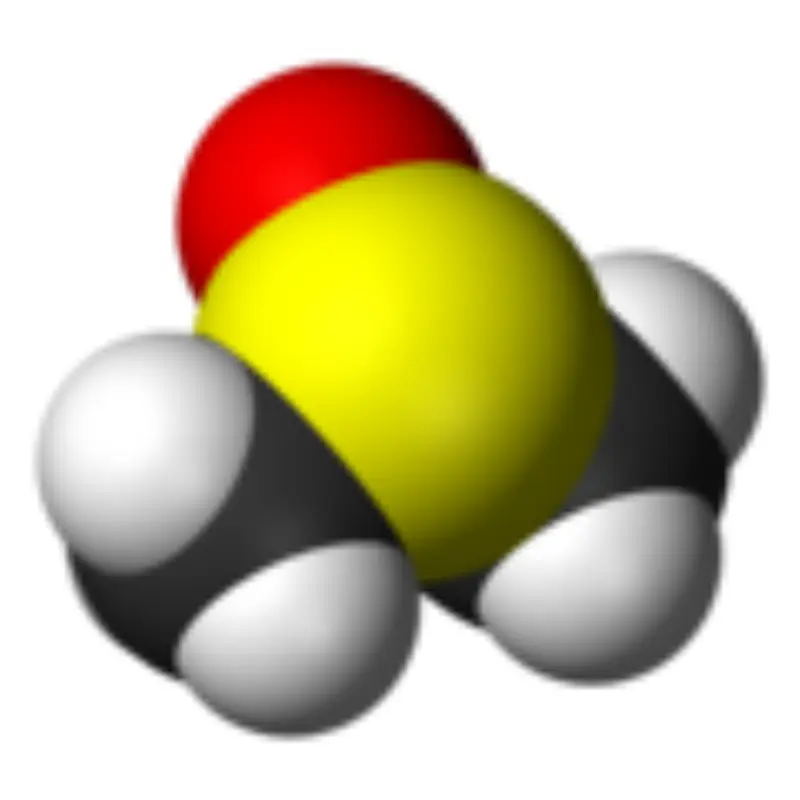
Dimethyl sulfoxide (DMSO) is a sulfur-containing organic compound, with the English name Dimethylsulfoxide, and its molecular formula is (CH3)2SO. At room temperature, it is a colorless and odorless transparent liquid with hygroscopicity and flammability. It has the characteristics of high polarity, high boiling point, non-protonic nature, and miscibility with water. It has extremely low toxicity and good thermal stability. It does not mix with alkanes and can dissolve in most organic substances such as water, ethanol, propanol, ether, benzene, and chloroform.
It is hailed as the "universal solvent". Among the commonly used organic solvents, it is the one with the strongest dissolving ability. It can dissolve a large portion of organic substances, including carbohydrates, polymers, peptides, and many inorganic salts and gases. It can dissolve a solute equivalent to 50-60% of its own weight (while other common solvents can only dissolve 10-20%). Therefore, it is very important in sample management and high-speed drug screening. Under certain conditions, when DMSO comes into contact with acyl chlorides, an explosive reaction will occur.
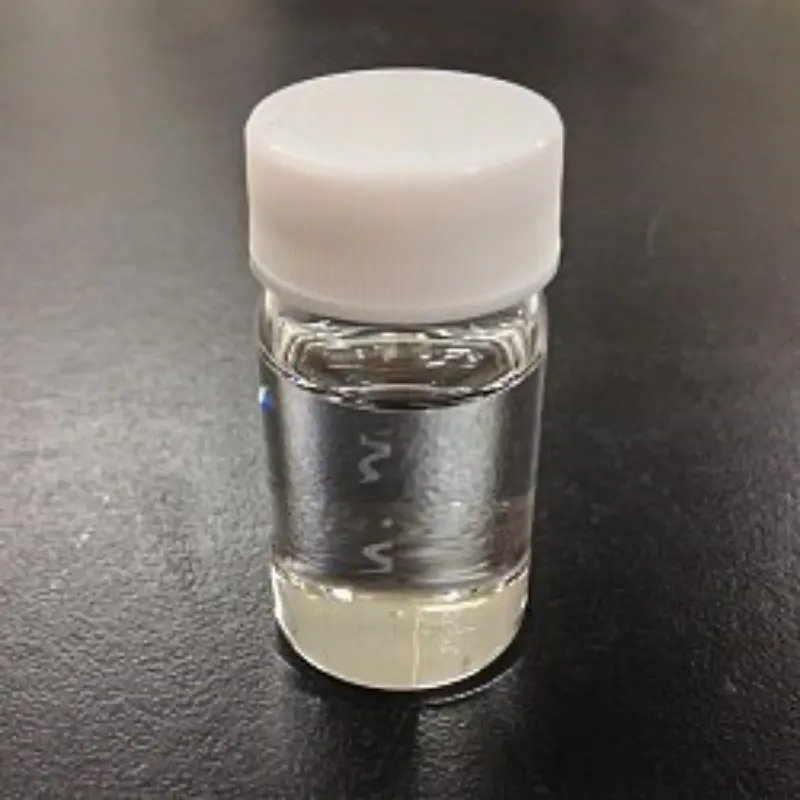

Dimethyl sulfoxide is a strong non-polar polar compound, thus it has no acidity or alkalinity. It is a colorless liquid at room temperature and is hygroscopic. It has almost no odor but has a bitter taste. It is soluble in water, ethanol, acetone, ether, benzene and chloroform. This substance is weakly alkaline and unstable to acids. It will form salts when encountering strong acids. It decomposes at high temperatures and can react vigorously with chlorine. It burns in the air with a pale blue flame. The oral LD50 of mice is 1700 mg/kg.
Stability: Stable. Incompatible with most materials, including acyl chlorides, strong acids, strong oxidants, strong reductants, phosphorus halides, water, copper wire + trichloroacetic acid. Can react vigorously with many materials. Hygroscopic.
Dimethyl sulfoxide is widely used as a solvent and reagent in chemical reactions, especially as a processing solvent and draw-out solvent in acrylonitrile polymerization reactions, as a solvent for polyurethane synthesis and draw-out solvent, as a solvent for the synthesis of polyamide, polyimide and polysulfone resins, as a solvent for aromatics, butadiene extraction, and as a solvent for the synthesis of chlorofluorobenzamide, etc.
Besides, dimethyl sulfoxide is also directly used as raw materials and carriers for certain drugs in the pharmaceutical industry. Dimethyl sulfoxide itself has anti-inflammatory, analgesic, diuretic and sedative effects, and is also known as the "universal medicine", often added as an active component of the drug as a pain-relieving drug. It has a special property of easily penetrating the skin, causing a sensation similar to that of oysters. The dimethyl sulfoxide solution of sodium cyanide can cause cyanide poisoning through skin contact. However, dimethyl sulfoxide itself has a relatively low toxicity.
Dimethyl sulfoxide is used by a large number of chemical and pharmaceutical enterprises as an extractant, but due to its high boiling point, the operating temperature is too high, causing coking of materials, affecting the recovery of dimethyl sulfoxide and equipment cleaning work, and also increasing energy consumption. Therefore, the recovery of dimethyl sulfoxide has become a bottleneck for its further widespread use as an extractant. Dimethyl sulfoxide is a common non-protonic organic solvent used for dissolving polar and non-polar compounds. It is mainly used in the deuterated form DMSO-d6 (D479382) for nuclear magnetic resonance research, because its ability to dissolve most analytes makes its nuclear magnetic resonance spectrum easily identifiable.