Explore our highly-refined, internationally accredited organic syntheses, functional aromatic compounds, and advanced chemical raw materials.
Polynuclear Aromatic Compounds (PACs), encompassing a wide array of polycyclic structures, constitute the fundamental building blocks of modern functional polymers, industrial solvents, advanced agricultural formulations, and complex pharmaceutical intermediates. As modern engineering demands high stability, robust thermal properties, and ecological efficiency, the supply paradigm of these compounds is shifting dramatically toward strict environmental compliance, structural purity, and high supply chain consistency.
In the contemporary global market, structural transformation dictates that manufacturers prioritize cleaner, low-naphthalene alternatives for heavy industrial applications. The transition from crude solvent naphtha fractions to highly refined versions, such as S-150 ND (Naphthalene Depleted) and S-200 ND, demonstrates the chemical sector’s commitment to minimizing environmental and occupational hazards while maintaining excellent solvency, high flash points, and optimum distillation curves. Advanced separation processes, including multi-stage vacuum fractionated distillation and specialized catalytic processes, are now the industry standard for producing premium aromatic matrices with minimal polycyclic impurities.
Global regulatory frameworks such as EU REACH and EPA guidelines are pushing manufacturers of agricultural pesticide formulations, industrial coatings, and sealants to demand solvent compositions with naphthalene levels below 1% or even 0.1% (w/w). Shandong Saier Chemical has pioneered refining systems to cater to this exact demographic, supplying critical raw materials globally.
Enterprise procurement departments no longer assess chemical manufacturers solely on cost. Total Cost of Ownership (TCO) matrices in the post-pandemic landscape focus heavily on supply security, raw material upstream integration, and regulatory documentation. In North America, Europe, and major Asian economic centers, chemical sourcing managers look for suppliers with long-term strategic alliances with major refining hubs to guarantee volume security even during periods of heavy geopolitical tension or localized energy crises.
Annual Production Capacity (Tons)
Established and Growing Firmly
Registered Capital (CNY)
State-of-the-Art Quality Tracking
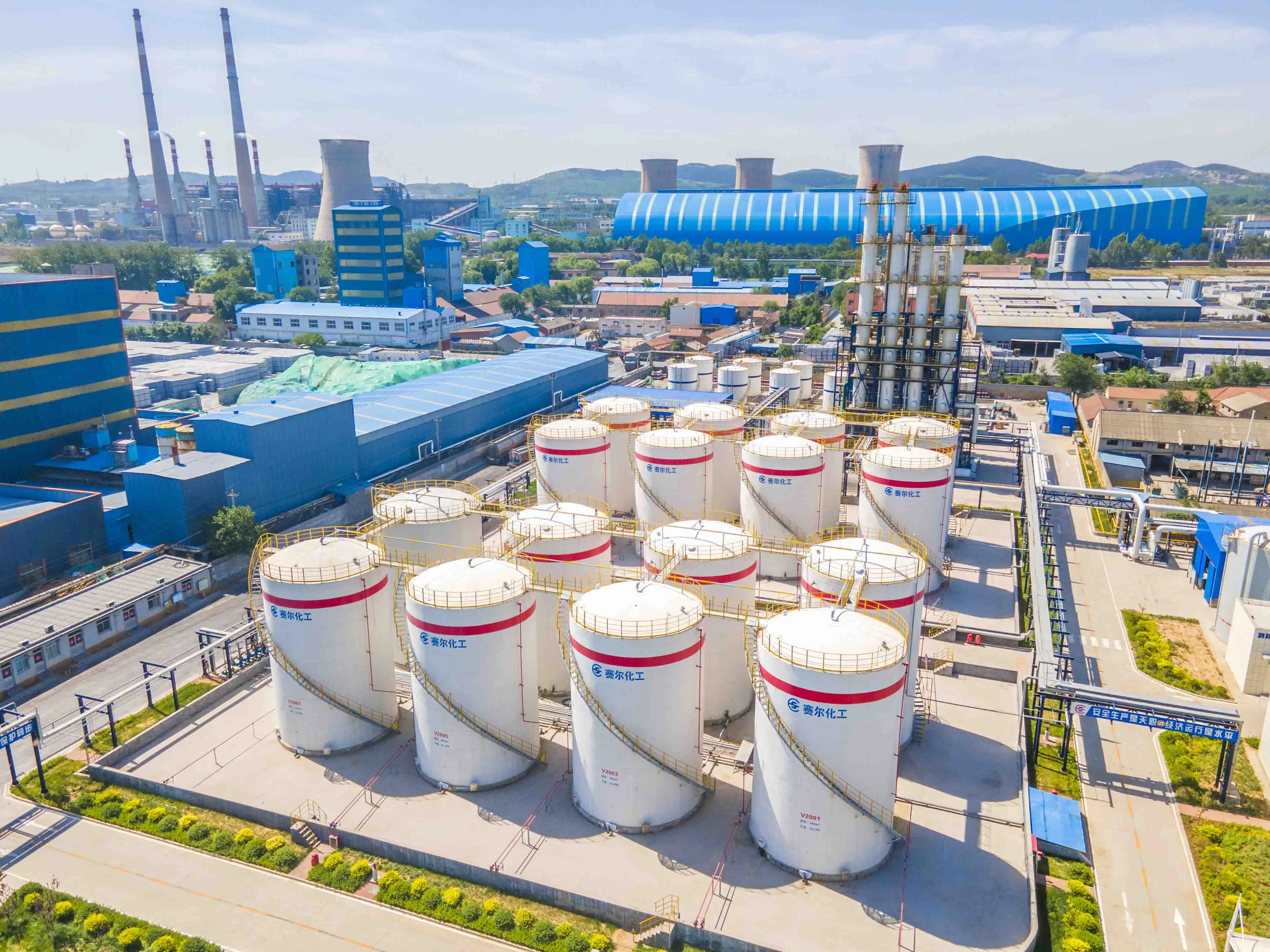
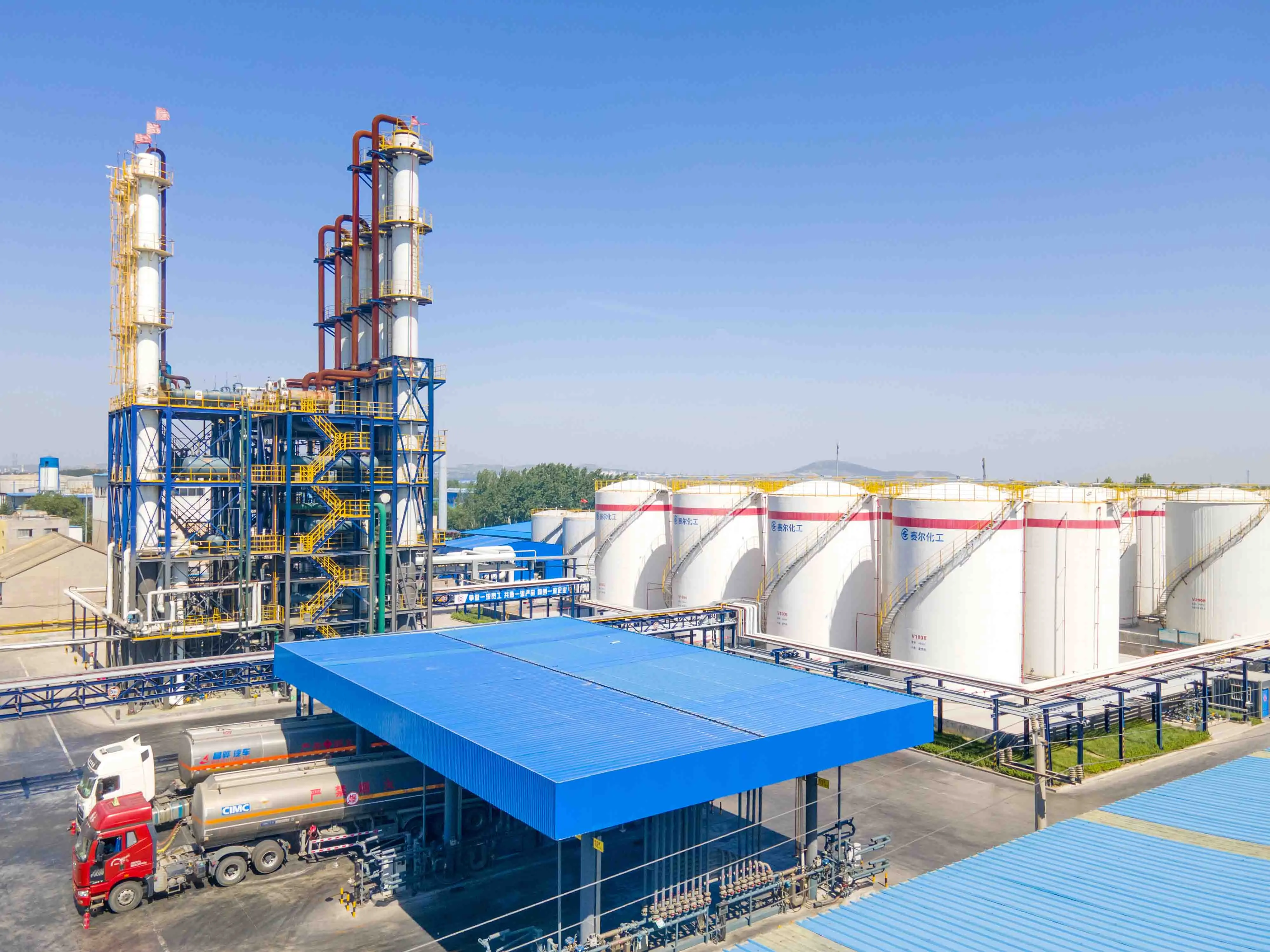
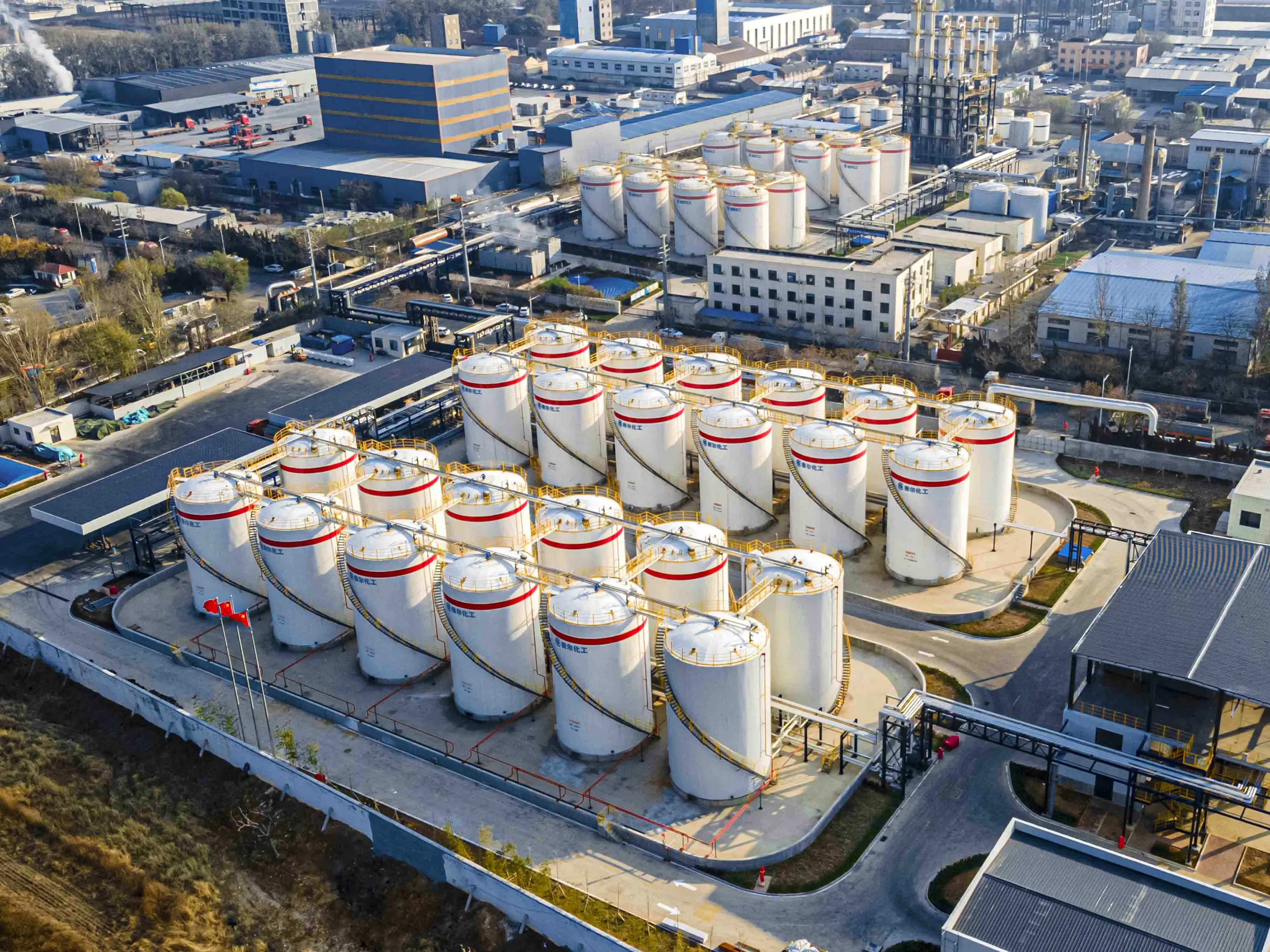
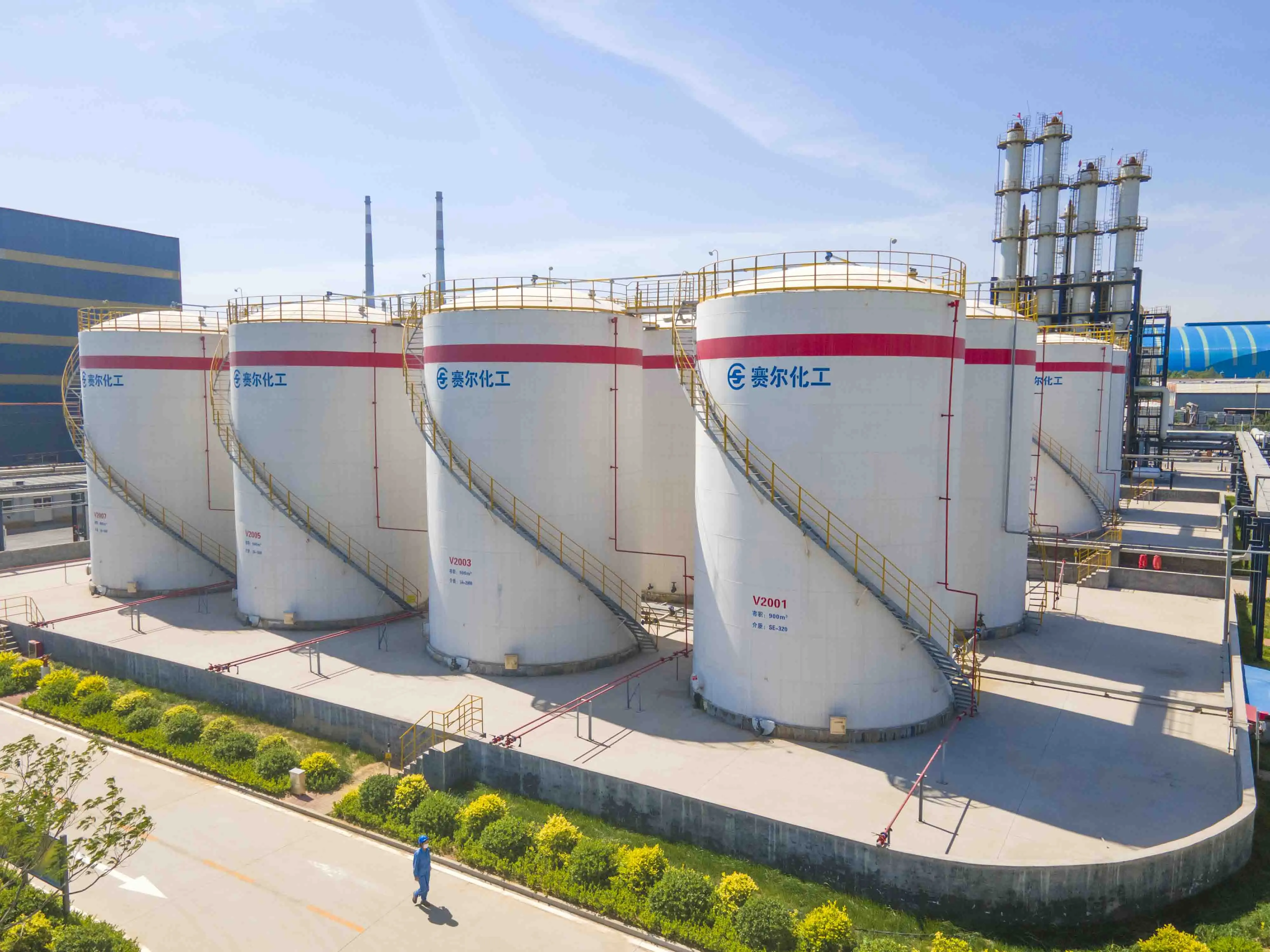
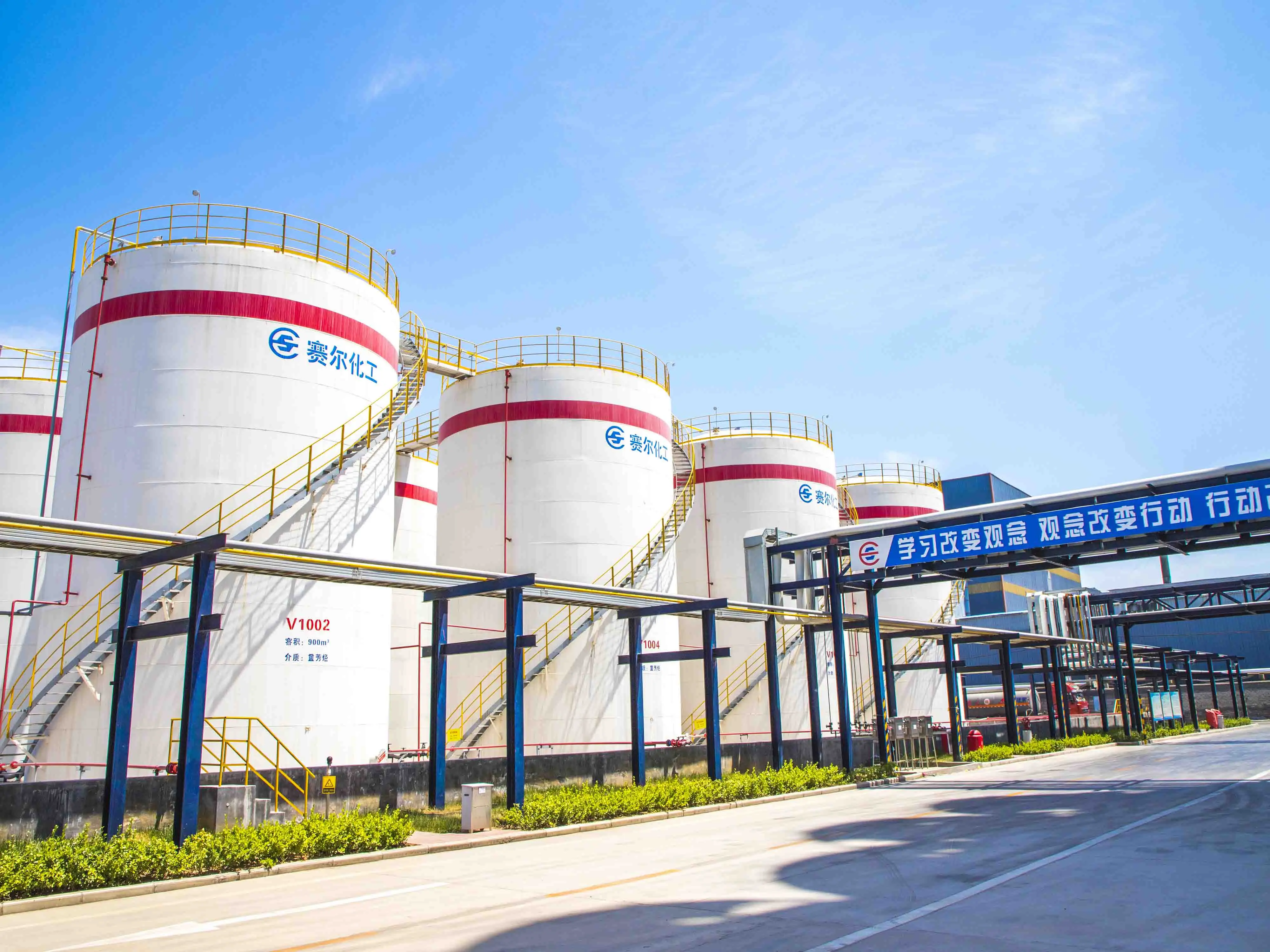
Founded in December 2004, Shandong Saier Chemical Technology Development Co., Ltd. has grown to become a cornerstone of China's high-tech chemical manufacturing sector. Strategically located at No.207, WeiLiu Road within the prestigious Qilu Chemical Industrial Park, Linzi, Zibo City, Shandong Province, our company sits directly at the heart of China’s petrochemical industrial cluster. This premium location grants us unparalleled access to feedstock pipelines and technological integration from China's primary refining complexes.
Our journey began with a registered capital of 60 million yuan, building a solid financial foundation to support massive scale manufacturing and cutting-edge laboratory infrastructure. From our inception, we prioritized establishing direct raw material channels with major state-level and mega-private petrochemical enterprises, including Sinopec, PetroChina, ChemChina, Zhejiang Petrochemical, and Hengli Petrochemical. By securing high-quality upstream reformates, pyrolysis gasoline fractions, and raw aromatics, we have consistently guaranteed trace-element purity and chemical uniformity across our extensive product line.
With an annual processing capacity of 720,000 tons, our products serve vital industrial regions domestically, including Beijing, Shanghai, Tianjin, Hebei, Shandong, and Henan. Our global distribution channels actively serve key global markets across Asia, Europe, the Americas, and Southeast Asia. Our capability to manage large-scale bulk chemical shipments, ISO tanks, and drummed logistics makes us a reliable partner for multinational corporations.
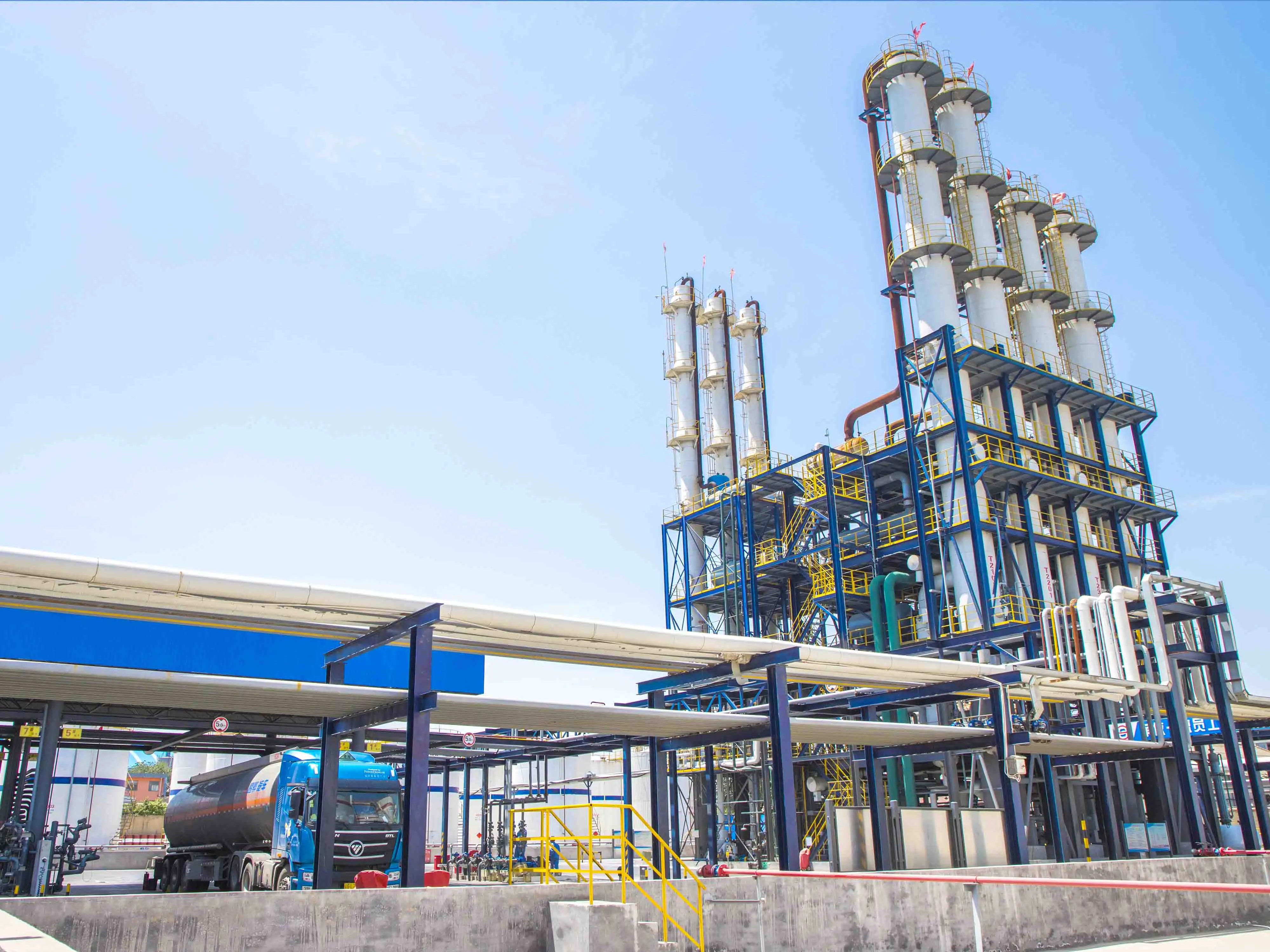
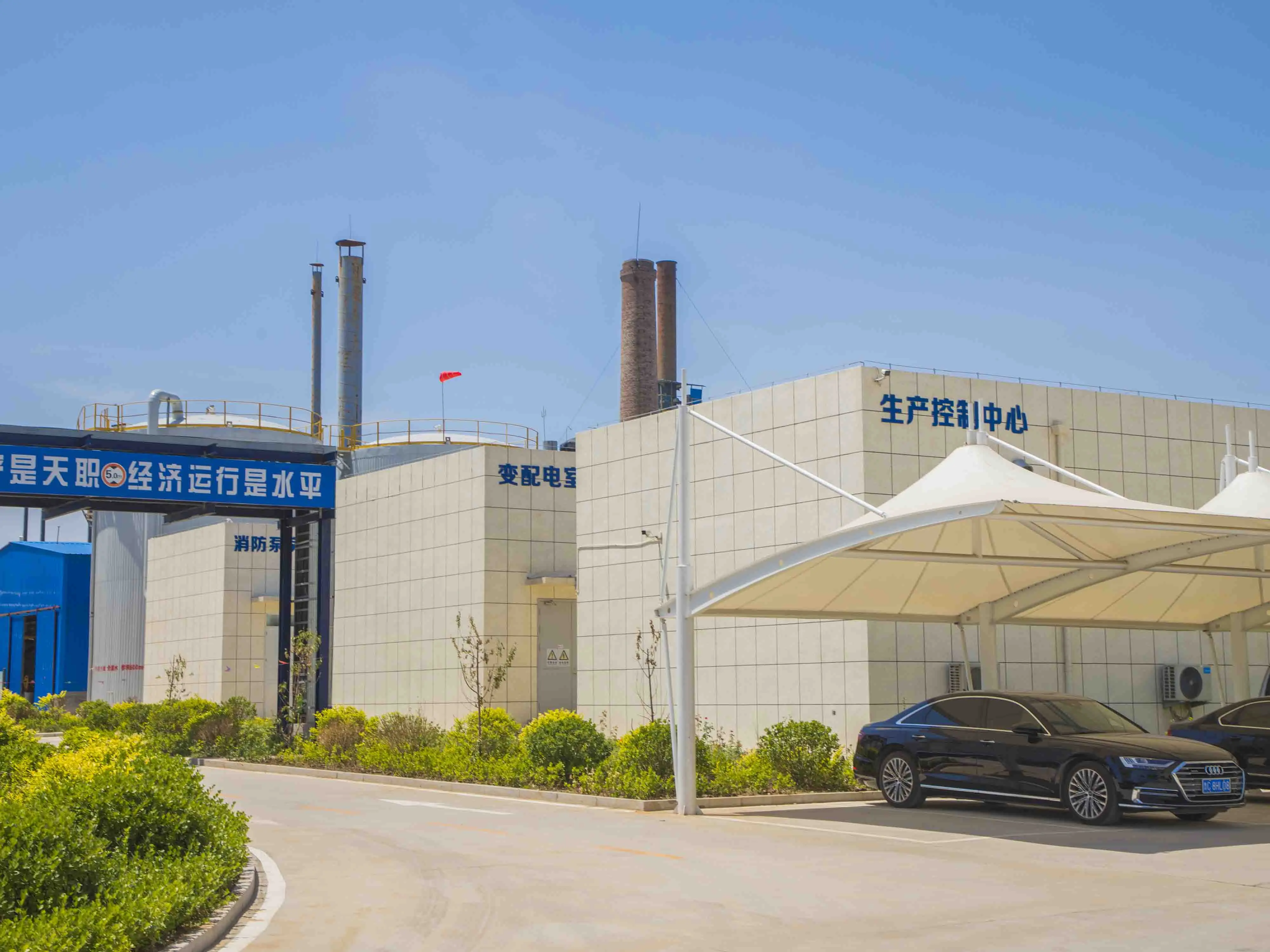
At Shandong Saier Chemical, we have integrated intelligent manufacturing frameworks into our refinery operations to deliver resilient supply chains. China's Factory 4.0 evolution in the chemical sector focuses on data-driven production, advanced safety protocols, and automated quality verification loopback systems.
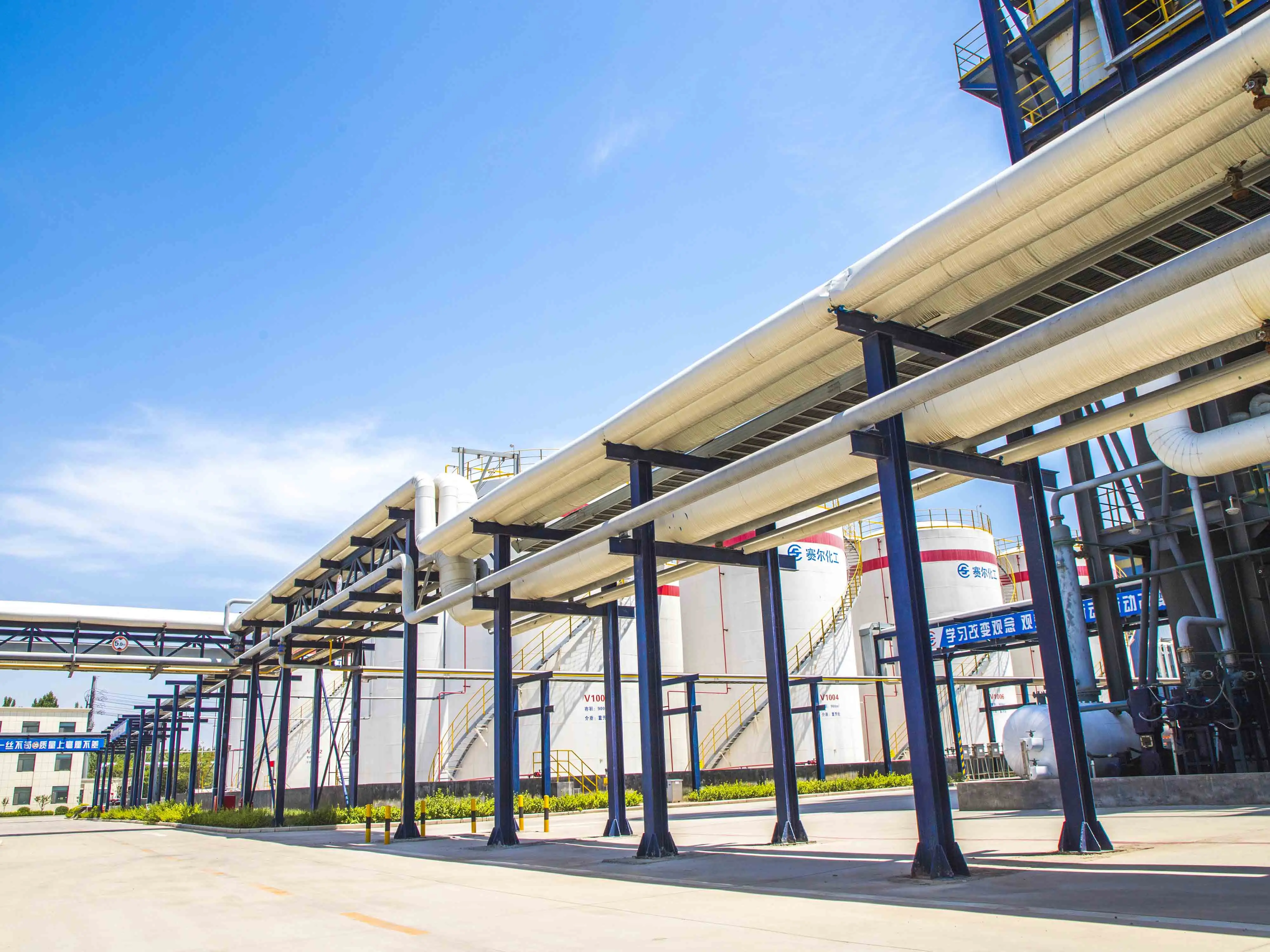
Our distillation units utilize state-of-the-art Distributed Control Systems (DCS) to monitor real-time purity, flow rates, and operating temperatures, ensuring batch-to-batch product consistency.
Direct integrations with petrochemical pipeline clusters inside Zibo Qilu Industrial Park shield our factory from raw material price shocks and sudden volume shortages.
Recognized as a national high-tech enterprise, we invest heavily in VOC recovery, closed-loop treatment facilities, and energy-conserving process configurations to align with global green directives.
Polynuclear Aromatic Compounds and our specialized solvent range are integral to a multitude of high-precision industrial sectors:
Answering the most critical chemical formulation, purity validation, and shipping questions posed by global procurement managers and polymer chemists.
The distinction lies in their distillation boiling ranges and flash points, determined by their carbon number distribution. S100 consists primarily of C9 aromatics with a boiling range of 150-180°C and a flashpoint above 40°C. S150 consists mainly of C10 aromatics with a boiling range of 180-210°C and a flashpoint above 62°C. S200 is characterized by C11-C12 aromatics with a boiling range of 230-290°C and a flashpoint exceeding 100°C. Choosing the correct grade is vital for controlling solvent evaporation rates and maintaining the regulatory safety profile of the target formulation.
Standard industrial aromatic cuts contain significant percentages of naphthalene, which is flagged as a potential carcinogen and environmental hazard under international regulatory frameworks. Our Naphthalene Depleted (ND) versions, such as S150ND, have undergone supplementary purification steps to lower naphthalene content below 1.0% or 0.1% max. This enables global agrochemical manufacturers to export their EC pesticide products to stringent markets like the EU and North America without regulatory barriers.
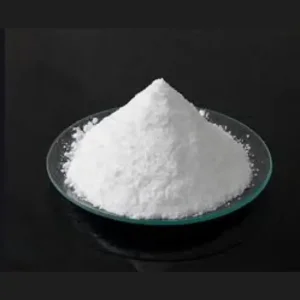
Our Durene is produced via advanced crystallization separation, achieving standard purities of ≥98% and premium purities of ≥99% based on customer specifications. The primary impurities are isomer components like Isodurene and Prehnitene. This high-purity profile ensures that when oxidized to produce Pyromellitic Dianhydride (PMDA), yields remain maximized, and there are minimal byproducts to affect the mechanical and thermal integrity of downstream polyimide films.
Our facility is situated directly in Zibo's Qilu Chemical Industrial Park, one of China's primary refining clusters. We maintain pipeline integrations and strategic supply agreements with Sinopec Qilu Refinery, ChemChina, and neighboring megaprojects like Hengli Petrochemical and Zhejiang Petrochemical. This direct integration protects our processing loops from raw material shortages, allowing us to maintain stable production of up to 720,000 tons per year regardless of macro-market fluctuations.
Yes. Backed by our R&D team and pilot distillation columns, we offer custom-blended aromatic fractions. We can adjust flashpoints, mix aliphatic-aromatic ratios, or modify distillation windows to suit custom industrial requirements, such as special printing inks, specialized degreasers, or high-performance sealant systems.
We operate an ISO 9001 certified quality control department equipped with state-of-the-art analytical tools, including gas chromatography (GC), Karl Fischer moisture titrators, colorimeters, and high-performance liquid chromatography (HPLC). Every batch leaving our facility is accompanied by a comprehensive Certificate of Analysis (COA) containing exact parameters for density, distillation range, flashpoint, water content, and purity.
L-QC320 Heat Transfer Oil must be stored in dry, well-ventilated warehouse zones protected from direct moisture and rainfall. During system charging, the loop should be thoroughly flushed of water to prevent high-temperature steam pocket formation. Our oil has excellent thermal stability up to 320°C in closed systems, and we provide technical support for periodic oil testing (viscosity, flashpoint, acid value) to help customers maximize the lifespan of their heat exchange networks.
Technical profiles of core products manufactured under Shandong Saier's quality management system.
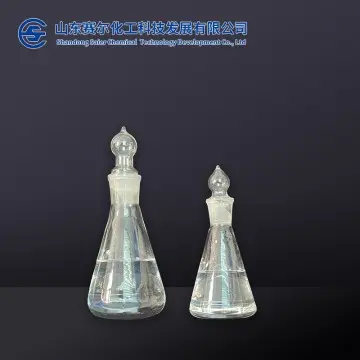
Produced via premium C10 reforming streams and continuous vacuum rectification, yielding a crystal-clear solvent matching global paint, coating, and agricultural standards.
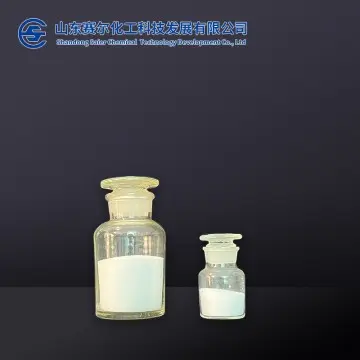
Advanced intermediates including thiophene, 1,3-cyclohexanedione, MIPK, and customized organosilicons synthesized for critical global chemical markets.
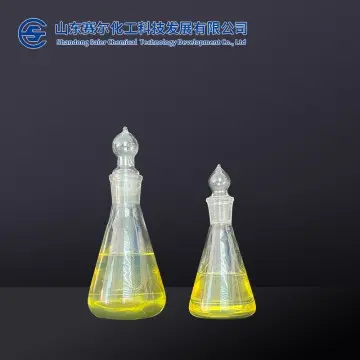
Specially formulated for high thermal stress environments. Offers premium thermal stability, lower coke-forming tendencies, and excellent thermal conductivity.
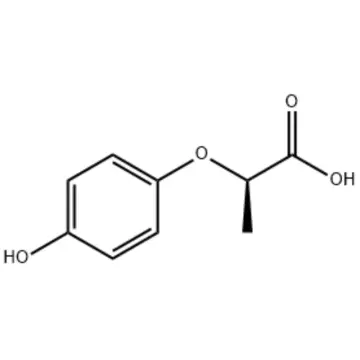
Specialized processing units targeting custom functionalized monomers, supporting agricultural, pharmaceutical, and functional polymer production cycles.
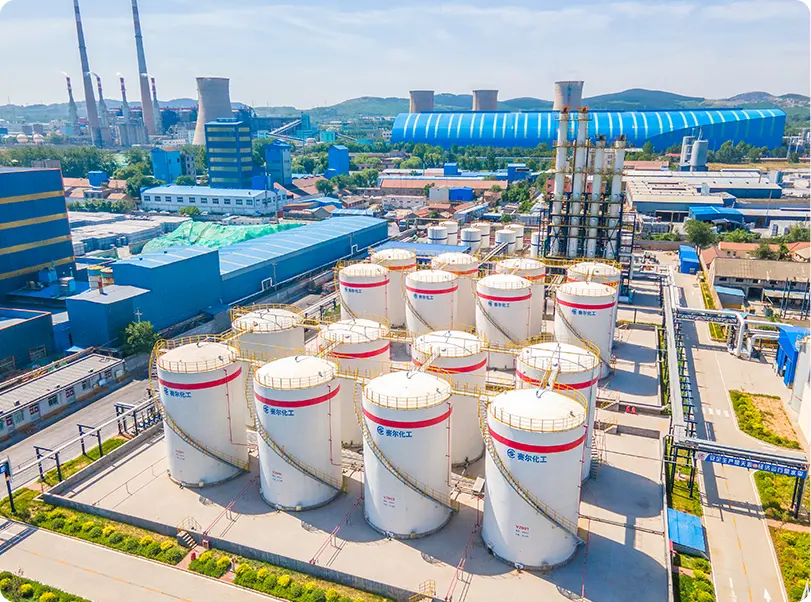
Integrating environmental treatment components with aromatic production lines to guarantee eco-efficient gas collection and near-zero emission operations.
The following technical table details the key performance indicators of our primary aromatic solvent range, illustrating distillation parameters, flashpoints, and composition indexes.
| Product Name | CAS Number | Distillation Range (°C) | Flash Point (°C, PMCC) | Aromatics Content (% v/v) | Naphthalene Content |
|---|---|---|---|---|---|
| Aromatic Solvent S100 | 64742-95-6 | 150 - 180 | ≥ 40 | ≥ 99.0 | Trace |
| Aromatic Solvent S150 | 64742-94-5 | 182 - 208 | ≥ 62 | ≥ 99.0 | ≤ 8.0% |
| Aromatic Solvent S150 ND | 64742-94-5 | 182 - 208 | ≥ 62 | ≥ 99.0 | ≤ 1.0% (Or ≤ 0.1% max) |
| Aromatic Solvent S200 | 64742-94-5 | 230 - 290 | ≥ 100 | ≥ 99.0 | ≤ 10.0% |
| Durene (High Purity) | 95-93-2 | Melting Point: 79.2 | - | Purity ≥ 99.0% | None |
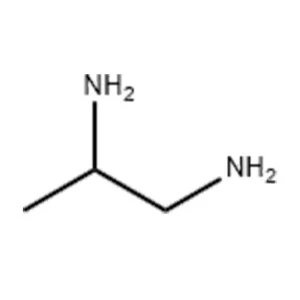
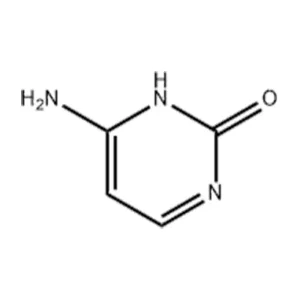
Access our specialized organic molecules, heterocyclic synthesis elements, and acid derivatives designed for strict quality protocols.
 Saier Chemical