Saier Chemical
1 / 3
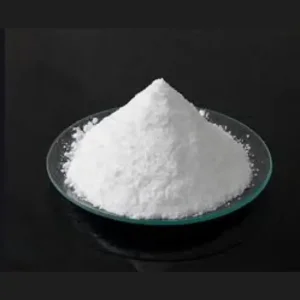
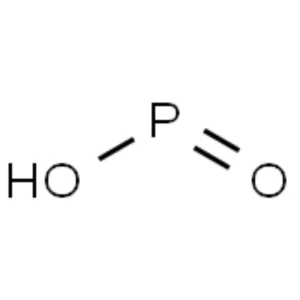
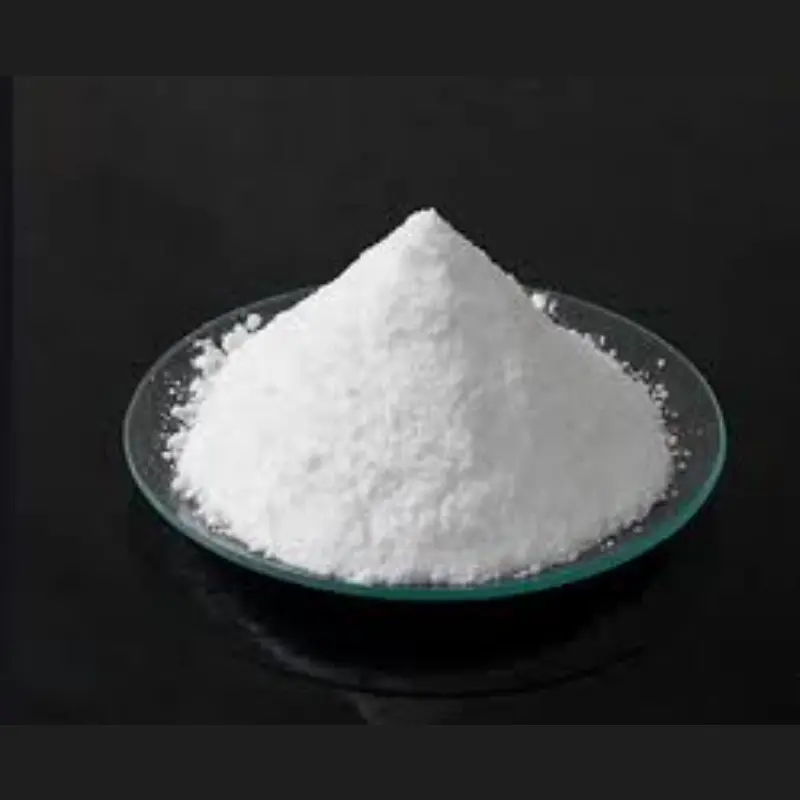
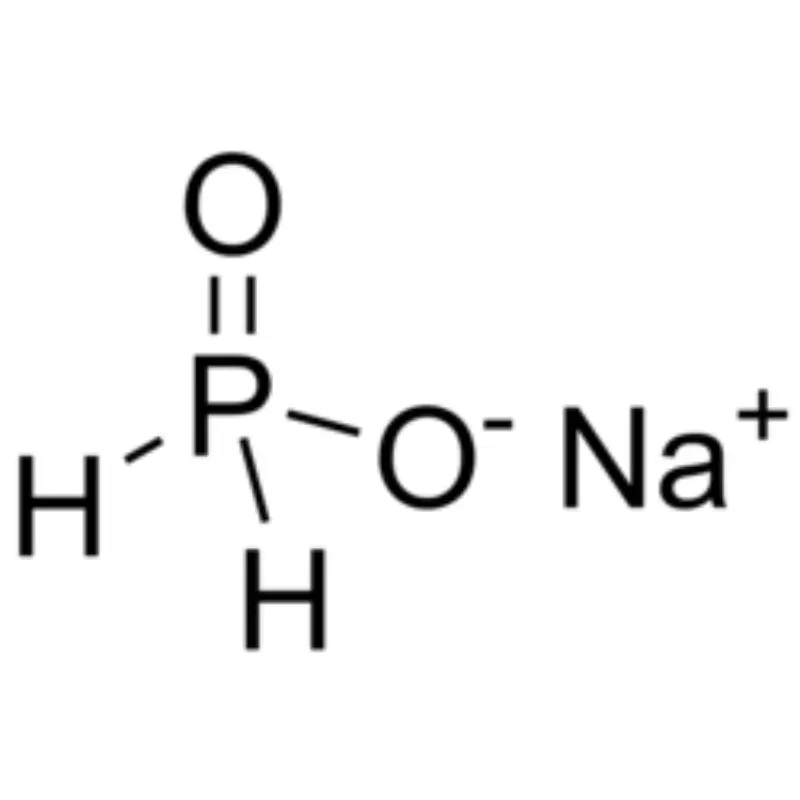
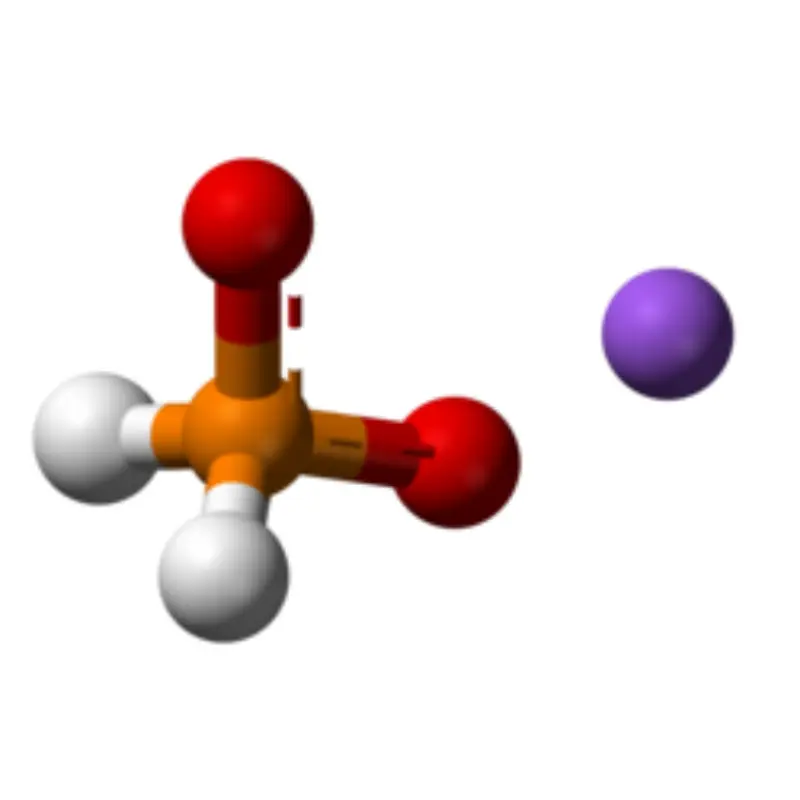
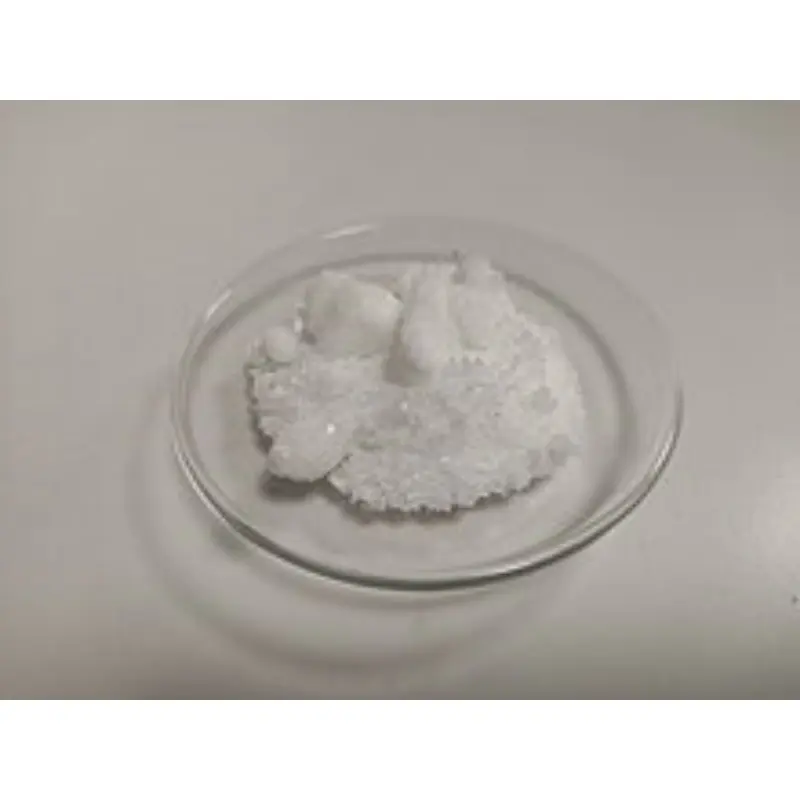
Sodium hypophosphite is a colorless monoclinic crystal or a pearl-like lustrous crystal or white crystalline powder. It is hygroscopic, odorless and salty in taste. It is soluble in water, ethanol, glycerol, slightly soluble in ammonia and ammonia water, and insoluble in ether. The aqueous solution is alkaline. In the dry state, it is relatively stable. When heated to above 200°C, it rapidly decomposes and releases phosphine hydrogen gas, which is highly toxic and self-igniting. It is a strong reducing agent and can reduce metals such as gold, silver, mercury, nickel, chromium, and cobalt from salts to their metallic states. It will explode when exposed to strong heat or mixed with oxidants such as potassium chlorate. At normal pressure, heating and evaporation of the sodium hypophosphite solution will also cause an explosion. Therefore, evaporation should be carried out under reduced pressure.
In the United States, sodium hypophosphite, hypophosphorous acid and several other types of hypophosphates are classified as first-class controlled precursor chemicals and are subject to regulation.
Like other hypophosphites, sodium hypophosphite can reduce metal ions back into base metal. This forms the basis for electroless nickel plating (Ni-P), which is its main industrial application. With this method, a durable nickel-phosphorus film can coat objects with irregular surfaces, such as in avionics, aviation and the petroleum field.
Sodium hypophosphite is capable of reducing nickel ions in solution to metallic nickel on metal substrates as well as on plastic substrates. The latter requires that the substrate is activated with fine particles of palladium. The resulting nickel deposit contains up to 15% phosphorus. It has also been investigated as a food additive.