Saier Chemical
1 / 1
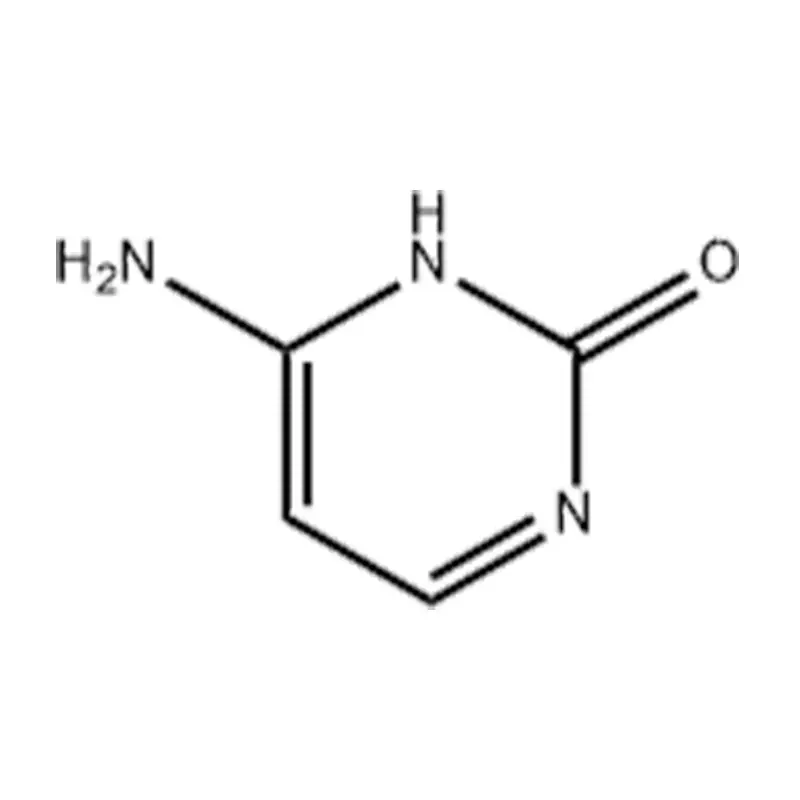
Cytosine is a pyrimidine base with weak alkalinity. The amino and carbonyl groups in its structure can undergo a variety of chemical reactions, such as acylation and alkylation of the amino group, and condensation reactions of the carbonyl group. In vivo, cytosine can undergo modification reactions such as methylation, thereby affecting gene expression and regulation.
| Property | Specification |
|---|---|
| Melting Point | >300°C (lit.) |
| Boiling Point | 208.2°C (rough estimate) |
| Density | 0.48 g/cm³ |
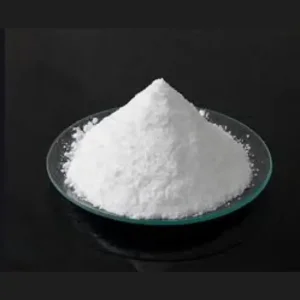
| Form | Crystalline powder |
| Packaging | 25KG Bag |
Cytosine is an important intermediate in fine chemicals, pesticides and medicines, and has a wide range of applications.
In pesticides, the first new cytosine nucleoside peptide antibiotic was discovered. It is a high-efficiency, low-toxic, low-residue broad-spectrum agricultural antibiotic.
Cytosine and its analogs have certain medicinal value. For example, some cytosine nucleoside analogs are important antiviral and antitumor drugs that inhibit the growth and reproduction of viruses or tumor cells by interfering with their nucleic acid metabolism. It is mainly used to synthesize anti-AIDS drugs and anti-hepatitis B drugs such as lamivudine, anti-cancer drugs such as gemcitabine, and 5-fluorocytosine.
Commonly used in molecular biology experiments, such as DNA sequencing, gene cloning and other technologies, as the raw material for synthesizing oligonucleotide primers and probes, it is of great significance for gene detection and analysis.