Saier Chemical
1 / 3
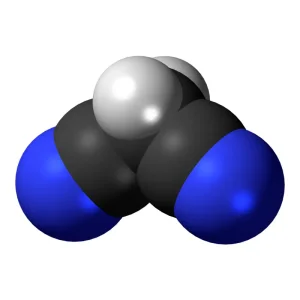
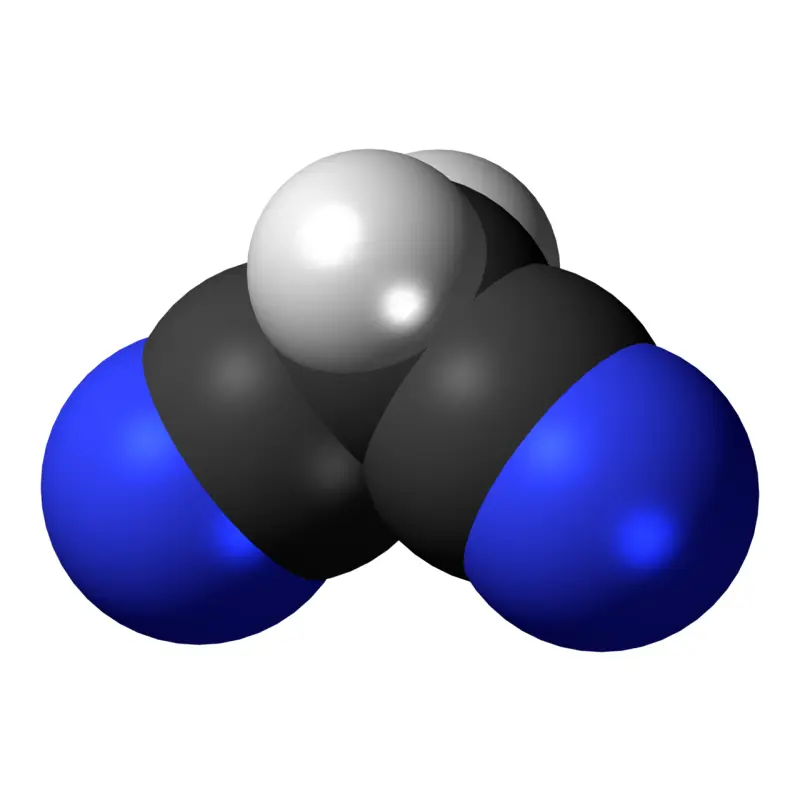
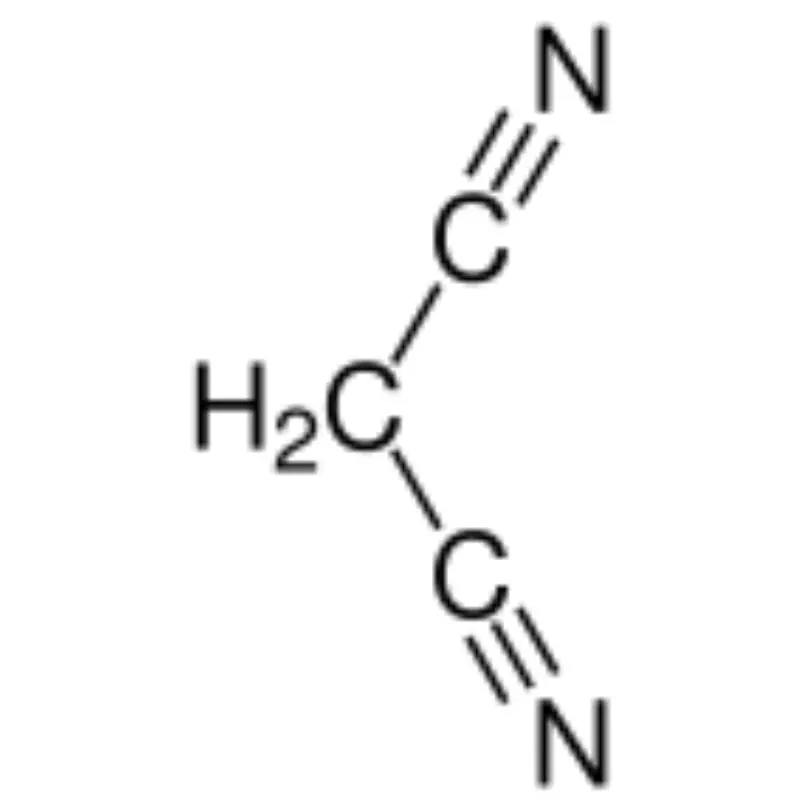
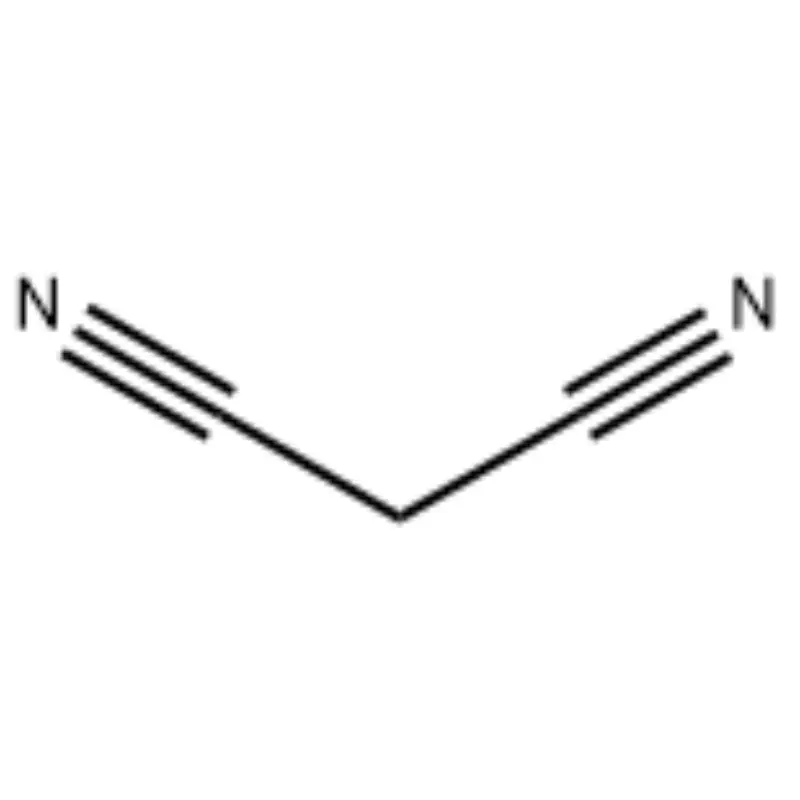
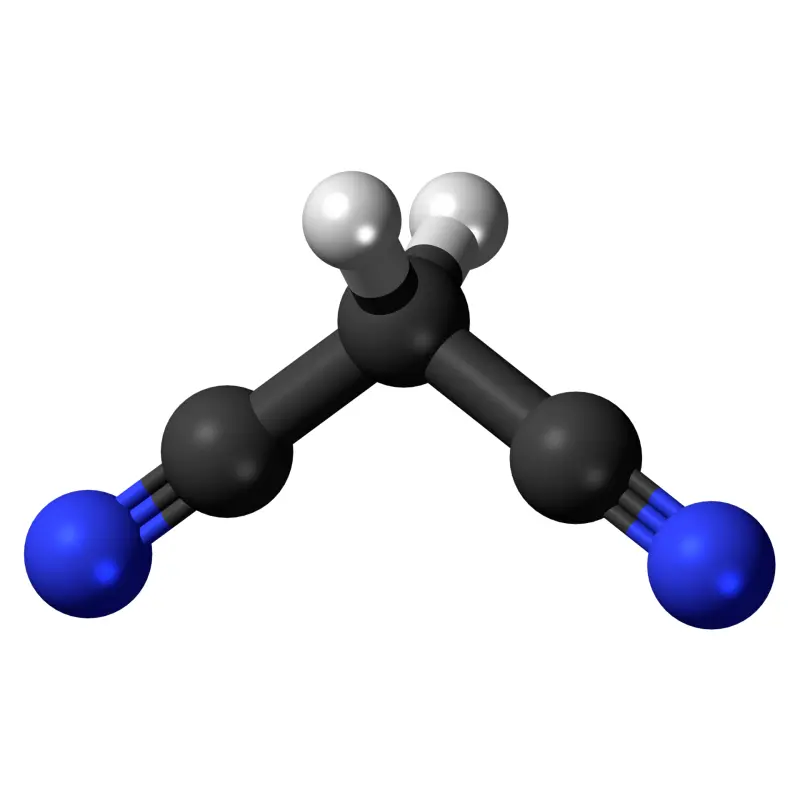
Malononitrile, also known as dicyanomethane, cyanoacetonitrile, is a colorless solid (<25℃), with a boiling point of 220℃, flash point of 112℃, specific gravity D434.2: 1.0488. It is readily soluble in water and dissolves in organic solvents such as benzene and alcohol, but is insoluble in cold water, carbon tetrachloride, petroleum ether and xylene. Malononitrile has two cyano groups and one active methylene group, showing strong chemical reactivity, with both carbon and nitrogen atoms capable of undergoing addition reactions; it can polymerize. This product is toxic, causing central nervous system disorders, and is corrosive and explosive. The LD50 for rats by intraperitoneal injection is 12.9 mg/kg.
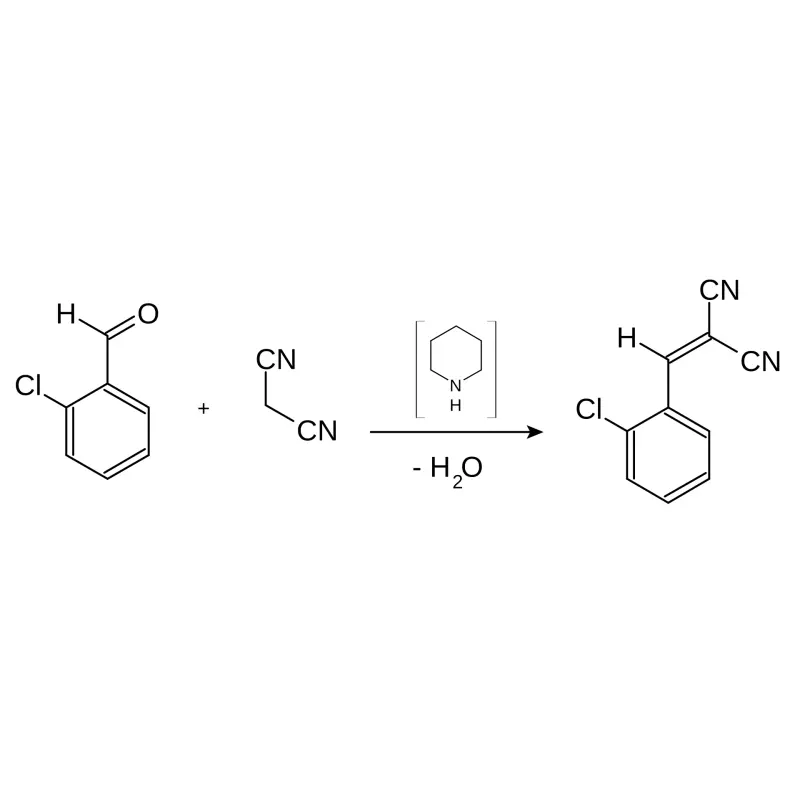
Organic synthetic raw materials. In the field of medicine, they are used to synthesize a series of important drugs such as vitamin B1, methotrexate, and triamterene. In the field of dyes, pesticides and other aspects, they also have important uses. They can also be used as an extractant for gold. Currently in China, they are mainly used for the production of triamterene, benizymuron, 1,4,5,8-naphthalene tetracarboxylic acid, and pyrimidine series products.
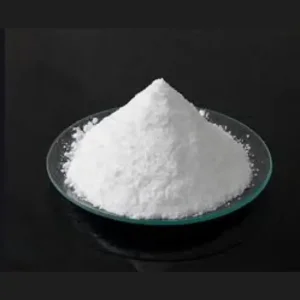
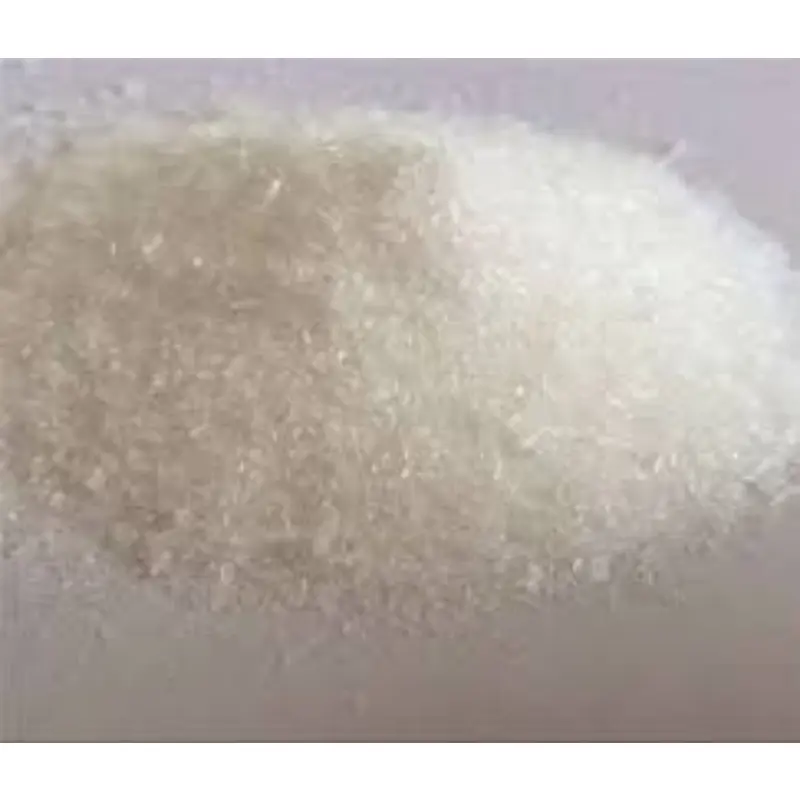
A: Malononitrile is a colorless solid (at temperatures below 25℃) or a white crystal, with a melting point of 32 to 34 degrees Celsius and a boiling point of 220 degrees Celsius.
A: It is highly soluble in water (13.3 g per 100 mL of water) and easily dissolves in organic solvents such as ether, benzene, and alcohol. However, it remains insoluble in cold water, carbon tetrachloride, petroleum ether, and xylene.
A: It is mainly used as an organic synthetic raw material to produce crucial pharmaceuticals like vitamin B1, methotrexate, and triamterene. It is also utilized in dyes, pesticides, gold extraction, and producing pyrimidine series products.
A: Malononitrile is highly toxic and corrosive. It can cause central nervous system disorders. It has an acute oral toxicity (LD50) of 13 mg/kg in mice and causes severe eye irritation in rabbit tests (5 mg/24 hours).
A: It should be stored in a dry, low-temperature, and well-ventilated warehouse. It must be kept strictly separated from oxidants, acids, and food additives.
A: In the event of a fire, suitable extinguishing agents include dry powder, foam, carbon dioxide, and sand.