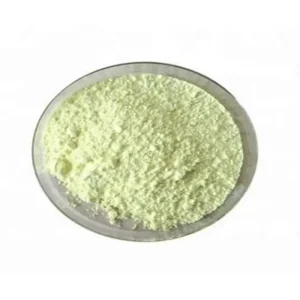
Historically, heat transfer fluid systems operated under severe thermodynamic limits. Rapid oxidation, high-temperature thermal cracking, and premature viscosity degradation have plagued industrial plants for decades. The development of Mineral Oil L-QC320 has dramatically mitigated these challenges. Utilized across pressurized and unpressurized closed-loop heat transfer networks, this refined base stock formulation delivers exceptional thermal stability up to continuous bulk operating temperatures of 300°C (with peak film limits reaching 320°C).
Shandong Saier Chemical Technology Development Co., Ltd. (established in 2004) has spent nearly two decades perfecting the formulation of high-boiling aromatic solvents and advanced heat transfer systems. Supported by a registered capital of 60 million yuan and an annual production capacity of 720,000 tons, our research team partners with primary refineries, including Sinopec, PetroChina, ChemChina, Zhejiang Petrochemical, and Hengli Petrochemical. This guarantees that our primary hydrocarbon inputs remain uncontaminated, chemically consistent, and optimized for advanced thermal applications.
Mineral Oil 320 (L-QC320) is produced through deep-vacuum fractional distillation of select paraffinic and naphthenic crude cuts, followed by severe hydrocracking and catalytic dewaxing. This intensive refining regime removes reactive unsaturated hydrocarbons, sulfur compounds, nitrogen compounds, and oxygen-carrying molecules. The result is a highly stable hydrocarbon matrix dominated by saturated carbon chains, which are resilient against thermal cracking and polymerization.
| Typical Properties | Test Standard (ASTM/GB) | Guaranteed Value Range | Saier High-Purity Grade |
|---|---|---|---|
| Density @ 20°C (g/cm³) | ASTM D4052 | 0.860 - 0.890 | 0.871 |
| Kinematic Viscosity @ 40°C (mm²/s) | ASTM D445 | 28.8 - 35.2 | 31.4 |
| Flash Point, PMCC (°C) | ASTM D93 | ≥ 210 | 218 |
| Auto-Ignition Temperature (°C) | ASTM E659 | ≥ 340 | 355 |
| Conradson Carbon Residue (wt %) | ASTM D189 | ≤ 0.05 | 0.015 |
| Maximum Bulk Temperature (°C) | Standard Practice | 300 | 300 |
| Maximum Film Temperature (°C) | Standard Practice | 320 | 320 |
The integration of specialty anti-oxidants and metal passivators plays a critical role. When heat transfer systems operate at high temperatures, contact with trace dissolved air can trigger oxidation chain reactions, creating organic acids and insoluble carbon sludge. Our L-QC320 utilizes a high-efficiency additive package that terminates free-radical chain reactions and forms a passive layer over internal pipe walls. This inhibits copper and iron from acting as catalysts for oil degradation.
In chemical processing plants, keeping reactors and polymerization vessels at constant temperatures is critical. L-QC320 provides precise heat control, preventing local hotspots and minimizing thermal cracking in materials like PVC and aromatic polymer backbones.
Asphalt mixing plants and roofing shingle production lines rely on heat transfer systems to keep heavy bitumen and binders fluid. L-QC320 offers low-viscosity startup performance and maintains high-flow rates at high operating temperatures.
Modern polymer extrusion and dying machines require uniform, high-temperature heat distribution. The thermal stability of our Mineral Oil 320 prevents volatile emissions, ensuring safe working conditions in textile plants.
Using high-purity L-QC320 directly impacts system operating costs. Mineral oils that contain impurities degrade faster, forming heavy carbon deposits on heat exchanger surfaces. This creates a thermal insulation barrier, forcing systems to consume more fuel or power to maintain the target temperature.
By eliminating cracked fraction elements and controlling low-boiling points, Shandong Saier's L-QC320 minimizes vapor pressure and cavitation risk. This protects circulating pumps, reduces high-pressure stress on pipe connections, and lowers system maintenance needs.
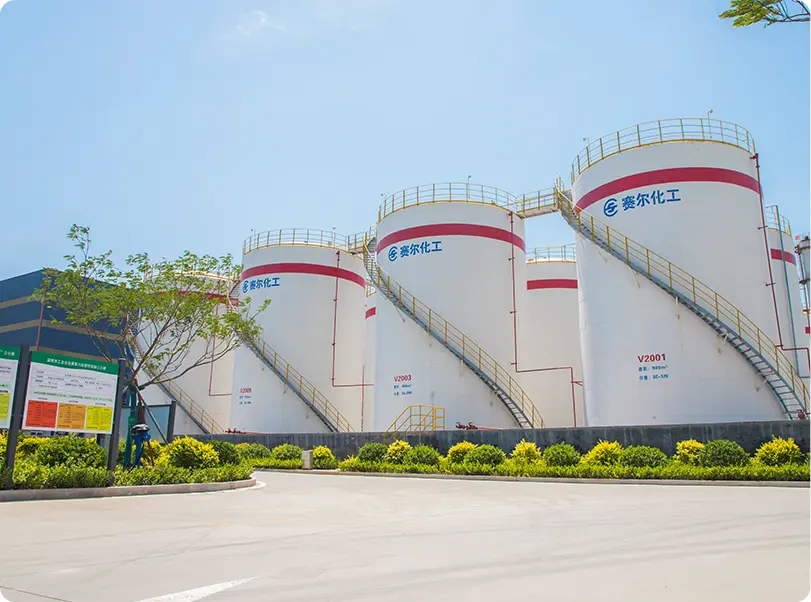
Shandong Saier Chemical's main production facility is located at Zibo City, Shandong Province, in the Qilu Chemical Industrial Park. This strategic location offers direct pipeline access and secure logistics connections to top petrochemical refineries. By integrating Industry 4.0 technologies, we maintain full control over the chemical composition of our products, from raw material arrival to final bulk loading.
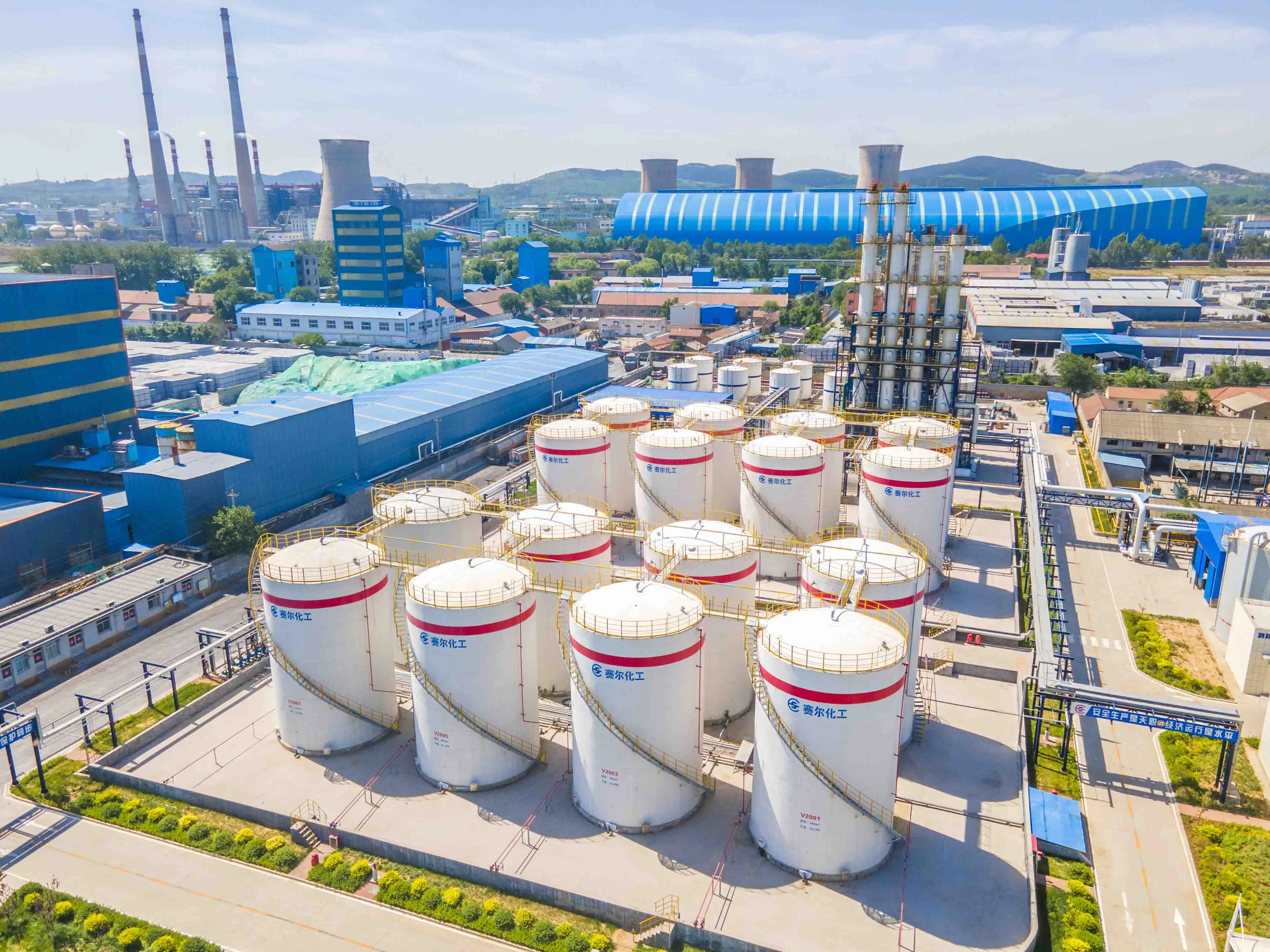
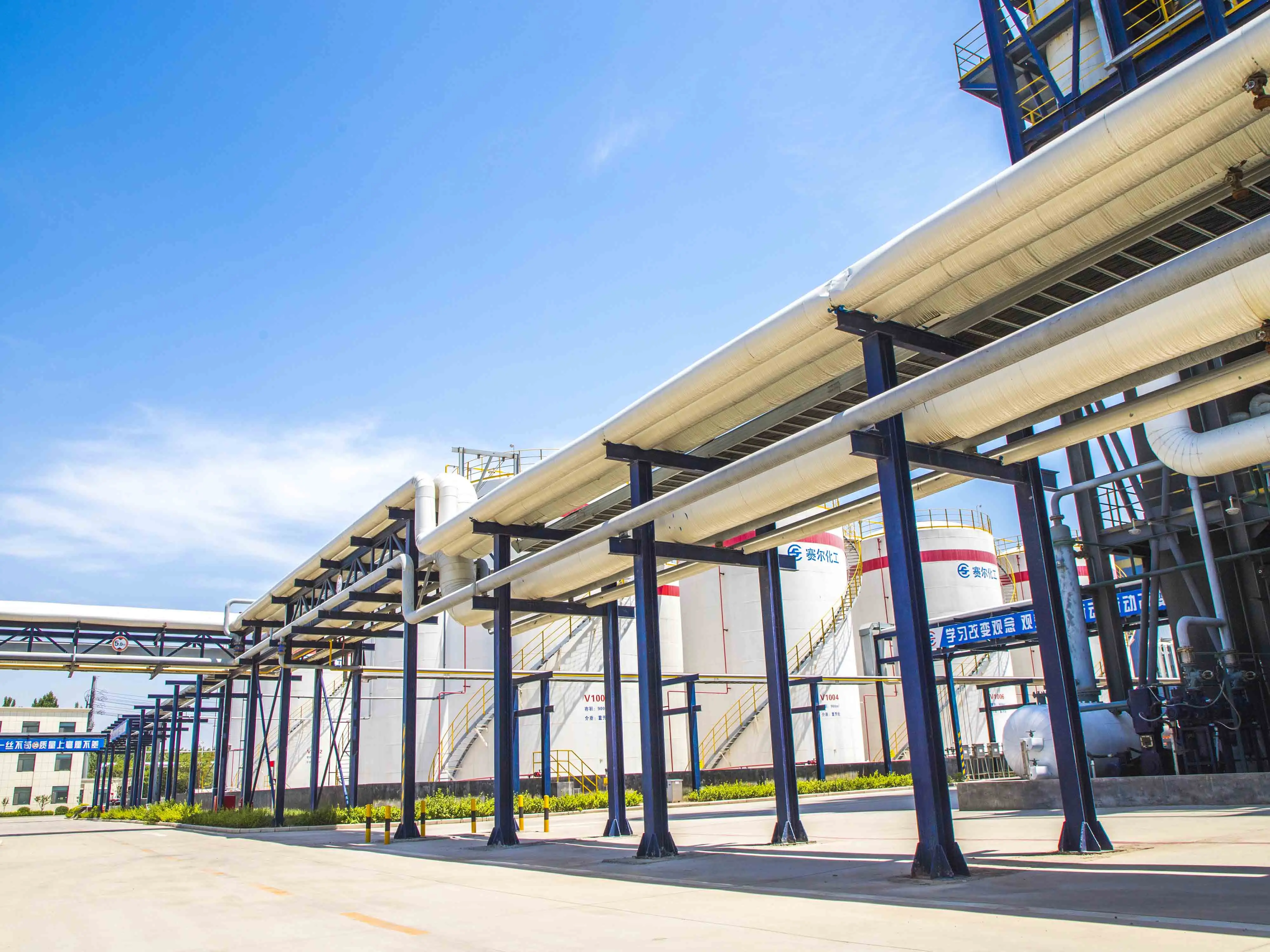
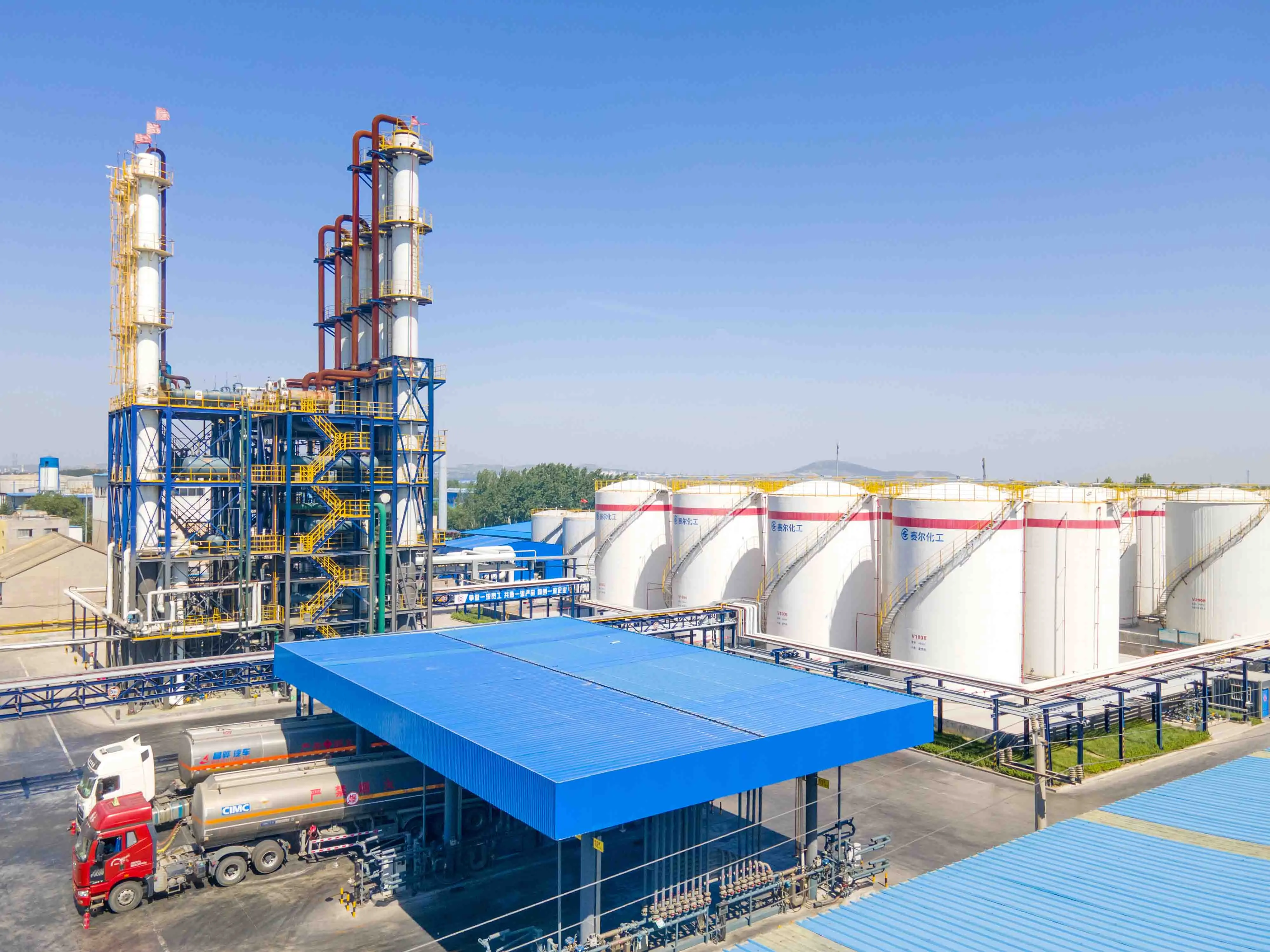
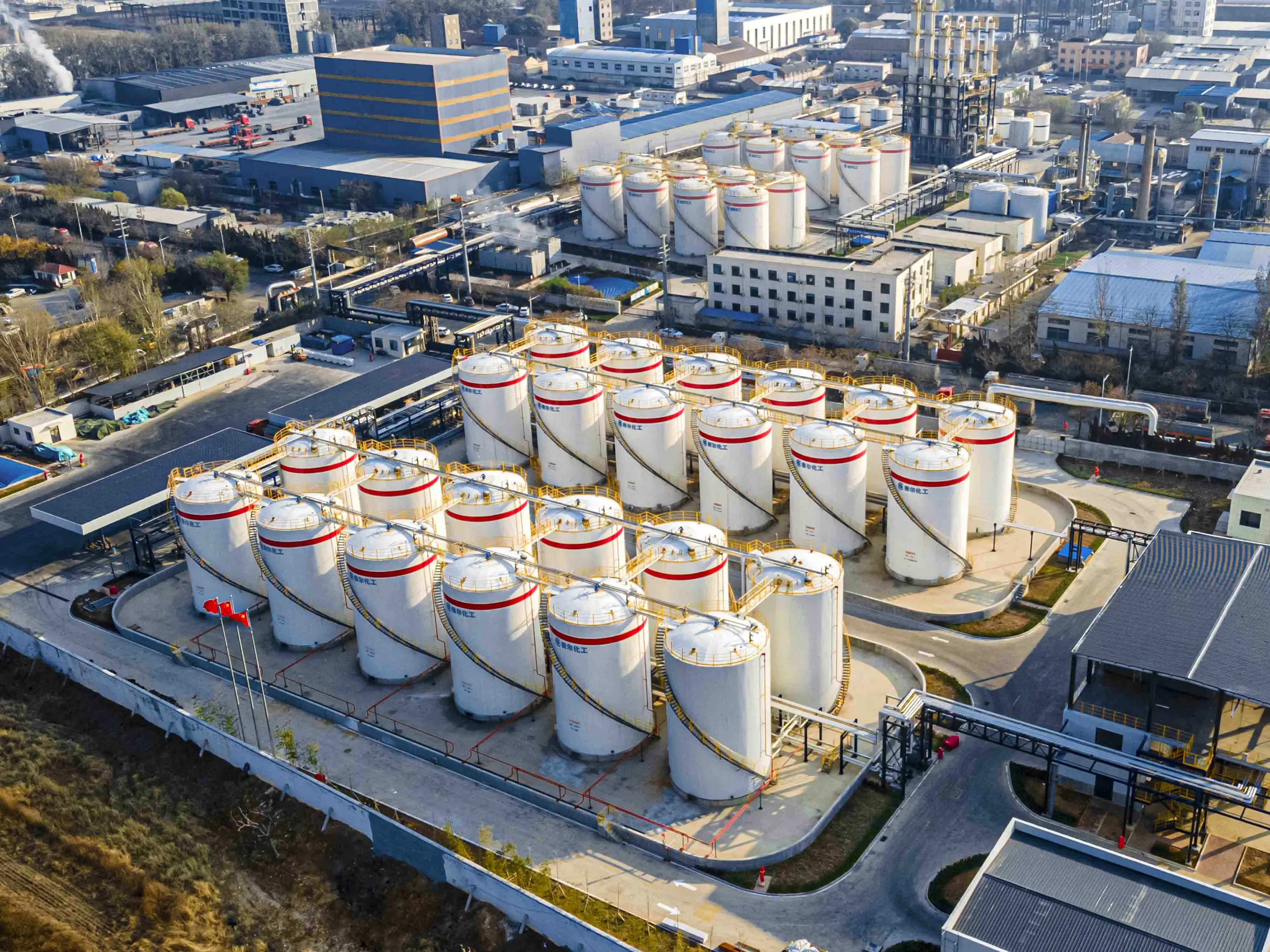
For global buyers, supply chain delays and raw material variance are major operational risks. Shandong Saier handles this by utilizing direct supply channels with Sinopec and PetroChina. This keeps our production lines running smoothly and protects our customers from price volatility and quality changes in the crude oil market.
Our automated blending and processing systems monitor physical properties like flash point, viscosity, and moisture levels in real-time. Any batch that deviates from our strict internal standards is automatically diverted, ensuring only high-quality heat transfer oil leaves the factory.
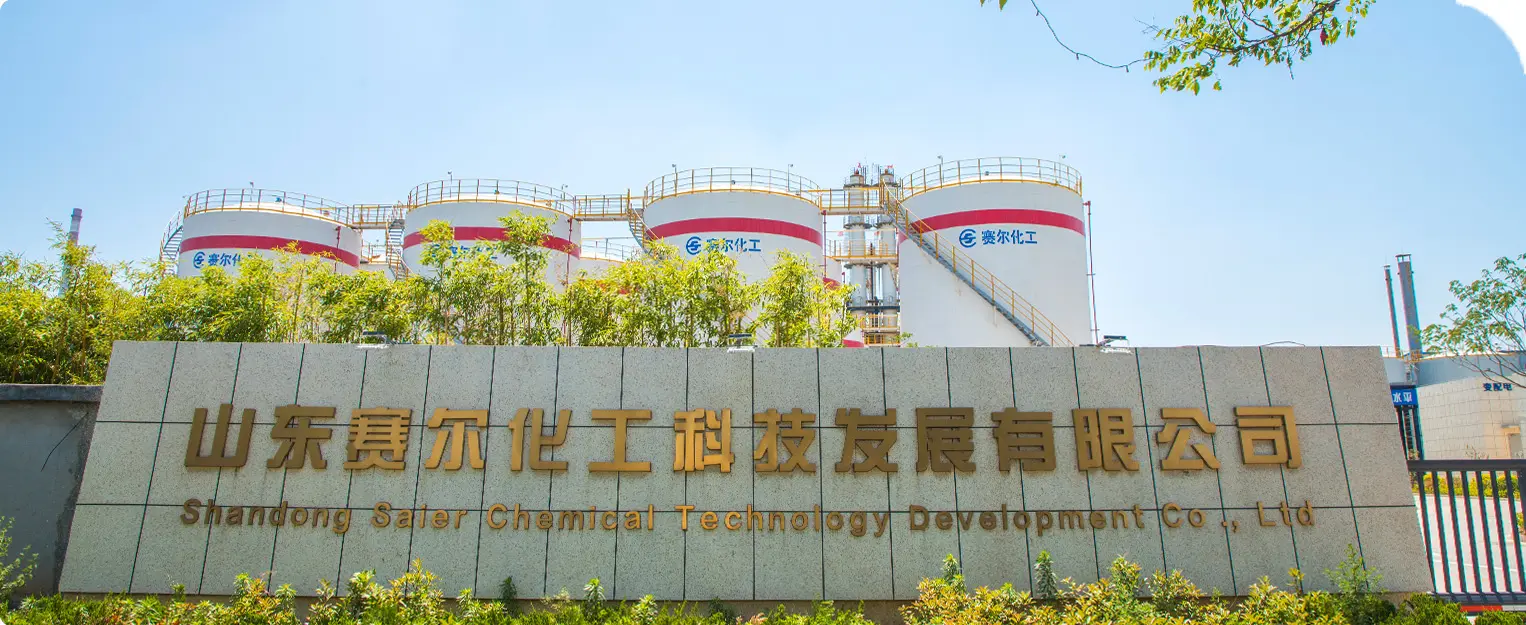
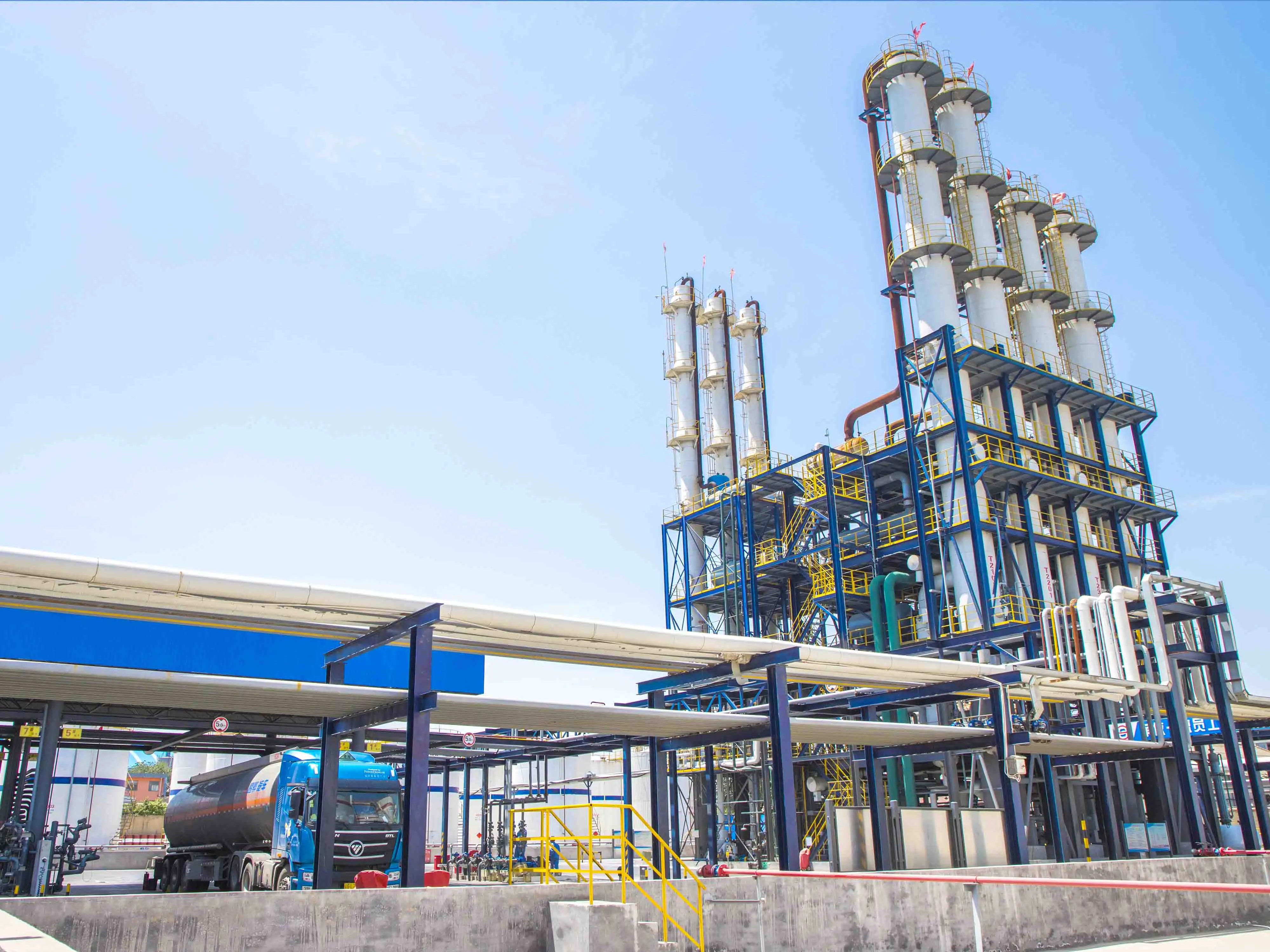
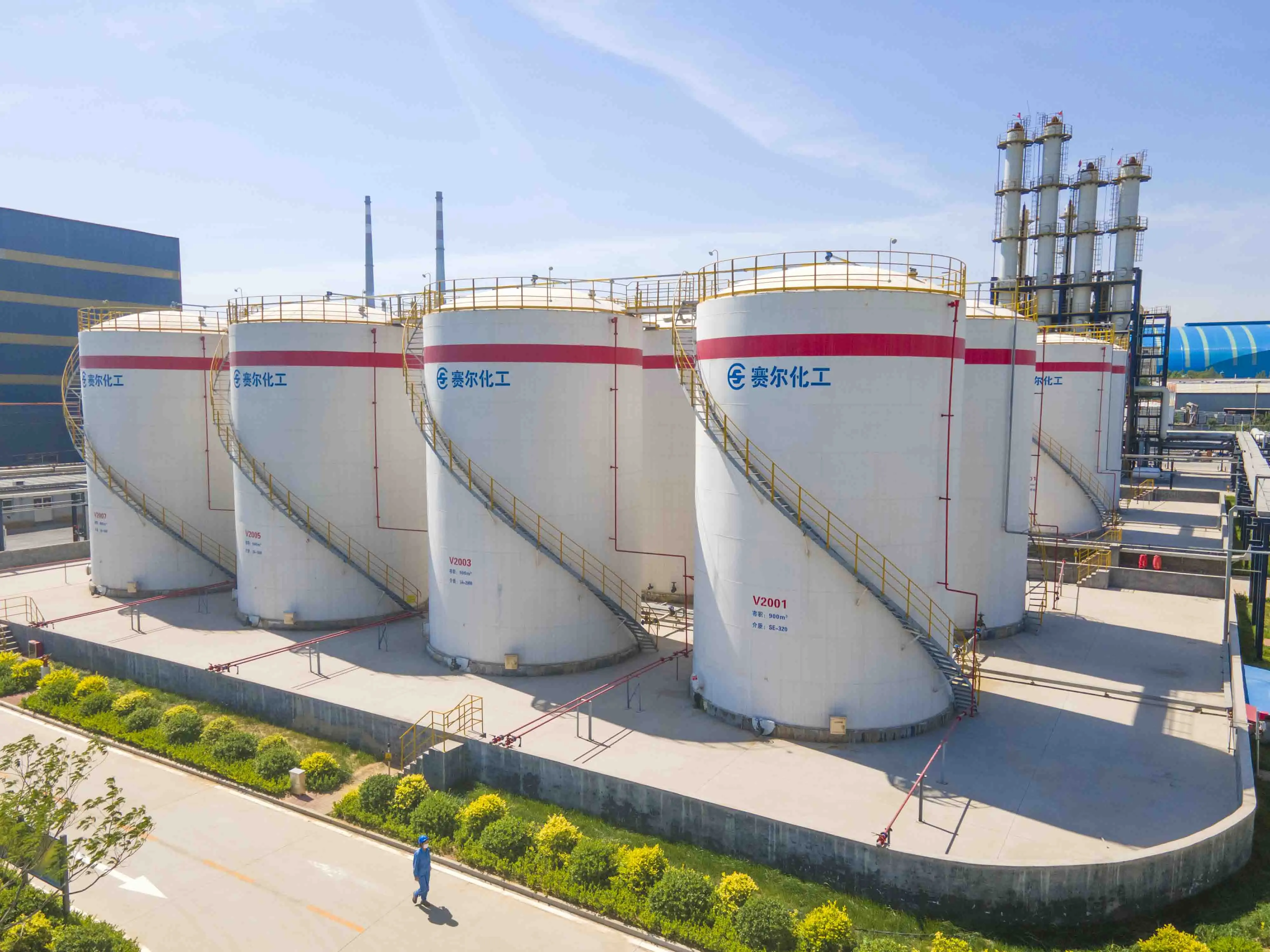
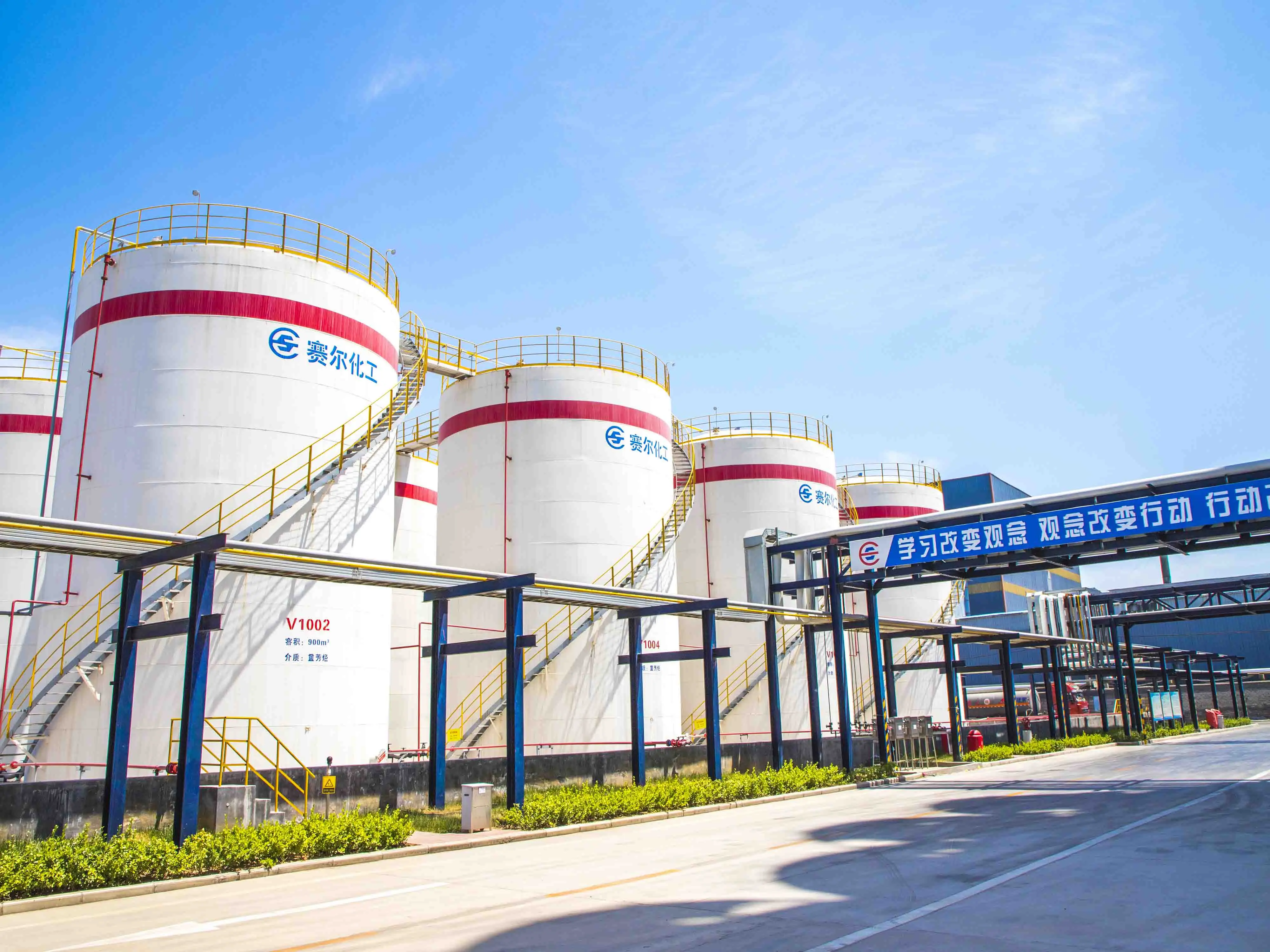
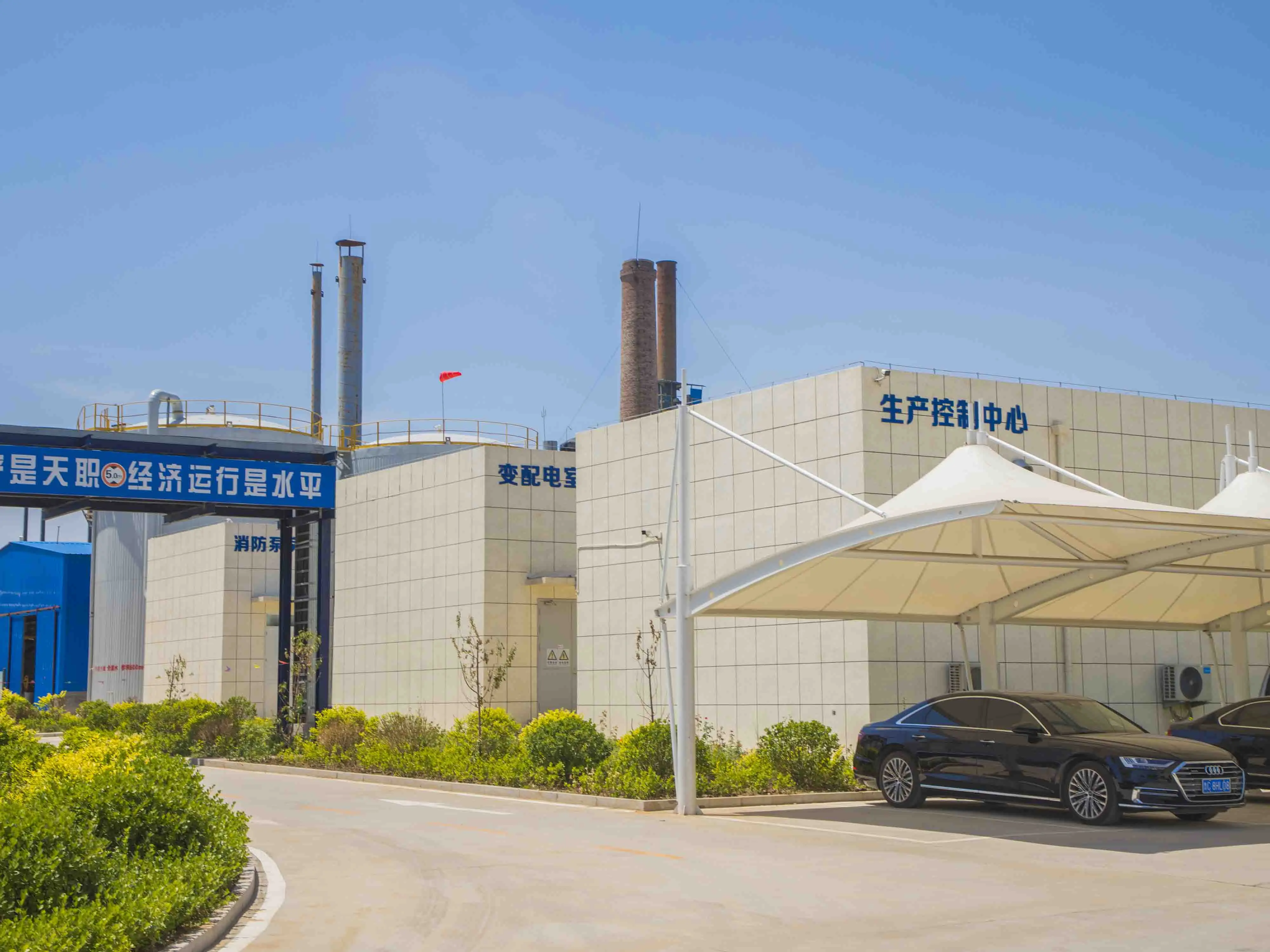
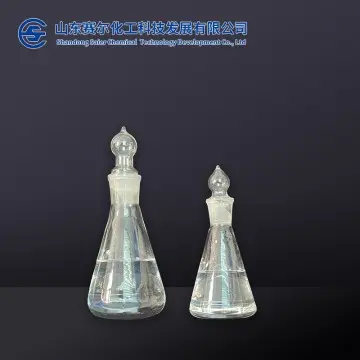
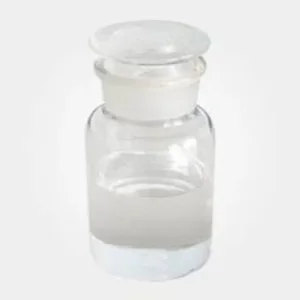
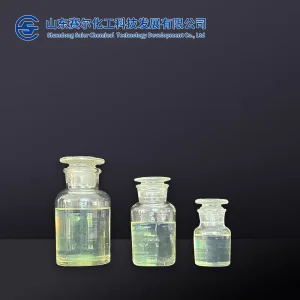
Colorless, highly transparent, and complies with international standards for aromatic solvents.
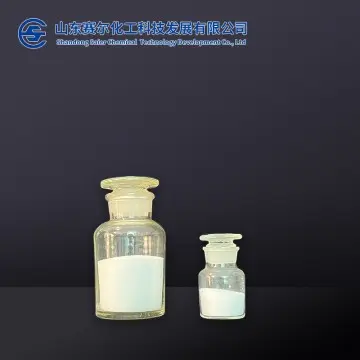
Custom intermediate synthesis utilizing high purity reagents under ISO9001 quality supervision.
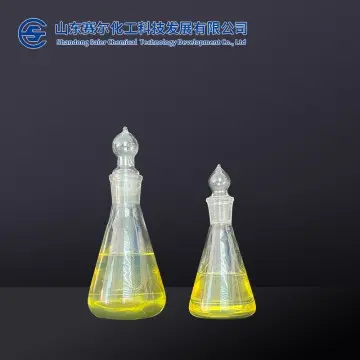
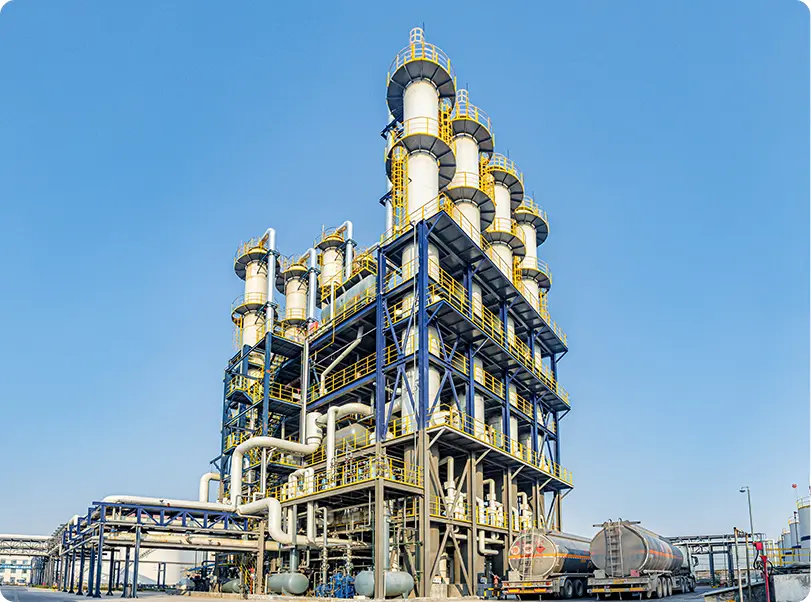
Specialized processing unit for deep dewaxing and formulation of premium heat transfer oil.
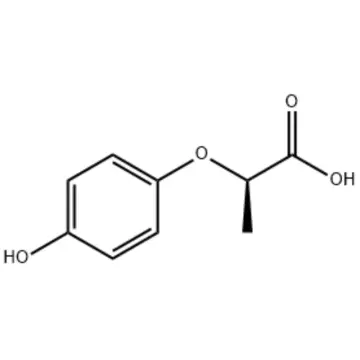
Broad range of fine chemical products and intermediates supporting industrial scale projects.
As the industrial sector moves toward carbon neutrality, thermal oil manufacturers are developing solutions with lower environmental impacts. The future roadmap for Mineral Oil 320 involves two primary goals: enhancing operational lifetime through advanced anti-oxidants and introducing bio-derived hydrocarbon base stocks.
Shandong Saier is currently researching next-generation bio-based paraffinic structures that provide the same thermal performance as traditional mineral oils, but with improved biodegradability. These future formulations are designed to work seamlessly with existing industrial systems, allowing plants to upgrade without changing their hardware.
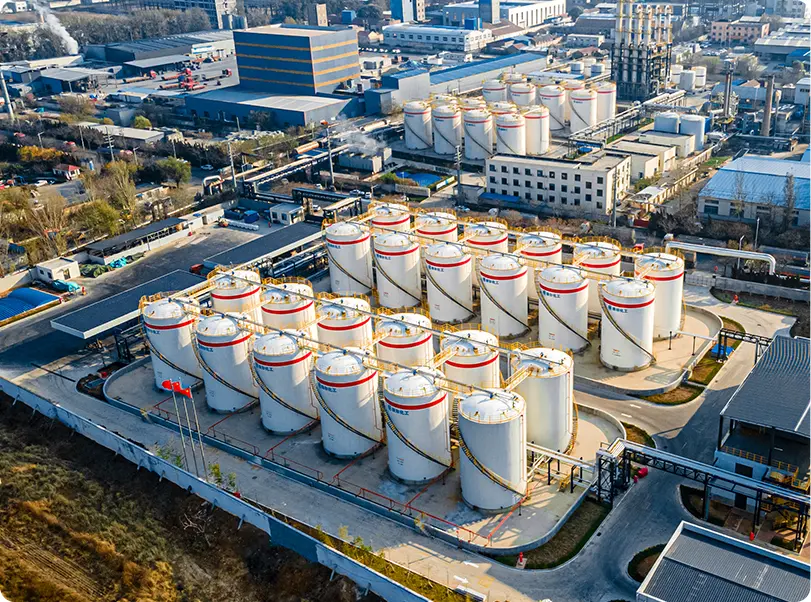
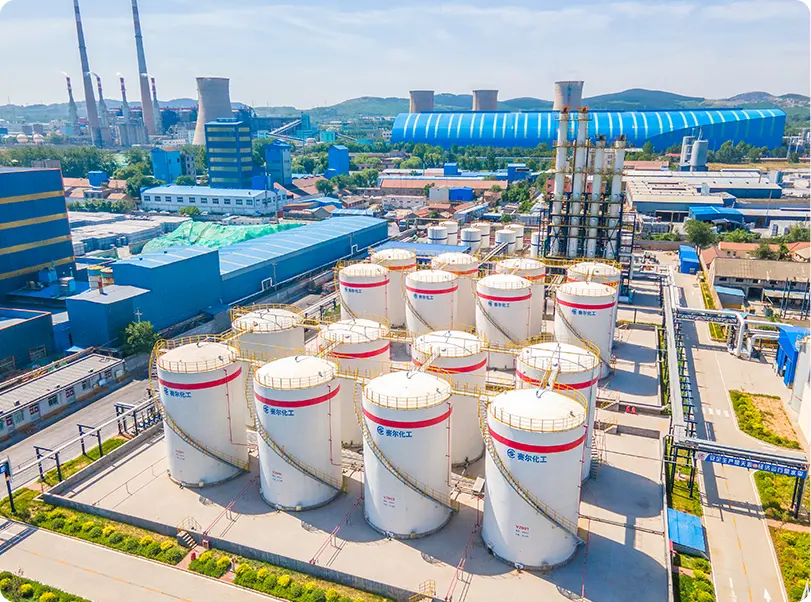
Exporting industrial chemicals requires strict adherence to international safety and quality standards. Shandong Saier operates under ISO 9001 and ISO 14001 certifications. Our L-QC320 thermal fluid is REACH-compliant, facilitating smooth import clearance in European and North American ports.
To prevent moisture ingress during shipping, we package our products in sealed steel drums or specialized ISO tanks. We also offer custom logistics solutions, including bulk road tankers for local regions and flexitanks for global sea shipping, keeping transport costs highly competitive.
Mineral Oil 320 (L-QC320) has a maximum bulk fluid temperature limit of 300°C. However, the system must be designed to prevent the boundary layer film temperature from exceeding 320°C. Going above these temperatures will accelerate thermal cracking and shorten the oil's lifetime.
Thermal cracking is caused by excessive temperature, which breaks the hydrocarbon molecules into smaller, more volatile compounds (low boilers) and heavier polymeric residues (high boilers). Fluid oxidation occurs when hot oil reacts with oxygen, producing organic acids, varnish, and carbon sludge. Regular nitrogen blanketing of the expansion tank is key to avoiding oxidation.
With proper system maintenance (preventing air contact, keeping flow velocities above 2 m/s, and avoiding hot shutdowns), our L-QC320 heat transfer oil can operate reliably for 3 to 5 years. We recommend conducting annual fluid tests to track viscosity changes and acid build-up.
L-QC320 is compatible with most other mineral-based heat transfer fluids of similar viscosity grades. However, mixing different oil brands can dilute the additive package, potentially reducing oxidation resistance. Mixing mineral oils with synthetic fluids (like aromatics or silicones) should be avoided, as it can cause phase separation and fluid degradation.
L-QC320 remains pumpable down to approximately -10°C, with a pour point below -15°C. For systems operating in extremely cold climates, trace heating on external loops or a low-temperature startup procedure may be required to prevent high torque on the circulation pumps.
Optimize your high-temperature heating operations with our ultra-pure L-QC320 formulation. Contact our technical team today for direct factory pricing, laboratory test reports, and global shipping options.
Have Any Question? Call us Free: +86 15853357907
Contact Our Technical Engineers Saier Chemical