OEM Hypophosphorous acid HO2P CAS:6303-21-5 Supplier, Manufacturers

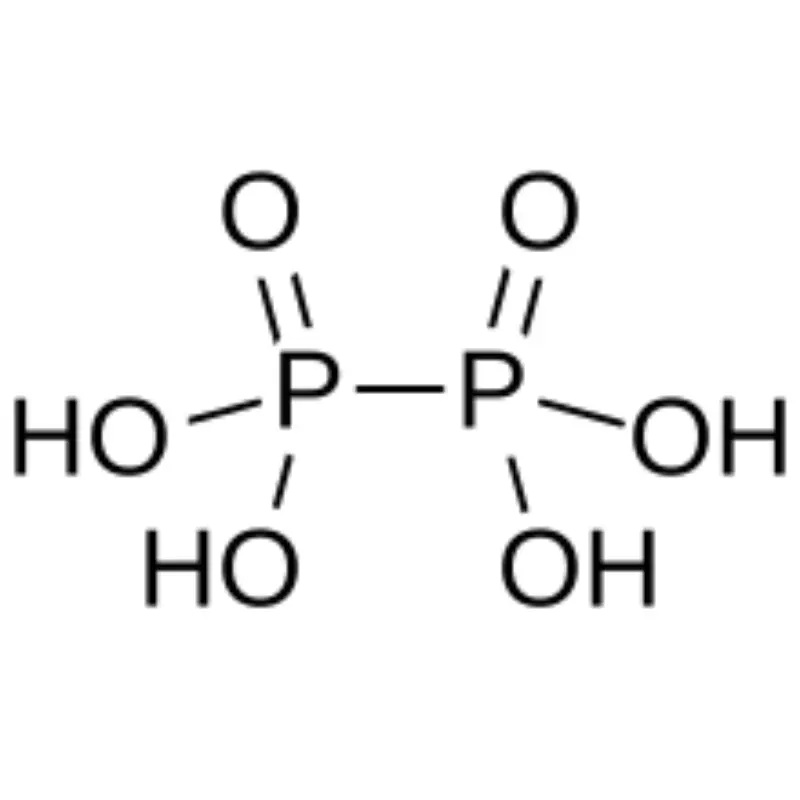
Hypophosphoric acid is a mineral acid with the formula H4P2O6, with phosphorus in a formal oxidation state of +4. In the solid state it is present as the dihydrate, H4P2O6·2H2O. In hypophosphoric acid the phosphorus atoms are identical and joined directly with a P−P bond. Isohypophosphoric acid is a structural isomer of hypophosphoric acid in which one phosphorus has a hydrogen directedly bonded to it and that phosphorus atom is linked to the other one by an oxygen bridge to give a phosphorous acid/phosphoric acid mixed anhydride. The two phosphorus atoms are in the +3 and +5 oxidation states, respectively.

Product Description

Disulfuric acid, also known as "secondary hypophosphoric acid", is a colorless oily or deliquescent crystal. It is an important product in fine chemicals. Disulfuric acid is a reducing agent and a strong monoprotic acid. Its aqueous solution is acidic and it can gradually oxidize in the air at room temperature. Contact with H2O2 will cause combustion. It will also burn when reacting vigorously with oxidants. It can decompose into highly toxic phosphine gas under high heat, even causing explosion. It is corrosive.

Disulfuric acid is often added to soft drinks because it is not absorbed. Therefore, it has low danger, but very concentrated disulfuric acid can harm the gastrointestinal tract. When the solid acid is heated to 130-140°C, it will undergo disproportionation decomposition into PH3 and H3PO4.

It is a rather strong monoprotic acid (K = 9×10⁻²). Its main uses are as a reducing agent for chemical plating, to prevent the discoloration of phosphoric resin, and can also be used as a catalyst in esterification reactions, refrigerants, especially for the production of high-purity disodium disulfide. There are various preparation methods for disulfuric acid, among which the common industrial preparation methods include ion exchange resin method and electrodialysis method, etc.
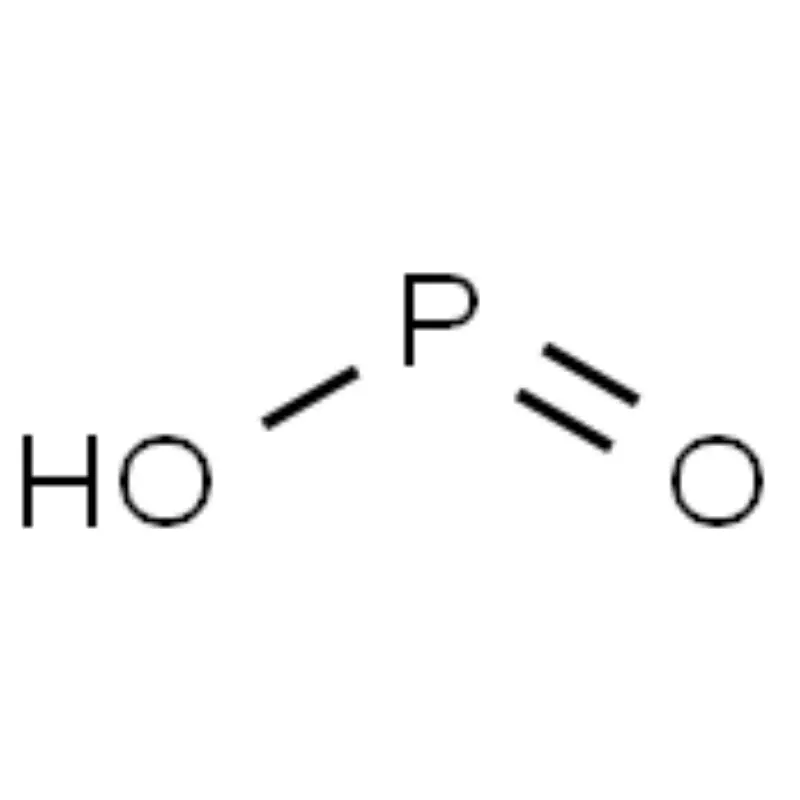
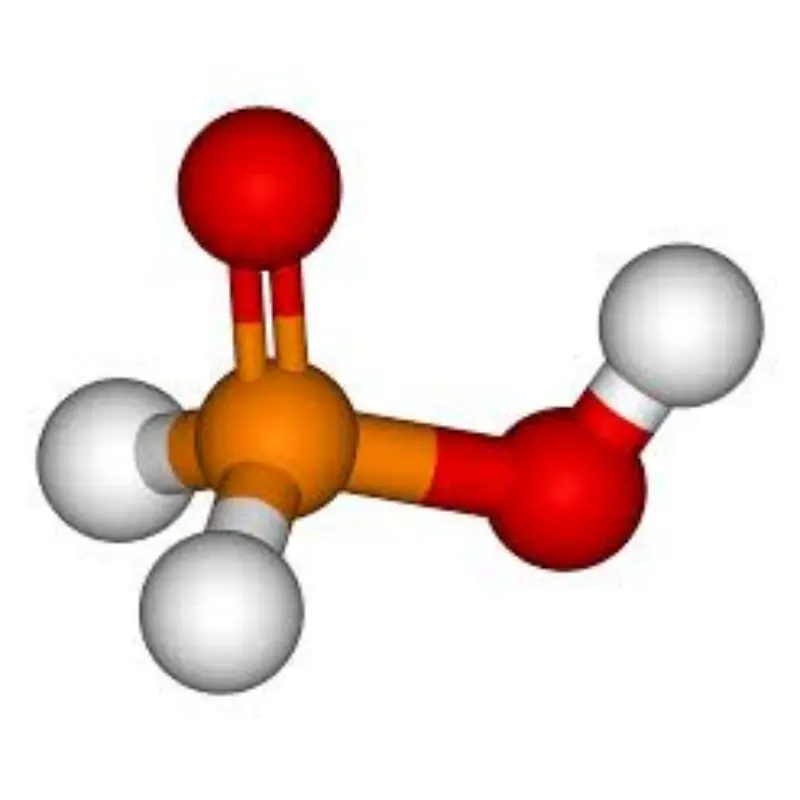
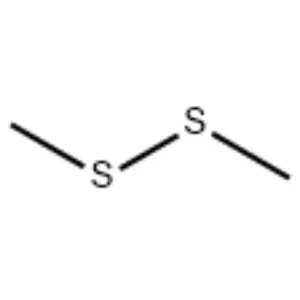
Chemical Structure
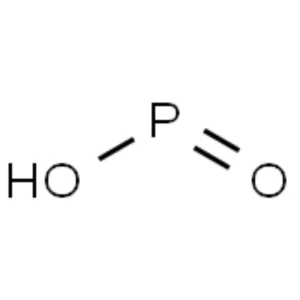
Hypophosphoric Acid representation
Chemical diagram
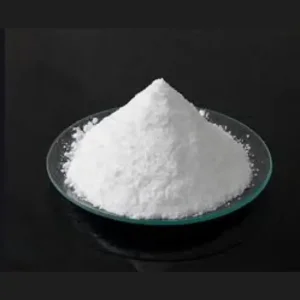
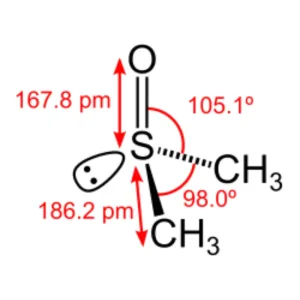
Acid sample representation
  • Physical Form: Colorless oily or deliquescent crystals. Melting point: 26.5°C. Relative density (specific gravity): 1.439 (solid, 19°C). Soluble in water, ethanol and ether, and can be mixed with water, ethanol and acetone in any proportion. It deliquesces into a paste-like liquid in air and the aqueous solution is acidic.
  • Acidic Properties: Hypophosphorous acid is a monoprotic acid. In aqueous solution, hypophosphorous acid is a moderately strong acid with Ka = 10⁻² (at 25°C); it is relatively stable at room temperature. At 130°C, it undergoes disproportionation reaction and decomposes into phosphine and phosphorous acid:
    Reaction formula
  • Reducing Capability: It has extremely strong reducing property and can reduce heavy metal salt solutions to the corresponding metals, such as Cu²⁺, Hg²⁺, Ag⁺ etc.
  • Oxidizing Property: Weak oxidizing agent, when encountering strong reducing agent, itself is reduced to phosphine or phosphine hydride.
  • Toxicity & Handling: Non-flammable. However, contact with H-oxidizing agent will cause combustion. React violently with oxidizers and burn. Decompose under high heat to produce highly toxic phosphine gas, even leading to explosion. Corrosive. Sodium hypophosphite is often added to soft drinks because it is not absorbed by the human body. Therefore, the danger is relatively low, but extremely concentrated sodium hypophosphite can harm the gastrointestinal tract. In case of accidental splashing into eyes or skin contact, rinse with plenty of water. Production operators should wear protective clothing and other labor protection equipment. The production equipment is sealed and the workshop has good ventilation.
  • Chemical Solubility: Colorless oily liquid or hygroscopic crystals. Soluble in hot water, ethanol and ether. Insoluble in cold water.
  • As a reducing agent for electroless plating.
  • To prevent the discoloration of phosphate resin.
  • As a catalyst and refrigerant for esterification.
  • To produce Phosphate salts, whose sodium salts, manganese salts, iron salts, etc. are usually used as tonics.
  • For medicine and as a reducing agent, for the determination of arsenic, tellurium and separation of tantalum, niobium, etc.
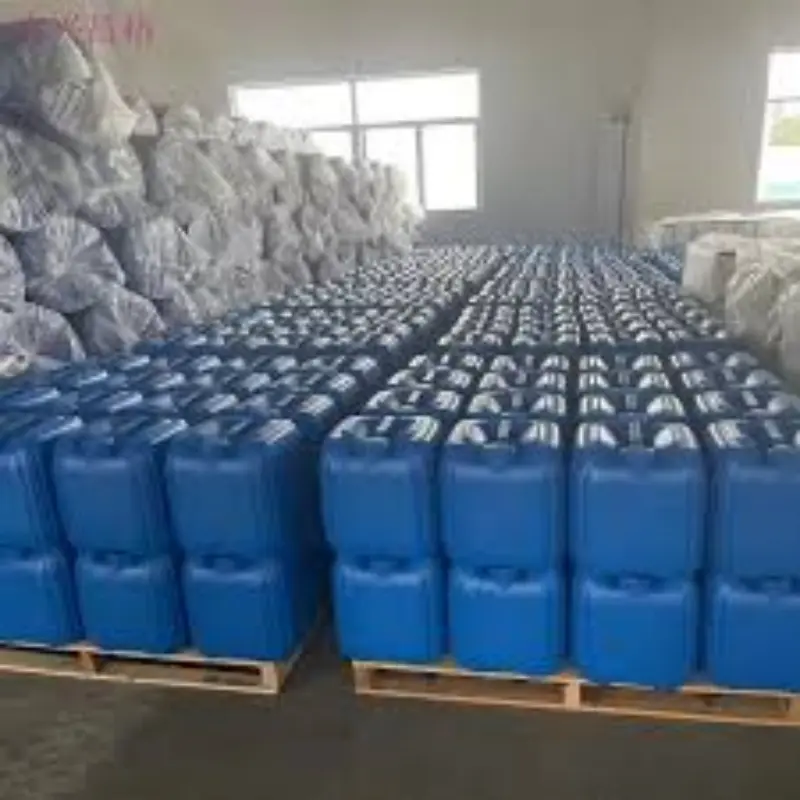
25KG Bag
Frequently Asked Questions
QWhat is Disulfuric acid and what are its key properties?
Disulfuric acid, also known as secondary hypophosphoric acid, is a colorless oily or deliquescent crystal. It is a strong monoprotic acid (K = 9×10⁻²) and a powerful reducing agent that acts as a key component in fine chemicals.
QWhat happens to Disulfuric acid under high temperature?
At temperatures of 130-140°C, Disulfuric acid undergoes disproportionation decomposition. This reaction converts the acid into phosphine gas (PH3), which is highly toxic, and phosphoric acid (H3PO4).
QWhat are the main industrial uses of Disulfuric acid?
Its primary applications include serving as a reducing agent for electroless plating, preventing the discoloration of phosphate resins, functioning as an esterification catalyst or refrigerant, and aiding in the synthesis of phosphate salts and pharmaceutical compounds.
QIs Disulfuric acid hazardous to handle?
Yes, it is corrosive and can decompose under high heat to generate highly toxic phosphine gas, posing explosion risks. It reacts violently with oxidants and can combust when in contact with hydrogen peroxide. Operators should wear full protective gear in well-ventilated spaces.
QHow is Disulfuric acid packaged for transport and storage?
Disulfuric acid is typically supplied and stored in 25KG Bags. Due to its hygroscopic and corrosive characteristics, the product must be kept tightly sealed in a controlled environment.

Related Products