Direct supply from state-of-the-art Chinese manufacturing facilities to Milan's chemical engineering, pharmaceutical, and high-temperature manufacturing complexes.
As the heart of Lombardy—one of Europe’s most industrial and economically dominant regions—Milan stands at the crossroads of traditional manufacturing and modern sustainability. From massive chemical processing facilities and pharmaceutical hubs in the metropolitan outskirts to textile mills and plastics manufacturers, the demand for precise, reliable heat management is paramount.
The current industrial landscape in Italy, specifically in Milan's industrial zones, is characterized by a rapid transition towards lowering carbon footprints and maximizing energy efficiency. Closed-loop, non-pressurized high-temperature liquid phase systems utilizing heat transfer fluids like L-QC320 have become the preferred choice over steam boilers. They deliver continuous, stable thermal energy at temperatures up to 320°C without the extreme pressures of steam systems, dramatically lowering equipment wear and operational safety risks.
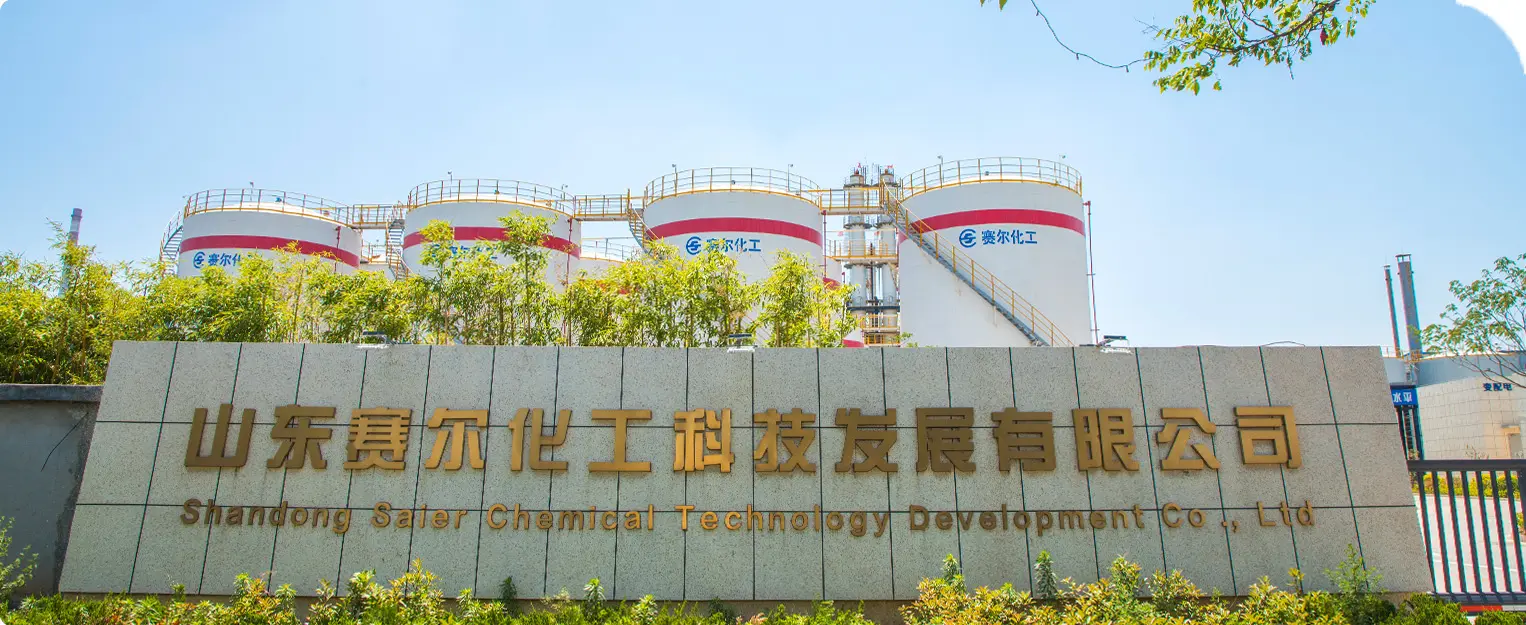
Industrial thermal oils must balance high thermal stability, oxidation resistance, and safety parameters to minimize carbon sludge deposits and system downtime.
Designed with deeply refined paraffinic base oils combined with advanced thermal stabilizers. It prevents cracking and polymerization at bulk operating temperatures up to 320°C, extending the oil change interval.
Enhanced with high-temperature antioxidants that delay the reaction with air, minimizing carbon residue buildup (carbon sludging) and maintaining heat transfer efficiency over years of continuous operation.
Features optimal viscosity profiles at both low cold-startup temperatures and maximum operational bulk limits, ensuring excellent pumpability and efficient convective heat transfer coefficients.
Technical Insight: Regular testing of acid value, viscosity change, flash point, and insoluble content of the L-QC320 in closed systems is crucial. By keeping the thermal fluid within normal parameters, Milan's chemical plants can reduce overall energy consumption by up to 12% annually.
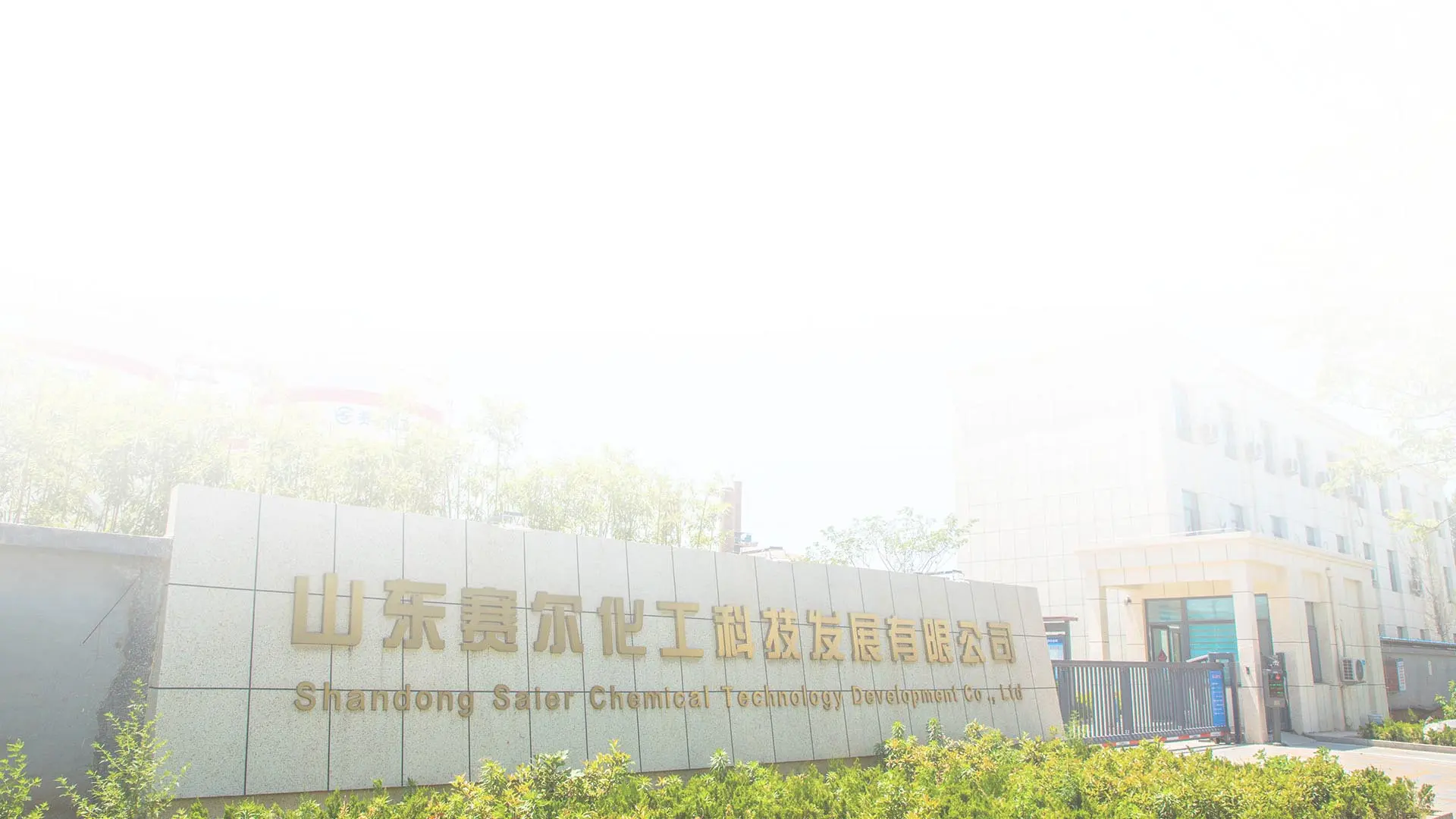
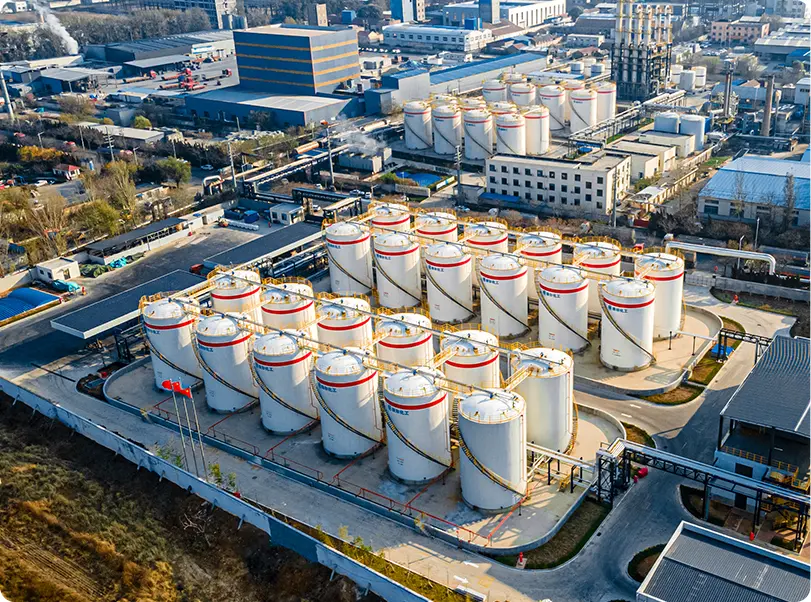
Founded in December 2004 with a registered capital of 60 million yuan, Shandong Saier Chemical Technology Development Co., Ltd. has established a formidable global footprint. Situated at No. 207, WeiLiu Road, Qilu Chemical Industrial Park, Linzi, Zibo City, Shandong Province, the company sits at the heart of one of China's most advanced chemical manufacturing clusters.
Saier Chemical commands a production capacity of 720,000 tons per year. We source high-grade raw materials directly from major domestic refiners and aromatic giants like Sinopec, PetroChina, ChemChina, Zhejiang Petrochemical, and Hengli Petrochemical. This assures unparalleled consistency and security of supply for global industrial users, including key European markets like Milan, Turin, and the wider Italian chemical valley.
How Shandong Saier leverages advanced production, smart inventory control, and optimized maritime logistics routes to serve the Italian market.
Utilizing continuous rectification columns with automated DCS controls, we isolate high-boiling aromatic solvents (S100, S150, S150ND, S180, S200) and thermal fluid precursors with high precision, eliminating volatile fractions that lower flash points.
By leveraging deep vertical integrations and pipeline links with regional refineries like Sinopec and PetroChina, our factory is immune to short-term market disruptions, securing stable pricing even during geopolitical volatility.
Through close partnerships with shipping lines departing from Qingdao Port directly to Italian hubs like Genoa, La Spezia, and Venice, we ensure reliable delivery of bulk drums, IBC totes, and ISO tanks directly to Milanese logistics warehouses.
From petrochemical synthesis to pharmaceutical production and textile coating, our products serve the heavy-duty industrial fabric of Lombardy.
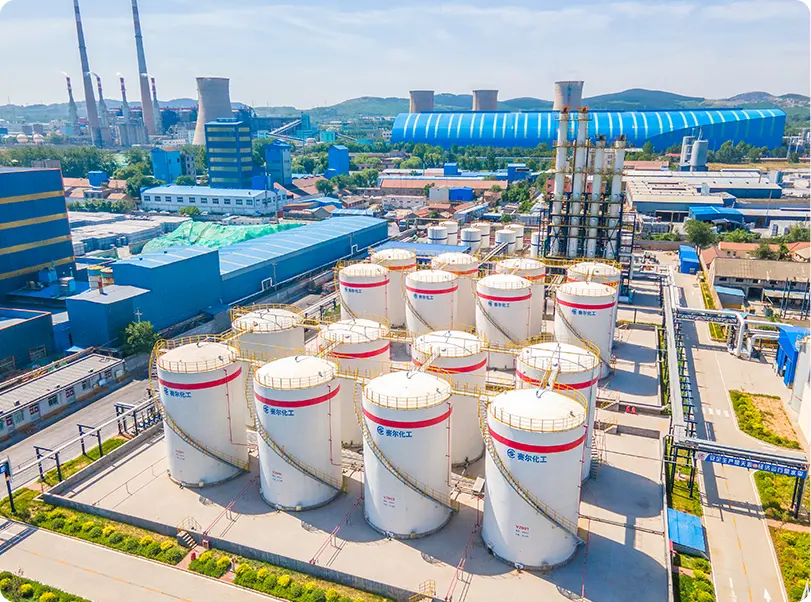
Providing precision temperature control for high-temperature reactors in chemical synthesis loops, ensuring stable polymerization and distillation processes.
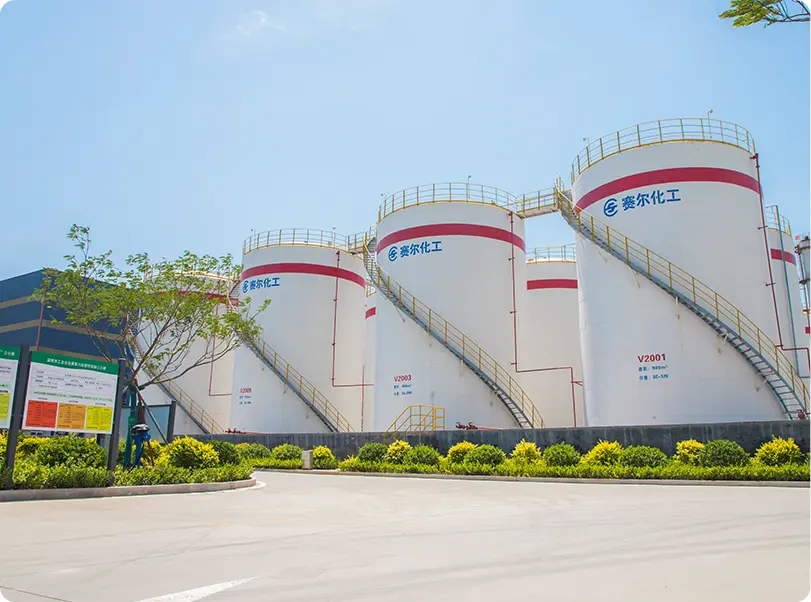
Supporting Lombardy's pharmaceutical clusters with uniform heat distribution, preventing hot spots and degradation of sensitive active compounds during vacuum distillation.
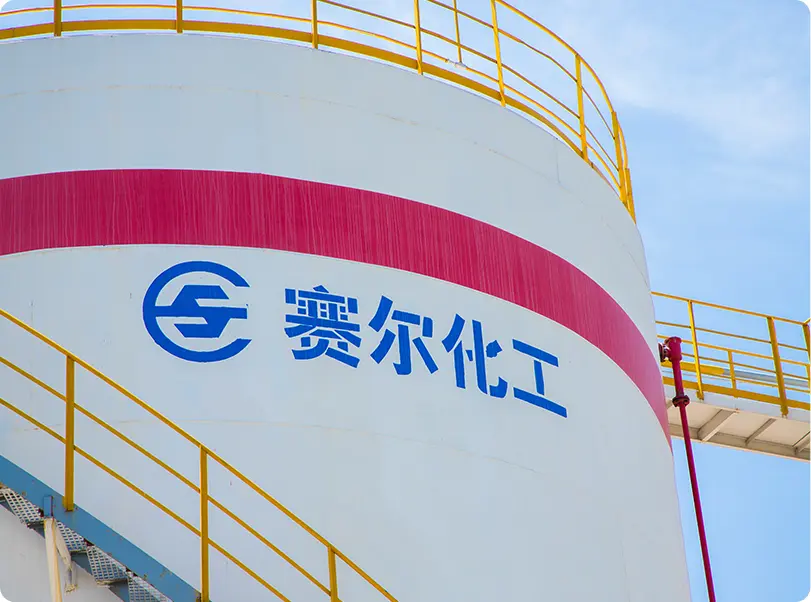
Enabling consistent heating of calendering rolls and extrusion dies for plastic sheet and synthetic fiber manufacturing plants situated in Northern Italy.
Trading with the EU requires absolute alignment with complex regulatory frameworks. Shandong Saier Chemical provides comprehensive compliance packages, including REACH registrations for our primary exports and SDS documentation matching CLP regulations. We work with local Italian representatives to facilitate straightforward customs procedures.
Beyond logistics, we offer a dedicated *Fluid Management Program* for Milanese plants. This includes routine lab tests of used thermal oil (carbon residue, flash point changes, acid value increases), helping engineering managers plan preventive flushes and replacements, thereby eliminating unexpected shut-downs.
Expert answers addressing the concerns of procurement officers, mechanical engineers, and chemical plant directors.
In a properly designed closed-loop system equipped with an inert gas (nitrogen) blanket, L-QC320 can maintain high heat transfer efficiency for 3 to 5 years. Minimizing contact with air prevents premature oxidation.
We work with leading compliance consultants in the EU to register our main chemical products and solvent naphtha components, providing fully compliant Safety Data Sheets (SDS) in Italian and English.
We supply in standard 200L steel drums (4 drums per pallet), 1000L IBC totes, or directly via ISO tank containers for high-volume consumers, optimizing shipping safety and cost-efficiency.
L-QC320 offers a highly cost-effective solution for applications running up to 320°C. Synthetic oils are suitable for ultra-high temperatures but carry higher initial costs, making L-QC320 the economic choice for standard medium-to-high temperature processes.
A drop in flash point indicates light-end thermal cracking, while a significant viscosity increase or high acid value indicates oxidation. A noticeable drop in boiler efficiency or cold spots in the heating loop point to carbon sludging.
We strongly recommend against mixing different brands of thermal fluids. Varied additive packages can react, forming precipitates that block heat-exchanger tubes. A complete flush and clean are advised before changing fluids.
Leveraging raw materials from Sinopec and PetroChina, our factory outputs premium fine chemicals, solvents, and specialty intermediates for the Milanese industrial markets.
 Saier Chemical