Saier Chemical
1 / 3
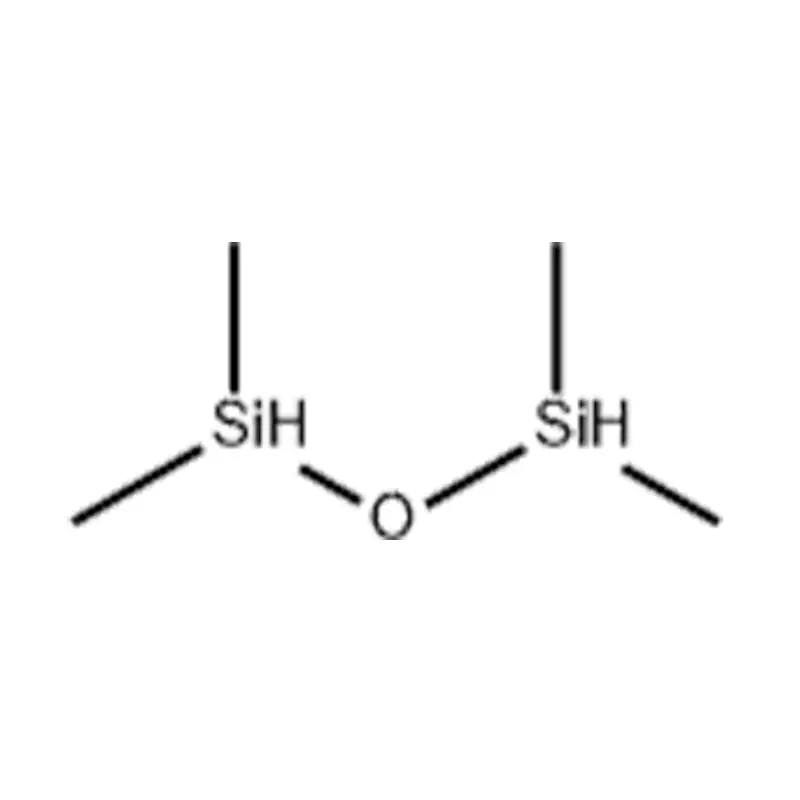
The molecule contains silicon-hydrogen bonds (Si-H), which are active to a certain extent and can undergo a variety of chemical reactions, such as silylation reactions with compounds containing double or triple bonds, and hydrolysis and polycondensation reactions under the action of catalysts.
1,1,3,3-Tetramethyldisiloxane plays a pivotal role in the silicone industry. It is widely used in the preparation of various polysiloxane products, including hydroxy silicone oil, silicone rubber, silicone resin and various coupling agents. As the market's requirements for the cost-effectiveness of silicone products continue to increase, the importance of 1,1,3,3-tetramethyldisiloxane for fine adjustment of the structure of silicone products has become more prominent. Among the many organosilicon alcohols, it has received widespread attention.
| Property | Value / Specification |
|---|---|
| Melting Point | < -78 °C |
| Boiling Point | 70-71 °C (lit.) |
| Density | 0.76 g/ml at 25 °C (lit.) |
| Flash Point | 14 °F |
| Proportion | 0.757 |
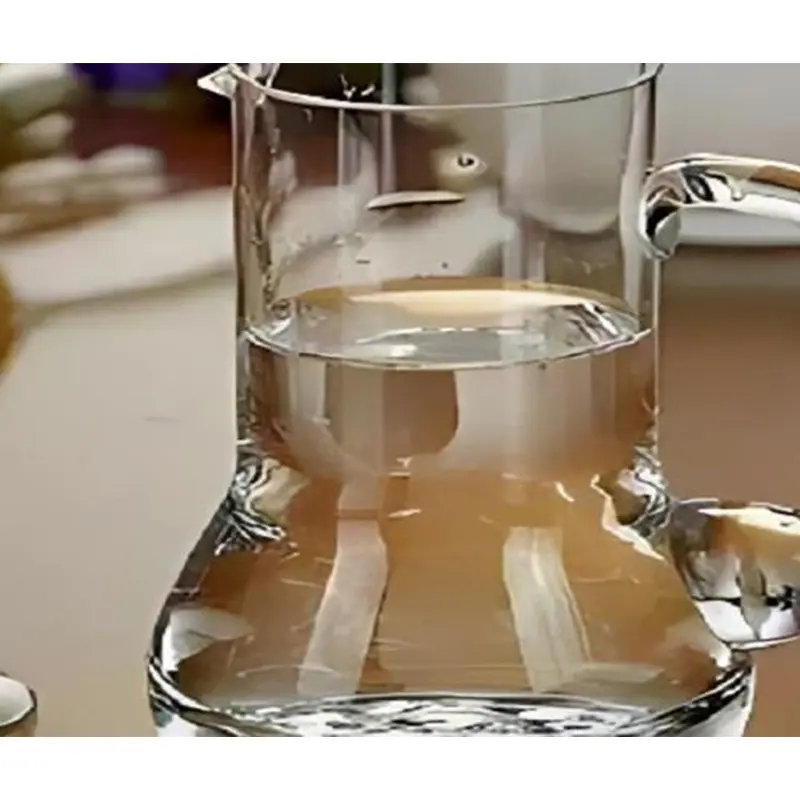
| Form | Liquid |
| Packaging | 200L HDPE drums, 200L Iron drums |
1,1,3,3-Tetramethyldisiloxane is an organosilane reducing agent that can be used to reduce the formation of sulfides and reduce etherification reactions. It is used to produce addition silicone rubber, silicone gel, methyl hydrogen silicone oil and other special additives.
A hydrogen-terminated disiloxane that can undergo addition reaction with unsaturated olefins. Therefore, it is widely used to prepare hydrogen-terminated polysiloxanes, used as chain extenders or crosslinkers for silicone rubber; or used to synthesize various siloxane polymers with reactive functional groups, used as organosilicon copolymerization modification of organic polymers. It can also be used as a reducing agent in organic synthesis.