High-purity organic chemical formulations and synthetic Heat Transfer Oils tailored for Mozambique's mining, agriculture, and processing industries.
Mapping the energy transition and manufacturing landscape of East Africa's fastest-growing logistics corridor.
Mozambique’s strategic position, driven by the Maputo, Beira, and Nacala corridors, handles massive transshipments. Our custom logistics capabilities allow us to distribute high-stability heat transfer oils directly to these processing hubs, avoiding regional bottlenecks.
From the coalfields of Tete to the heavy mineral sands projects in Moma, high-temperature processing equipment relies heavily on thermal fluids. Saier Chemical’s L-QC320 provides thermal stability at temperatures up to 320°C, ensuring continuous uptime in harsh tropical environments.
Mozambique’s booming agricultural refining industry—specifically processing cashew nuts, sugar cane, and edible oils—requires precise, safe thermal regulation. Standardizing on high-purity thermal fluids keeps boiler operations safe, efficient, and compliant with environmental standards.
Theoretical fundamentals, operational degradation mechanisms, and efficiency parameters of Heat Transfer Oil L-QC320 in modern thermal systems.
In closed-loop, indirect heating systems, the choice of the heat transfer fluid (HTF) acts as the defining factor for overall energy efficiency, machinery longevity, and site safety. L-QC320 heat transfer oil represents a refined formulation designed to prevent the two primary failures of low-grade industrial oils: thermal cracking and oxidative degradation.
Thermal efficiency in a closed-loop system is governed by the fluid's specific heat capacity ($C_p$), thermal conductivity ($k$), density ($\rho$), and kinematic viscosity ($\nu$). For an oil to perform optimally in demanding applications like those found across Mozambique's metal, chemical, and asphalt processing plants, it must maintain low viscosity at startup while preserving high thermal conductivity at bulk operating temperatures.
When fluid circulates through a fired heater or waste heat recovery unit, a boundary layer (film) is established. Under high-heat flux conditions, if the flow rate drops or the fluid's viscosity profiles are unstable, the film temperature can exceed the maximum limit of the fluid, causing localized thermal cracking. Thermal cracking breaks the carbon-carbon bonds of the hydrocarbon molecules, generating light ends (lowering the flash point) and heavy ends (insoluble carbon deposits or sludge). Saier Chemical’s L-QC320 is refined to maintain a narrow molecular weight distribution, yielding high thermal stability up to a bulk temperature of 320°C and a film temperature of 340°C.
Oxidation occurs when hot heat transfer oil reacts with oxygen, typically in the expansion tank. This reaction produces organic acids and polymeric sludge. The accumulation of these oxidation products causes an increase in fluid viscosity and a reduction in heat transfer rate, requiring higher energy input from burners and placing stress on system pumps.
By implementing advanced paraffinic/naphthenic base oils with custom-formulated antioxidant packages, our L-QC320 maintains outstanding oxidation stability. This chemical resilience mitigates the risk of pump cavitations and internal pipe fouling, which are critical issues for remote operations in Mozambique where replacement components may have long import lead times.
Leveraging China's world-class chemical infrastructure for direct export and distribution to Sub-Saharan Africa.
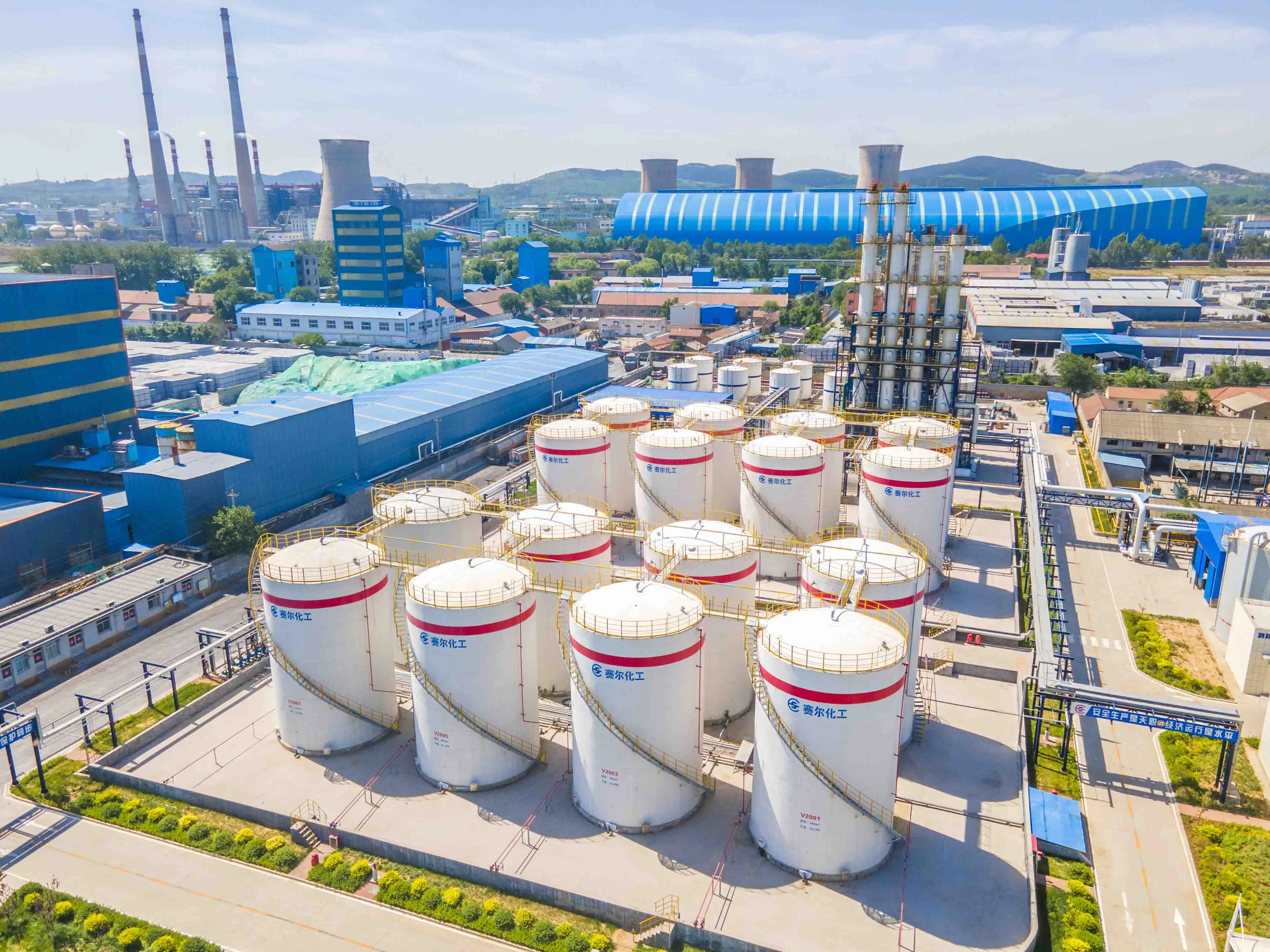
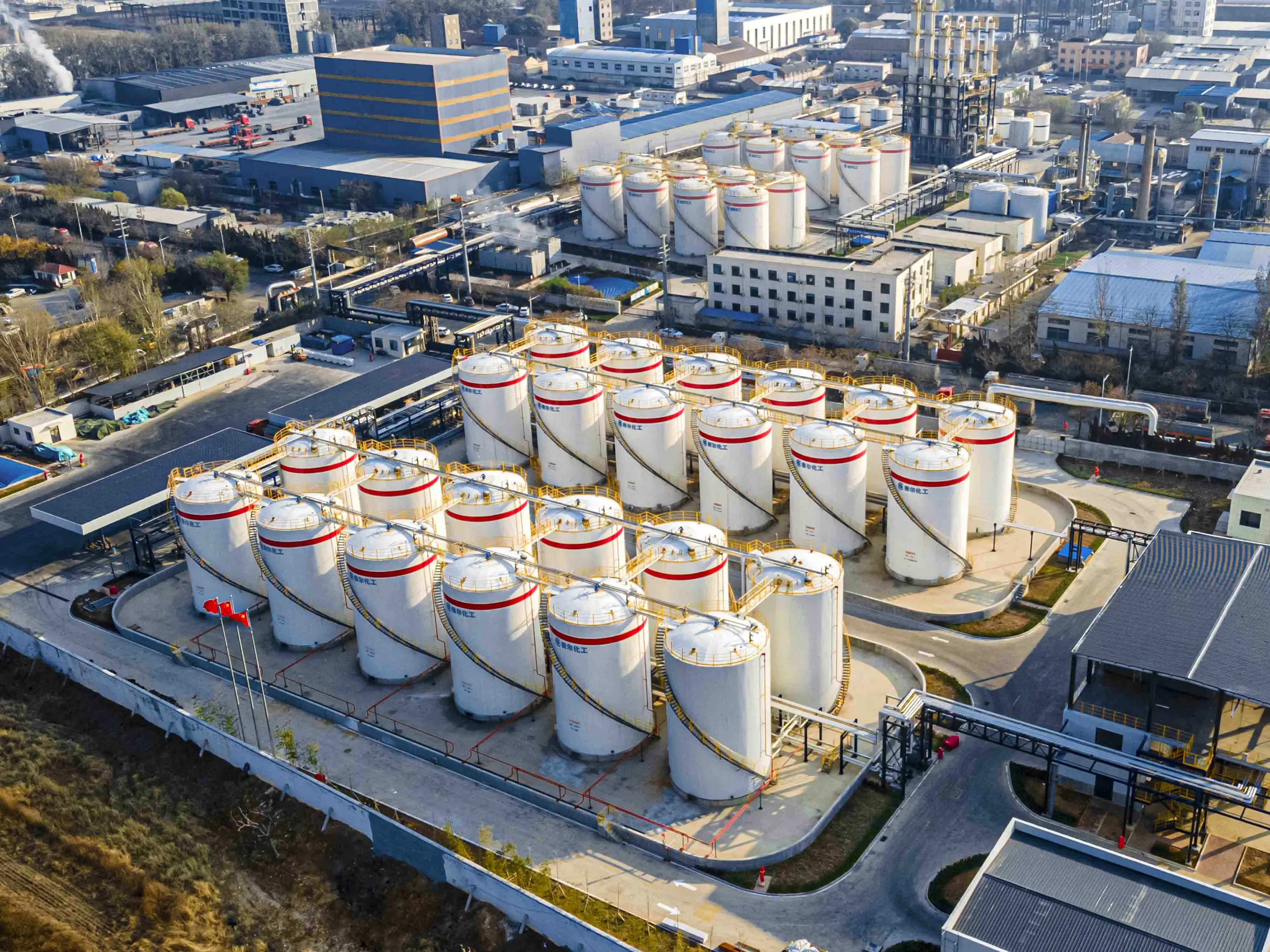
Founded in December 2004, Shandong Saier Chemical Technology Development Co., Ltd. is situated at No. 207, WeiLiu Road, Qilu Chemical Industrial Park, Zibo City, Shandong Province. Our proximity to some of China’s largest petrochemical refining centers (Sinopec, PetroChina, ChemChina) guarantees a stable and high-quality supply of feedstock aromatics and base oils.
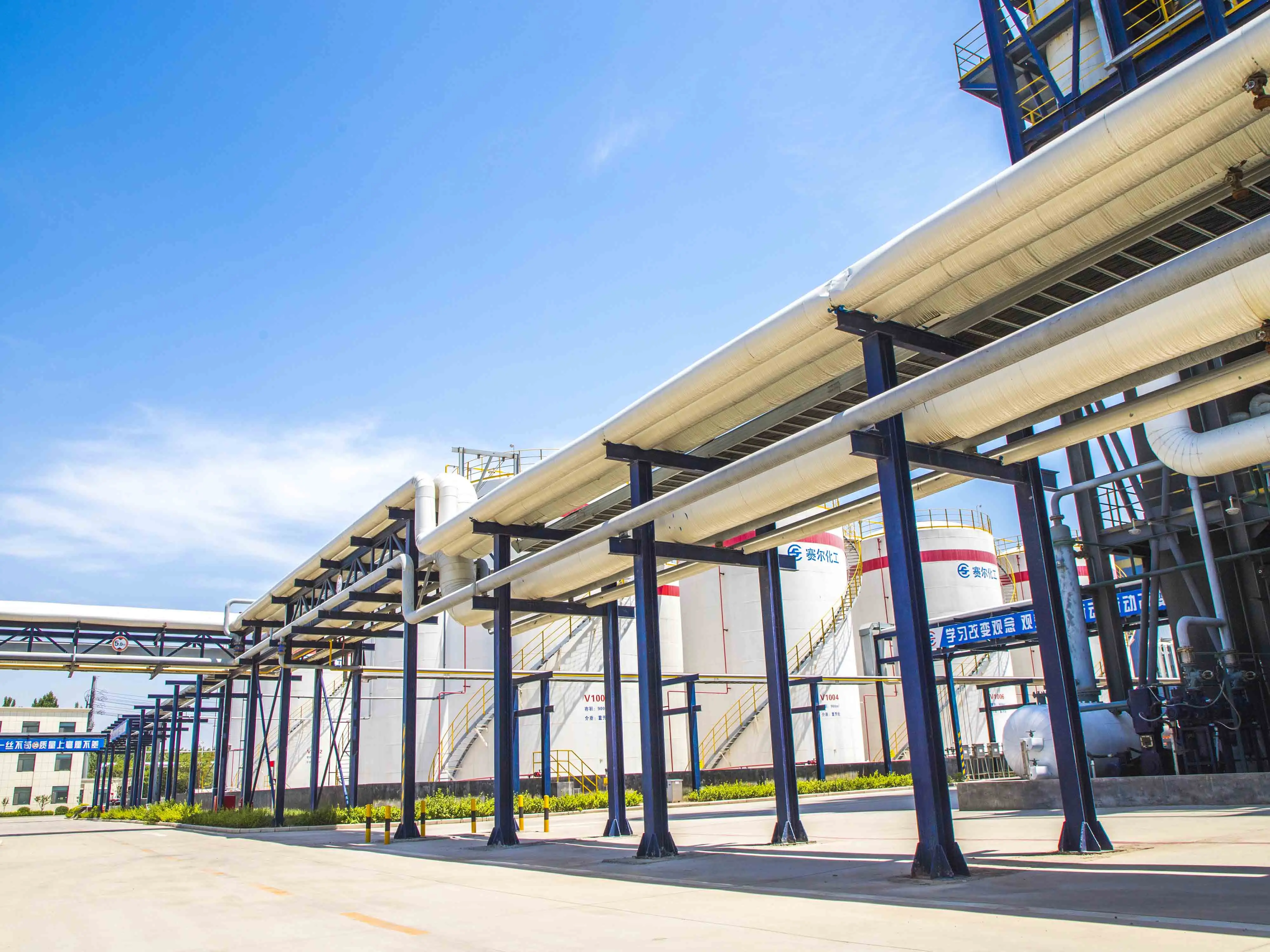
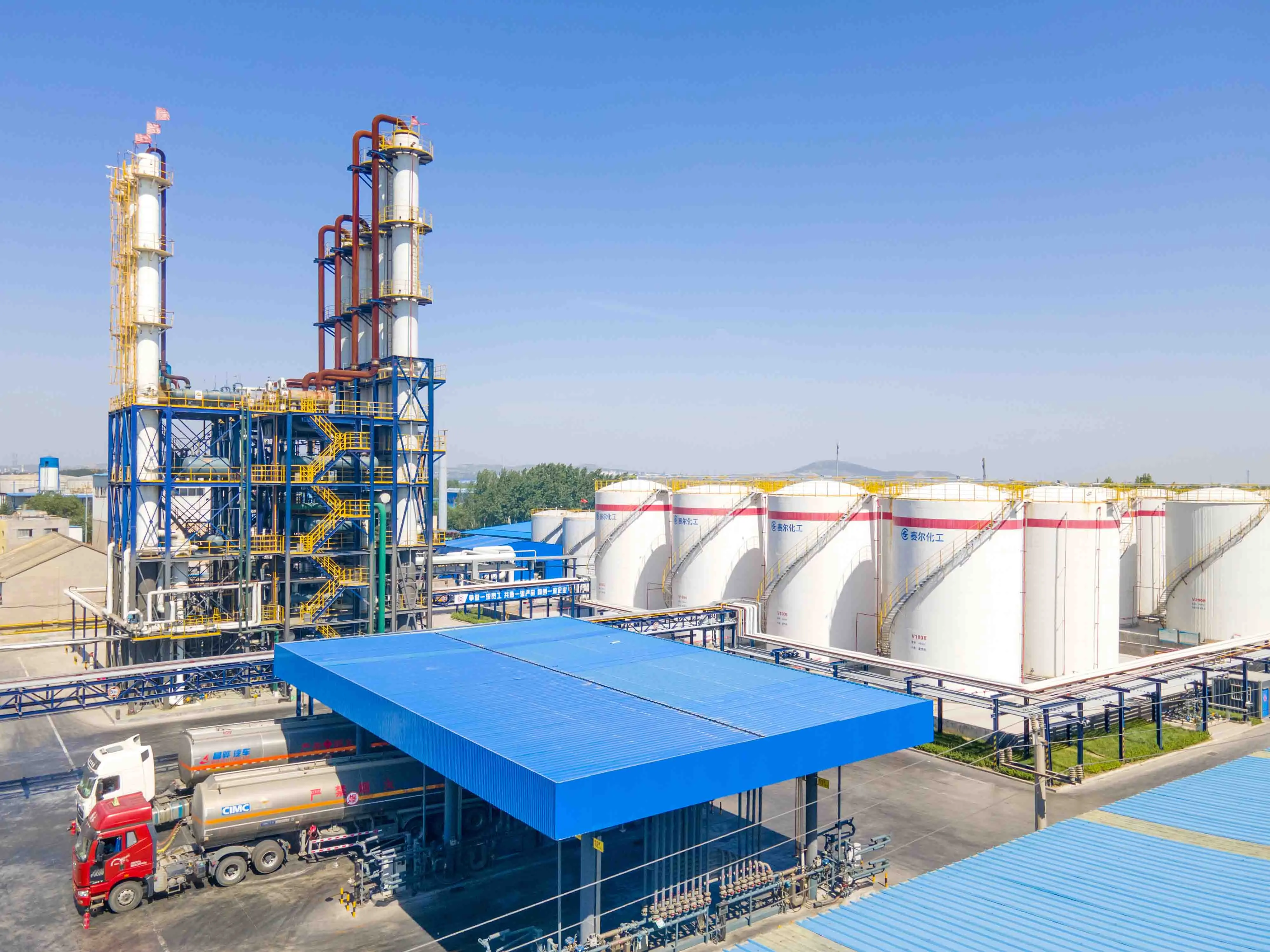
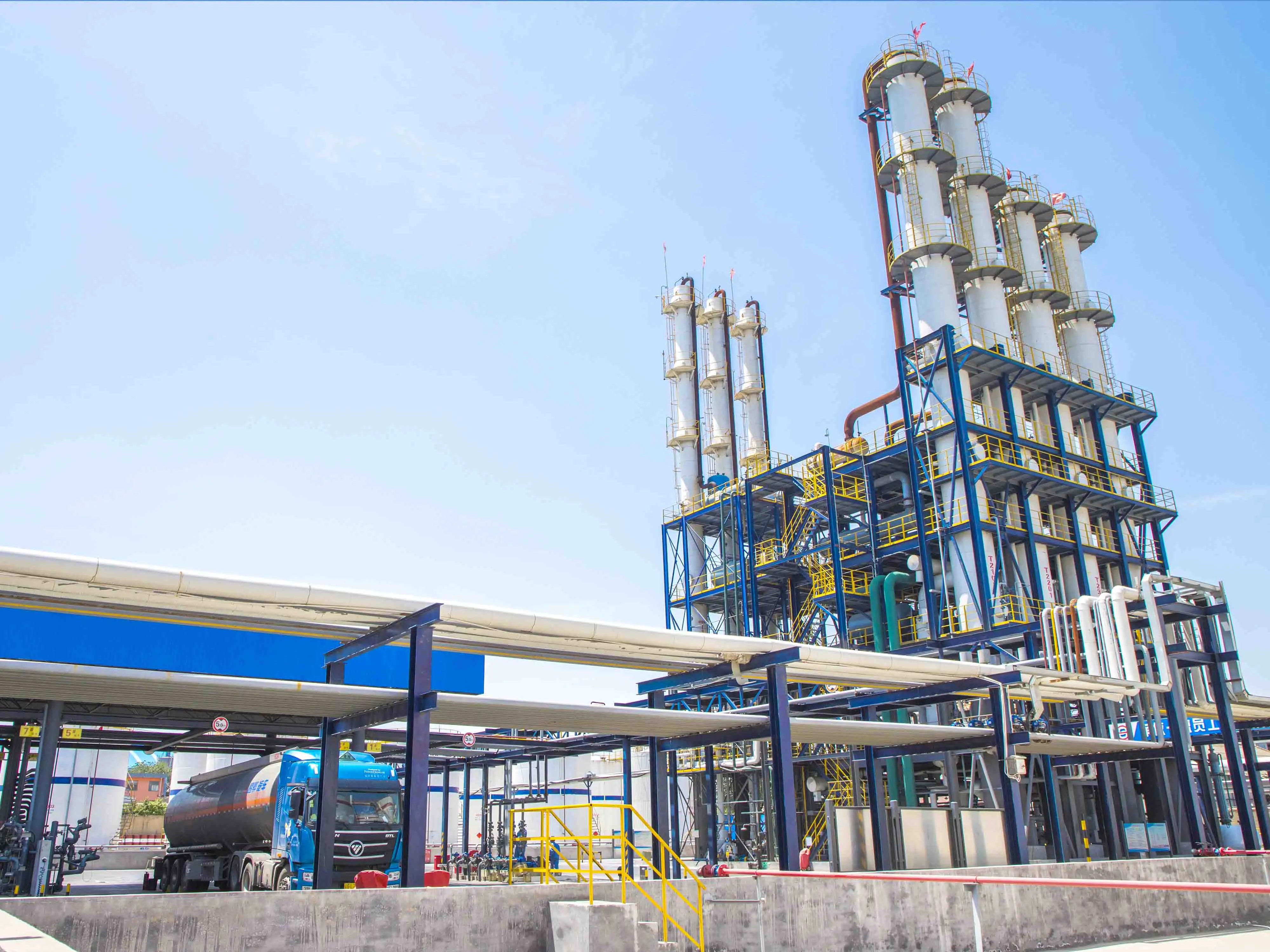
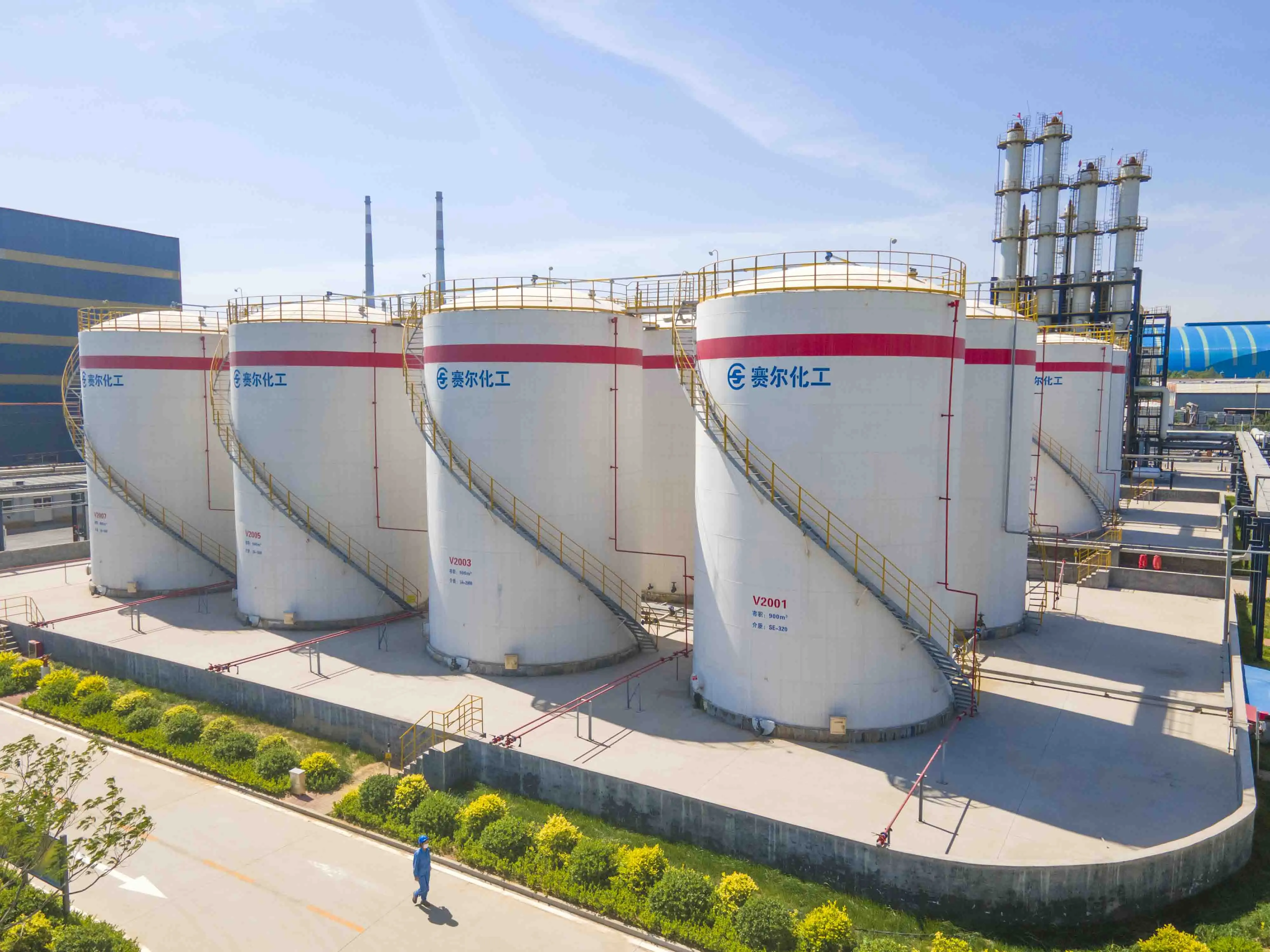
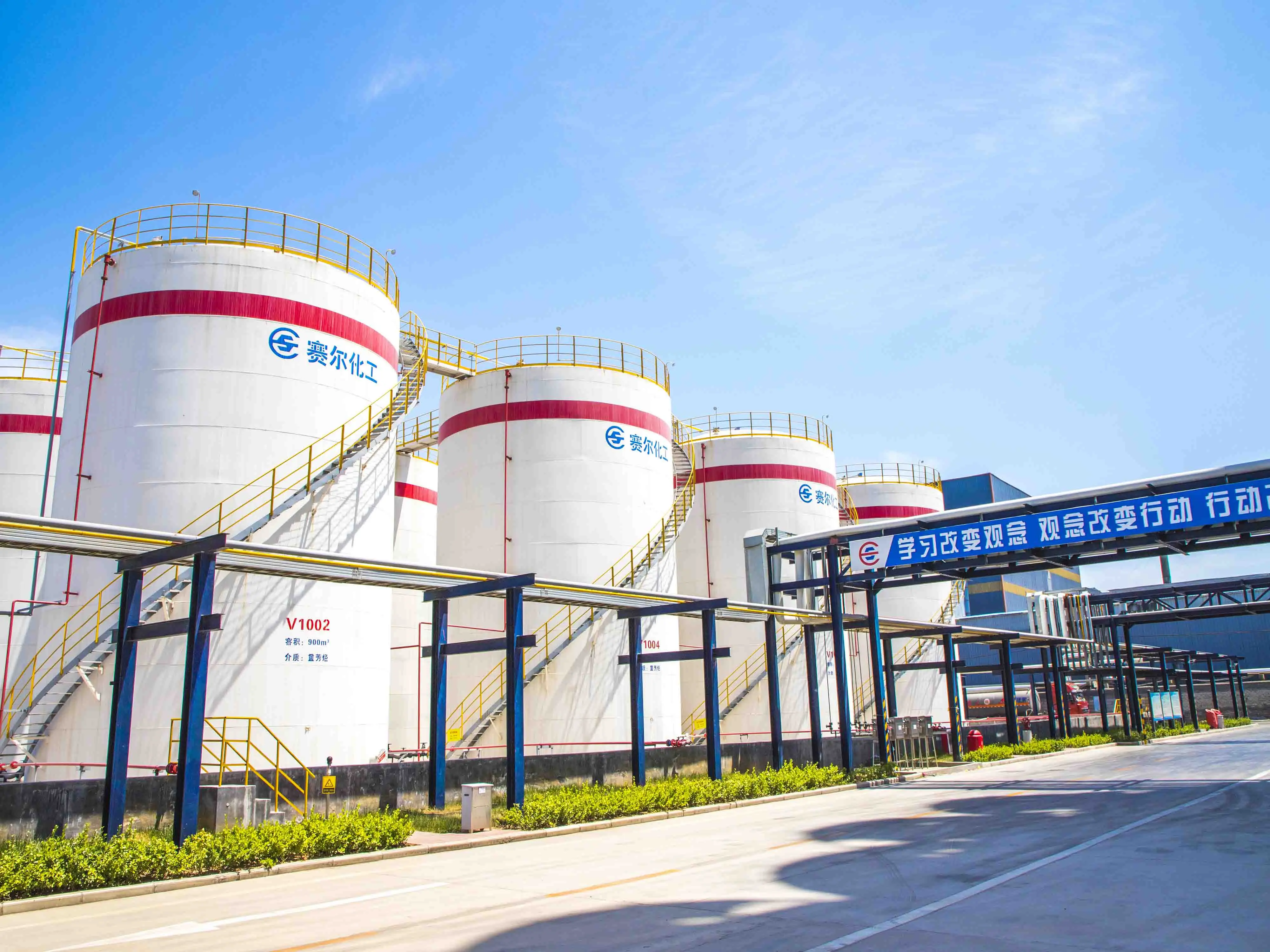
With a registered capital of 60 million yuan and an annual production capacity reaching 720,000 tons, Saier Chemical runs highly automated fractionation and blending units. This scale ensures that large-volume orders from overseas developers, mining operations, and regional distributors are fulfilled and shipped on schedule.
From the Port of Qingdao, we ship highly stabilized industrial solvents, intermediate fine chemicals, and L-QC320 thermal fluids directly to global destinations. We handle all logistics, customs clearances, and marine transport requirements to deliver directly to the Port of Maputo, Beira, or Nacala in Mozambique.
Assisting plants in Maputo, Beira, and Nampula with reliable chemical logistics and expert consultation.
Proper commissioning of new or cleaned thermal oil loops prevents premature degradation. We advise client engineers in Mozambique on how to perform proper chemical flushing and initial thermal startup sequences to maximize oil longevity.
Through our technical advisory network, we help industrial operators establish periodic testing of flash point, viscosity, acid number, and carbon residue. Tracking these parameters helps identify internal heater tube cracking before it leads to system failure.
We ensure all shipments comply with Mozambique's regulatory frameworks, including customs clearance through INNOQ (Instituto Nacional de Normalização e Qualidade) and detailed safety documentation (SDS) compliant with GHS regulations.
How Saier Chemical is transitioning to cleaner, low-emission formulations and higher thermal-efficiency solutions.
In response to international shifts toward lower carbon footprints and energy efficiency, industrial thermal engineering is evolving. Next-generation closed-loop systems require fluids with lower high-temperature viscosity to reduce pumping energy, coupled with improved specific heat capacity for faster heat transfer rates.
Our research and development division at Qilu Chemical Industrial Park focuses on:
A comprehensive selection of intermediate chemicals, solvents, and specialty additives available for global shipment.
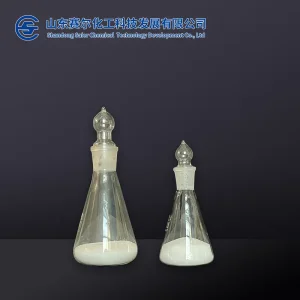
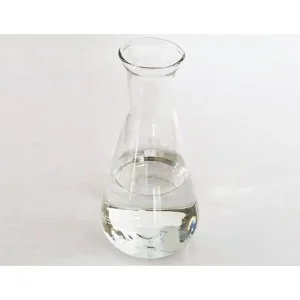
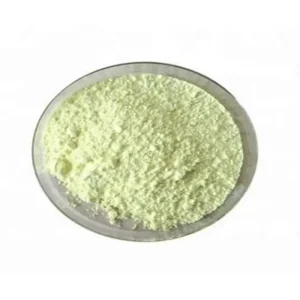
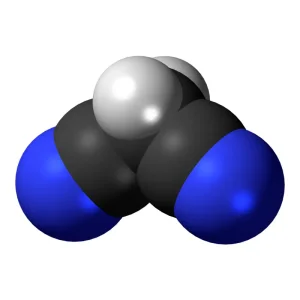
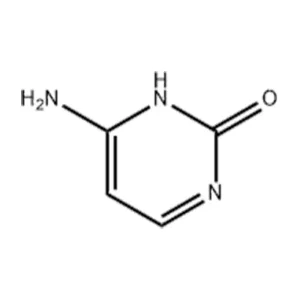
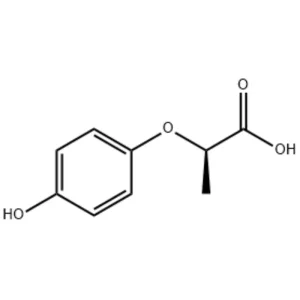
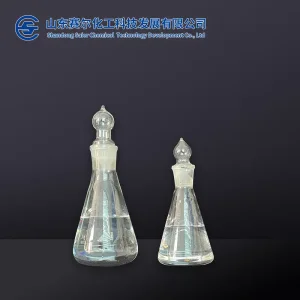
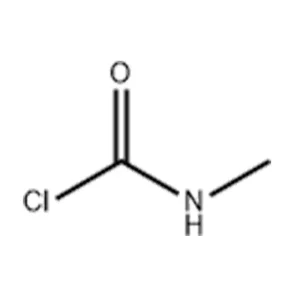
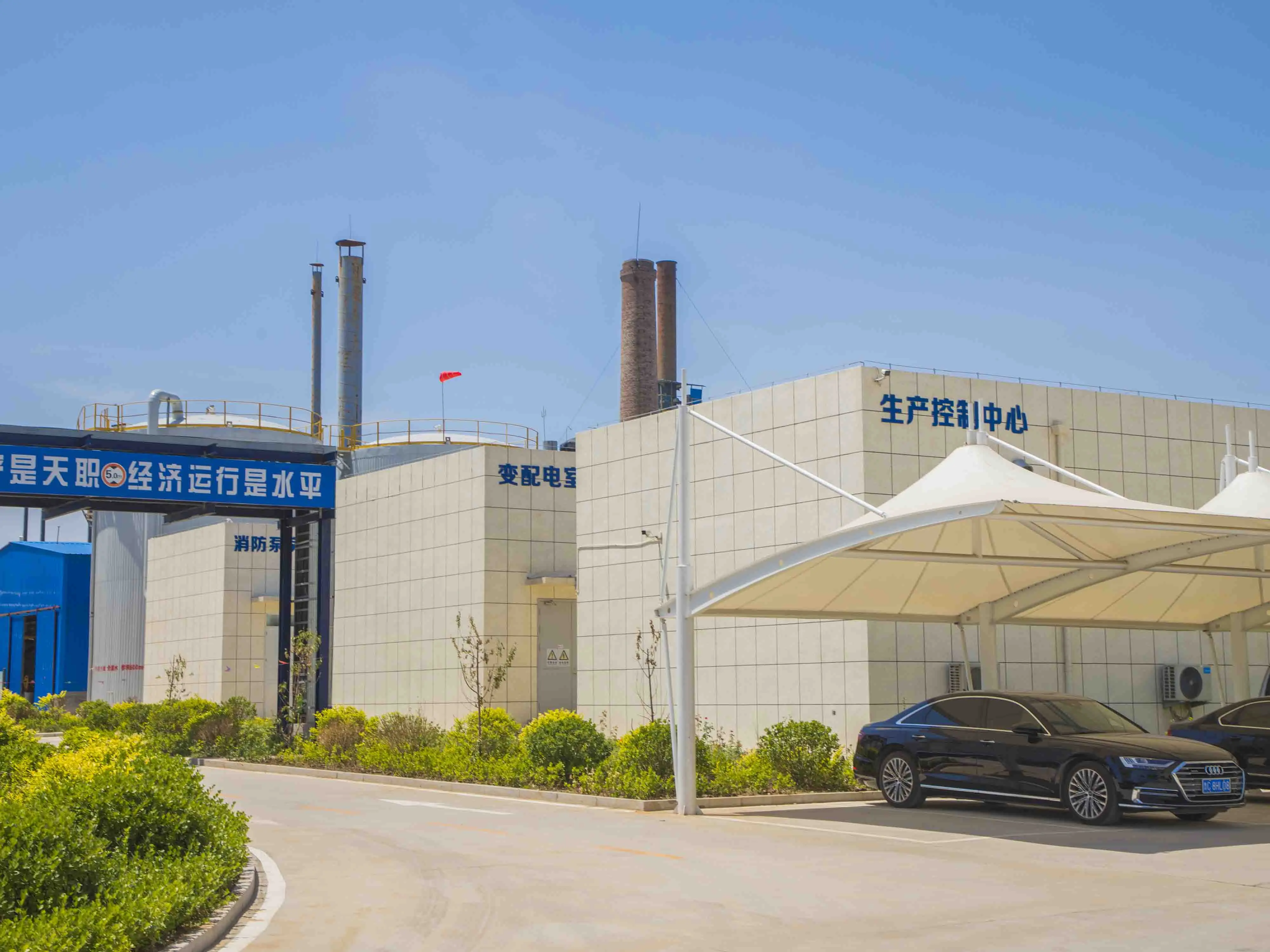
Operating under strict ISO quality controls, our Shandong facility features advanced analytical and high-capacity packaging lines.
Expert technical answers addressing real-world engineering concerns and operational best practices.
The service life of L-QC320 depends heavily on operating conditions, system design, and maintenance practices. Under typical conditions (bulk temperature strictly below 320°C and a closed nitrogen blanket to prevent oxidation), the oil can perform efficiently for 5 to 10 years. Key metrics indicating degradation include an increase in viscosity (>15%), a drop in flash point below 180°C, and an acid number rising above 1.0 mg KOH/g.
At temperatures above 60°C, exposure to oxygen results in rapid oxidation of mineral-based fluids. This reaction generates organic acids and insoluble polymer residues (sludge). Implementing a nitrogen gas blanket inside the expansion tank isolates the fluid from the atmosphere, preventing oxidative degradation and ensuring the oil retains its designed thermal conductivity and low-viscosity characteristics.
To transition safely, first drain the existing fluid completely from all system components (heaters, loops, expansion vessel). If significant carbon deposits or varnish are present on the inner pipe walls, circulate a specialized system cleaner for 24-48 hours. After draining the cleaning agent, blow down the system with dry nitrogen or compressed air. Once clean, refill with fresh L-QC320 and slowly raise the system temperature to drive off any residual moisture.
All chemical shipments are securely packed in heavy-duty steel drums or ISO tanks and labeled under global GHS guidelines. We manage the containerization at our Shandong facility and route transport through Qingdao Port to major Mozambican ports (Maputo, Beira, Nacala). We provide full packing lists, commercial invoices, certificates of analysis (CoA), and export customs declarations to expedite transit through regional import borders.
 Saier Chemical