Exhaustively refined, pure intermediates, solvents, and heat transfer oils optimized for high-performance processing globally.
Heavy Aromatic Naphtha (also categorized as high-boiling point aromatic solvents) is a complex mixture of liquid hydrocarbons obtained from the distillation of aromatic streams derived from petroleum. It consists primarily of alkylbenzenes, indanes, naphthalenes, and other condensed-ring aromatics, typical boiling ranges span from 160°C to well over 300°C.
These solvents are segmented commercially into structured grades based on boiling profile boundaries. Shandong Saier Chemical provides specialized cuts tailored to specific evaporation rates, safety specifications, flash points, and environmental mandates, including low-naphthalene options (S-150ND and S-200ND).
The selection of the proper aromatic cut depends on critical processing factors such as target evaporation rate, VOC mandates, and local occupational exposure hazards. Review our core technical benchmark matrices below:
| Product Grade | Boiling Range (°C) | Flash Point (°C) | Aromatic Content (Vol%) | Key Applications |
|---|---|---|---|---|
| Solvent S-100 | 160 - 180 | > 42 | ≥ 99.0 | Paints, coatings, offset inks |
| Solvent S-150 | 180 - 210 | > 62 | ≥ 99.0 | Agrochemicals, coil coatings |
| Solvent S-150ND | 182 - 208 | > 63 | ≥ 99.0 | Low-naphthalene pesticide formulations |
| Solvent S-200 | 225 - 290 | > 100 | ≥ 99.0 | Industrial cleaners, oilfield extraction |
A high-level market breakdown of how Heavy Aromatic Naphtha serves as a baseline feedstock across diverse industrial ecosystems.
Heavy Aromatic Naphtha production depends closely on the availability of crude C9 and C10 refinery feedstocks. Companies like Shandong Saier maintain deep partnerships with key global petrochemical giants, including Sinopec, PetroChina, ChemChina, Zhejiang Petrochemical, and Hengli Petrochemical. This high-tier raw material security ensures consistent chemical composition, preventing batch-to-batch volatility in high-precision processing facilities.
Regulatory frameworks, such as the EU REACH regulation and United States EPA guidelines, have limited the use of traditional heavy aromatics due to naphthalene concerns. Modern formulation plants require Naphthalene-Depleted (ND) variations (containing less than 0.9% or even 0.1% naphthalene by weight). As a result, factories are investing heavily in advanced fractional distillation towers to produce cleaner, high-purity S-150ND and S-200ND solvents.
While Western Europe and North America demand highly regulated, low-emission formulations, fast-growing markets in the Asia-Pacific region, Latin America, and Eastern Europe drive significant bulk import demand. Exporters must manage complex logistical pathways, cold-chain transport configurations, and customs clearance protocols for liquid chemical classes across diverse global ports.
How specialized heavy aromatics are utilized within real-world operating environments.
In the crop protection sector, active pesticide ingredients are often highly crystalline solids that do not dissolve in water. Heavy Aromatic Solvent Naphthas (specifically S-150 and S-200) serve as excellent carrier solvents to dissolve these active ingredients. They feature a high flash point that ensures safety during warehouse storage and field application, while their low volatility prevents premature drying, ensuring maximum leaf penetration.
Industrial baking enamels, automotive finishes, and coil coatings require a flat, smooth, and defect-free finish. Heavy aromatic solvents evaporate slowly and uniformly during the high-temperature curing process, allowing the polymeric resin to flow out smoothly. This prevents defects like pinholes, orange peel, and blistering on the final surface.
During crude oil extraction and transport, heavy organic molecules like asphaltenes and paraffin waxes can deposit inside the piping, reducing flow rates. Heavy aromatic naphthas act as powerful dispersants and carrier fluids, dissolving these heavy residues to maintain optimum flow in wells and pipelines.
In structural concrete work, solvent-based cure and seal membranes are applied to green concrete to retain moisture. Heavy aromatic solvents ensure proper polymer film formation on the concrete surface, improving resistance to UV rays, chemicals, and physical wear.
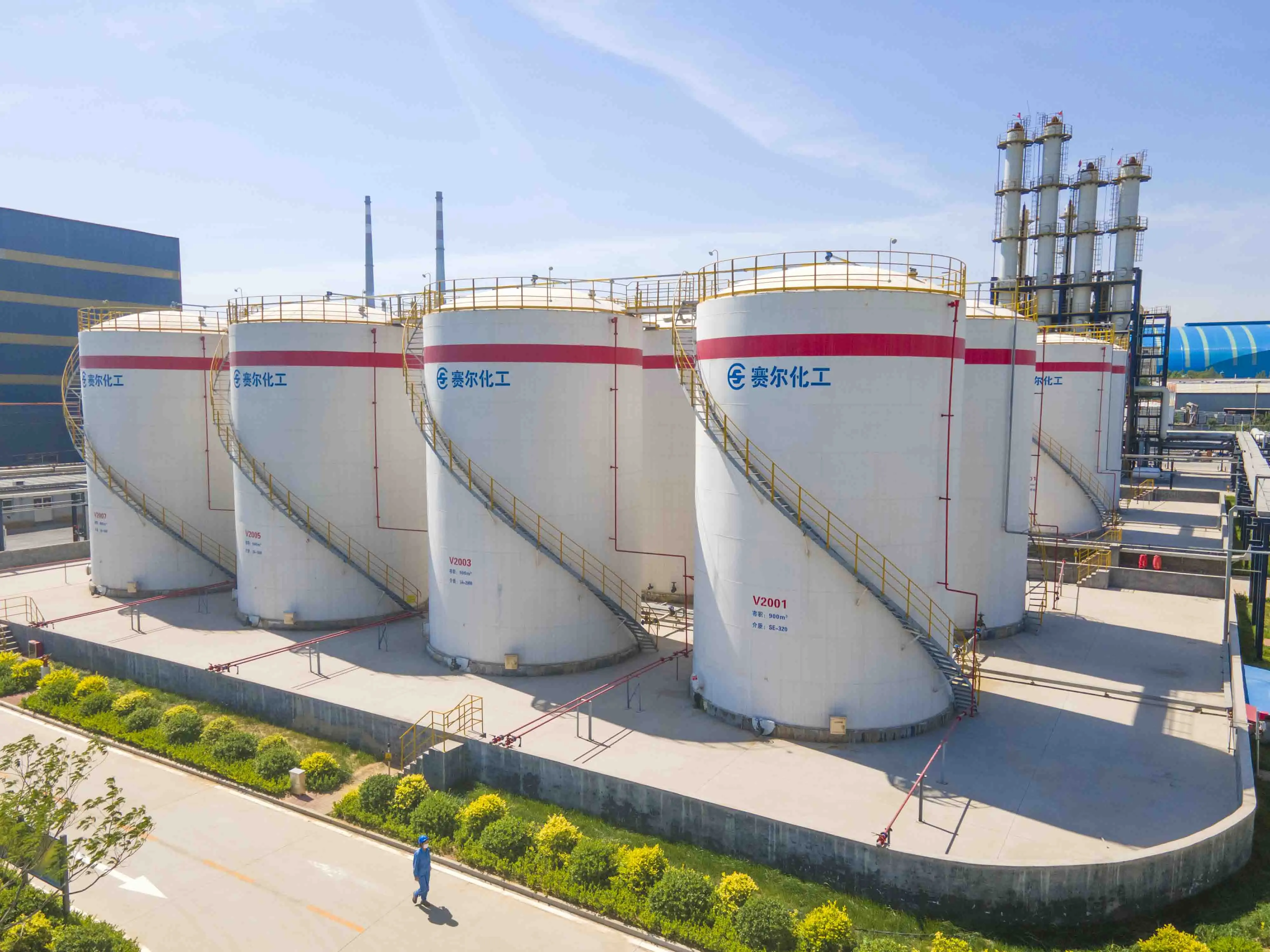
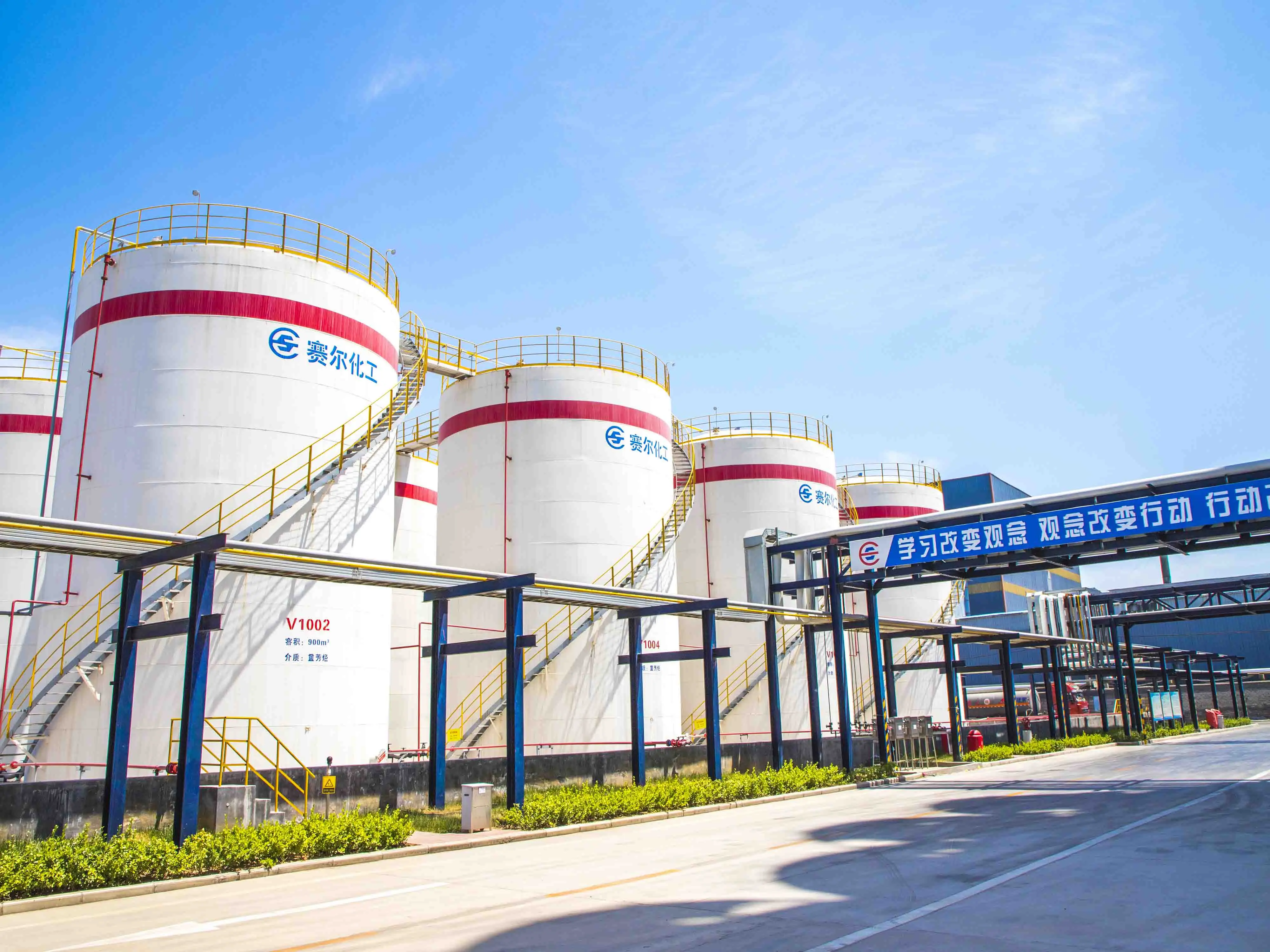
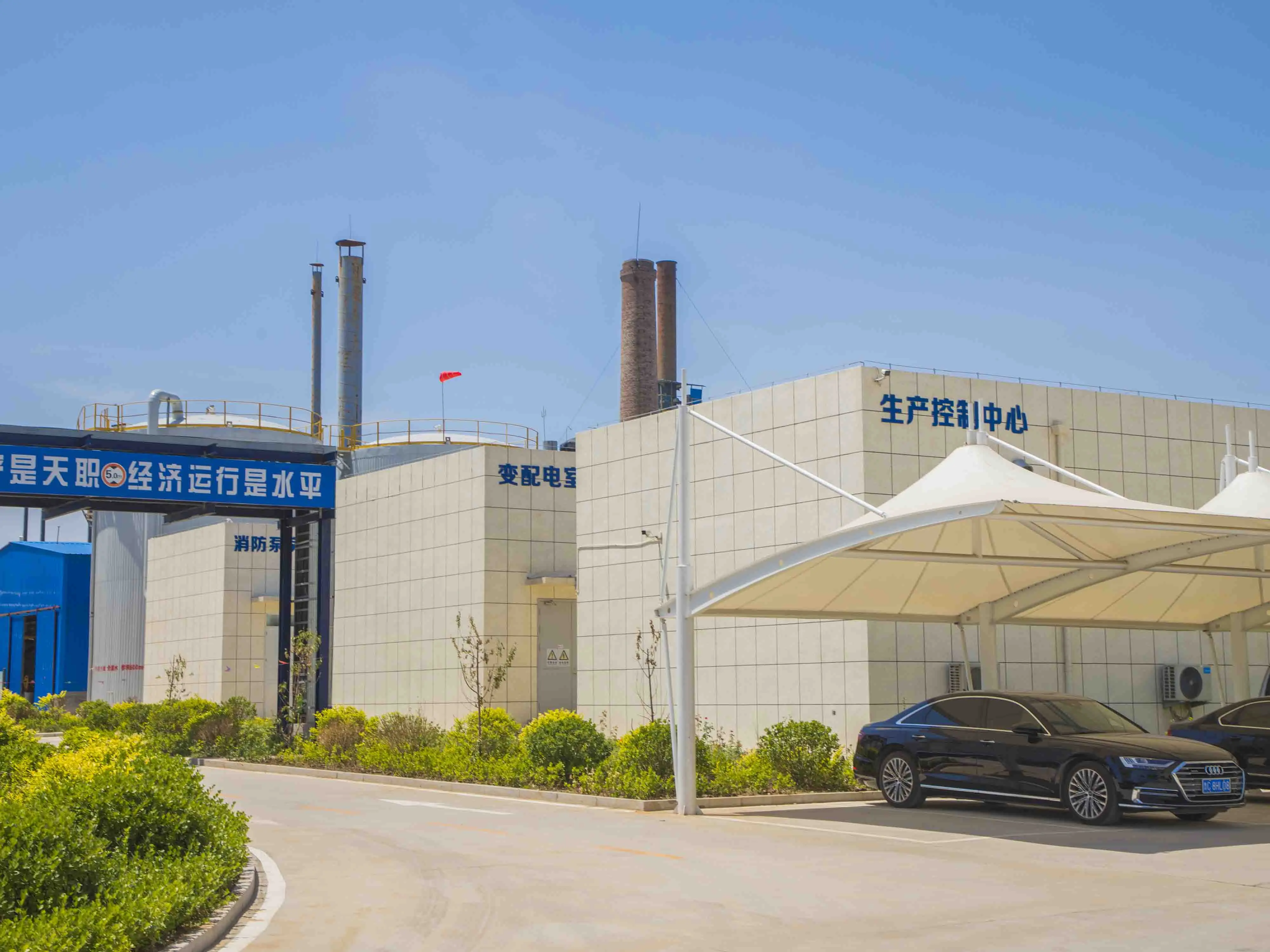
Founded in December 2004, Shandong Saier Chemical Technology Development Co., Ltd. has developed into a leading high-tech manufacturer of environmentally friendly high-boiling aromatic solvents and fine chemical intermediates.
We are situated at No. 207, WeiLiu Road, Qilu Chemical Industrial Park, Linzi, Zibo City, Shandong Province. Strategically located within one of China's most advanced refining zones, we maintain direct pipeline integrations and bulk supply channels with top national energy groups.
Our production facilities utilize modern continuous fractional distillation columns, molecular sieve separation technologies, and catalytic hydrogenation units to produce chemical products with low odor and trace impurities.
Our raw feedstocks are sourced from leading industrial refineries, including:
We serve domestic markets in Beijing, Shanghai, Tianjin, Hebei, Shandong, and Henan, while exporting to major international regions, including Asia, Europe, North America, and Southeast Asia.
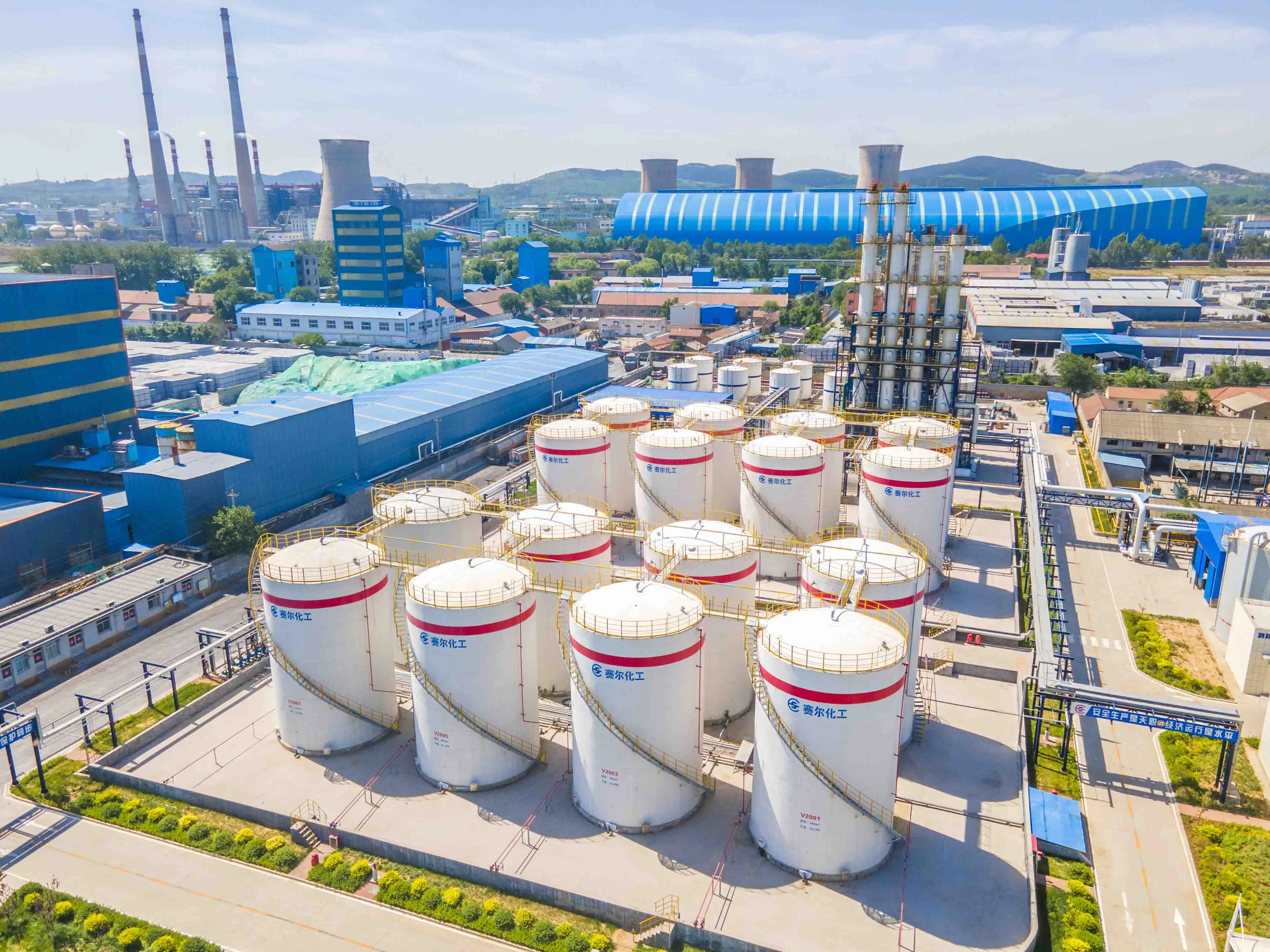
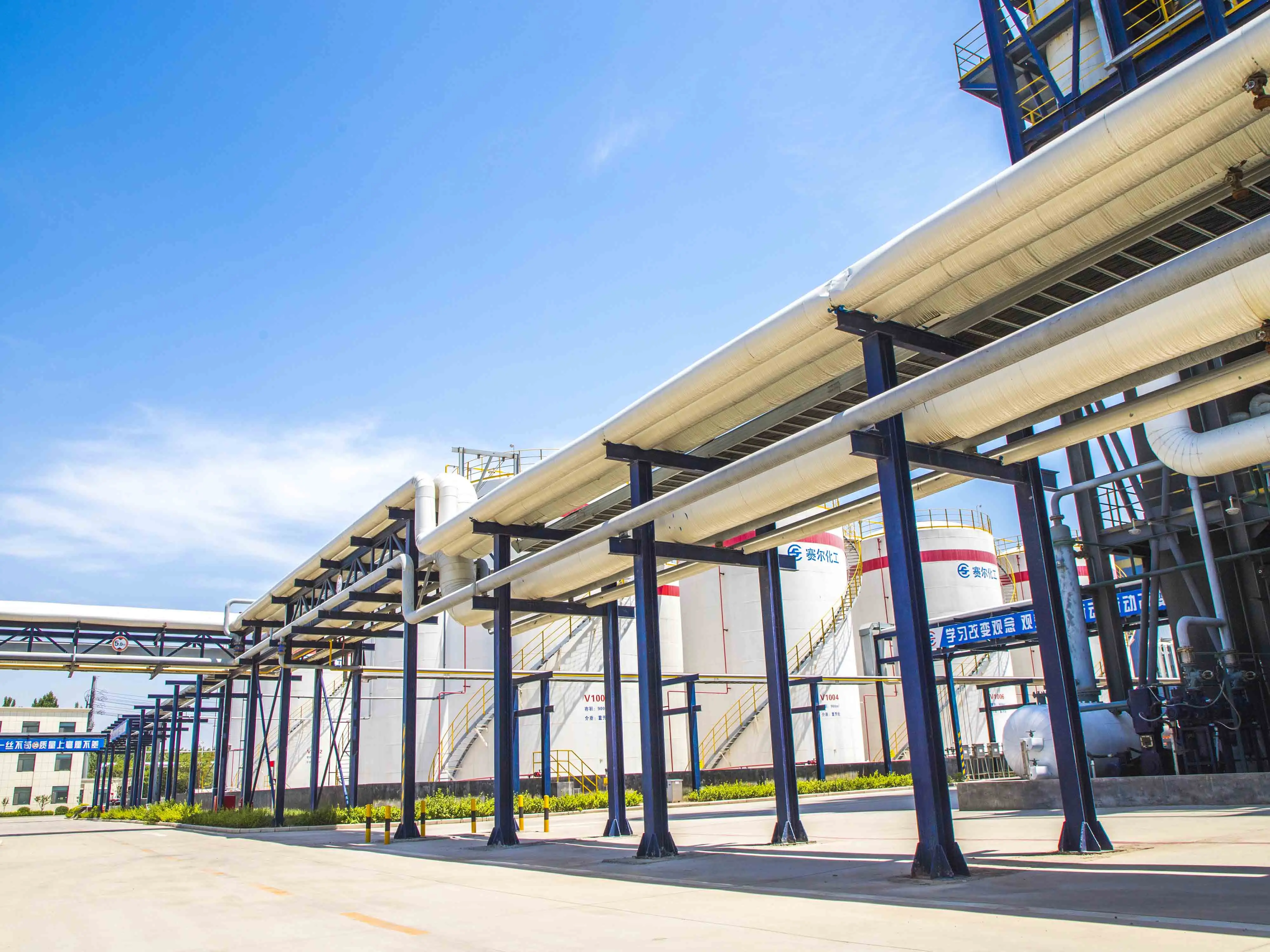
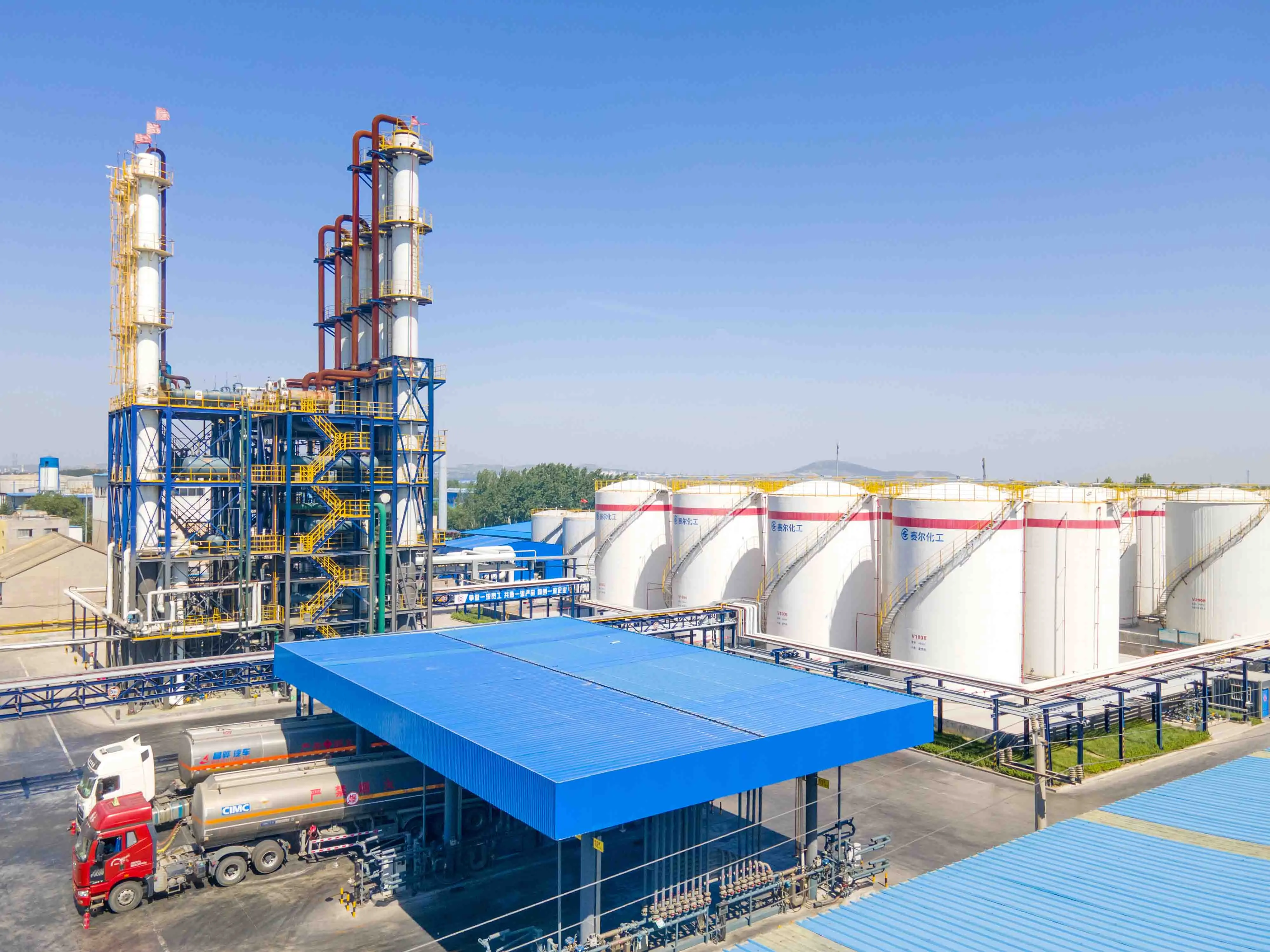
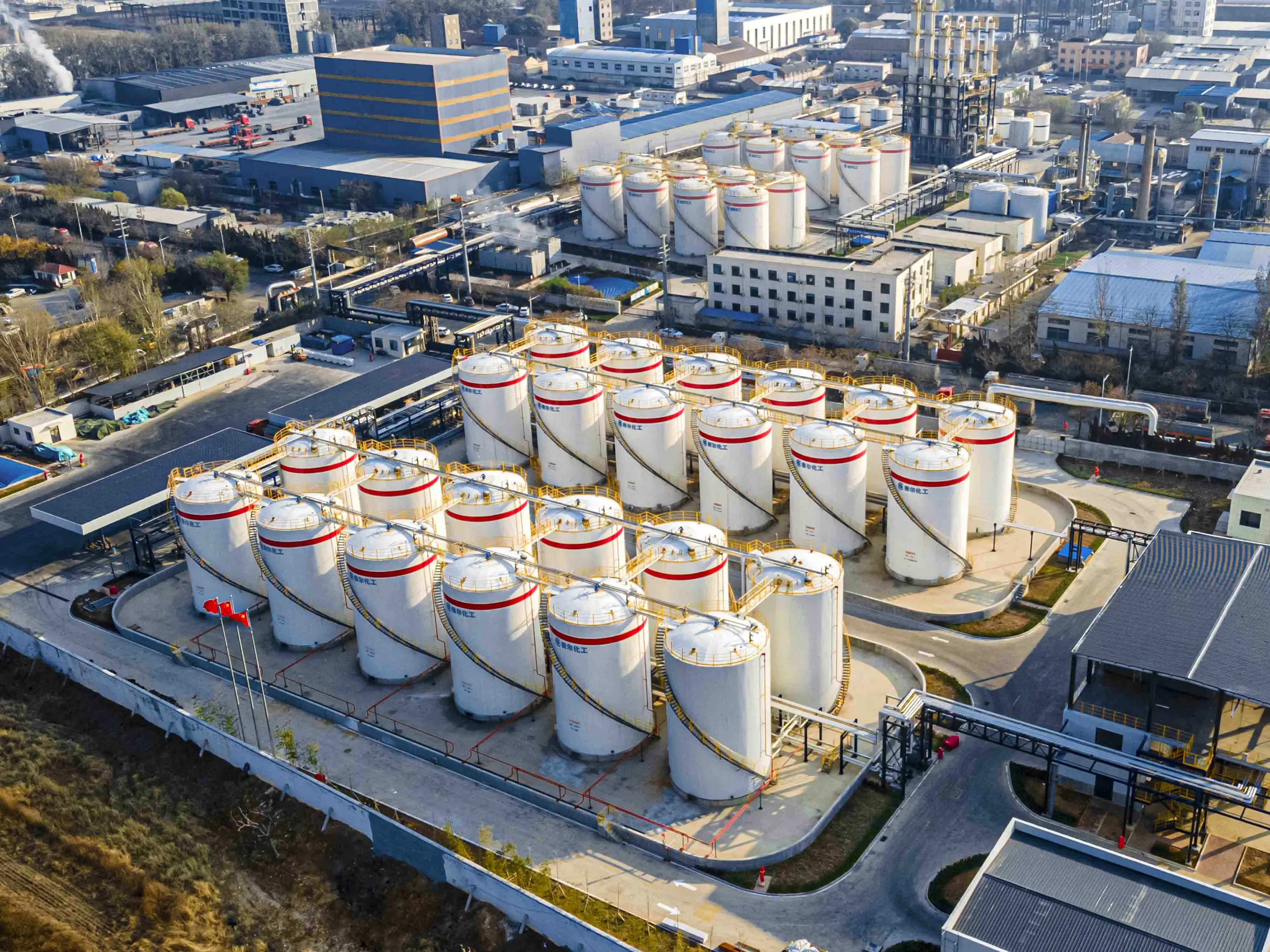
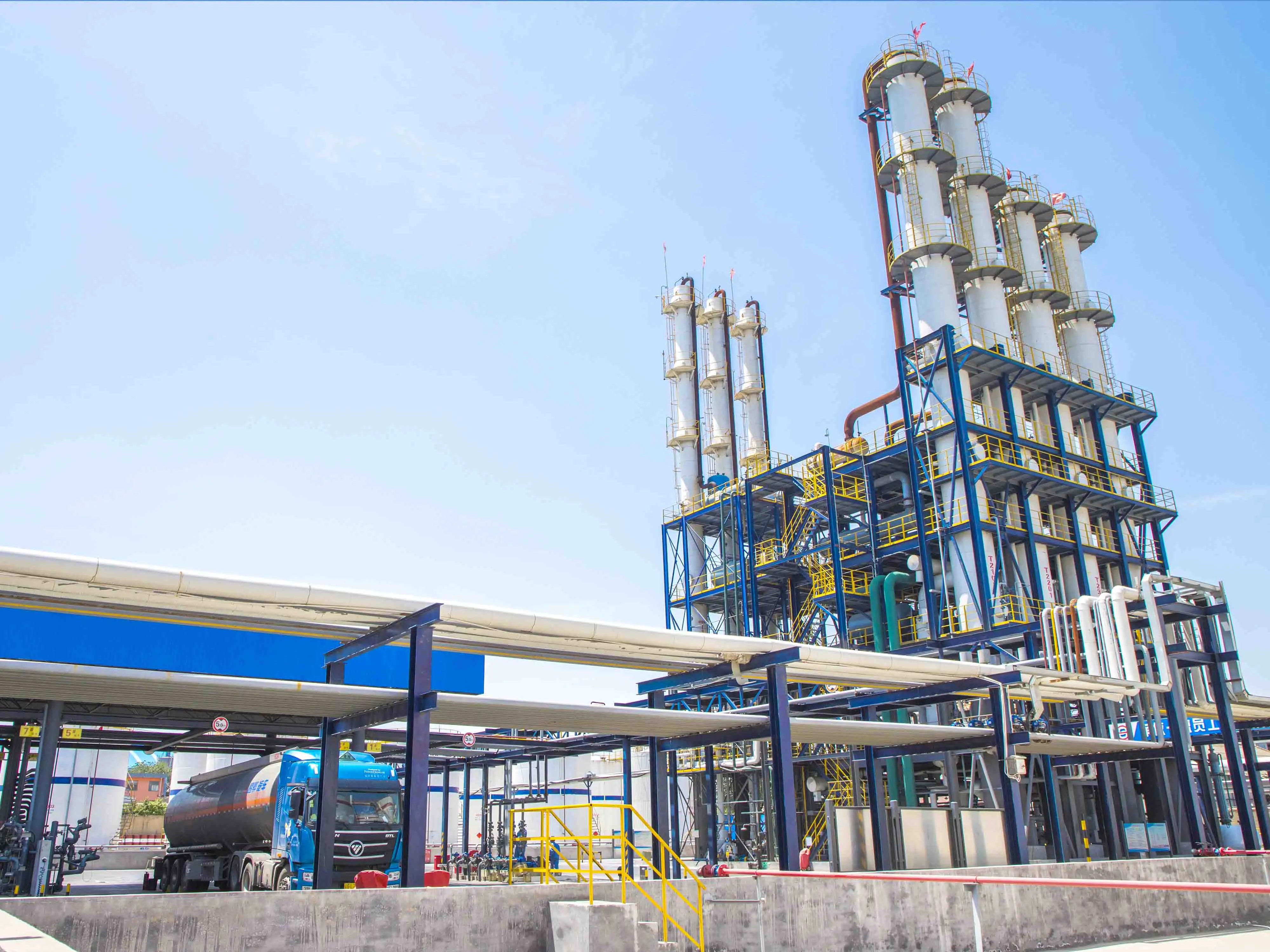
How Shandong Saier balances rising manufacturing demands with strict environmental stewardship.
We reduce volatile organic compound (VOC) emissions by using advanced zeolite concentration rotors combined with catalytic oxidizers. These systems capture vapor phase hydrocarbons during storage tank venting and transfer procedures, converting them into benign carbon dioxide and water vapor.
Our newer separation plants are designed with optimized heat recovery systems. By capturing hot recycle streams from column overhead condensers and preheating incoming feedstocks, we reduce overall fuel consumption and minimize the carbon footprint of our operations.
We continue to research biosourced, low-VOC aromatic alternatives. This research helps us develop sustainable solvents that meet environmental regulations while maintaining the high solvency power required for demanding industrial applications.
Technical answers regarding product specifications, shipping safety, and customized chemical formulations.
Exhaustively refined, pure intermediates, solvents, and heat transfer oils optimized for high-performance processing globally.
 Saier Chemical