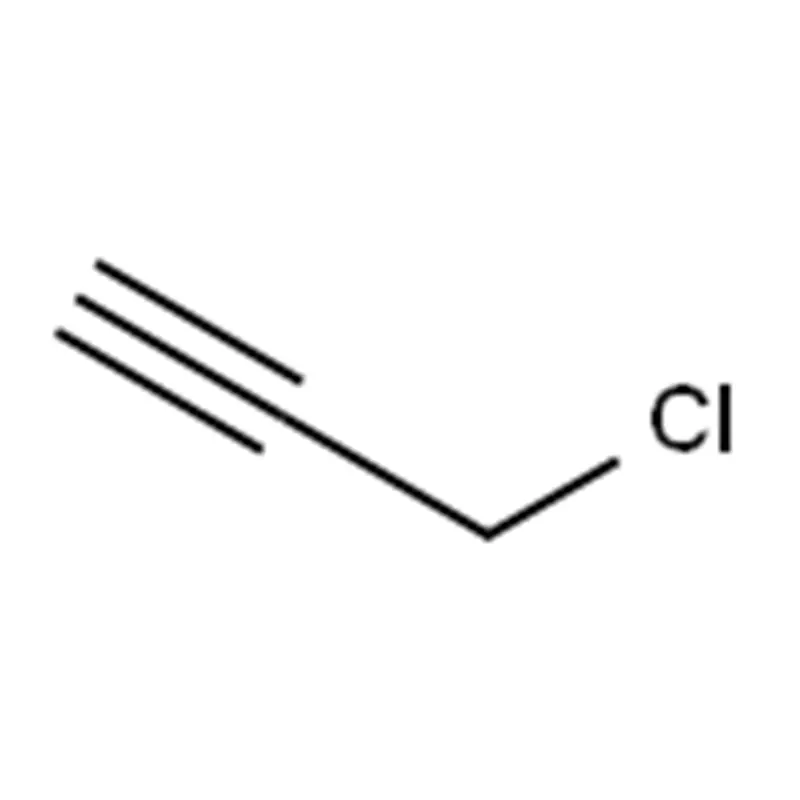
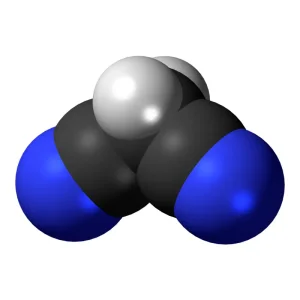
3-Chloropropyne molecules contain a carbon-carbon triple bond and a chlorine atom, and have typical chemical properties of both. The carbon-carbon triple bond can undergo addition reactions, such as with hydrogen, halogens, and hydrogen halides; the chlorine atom has a certain degree of activity and can undergo substitution reactions, such as being replaced by hydroxyl groups, amino groups, etc. under alkaline conditions.
Features
Property
Specification
Melting Point
<-50°C (lit.)
Boiling Point
58°C (lit.)
Density
1.03 g/ml at 25°C (lit.)
Flash point
7°F
Form
Transparent liquid
Color
Colorless to red to green
Vapor pressure
24.08-69.52kPa at 20-50°C
Packaging
200L HDPE drums, 200L Iron drums
Application
3-Chloropropyne is used to synthesize medicines such as Pargyline, and can also be used to make pesticide soil fumigants.
Used for synthesizing electroplating intermediates, pharmaceutical intermediates and pesticide intermediates. It is an excellent metal corrosion inhibitor and rust preventer.
Chloropropin is an intermediate of the pyrethroid praloxithrin.
It is used as an organic synthesis intermediate. It is used to manufacture the drug paroxysmal, soil fumigants, etc. It is also a modifier for engineering plastics. Its trisodium salt is an excellent heat stabilizer for polyvinyl chloride, and its esters are also important additives for polymers.
Precautions
3-Chloropropyne is highly toxic and a strong irritant to the eyes, skin, respiratory tract, and digestive tract. Inhalation or ingestion may cause serious health problems or even be life-threatening.
Flammability & Safety Warning
It is a flammable liquid, and its vapor can form an explosive mixture with air, which can cause combustion and explosion when exposed to open flames or high heat. During use and storage, safety regulations must be strictly followed, good ventilation must be maintained, contact with fire sources, oxidants, etc. must be avoided, and appropriate protective measures must be taken, such as wearing protective glasses, gloves, respirators, etc.
Frequently Asked Questions
Q: What reactions can the carbon-carbon triple bond in 3-Chloropropyne undergo?
The carbon-carbon triple bond can undergo typical addition reactions, including those with hydrogen, halogens, and hydrogen halides.
Q: What are the key chemical characteristics of 3-Chloropropyne?
It contains both a carbon-carbon triple bond and a chlorine atom. The chlorine atom is active enough to undergo substitution reactions, such as being replaced by hydroxyl or amino groups under alkaline conditions.
Q: What is the physical state and boiling point of 3-Chloropropyne?
It is a transparent liquid, ranging from colorless to red to green, with a boiling point of approximately 58°C.
Q: How is 3-Chloropropyne used as an intermediate in industrial applications?
It is used to synthesize pharmaceuticals like Pargyline, pesticide intermediates (such as pyrethroid praloxithrin), soil fumigants, electroplating intermediates, and acts as a heat stabilizer for polyvinyl chloride.
Q: What safety precautions are necessary when storing 3-Chloropropyne?
Since it is highly toxic and flammable, you must maintain excellent ventilation, avoid contact with open flames, heat, and oxidants, and always wear protective gear such as safety glasses, gloves, and respirators.
Q: What standard packaging options are available for 3-Chloropropyne?
The standard industrial packaging options include 200L HDPE drums and 200L Iron drums.
 Saier Chemical