Saier Chemical
1 / 2
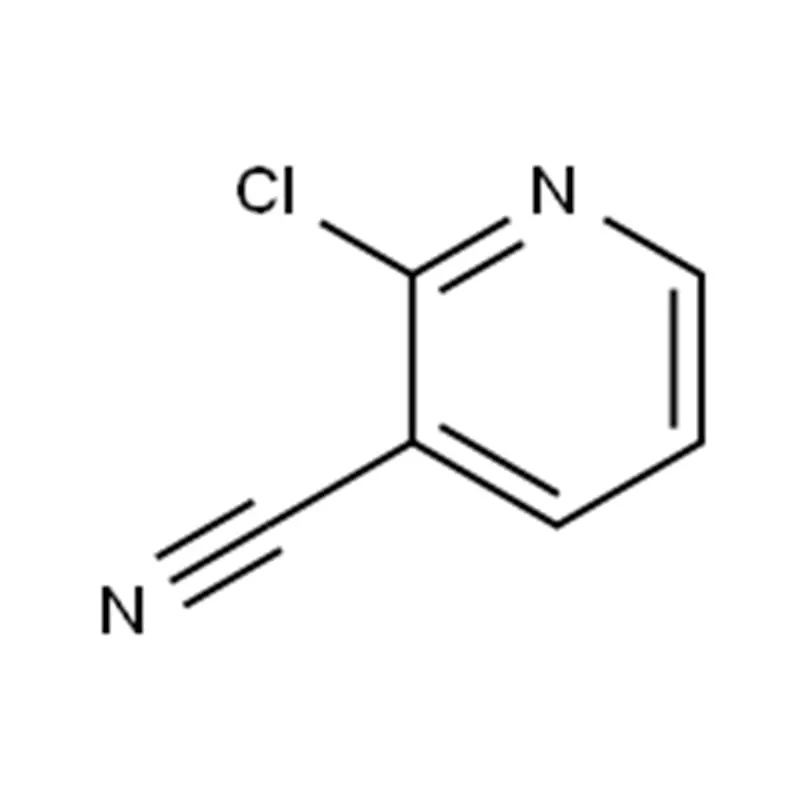
The product is prepared by chlorination reaction of 3-cyanopyridine nitrogen oxide and a chlorinating agent. Phosphorus pentachloride is used as a chlorinating agent and phosphorus oxychloride is used as a solvent to react 3-cyanopyridine nitrogen oxide and phosphorus pentachloride. After the reaction is completed, phosphorus oxychloride is removed by vacuum distillation. Ice water is slowly added to the distillation residue, cooled and crystallized, filtered, washed with cold water, and dried to obtain the target product.
| Melting Point | 104-107 °C (lit.) |
| Boiling Point | 112 °C |
| Density | 1.3185 (rough estimate) |
| Flash point | 112 °C / 1mm |
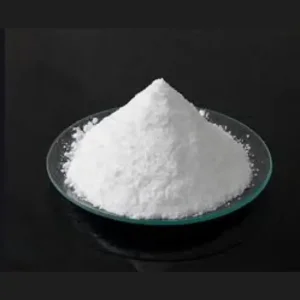
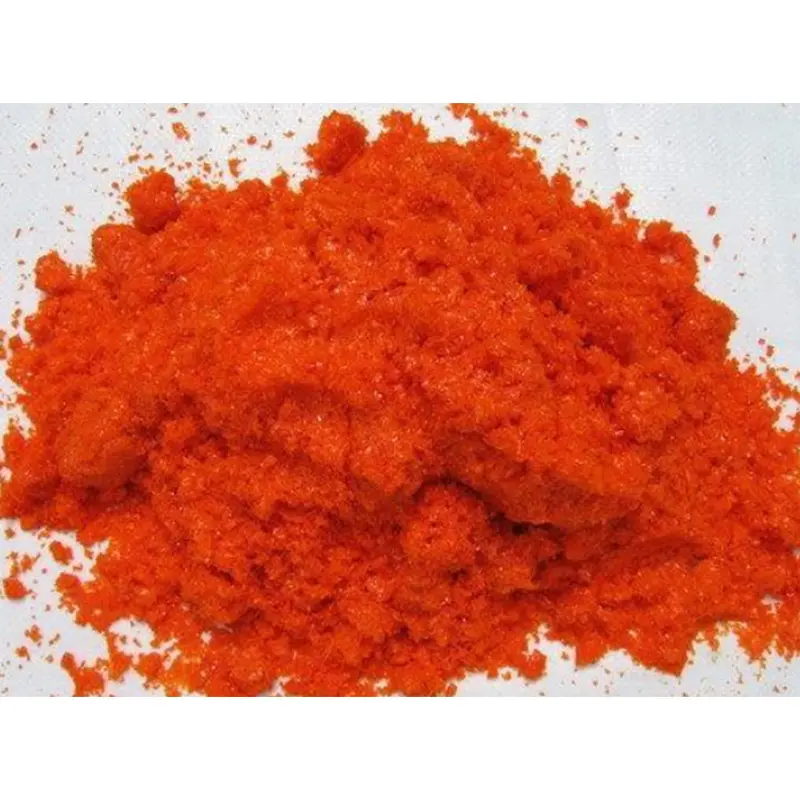
| Color | White to off-white |
| Form | Crystalline powder or flakes |
| Refractive Index | 1.4877 (estimate) |
| Store | Keep in dark place, Sealed in dry, Room Temperature |
| Packaging | 25KG Bag |
2-Chloro-3-cyanopyridine is an important intermediate for the synthesis of various medicines, such as the antidepressant mirtazapine. It can also be used to synthesize other drugs and plays an important role in the field of pharmaceutical chemistry. At the same time, it can also be used to improve the utilization rate of feed protein.
2-Chloro-3-cyanopyridine is a common and important intermediate in the pharmaceutical industry. Literature reports that it may be reddish brown, red or light yellow. It has a wide range of uses. It can be used as a raw material to synthesize many drugs with excellent performance, such as the antidepressant mirtazapine and the anti-AIDS drug nevirapine. It also has the effects of anti-inflammatory and analgesic, and the treatment of wasting syndrome. It can also be used as a raw material to synthesize agricultural chemicals to improve the utilization rate of feed protein. It can also be used as an insecticide and herbicide.
As an organic compound, 2-chloro-3-cyanopyridine should be used and stored without contact with incompatible substances such as strong oxidants.
Since it may irritate the eyes, skin, respiratory tract, etc., appropriate protective measures should be taken during operation, such as wearing protective glasses and gloves, and operating in a well-ventilated environment.
A1: It is prepared through a chlorination reaction utilizing 3-cyanopyridine nitrogen oxide and a chlorinating agent like phosphorus pentachloride, with phosphorus oxychloride serving as the solvent. Post-reaction steps include vacuum distillation, crystallization using ice water, filtration, washing, and drying.
A2: 2-Chloro-3-cyanopyridine serves as a critical intermediate for synthesizing various drugs, including the antidepressant mirtazapine, the anti-AIDS medication nevirapine, as well as substances that offer anti-inflammatory, analgesic, and wasting syndrome treatments.
A3: Yes. It can be used as a raw material to synthesize agricultural chemicals such as insecticides and herbicides. Additionally, it helps in improving the utilization rate of feed protein.
A4: It must be stored in a dark place, kept sealed in dry conditions, and maintained at room temperature. It should be kept away from incompatible materials, such as strong oxidants.
A5: Because it can irritate the eyes, skin, and respiratory tract, handlers should wear protective gear, including safety glasses and gloves, and perform operations in a well-ventilated environment.