Hydrotreated Naphtha stands as a cornerstone intermediate feedstock in global petrochemical manufacturing. By undergoing deep catalytic hydrodesulfurization, raw petroleum fractions are converted into highly stable, low-sulfur hydrocarbons. This crucial refining process minimizes corrosive sulfur species, removes organic nitrogen compounds, and saturates volatile olefins.
The resulting purified naphtha serves as a primary raw material for catalytic reformatories and steam cracking plants globally. Factories requiring consistent octane enhancers or ethylene feeds prioritize hydrotreated naphtha due to its capability to safeguard downstream noble-metal catalysts from poisoning, thus significantly improving process uptime and yield efficiency.
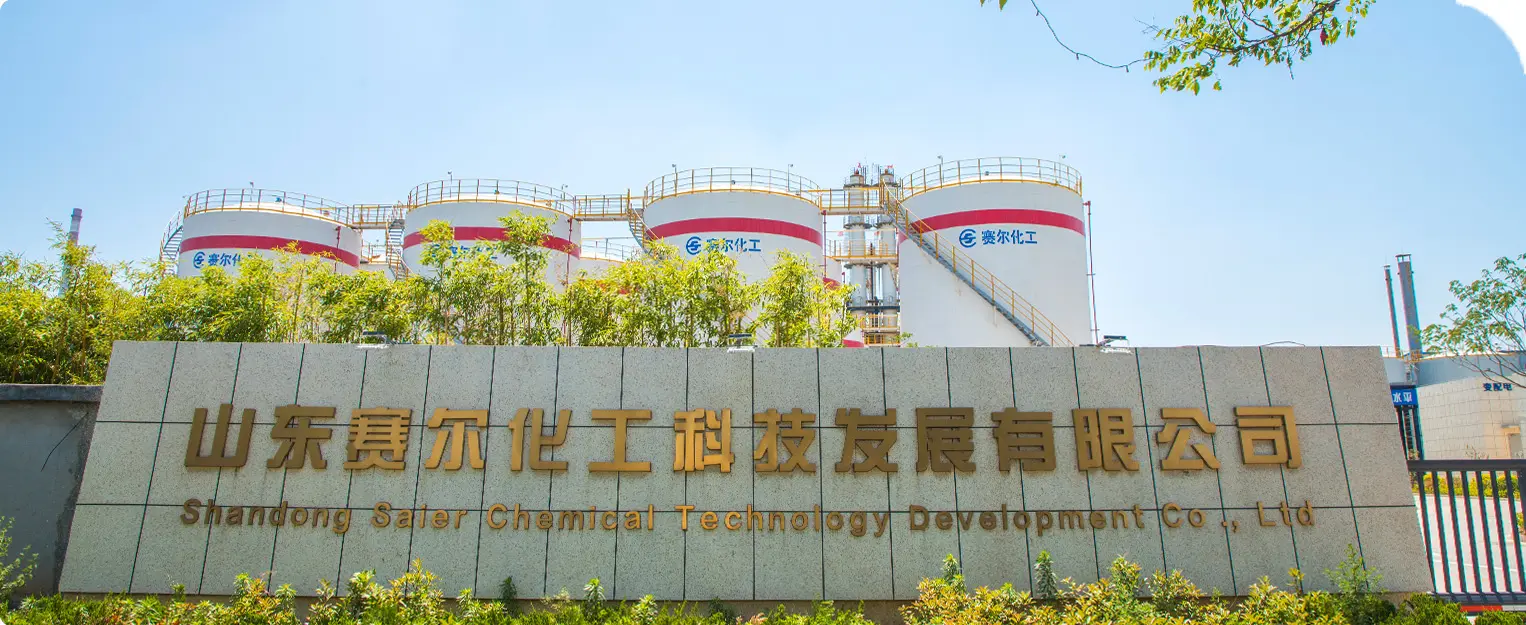
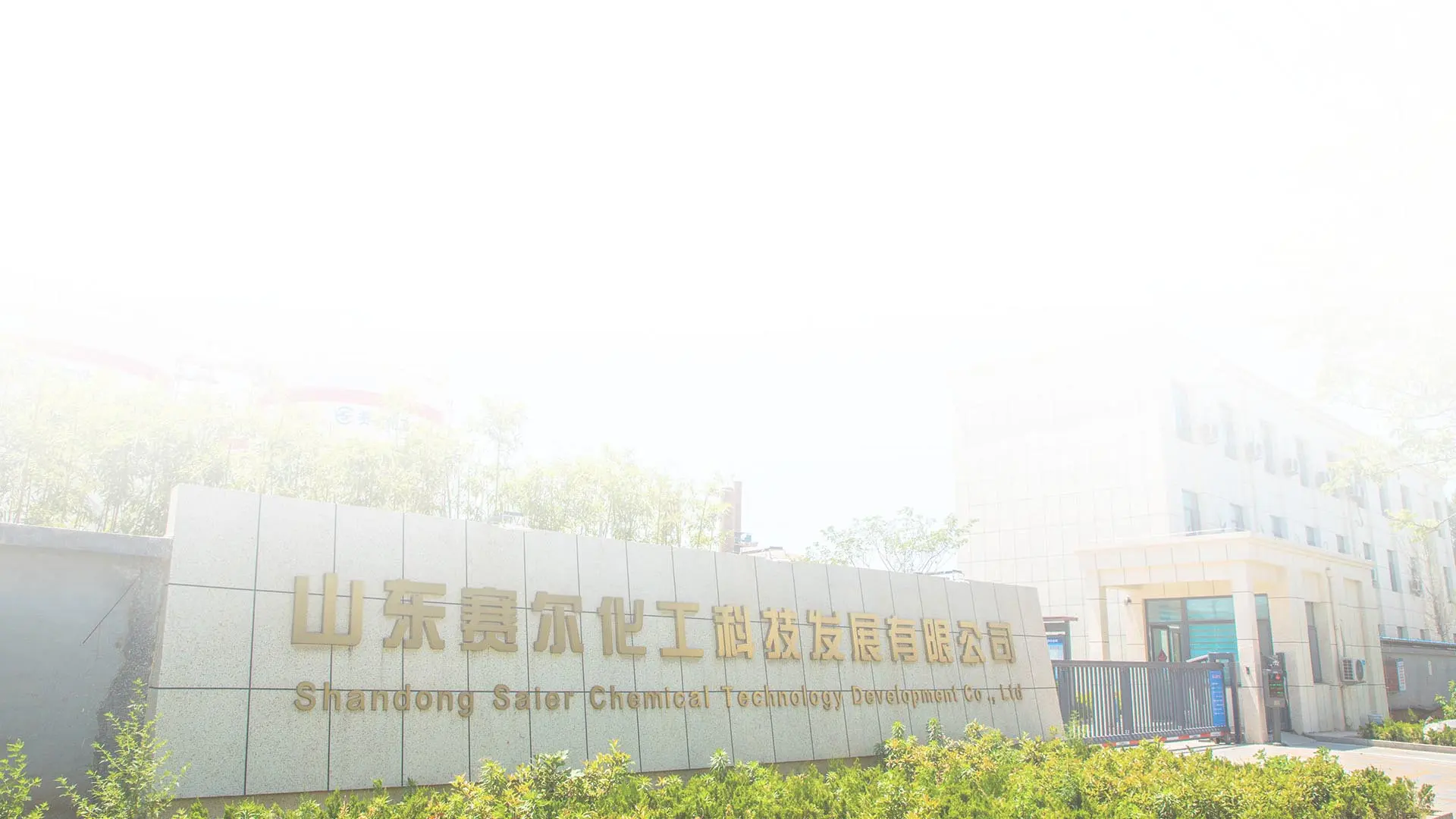
Founded in December 2004, Shandong Saier Chemical Technology Development Co., Ltd. has carved out a leading role in the domestic and global specialty chemicals industry. We operate from a prime industrial site situated at No.207, WeiLiu Road, Qilu Chemical Industrial Park, Linzi, Zibo City, Shandong Province. Operating in this advanced national-level park allows us to directly integrate our production with local resources, optimizing material and energy balances across our refining lines.
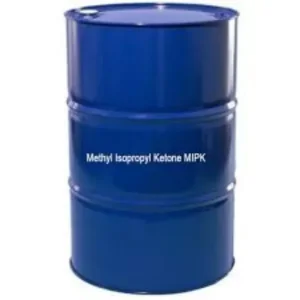
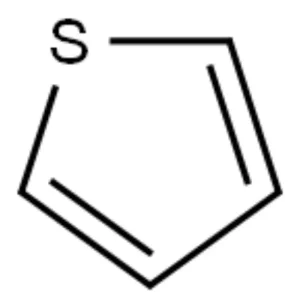
Initially launched with a registered capital of 60 million yuan, the company laid down a robust financial and operational blueprint. During its foundational phase, Shandong Saier focused on producing high-boiling aromatic solvents, Solvent naphtha, TOPSOL, KOCOSOL, Aromatic Hydrocarbon, TOLUENE AROMATIC HYDROCARBON, and NAFTA DISOLVENTE SOLVESSO. Our standard catalog includes highly sought-after fractions such as S-100, S-150, S-150ND, S-180, and S-200, alongside critical downstream intermediates including durene, PVC plasticizers, thiophene, 1,3-Cyclohexanedione, MIPK, TMOF, TMOA, HPA, and TMG. Our heat transfer oils (such as L-QC320) further extend our portfolio to support industrial thermal systems globally.
Work Environment
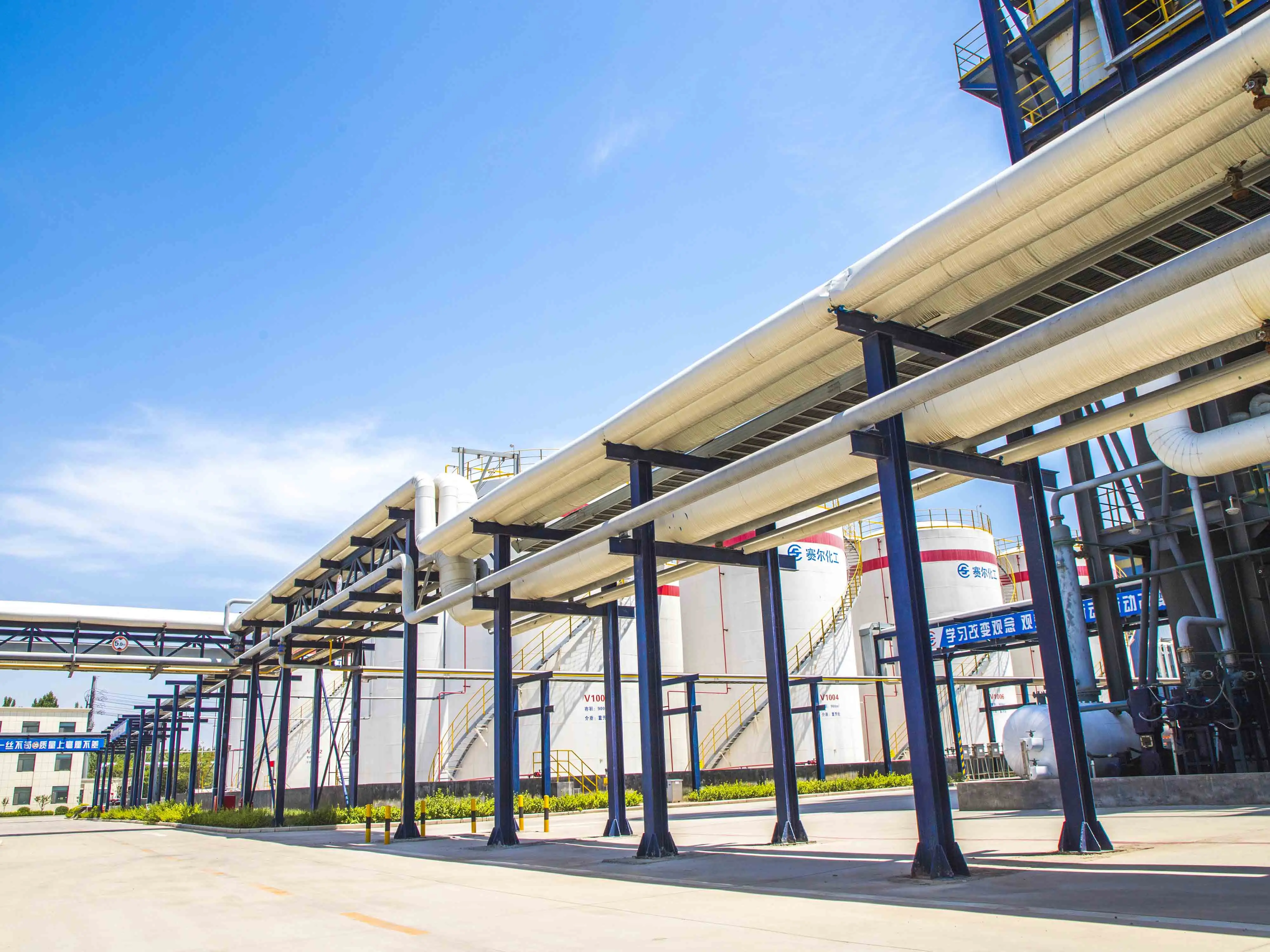
Work Environment 2
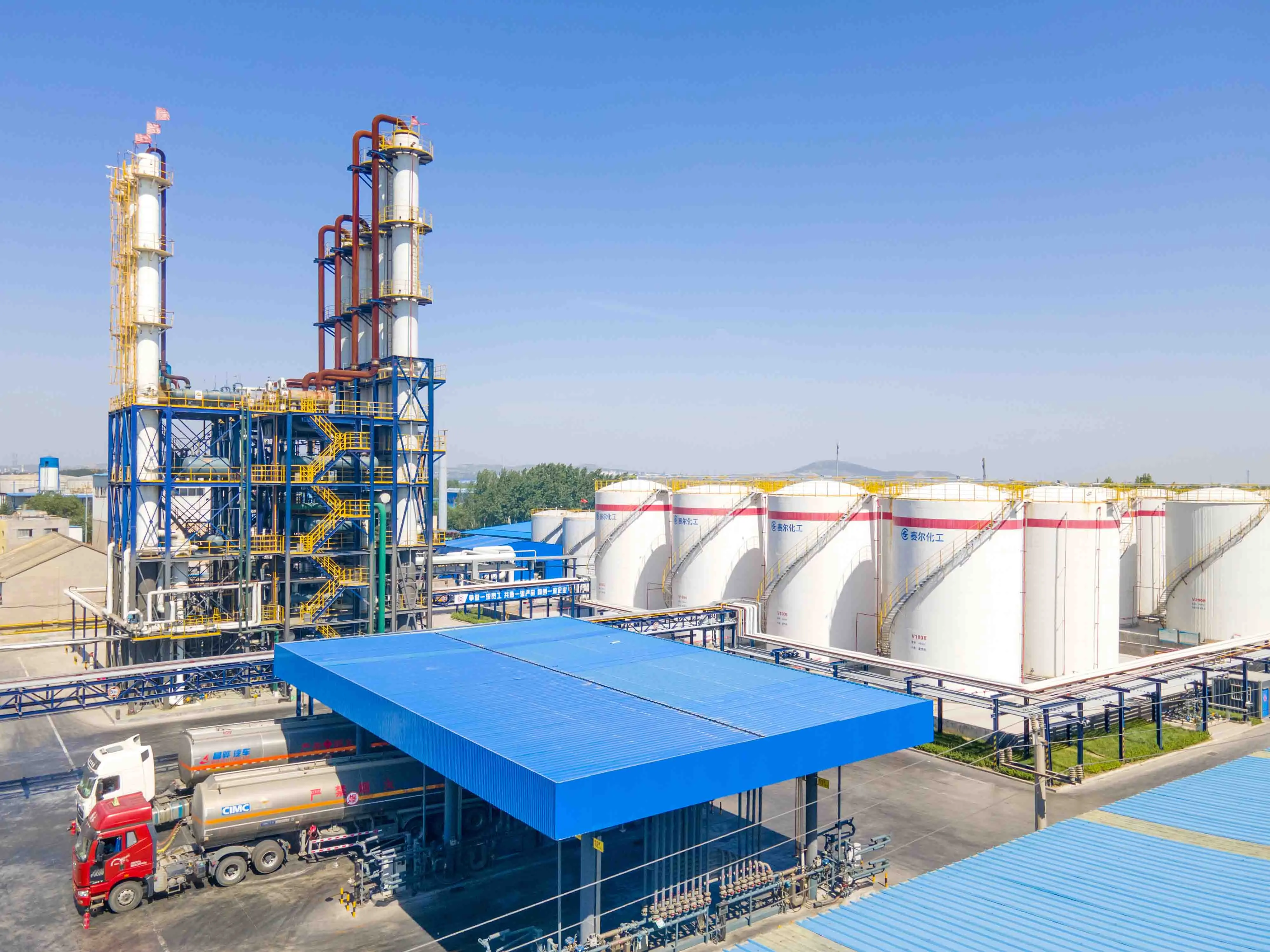
Office Environment
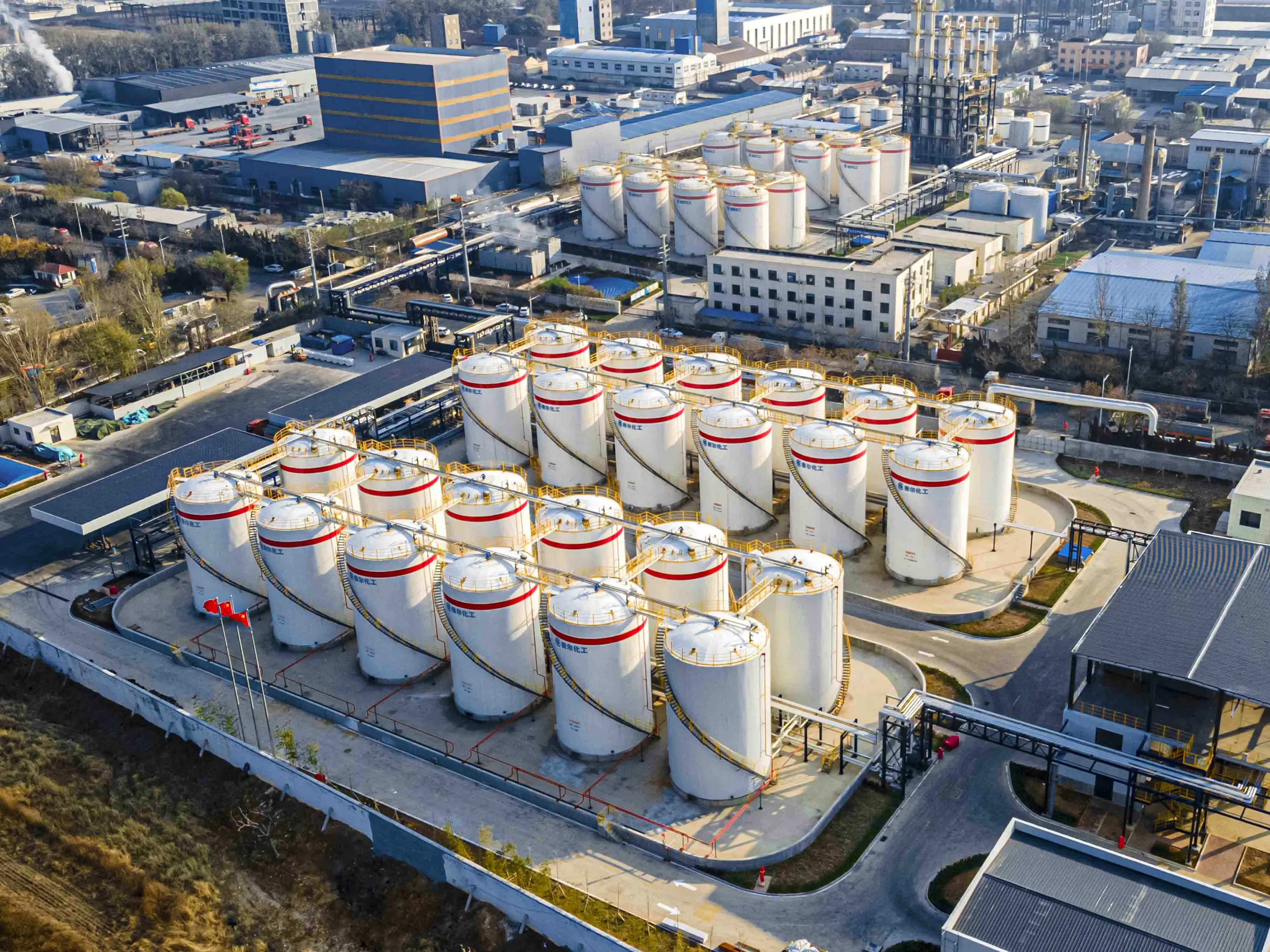
Technical Facilities
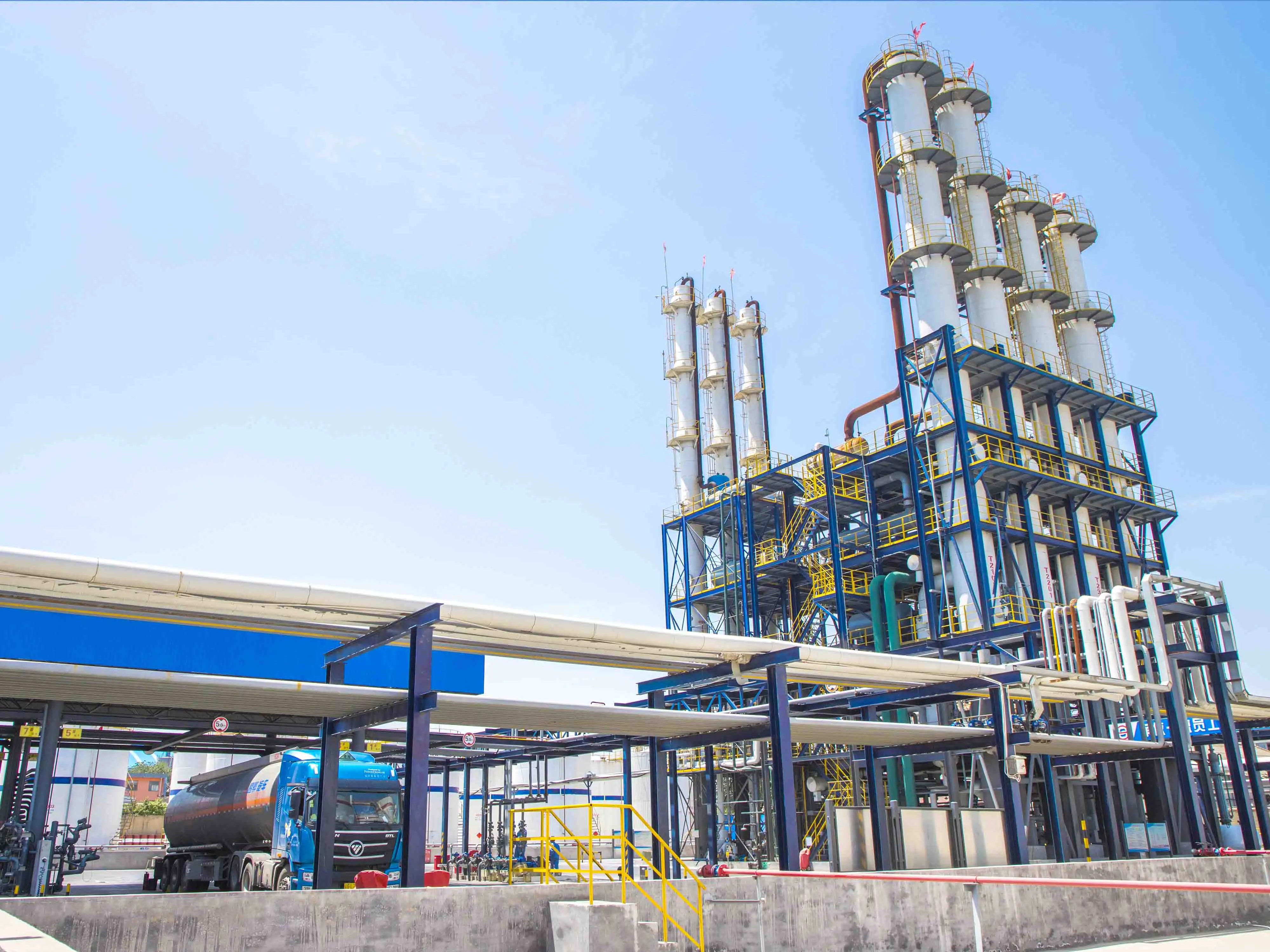
Manufacturing Base
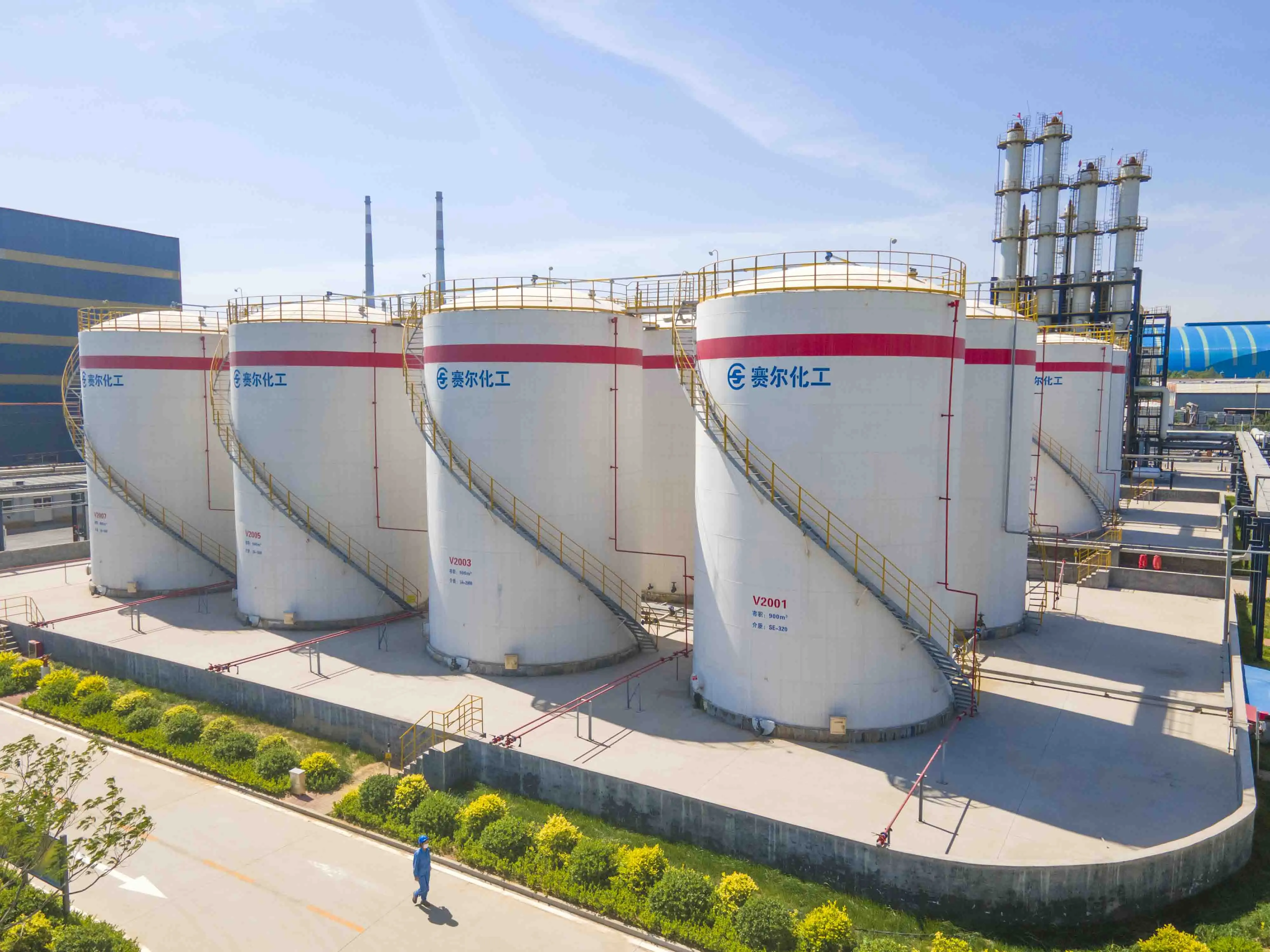
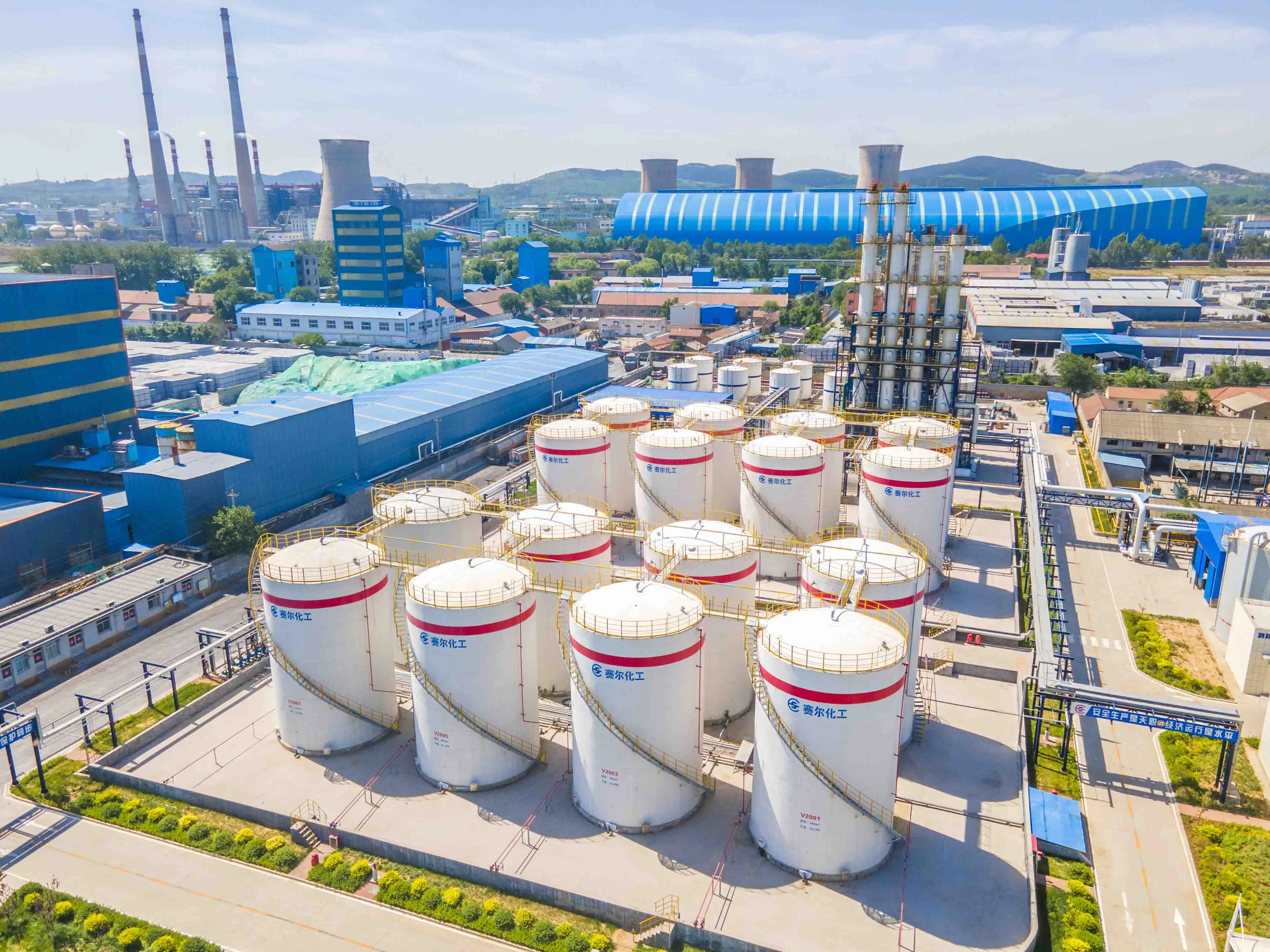
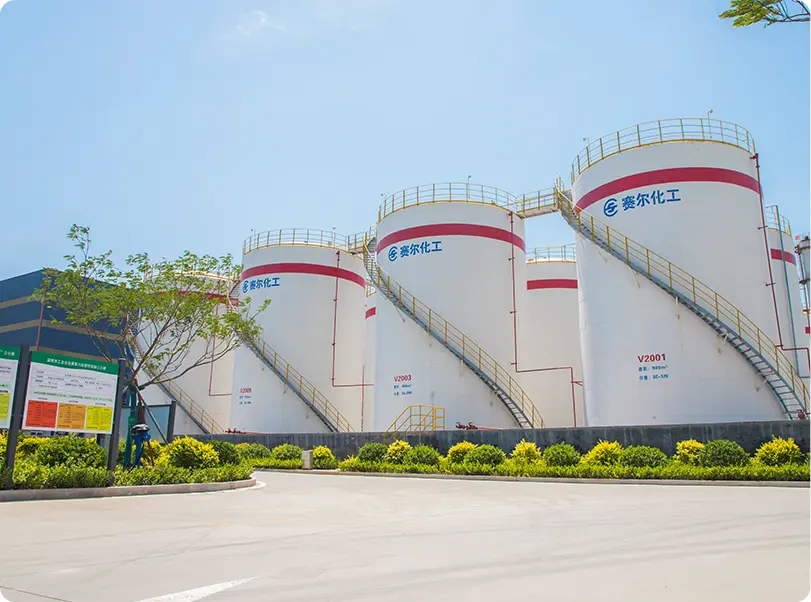
Storage Tanks Area
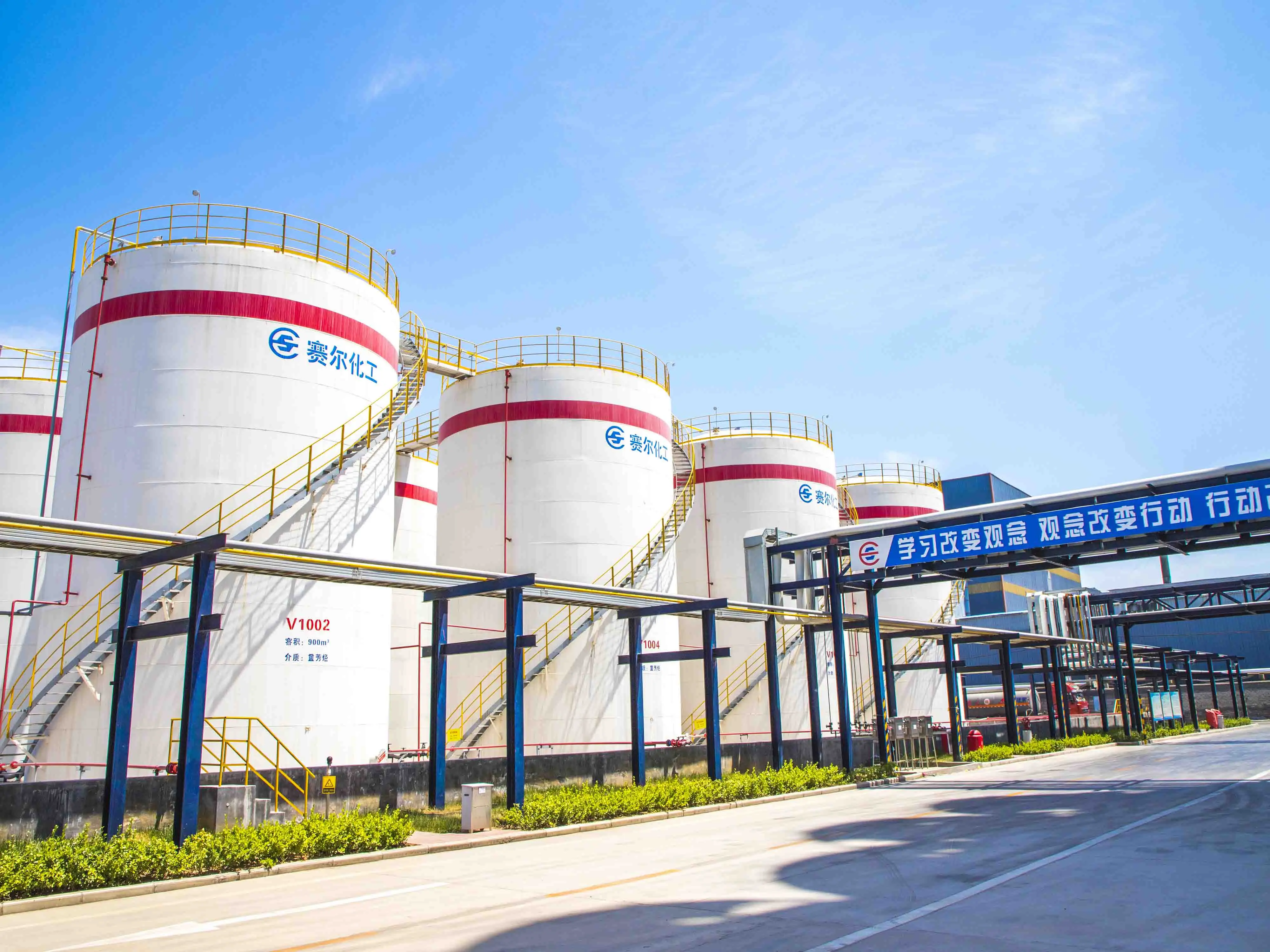
Refining Process Plant
Global Logistics Dock
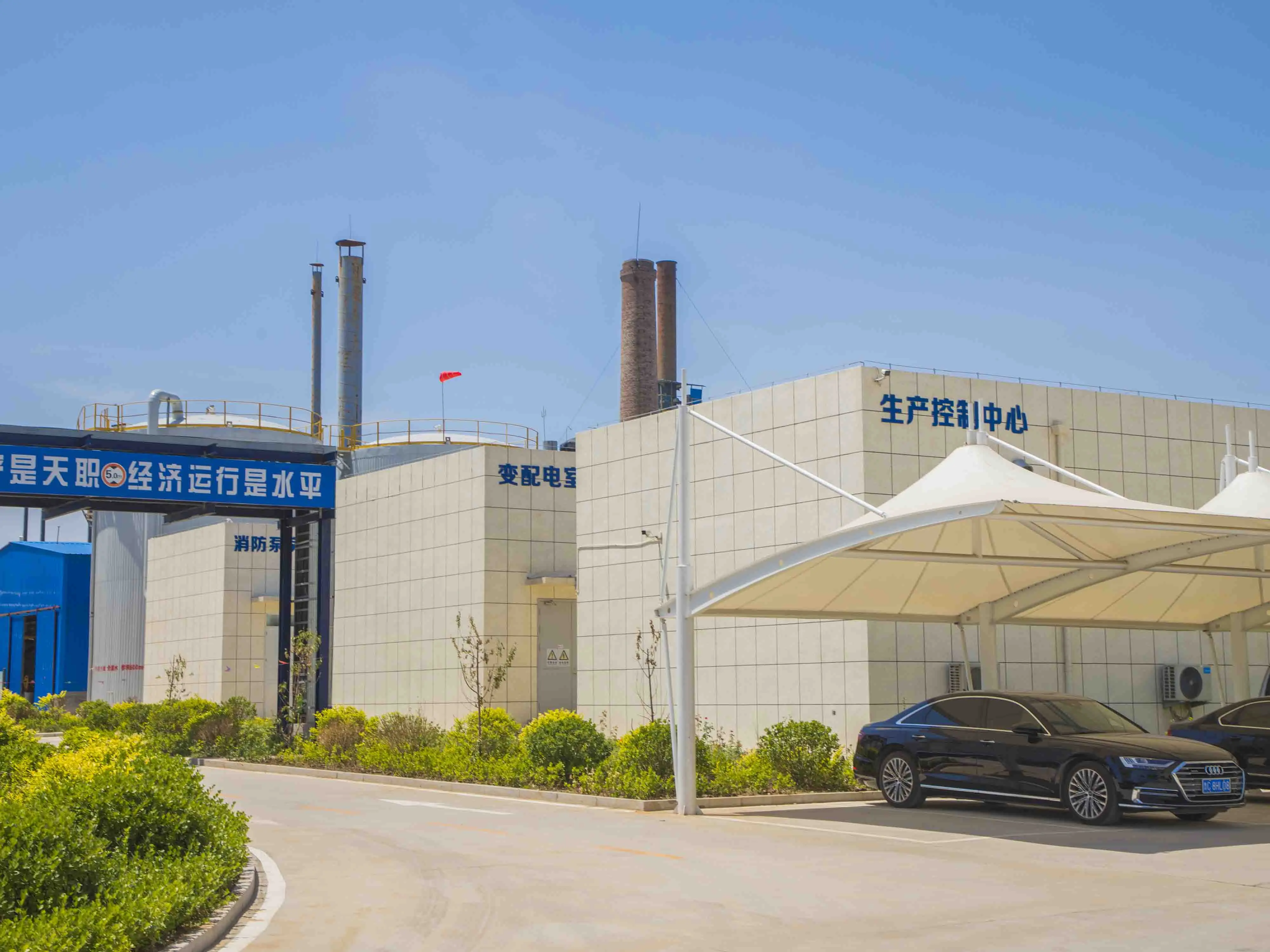
Control Center
Ensuring absolute consistency in the paraffinic, naphthenic, and aromatic distribution of hydrotreated naphtha requires high-grade feedstock raw materials. Shandong Saier maintains deep cooperative relationships with China's foremost state-owned and private mega-refinery complexes. Our primary inputs are sustainably sourced from market giants including Sinopec, PetroChina, ChemChina, Zhejiang Petrochemical (ZPC), and Hengli Petrochemical. By utilizing direct pipelines and high-efficiency rail/tanker networks, we secure premium hydrotreating feedstocks directly from these source aromatic and crude cracking plants.
This premium feedstock network enables us to maintain an aggregate production and processing capacity of 720,000 tons per year. Each batch of raw naphtha undergoes deep fractionation and high-pressure catalytic hydrotreating processes within our modern plants. The resultant product displays superior chemical stability and negligible variations across production campaigns. As a national high-tech enterprise, we continuously refine these methods, lowering the carbon footprint and reducing energy consumption per ton of naphtha produced.
| Parameter Class | Light Hydrotreated Naphtha | Heavy Hydrotreated Naphtha | Aromatic Solvent S100 Range | Testing Standard Method |
|---|---|---|---|---|
| Density @ 15°C (g/cm³) | 0.660 - 0.710 | 0.730 - 0.770 | 0.870 - 0.895 | ASTM D4052 |
| Total Sulfur Content (ppm) | < 0.5 | < 1.0 | < 5.0 | ASTM L5453 |
| Paraffin Content (% vol) | > 70% | 50% - 60% | Trace (< 0.5%) | UOP 990 / GC-FID |
| Aromatics Content (% vol) | < 1.0% | 2.0% - 8.0% | > 99% | ASTM D1319 / GC |
| Initial Boiling Point (°C) | 30 - 35 | 85 - 90 | 154 - 160 | ASTM D86 |
| Dry Point (°C) | 75 - 80 | 180 - 195 | 178 - 185 | ASTM D86 |
Situated in the heart of Zibo's Qilu Chemical Industrial Park, our plant enjoys instant access to raw upstream aromatics and hydrogen streams. This integration cuts out intermediate logistics, lowering costs and ensuring production continuity.
High-volume continuous refining allows us to buffer raw material volatility and secure stable prices for our global customers. We provide contract security that smaller chemical plants cannot replicate.
Our ongoing collaboration with domestic research institutes supports optimization of our desulfurization and dearomatization processes, delivering solvents with minimized odor and toxic impurity profiles.
In response to the growing global demand for energy-saving and environmentally friendly products, Shandong Saier Chemical has optimized its production pathways. Through optimizing high-pressure hydrogen recycling systems and heat exchange networks, we have significantly decreased waste gas emission levels and overall carbon emissions per ton of refined naphtha.
We are recognized as a national high-tech enterprise, which reflects our focus on technical innovation. By choosing our factory, you partner with an environmentally conscious supplier prepared for future green-chemical mandates and carbon border tax regulations.
High paraffinic content (>70% light naphtha) yields high ethylene and propylene output per run in petrochemical cracking furnaces.
Heavy naphtha rich in naphthenes and paraffin transforms efficiently into high-octane aromatic molecules (BTX) over noble-metal catalysts.
Used as raw material for producing paints, wood preservatives, agrochemicals, and extraction agents requiring controlled distillation ranges.
The global refining and petrochemical industry is seeing a major shift toward low-carbon feedstocks and process optimization. The growth of bio-naphtha (derived from biological lipids or plastics pyrolysis oils) blended with traditional hydrotreated naphtha is driving transition strategies for global polymer producers. By utilizing advanced catalysts and hydrogen recycling systems, our manufacturing facility is preparing to adapt to this transition.
At the same time, supply chain transparency is increasingly vital. Multinational buyers want real-time transport logs and carbon intensity accounting. We are digitizing our logistics tracking systems, ensuring partners receive data on their shipments alongside product quality metrics.
Light hydrotreated naphtha primarily consists of C5-C6 hydrocarbons with a boiling point range of 30°C to 90°C, high in paraffins, making it ideal for ethylene steam cracking. Heavy hydrotreated naphtha contains C7-C12 hydrocarbons, boiling between 90°C and 200°C, and is rich in naphthenes and aromatics, making it the preferred feed for catalytic reforming processes.
Our facility utilizes multi-stage catalytic hydrodesulfurization (HDS) reactors. By reacting the feedstock with high-purity hydrogen gas under high pressures and elevated temperatures over cobalt-molybdenum (Co-Mo) or nickel-molybdenum (Ni-Mo) catalyst beds, sulfur compounds are converted into hydrogen sulfide gas (H2S), which is separated out, bringing sulfur content to under 1 ppm.
We offer shipping flexibility based on procurement volume. For bulk buyers, we utilize liquid chemical tanker vessels loaded at local ports. For smaller quantities, we provide ISO container tanks, steel drums (typically 200L), or intermediate bulk containers (IBCs) with full GHS labels, custom shipping documents, and safety declarations.
Yes. Alongside standard hydrotreated naphtha grades, our fractioning towers can isolate narrow boiling cuts to match client specifications for flashpoint, evaporation rate, and solvency strength. This customization includes producing low-naphthalene aromatic solvents like S-150ND and S-200.
 Saier Chemical