In the modern petrochemical and downstream synthesis sectors, C6 hydrocarbons serve as fundamental blocks for high-value chemical processing. Structurally defined by six carbon atoms, this classification encompasses key aliphatics, cycloaliphatics, and aromatics, including hexane isomers, cyclohexane, and benzene derivatives. The global commercial landscape for C6 compounds has entered a paradigm shift, characterized by rigorous environmental mandates and demands for higher purity. High-boiling aromatic solvents, such as S-100, S-150, S-150ND, and S-200, are systematically refined from these aromatic streams to provide superior solvency, tailored evaporation profiles, and high flash points across agricultural, coating, and industrial resin formulations.
As downstream users demand precise performance metrics, the localization of raw materials has become a significant competitive factor. Modern chemical complexes leverage local integration with large-scale refineries to stabilize feedstocks. Industry integration secures long-term stability and shields end-users from sudden price volatility in feedstock chains. Our infrastructure in the Qilu Chemical Industrial Park positions Shandong Saier Chemical Development Co., Ltd. at the epicenter of crude C10 and C6 aromatic refinement, enabling high-precision rectification that produces premium grades for international markets.
Founded in December 2004, Shandong Saier Chemical Technology Development Co., Ltd. has established an impressive track record in the highly competitive chemical processing industry. Located at No.207, WeiLiu Road, Qilu Chemical Industrial Park, Linzi, Zibo City, Shandong Province, the company operates within one of China's most robust industrial chemical development clusters, benefiting from integrated logistics, regulatory alignment, and feed infrastructure.
In its early phases, backed by a registered capital of 60 million yuan, the company focused on establishing basic chemical production plants. The initial portfolio included high-boiling aromatic solvents (such as S-100, S-150, S-150ND, S-180, and S-200, marketed under global names like Solvent Naphtha, TOPSOL, KOCOSOL, and Solvesso), heat transfer oils (specifically L-QC320), and key intermediate lines like durene, PVC plasticizers, thiophene, 1,3-Cyclohexanedione, MIPK, TMOF, TMOA, HPA, and TMG. Sourcing raw materials from petrochemical giants like Sinopec, PetroChina, ChemChina, Zhejiang Petrochemical, and Hengli Petrochemical, the company maintains stable, premium raw material streams that underpin its output quality.
Currently, Saier Chemical commands an annual capacity of 720,000 tons. While its roots are deeply planted in major domestic markets like Beijing, Shanghai, Tianjin, Hebei, Shandong, and Henan, the enterprise has successfully expanded its footprint globally, serving clients across Asia, Europe, the Americas, and Southeast Asia. The company's drive for clean manufacturing and process optimization earned it recognition as a national high-tech enterprise, highlighting its technical expertise and process reliability.
| Solvent Grade | Boiling Range (°C) | Flash Point (°C) | Aromatic Content (%) | Primary Industrial Applications |
|---|---|---|---|---|
| Aromatic S-100 | 160 – 180 | > 42 | > 99.0 | Paints, Industrial Coatings, Agricultural Emulsifiable Concentrates (EC) |
| Aromatic S-150 | 180 – 210 | > 62 | > 99.0 | High-bake Coatings, Agrochemicals, Foundry Resins |
| Aromatic S-150ND | 182 – 208 | > 63 | > 99.0 (Naphthalene < 0.1) | Environmentally Friendly Pesticides, Automotive Finishes |
| Aromatic S-200 | 230 – 290 | > 100 | > 99.0 | Aerosols, Printing Inks, High-temperature reaction media |
Petrochemical manufacturing is shifting away from high-temperature energy footprints toward carbon-efficient separation. The adoption of continuous column partition walls (dividing-wall columns, DWC) reduces energy consumption during fractional distillation by up to 30%, minimizing carbon intensity per metric ton.
Global regulatory bodies like EU REACH and the EPA enforce strict limits on polycyclic aromatics. Formulators are transitioning to Naphthalene Depleted (ND) aromatic solvents. This shift drives refining manufacturers to adopt deeper extraction technologies to isolate single isomers and clean fractions.
Integrating AI-driven predictive control models into distillation operations enables real-time adjustments of reflux ratios and thermal inputs. This ensures consistent purity levels even when processing varying crude inputs from regional refineries.
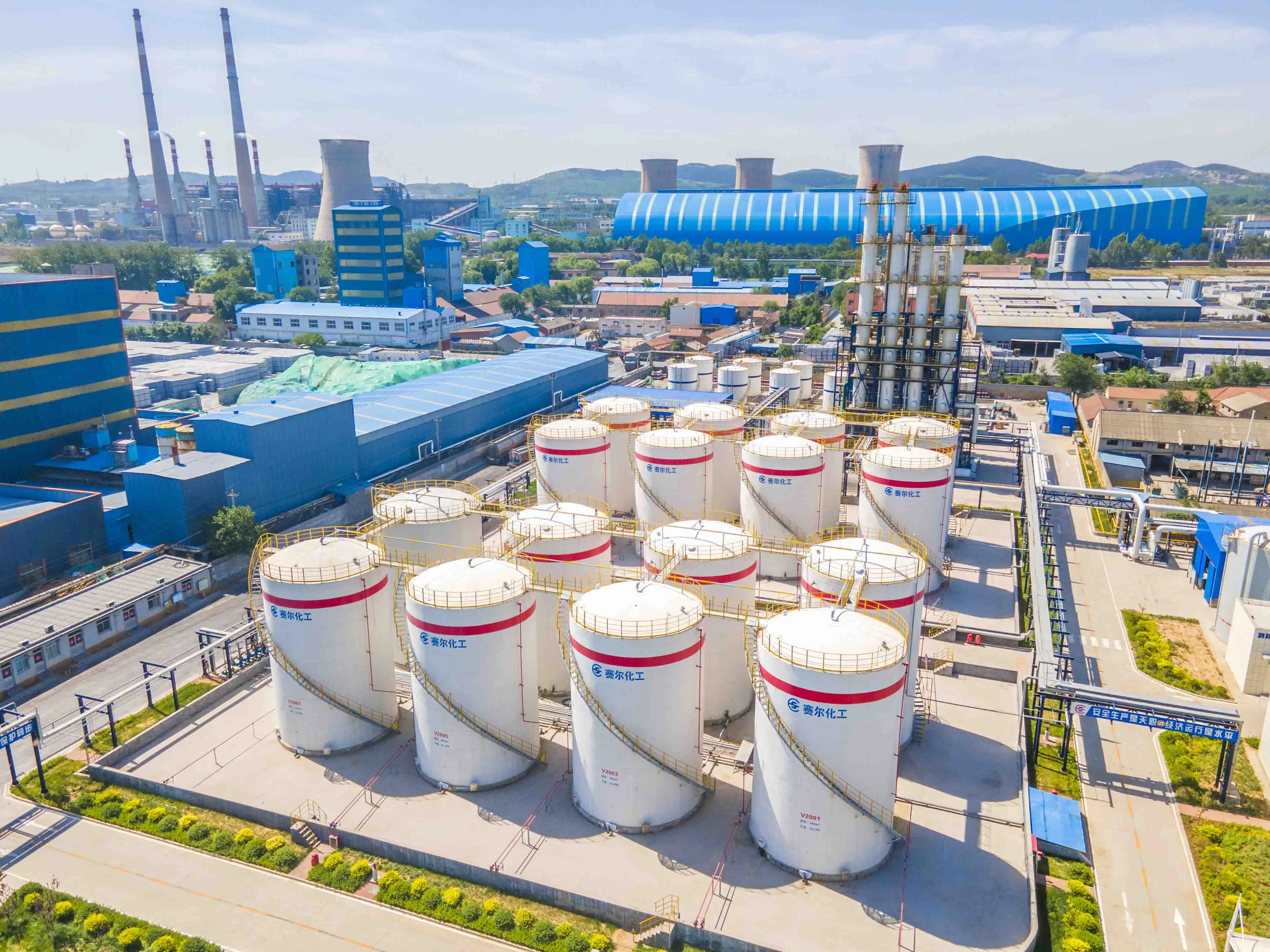
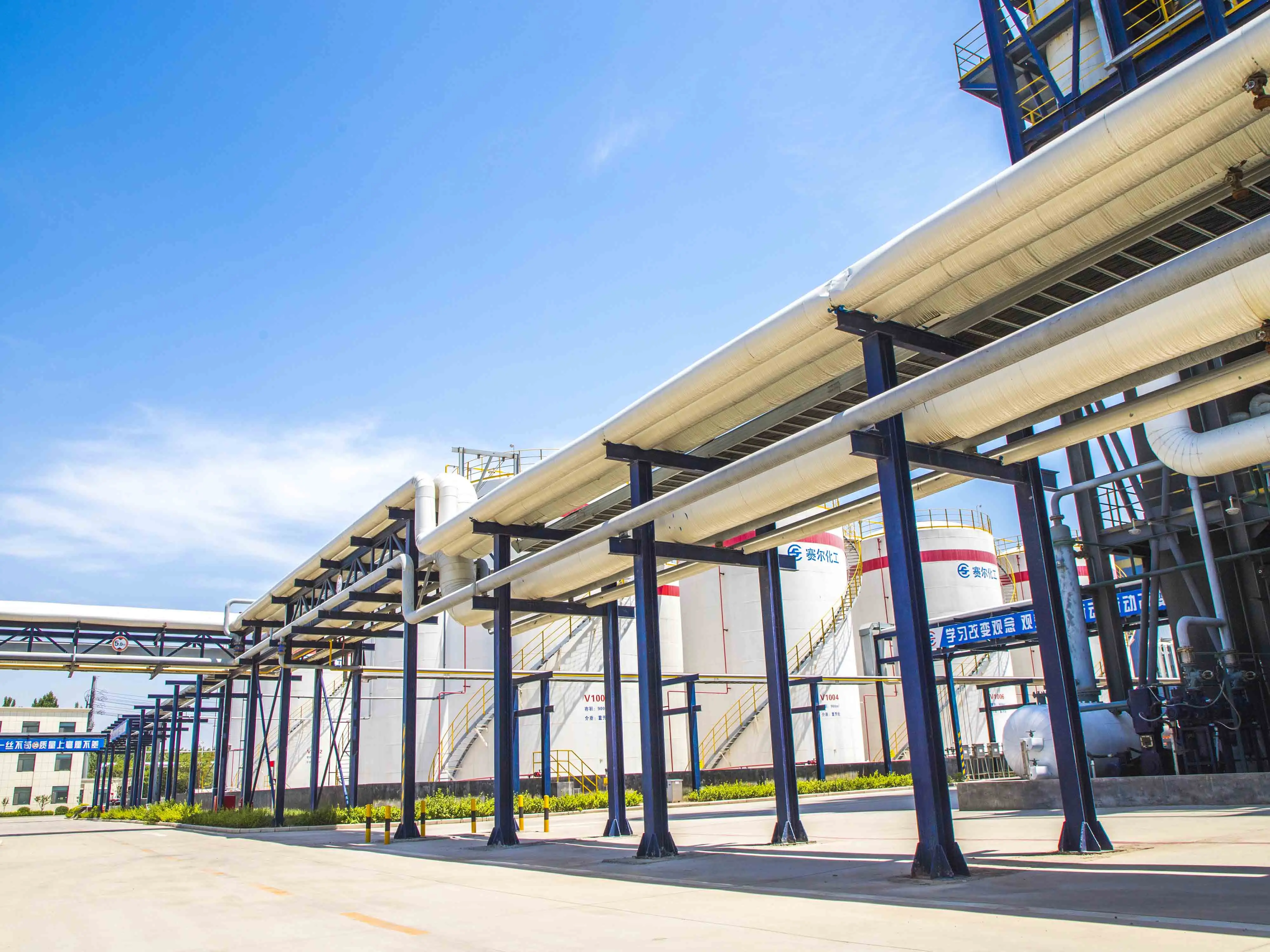
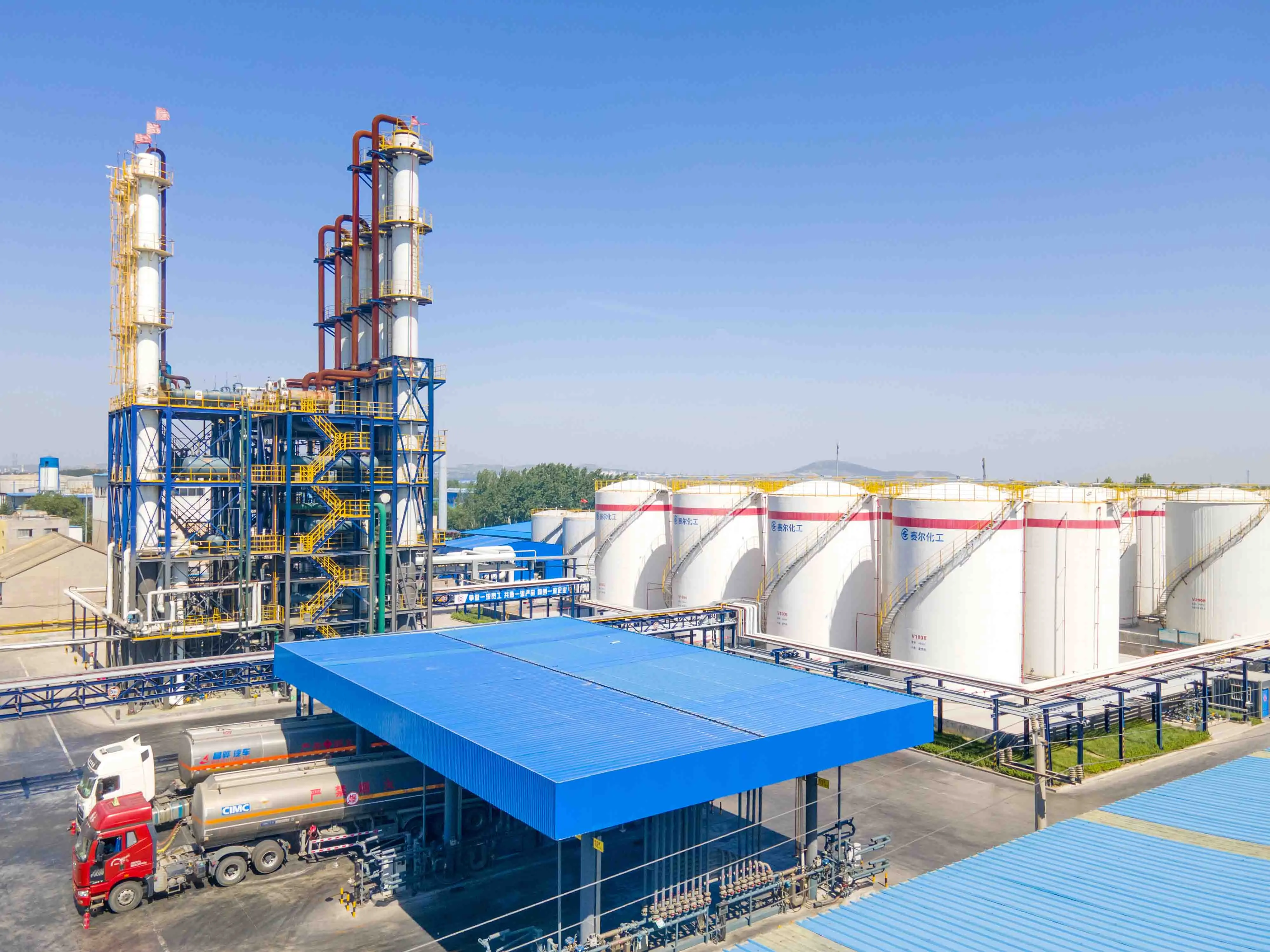
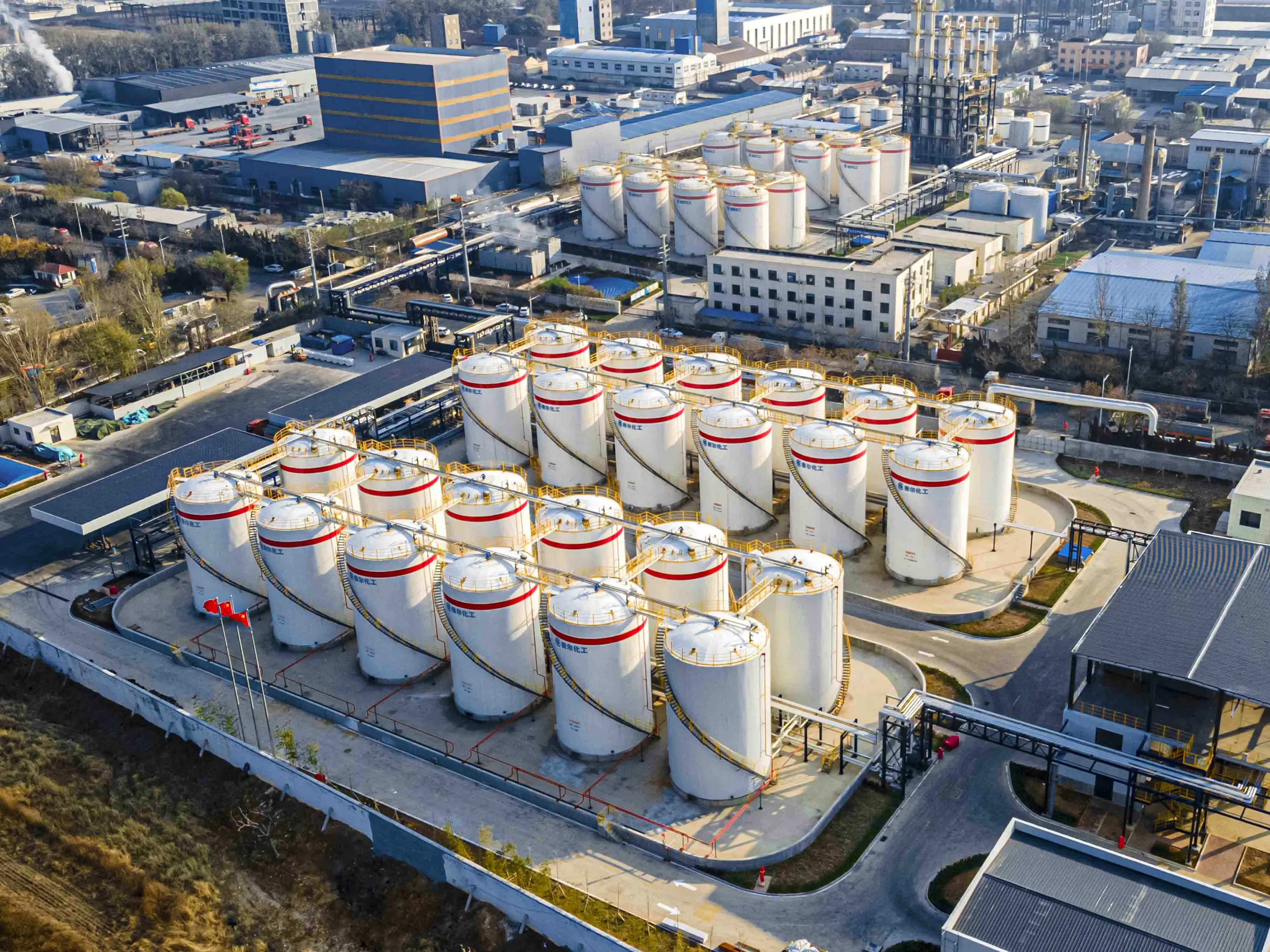
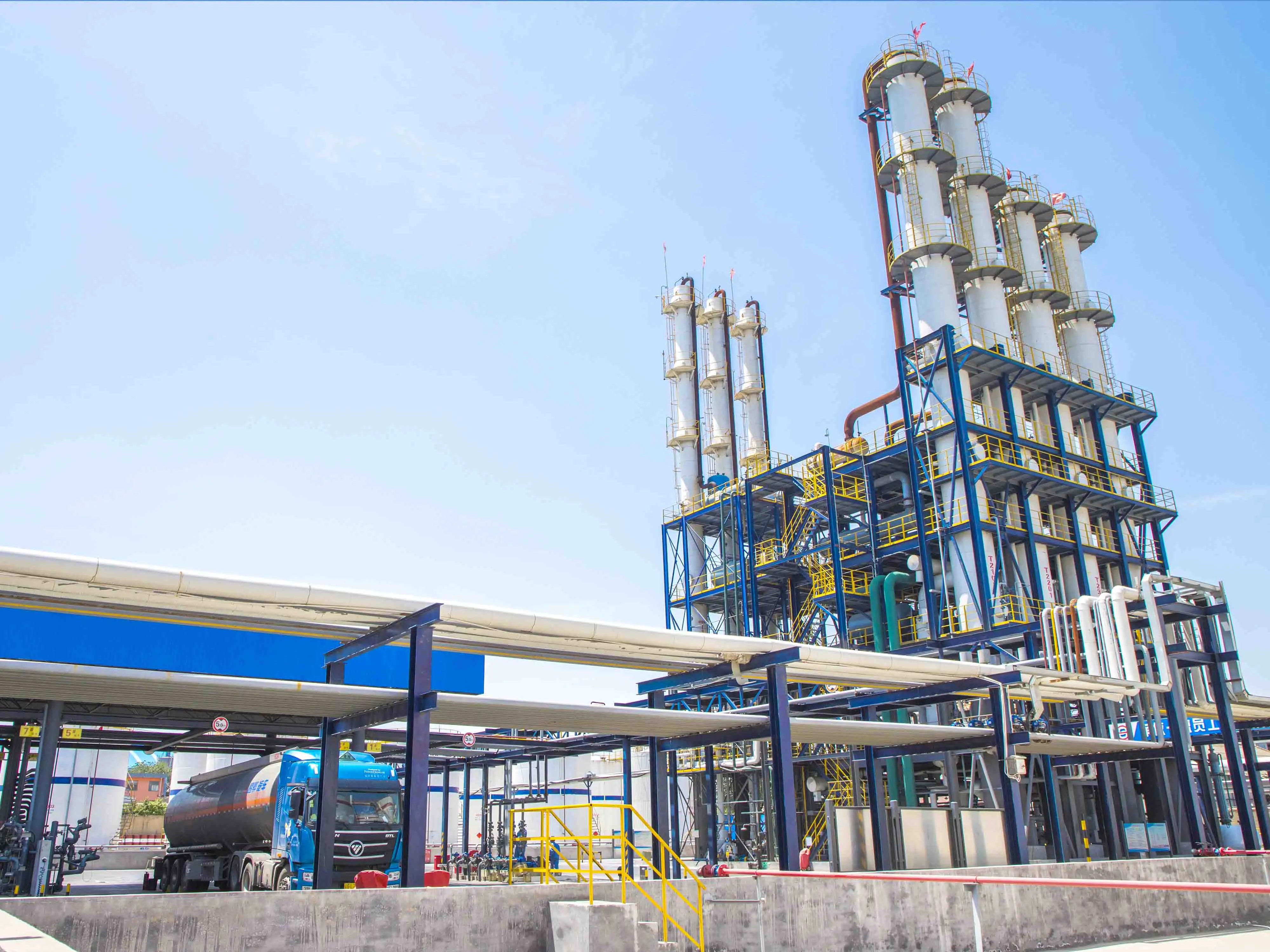
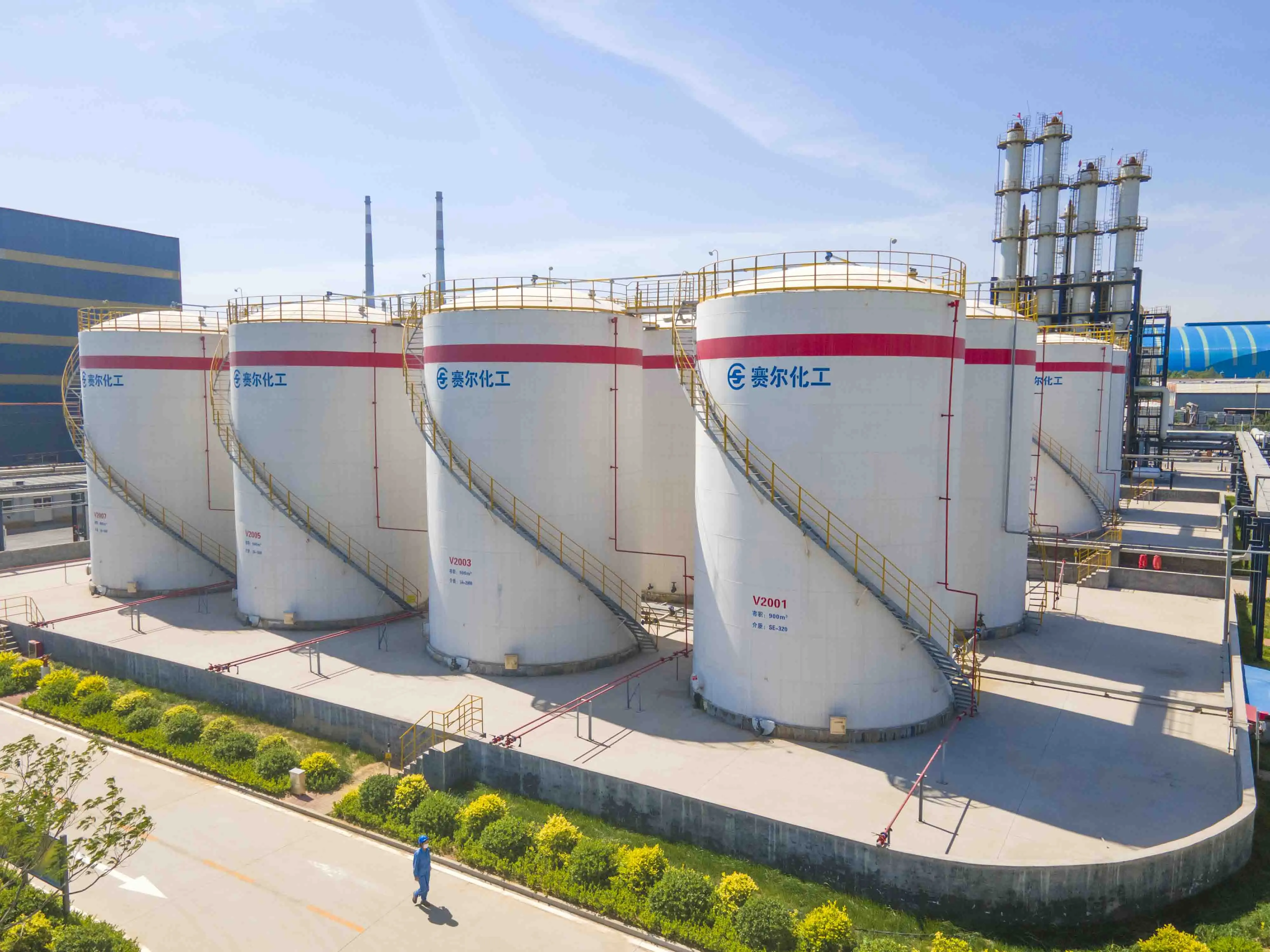
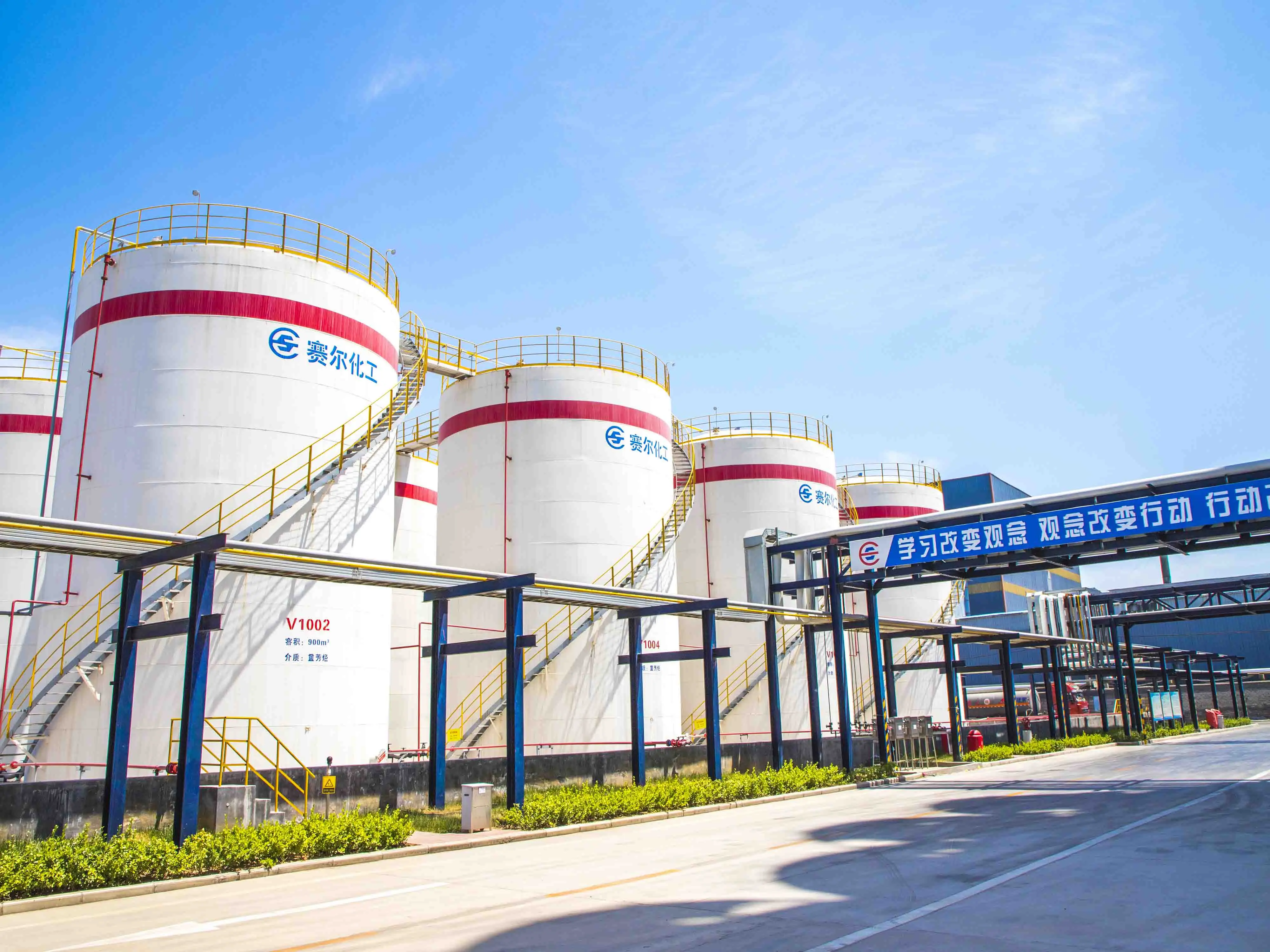
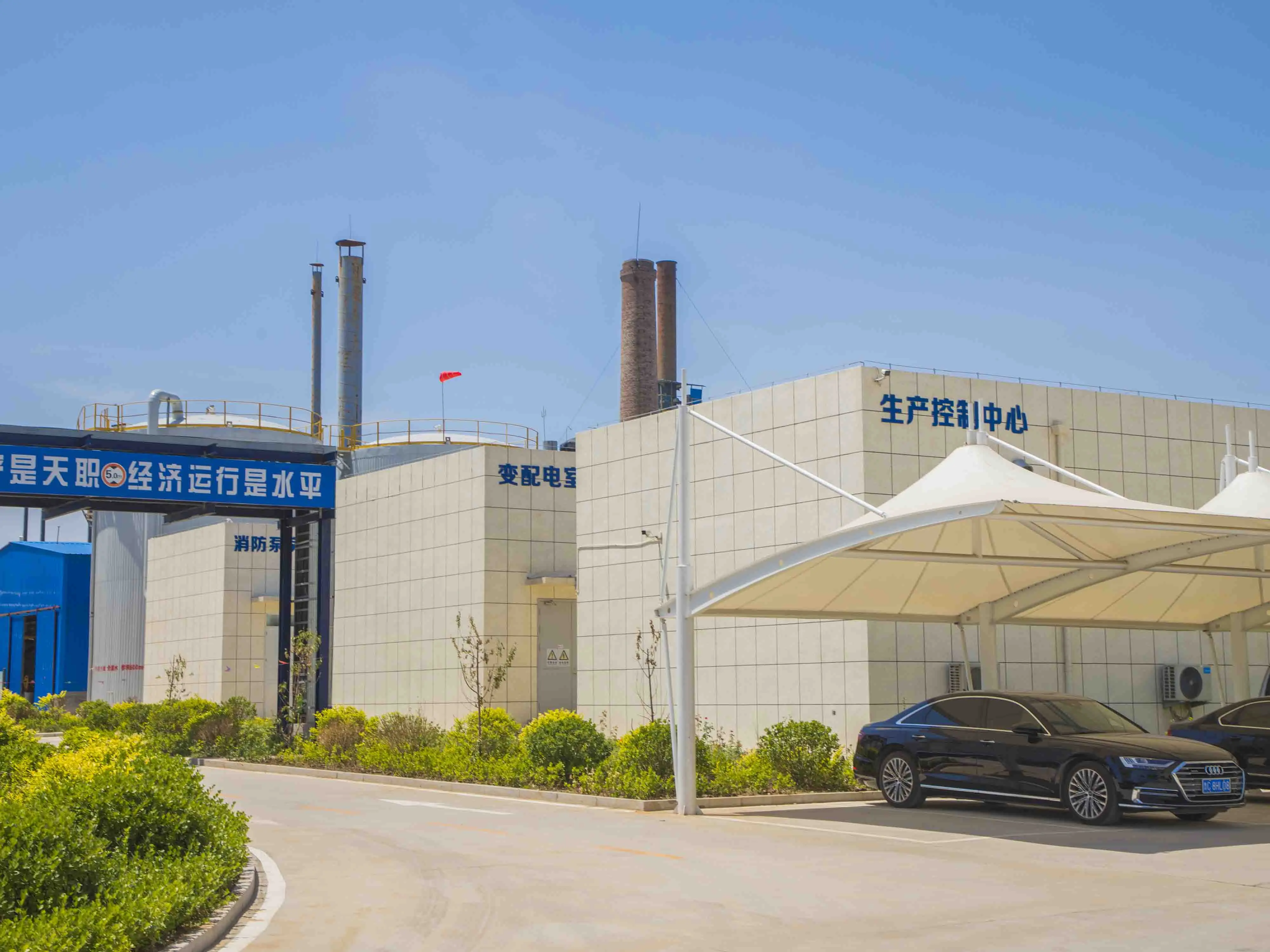
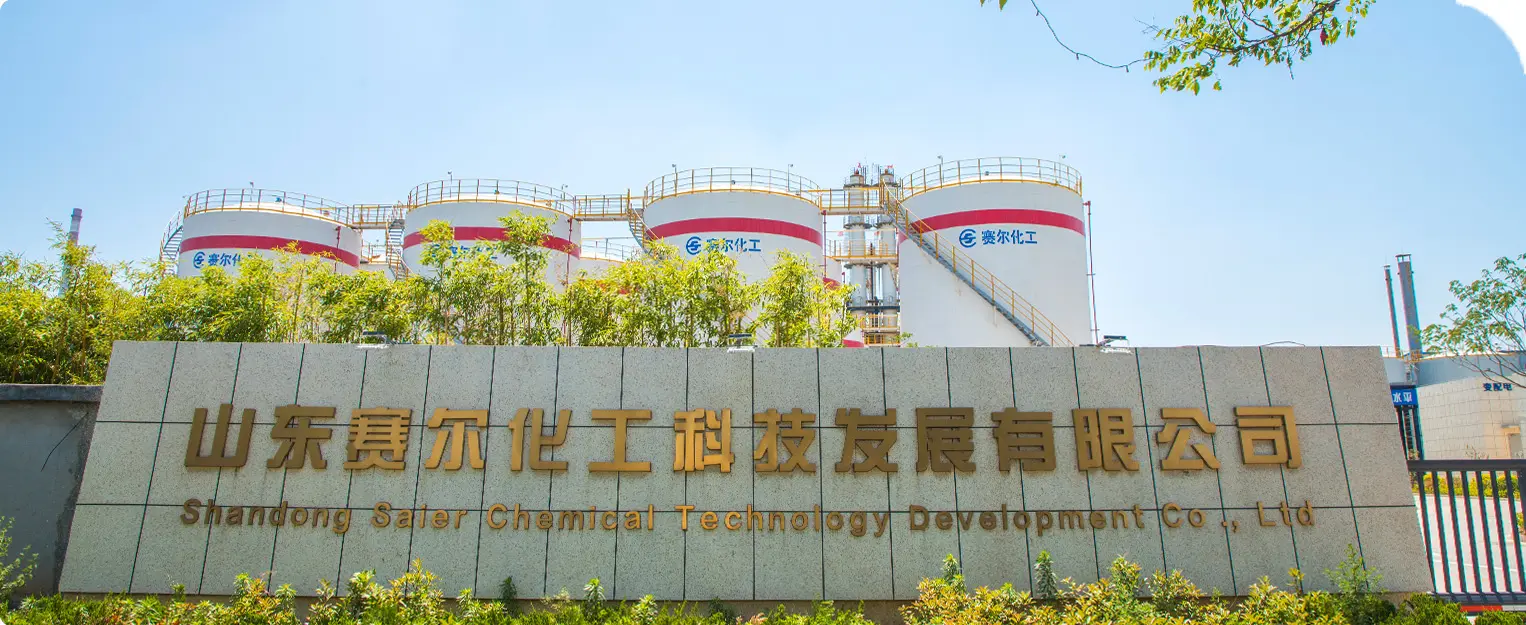
Saier Chemical's manufacturing facility uses modern instrumentation to monitor fractional distillation in real-time. By applying automated control systems to adjust heating loads and vacuum lines, we isolate target hydrocarbon ranges with narrow cut spans, delivering high-purity solvents for demanding paint, resin, and pharmaceutical syntheses.
For chemical pesticide formulations, solvent toxicity, phytotoxicity, and active ingredient solubility are critical factors. Solvents like Aromatic S-150 and S-200 show excellent dissolution properties for complex active ingredients. Using S-150ND reduces emulsion degradation under extreme temperatures while complying with low-naphthalene standards.
Modern industrial coatings require solvents with predictable evaporation rates to prevent surface defects like pinholing and orange peel. Our high-boiling aromatic solvents evaporate uniformly at high temperatures, allowing the polymeric binder to form a flat, high-gloss film.
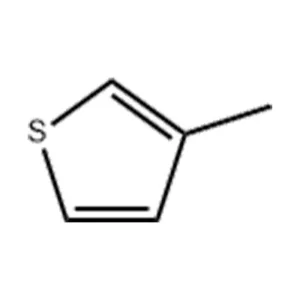
Specialty intermediates like 3-Methylthiophene and 1,3-Cyclohexanedione require pure solvent environments to avoid side reactions. Using targeted distillation cuts as process diluents allows synthetic laboratories and industrial plants to run processes at higher yields.
Heat transfer oil L-QC320 is designed for indirect heating loops operating at temperatures up to 320°C. With high thermal stability and oxidation resistance, it prevents coke deposition on pipe walls, ensuring thermal efficiency and system safety.
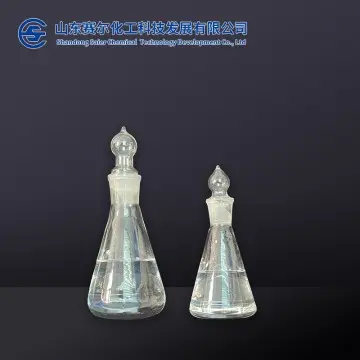
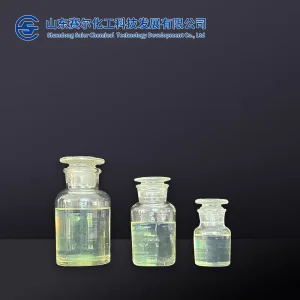
Produced from high-quality C10 aromatic feedstocks via continuous rectification, yielding a clear, low-color, high-solvency industrial solvent.
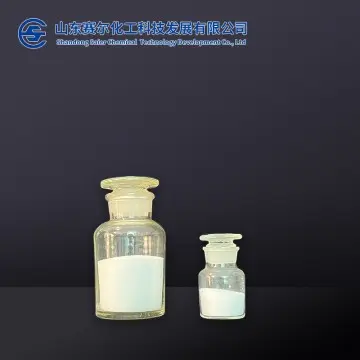
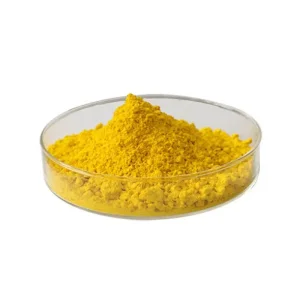
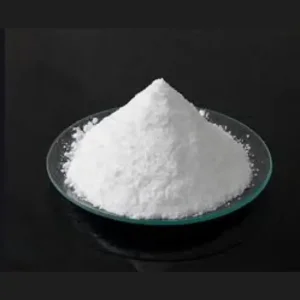
High-purity building blocks tailored for pharmaceutical synthesis, polymer production, and targeted agricultural active formulations.
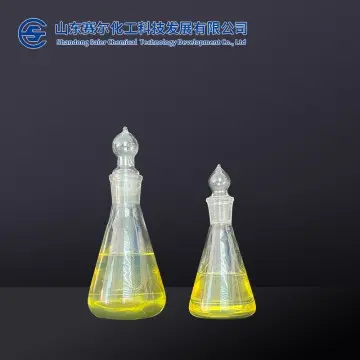
Formulated for high-temperature closed loop thermal systems, offering resistance to thermal cracking and oxidation.
Saier Chemical's technical roadmap integrates advanced raw material processing with a complete value chain: from high-purity solvents like S-100 and S-150ND to key intermediates. This chemical integration enables precise control over process parameters, delivering consistent product quality that meets international standards.
The main difference lies in the naphthalene content. Regular Aromatic S-150 contains 1% to 8% naphthalene, which is classified as a hazardous air pollutant (HAP) and is subject to environmental restrictions. S-150ND (Naphthalene Depleted) undergoes additional refinement to reduce naphthalene to below 0.1% (typically less than 0.05%), making it suitable for low-VOC and environmentally sensitive formulations.
Aromatics exhibit a higher solvency power (measured by Kauri-Butanol value or aniline point) compared to aliphatics. This allows them to dissolve a wider range of polymers, including alkyds, acrylics, epoxies, and polyurethane resins, yielding formulations with higher solids content and lower viscosity.
We maintain quality through upstream integration and process automation. Our raw materials are sourced directly from major refiners like Sinopec and PetroChina. These feedstocks undergo continuous distillation controlled by automated DCS, with each batch monitored via gas chromatography (GC) in our quality laboratories.
Although S-150 and S-200 have high flash points (>62°C and >100°C respectively) making them safer than low-flash solvents, they should still be stored in cool, well-ventilated areas away from ignition sources. Storage tanks should feature nitrogen blanketing systems to prevent vapor accumulation and moisture ingress.
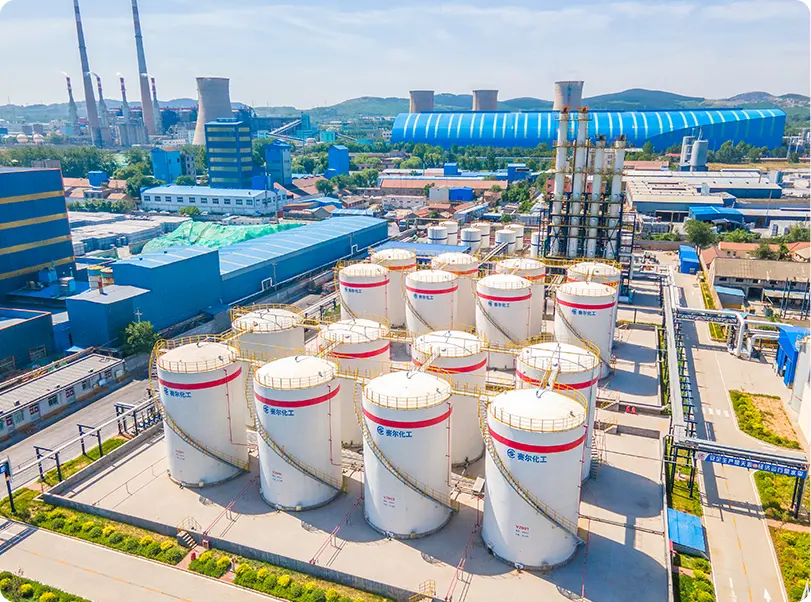
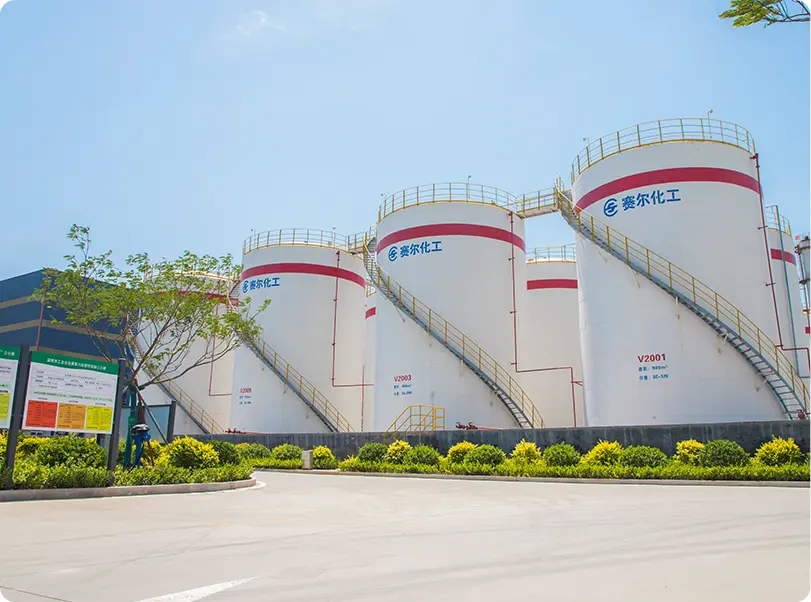
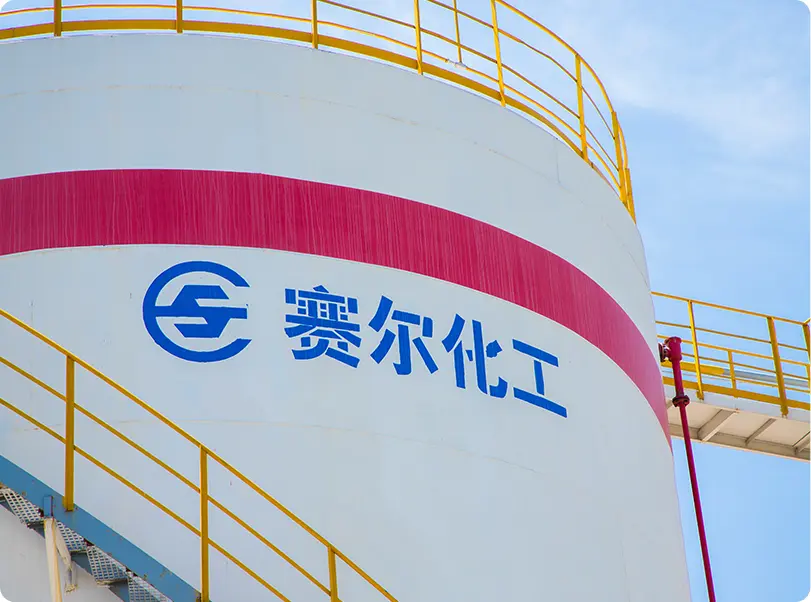
Saier Chemical's facilities are engineered to balance environmental stewardship with high throughput. By integrating thermal oxidizers and waste heat recovery loops, we minimize emissions while manufacturing high-purity solvents and chemical intermediates.
Discuss your specifications for low-naphthalene aromatic solvents, high-boiling petroleum cuts, or specialized fine chemicals. Request safety data sheets (SDS) and commercial quotes from our technical team.
Call Technical Office: +86 15853357907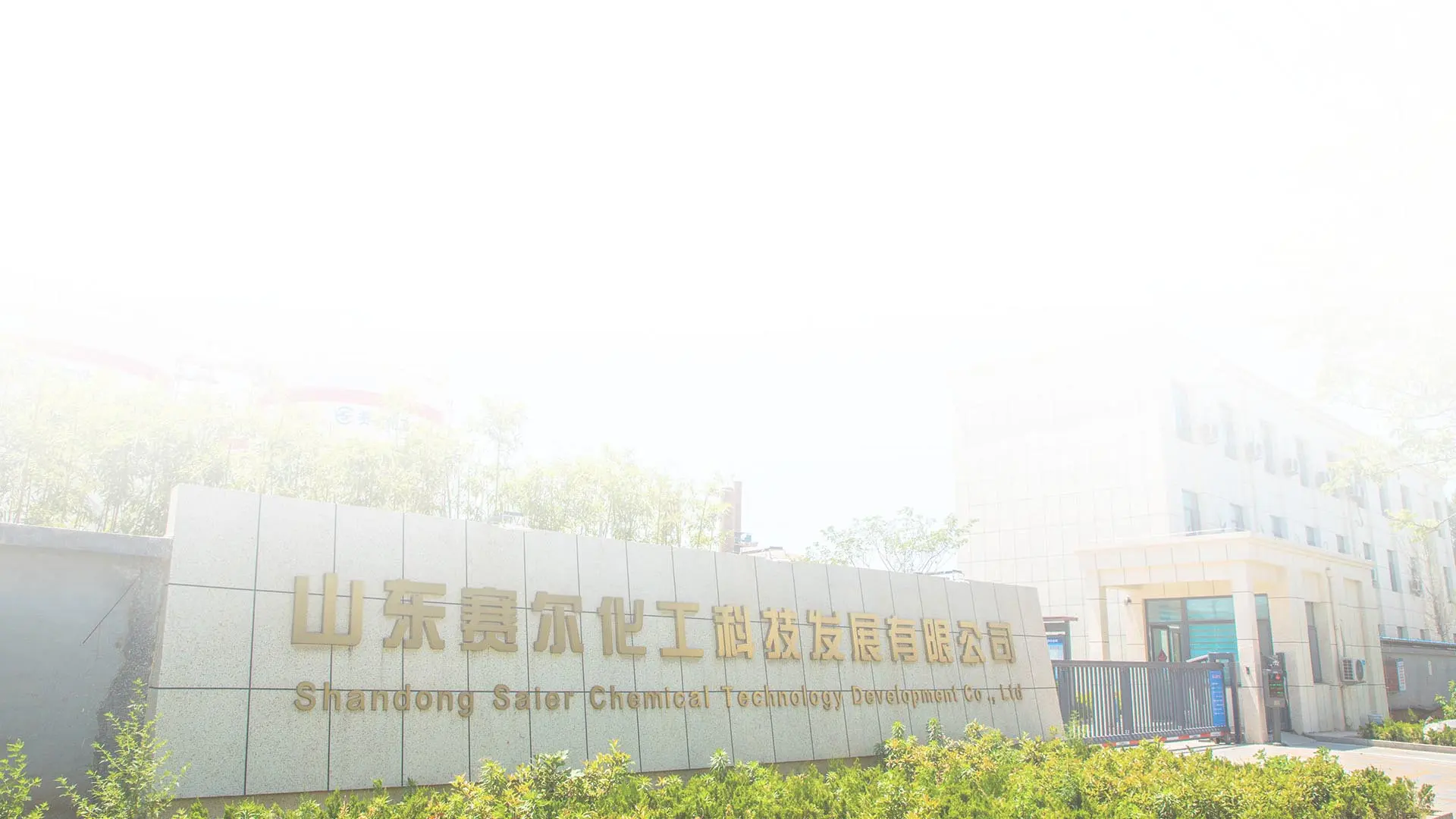
 Saier Chemical