Direct mill availability of high-purity syntheses, aromatic solvents, and specialized fine chemicals rigorously monitored under international quality standards.

An analytical evaluation of macro-industrial dynamics, structural supply interdependencies, and strategic procurement frameworks.
The contemporary global chemical infrastructure relies implicitly on the downstream efficiency and consistent purity profile of intermediate compounds. Chemical intermediates function as the structural baseline for multi-step chemical synthesis across the global pharmaceutical, agrochemical, polymer matrix, and advanced electronic industries. As cross-border regulatory frameworks like REACH and TSCA intensify oversight on environmental baselines and trace contaminants, the global procurement narrative has fundamentally shifted from transactional, cost-only acquisition models toward integrated value-chain partnerships with scientifically advanced manufacturing hubs.
Geopolitically and commercially, Europe, the Americas, and the Asia-Pacific region maintain highly specialized yet deeply interdependent roles within the global market. While western chemical entities prioritize advanced downstream processing and consumer-adjacent compound engineering, they depend heavily on centralized asset bases in heavy industrial parks for the large-scale creation of intermediate building blocks. This reliance demands that top-tier factories utilize robust continuous-distillation technologies and automated analytical monitoring systems to guarantee supply continuity amidst volatile global trade routes.
Tracing the operational framework of Shandong Saier Chemical Technology Development Co., Ltd.
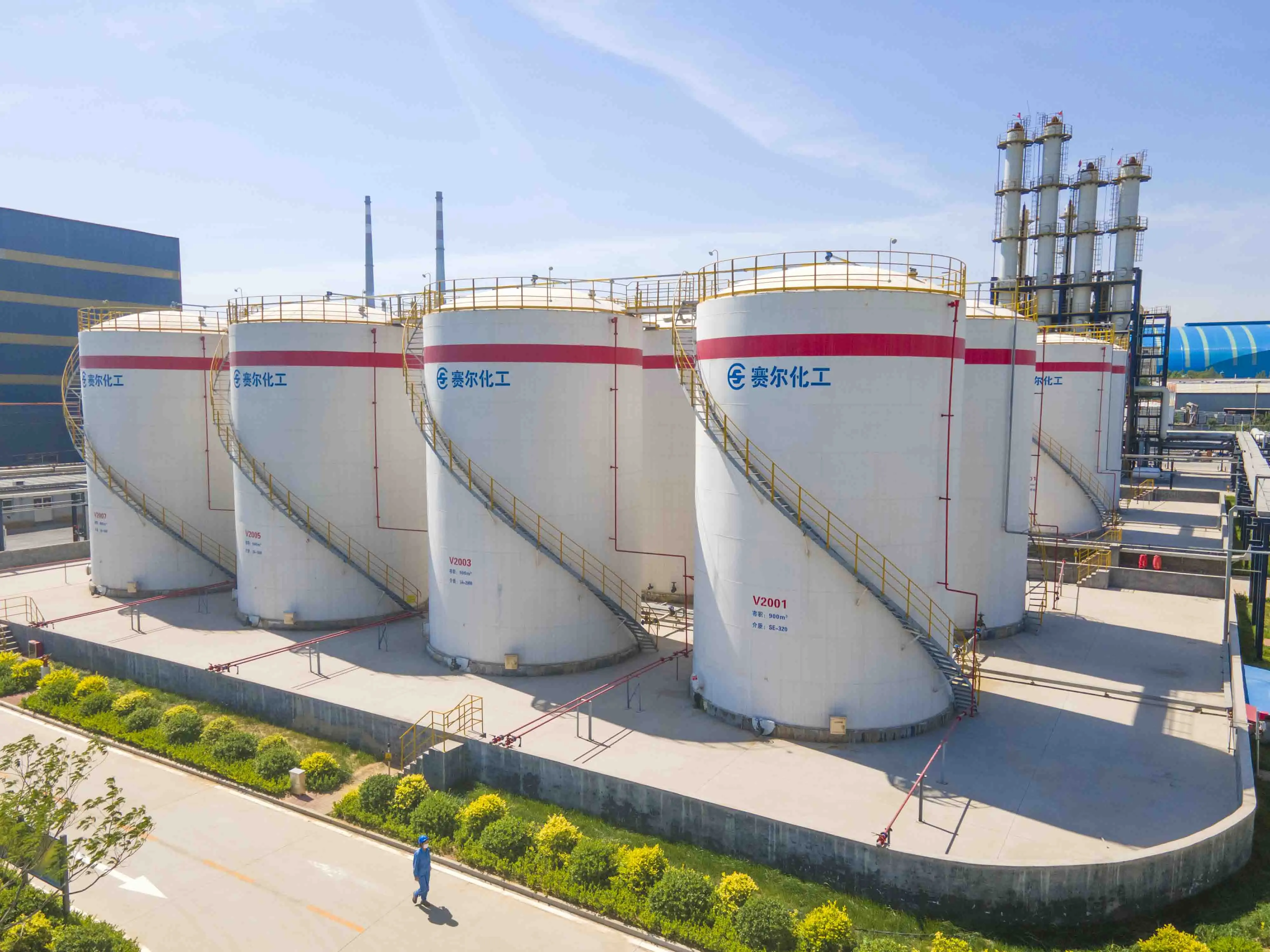
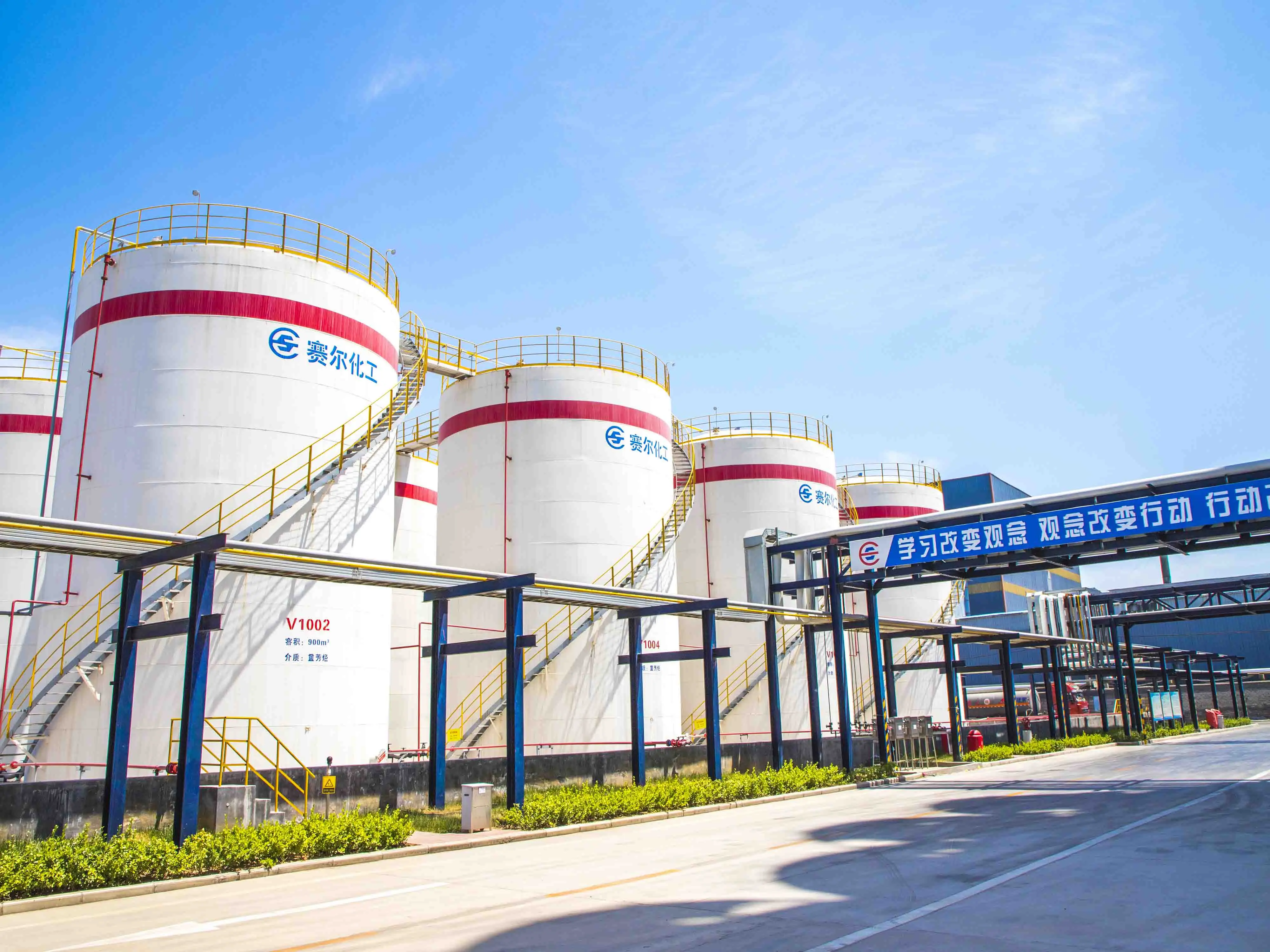
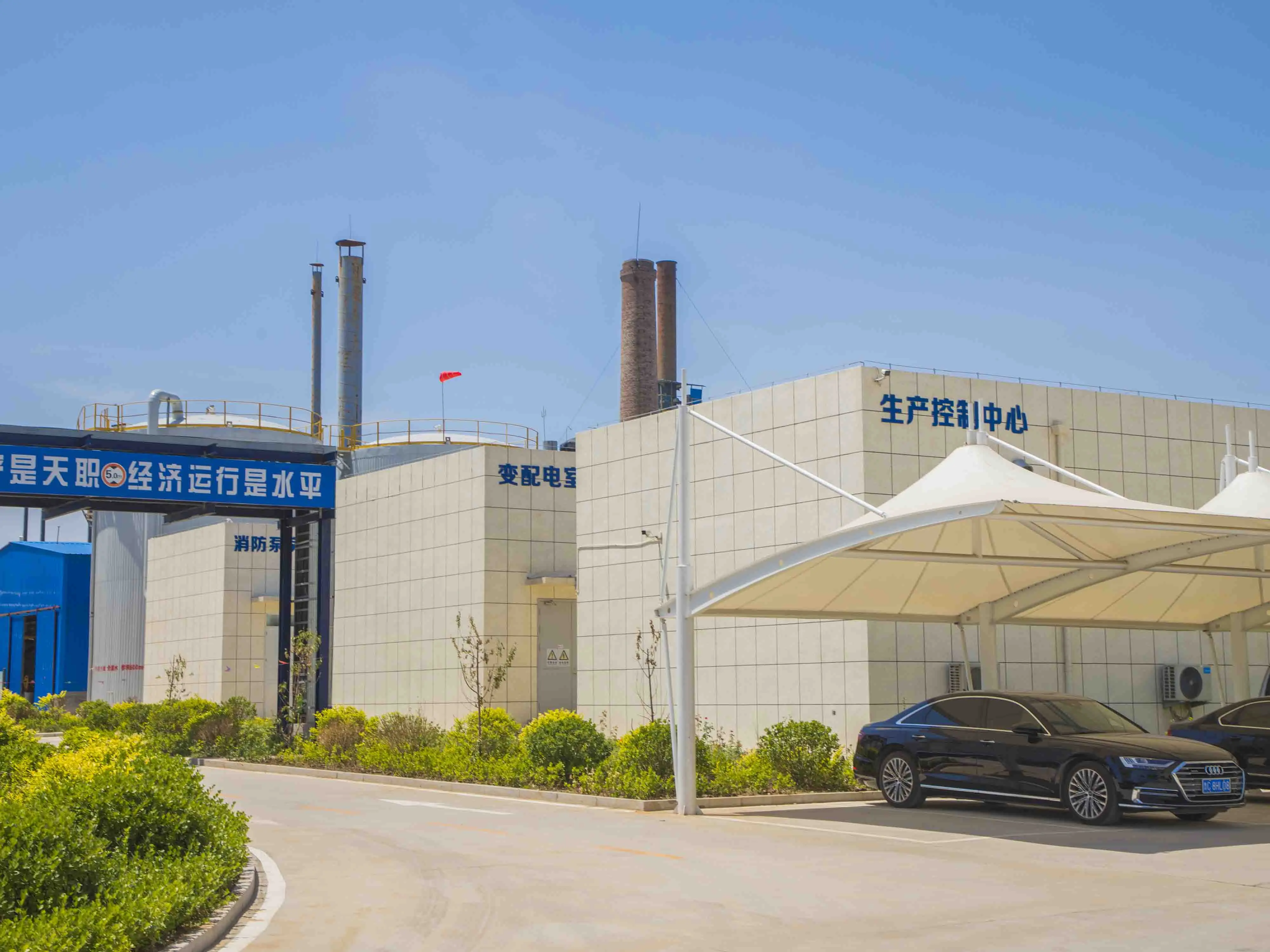
Established in December 2004, Shandong Saier Chemical Technology Development Co., Ltd. represents a highly developed synthesis asset situated within the highly optimized infrastructure of No.207, WeiLiu Road, Qilu Chemical Industrial Park, Linzi, Zibo City, Shandong Province. Operating with a robust registered capital baseline of 60 million yuan, the organization was architected from inception to deliver structural reliability and technological capability to both domestic and transnational markets.
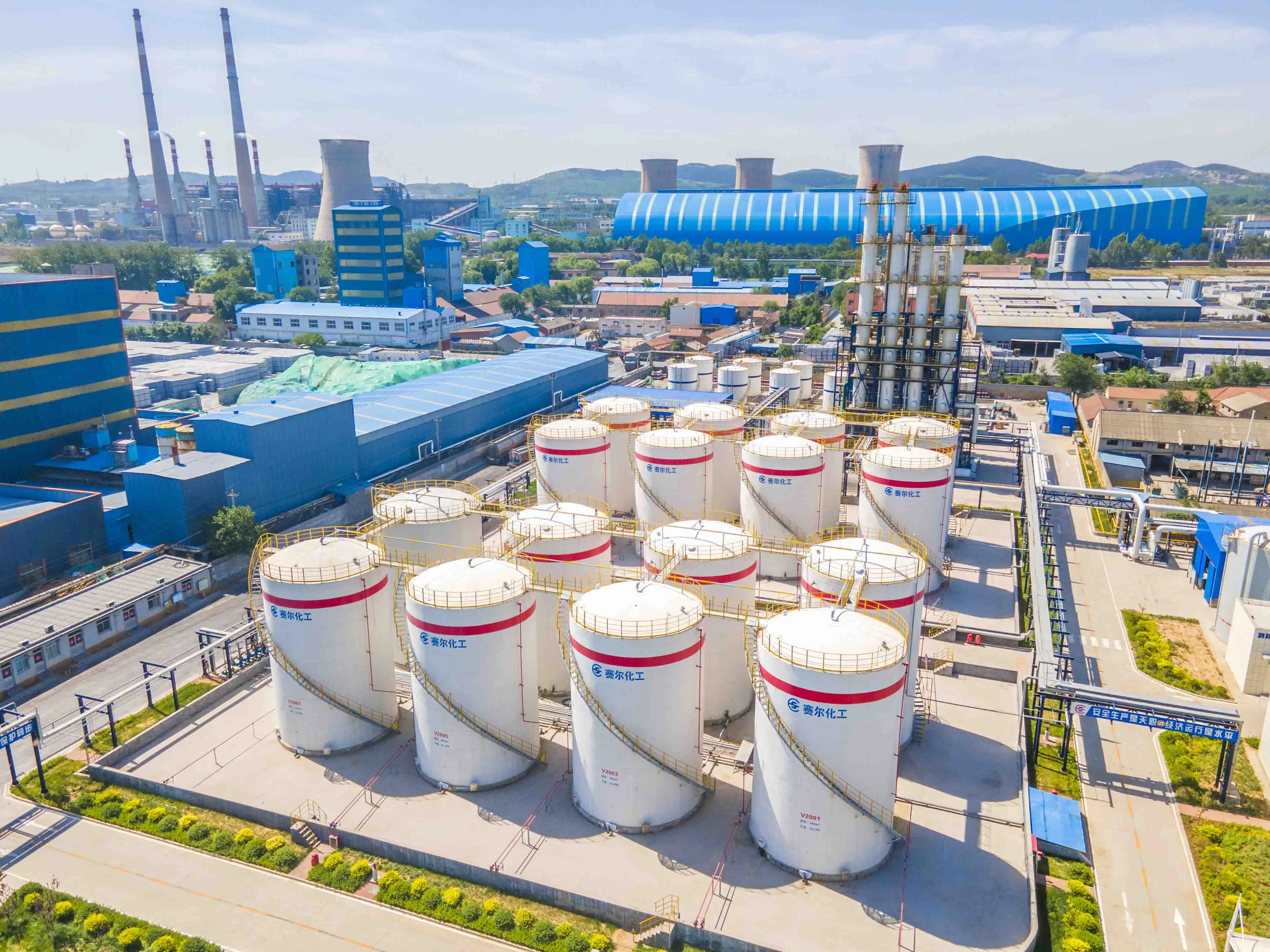
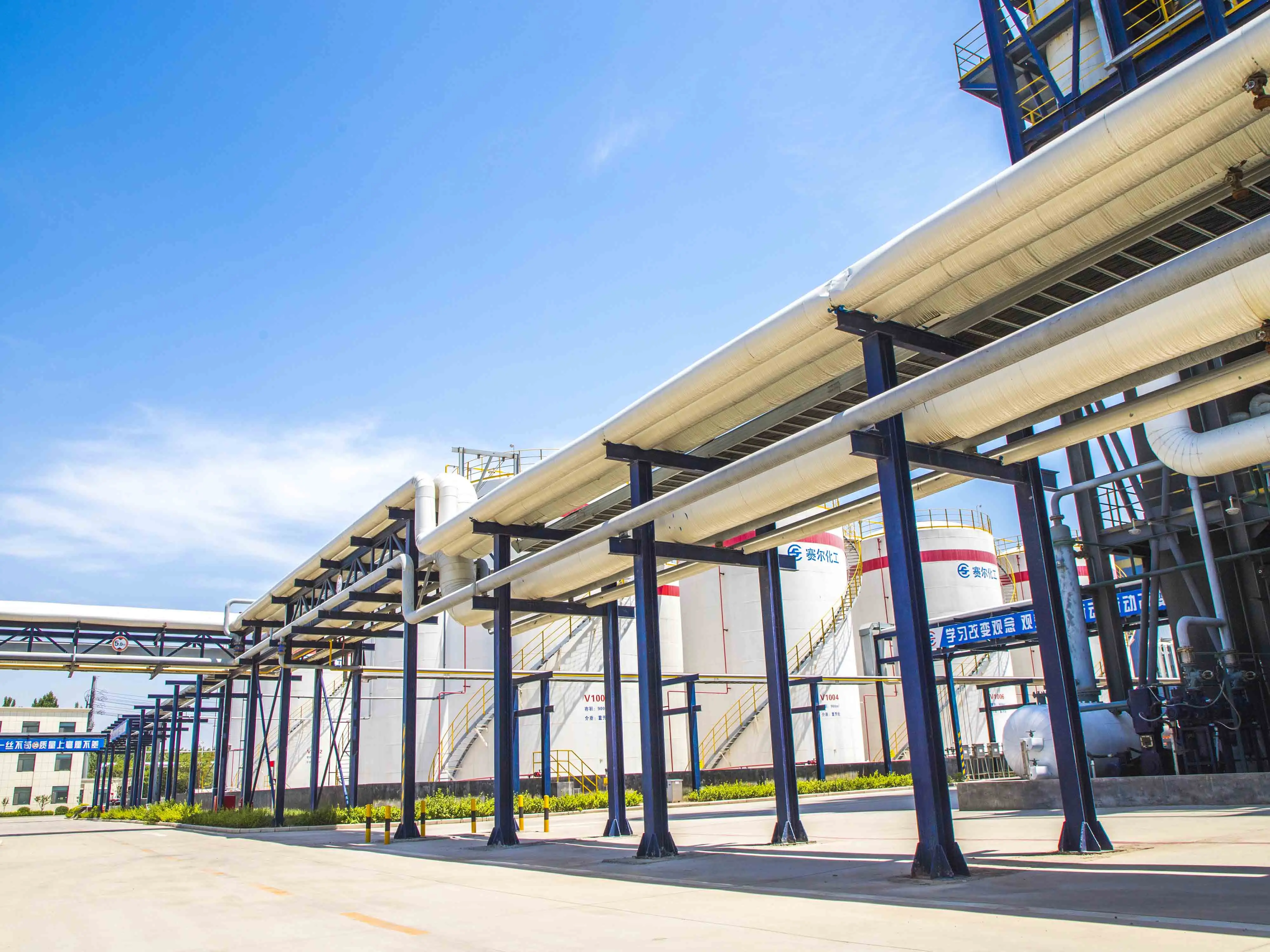
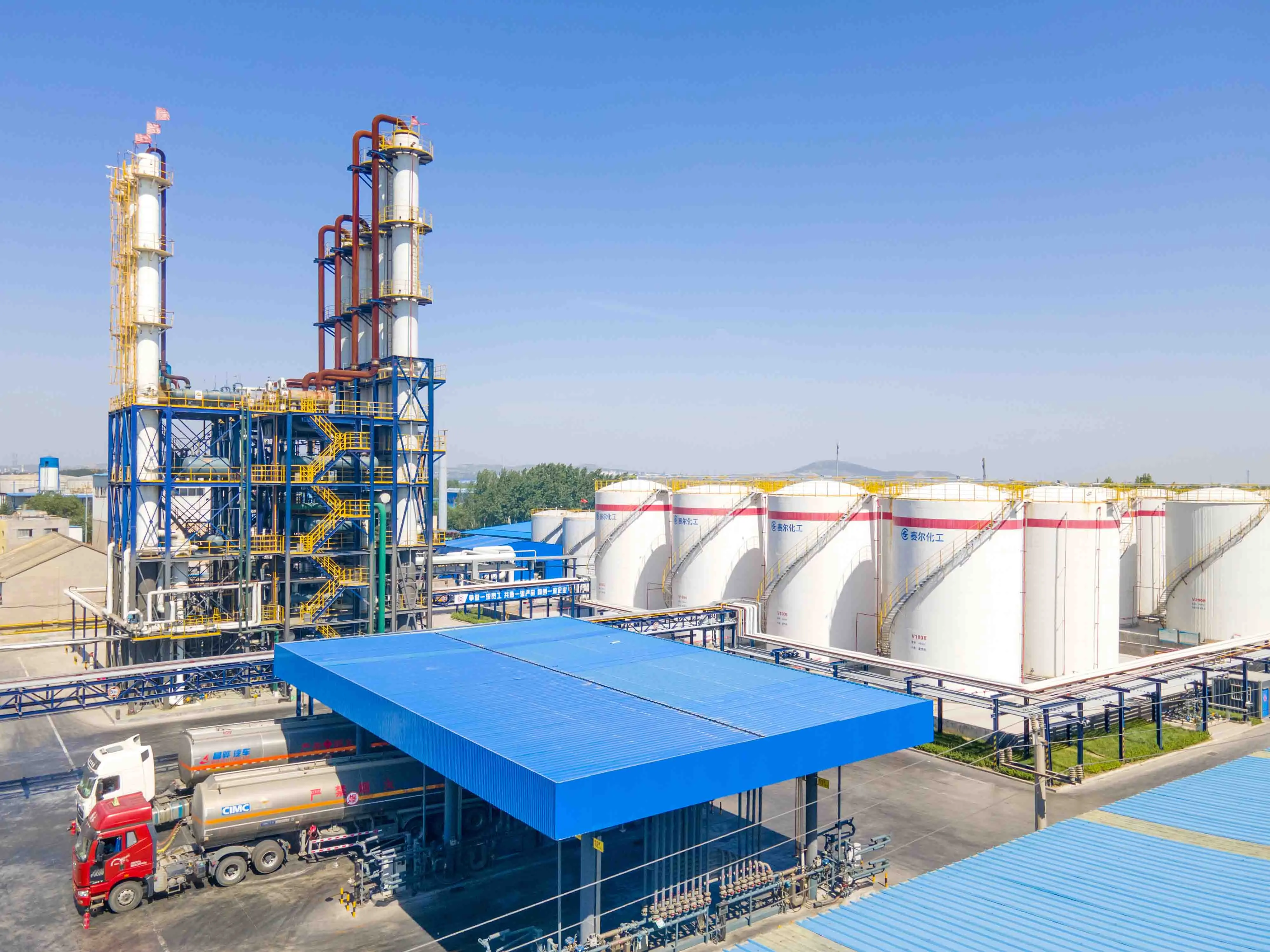
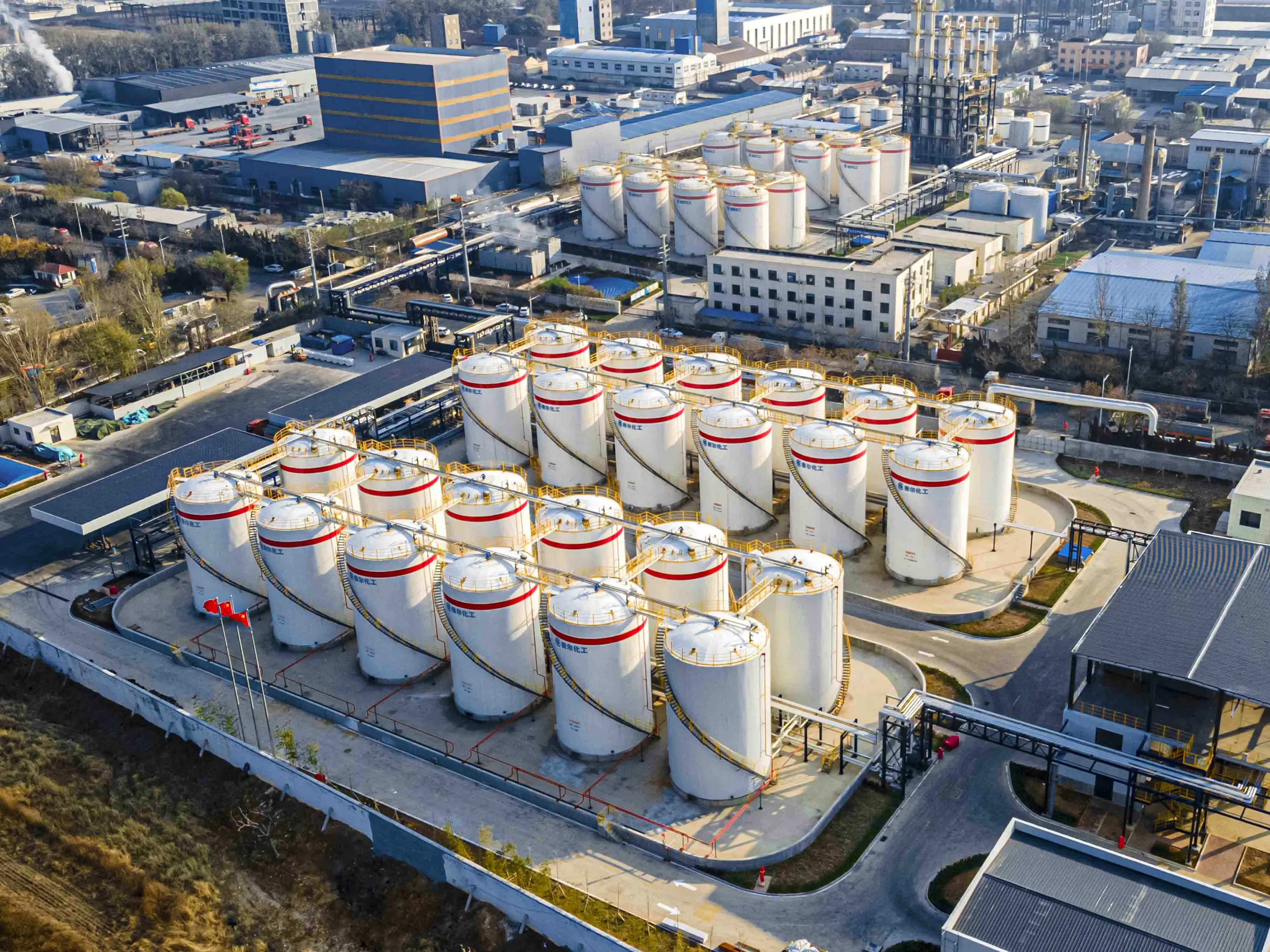
Saier Chemical's strategic location inside the Qilu Chemical Industrial Park grants the enterprise immediate access to continuous raw material pipelines directly linked to regional petrochemical giants, including Sinopec, PetroChina, ChemChina, Zhejiang Petrochemical, and Hengli Petrochemical. This feedstock optimization allows for an annual operating capacity of 720,000 tons. The product architecture spans critical portfolios including environmentally benign, high-boiling aromatic solvents (such as Solvent naphtha, TOPSOL, KOCOSOL, Aromatic Hydrocarbon, TOLUENE AROMATIC HYDROCARBON, NAFTA DISOLVENTE SOLVESSO) across distinct fractional grades like S-100, S-150, S-150ND, S-180, and S-200. Furthermore, the core asset supports premium synthetic heat transfer fluids like L-QC320, alongside targeted downstream intermediates including durene, PVC plasticizers, thiophene, 1,3-Cyclohexanedione, MIPK, TMOF, TMOA, HPA, and TMG.
From its initial operational focus on provincial and domestic markets—including major economic hubs like Beijing, Shanghai, Tianjin, Hebei, Shandong, and Henan—Saier Chemical has systematically scaled its supply infrastructure to accommodate transnational procurement requirements. Today, the organization distributes its refined product ranges into interconnected global markets across Asia, Europe, the Americas, and Southeast Asia, adhering to strict international technical standards.
How downstream integration, clustered logistical frameworks, and advanced process engineering deliver definitive global margin gains.
The efficiency of top-tier Chinese manufacturing operations is driven by integrated downstream clustering rather than simple labor metrics. Inside specialized jurisdictions like the Qilu Chemical Industrial Park, the boundary walls between raw material providers and synthesis platforms are virtually non-existent. Direct pipeline integration reduces the thermal, mechanical, and logistical overhead typically linked to cross-regional shipping. Feedstocks from refinery plants move directly into continuous fractionation units, enabling real-time process continuity.
| Efficiency Driver | Traditional Supply Chain Impact | Saier Optimized Hub Model |
|---|---|---|
| Feedstock Sourcing | Fragmented merchant market shipping, high volatile cost exposure. | Direct refinery pipeline link (Sinopec/PetroChina), stable pricing & feed purity. |
| Process Energy Footprint | Batch processing cycles with distinct heating/cooling energy wastage. | Continuous fractionation systems maximizing heat exchange recycling. |
| Logistical Turnaround | Intermodal port disconnects, long transit lead times for raw materials. | Clustered industrial zone logistics with immediate bulk tank truck dispatching. |
| Analytical Compliance | Delayed off-site batch analysis causing downstream processing lag. | In-line gas chromatography (GC) and mass spectrometry (MS) controls. |
Furthermore, China’s industrial ecosystem supports secondary and tertiary processing of fractions that western assets frequently treat as thermal waste side-streams. For instance, the isolation of high-purity durene (1,2,4,5-tetramethylbenzene) from heavy aromatic distillates demands precise multi-stage crystallization and ultra-fractionation. Because Chinese manufacturing centers operate at a massive scale, these technical processes become highly economically viable, providing the global market with access to specialized materials at competitive costs.
Mapping intermediate chemical performance characteristics to localized commercial and technical use cases.
High-purity Durene and Pyromellitic Acid (PMA) serve as critical precursors for pyromellitic dianhydride (PMDA). This compound forms the structural backbone of high-performance polyimide films utilized for insulation in aerospace engineering, flexible printed circuits (FPCs), and semiconductor packaging matrices requiring exceptional thermal stability.
Aromatic Solvents S-100, S-150, and S-200 feature high solvency power, elevated flash points, and low-naphthalene profiles. This combination makes them ideal premium carrier fluids for emulsifiable concentrates (EC) in crop protection, ensuring uniform active ingredient distribution while meeting stringent eco-toxicological safety profiles.
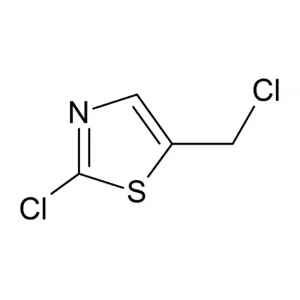
Functionalized heterocyclic intermediates like 2-Chloro-5-chloromethylthiazole, 1,2,3-1H-Triazole, and Sulfamide act as precise structural blocks for active pharmaceutical ingredients (APIs). These molecules are essential for assembling modern anti-infective, cardiovascular, and oncology therapeutics.
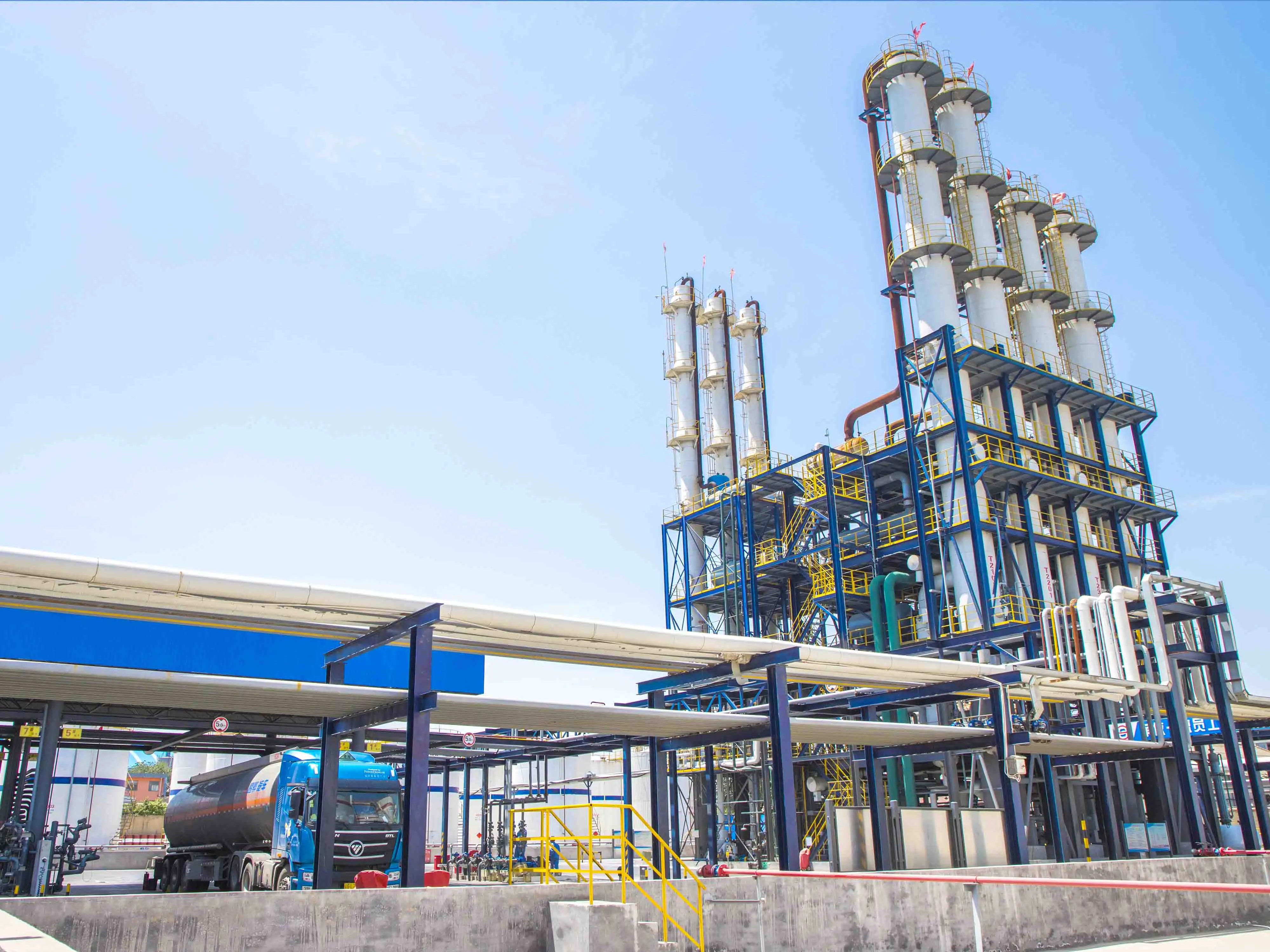
Evaluating the transition vectors shaping tomorrow's intermediate manufacturing paradigms.
The global fine chemical industry is undergoing a structural transition toward decarbonization and strict VOC containment. Historically, manufacturing intermediates generated considerable byproduct profiles; however, modern engineering relies on high-selectivity catalysis and green chemistry principles. Saier Chemical’s focus on energy-saving optimizations and waste reduction reflects this trend, aligning with global mandates for low-environmental-impact manufacturing.
Concurrently, the integration of digital process frameworks—such as VOC tracking via Zeolite Rotor concentration architectures and automated continuous rectification monitoring—guarantees stable quality metrics. This digitalization shifts quality control from historical batch testing to real-time verification, mitigating chemical variance and aligning with the precise operational requirements of Tier-1 multinational procurement organizations.
Direct authoritative clarification regarding chemical metrics, logistics compliance, and plant infrastructure capabilities.
Explore our secondary specialized catalogs supporting diverse synthetic pathways and functional industrial applications.
Partner with an established high-tech manufacturing asset. Request complete batch analyses, technical data sheets, and custom parameter pricing from our engineering division.
 Saier Chemical