Discover our elite selections of industrial chemical compounds, synthesizers, and heavy aromatic solvents designed for diverse manufacturing sectors.
Within the modern chemical industry, the demand for high-boiling Mineral Oil Aromatic Hydrocarbons and specialized hydrocarbon solvents has intensified. Key industries including agricultural formulations, industrial coatings, high-performance resins, and heat-transfer mediums require highly pure solvents that deliver optimal solvency characteristics while meeting strict compliance frameworks. Internationally, buyers seek suppliers that can promise chemical consistency, stable supply chains, and low toxicity profiles, especially focusing on naphthalene-depleted (ND) variables.
Globally, procurement strategies have transitioned from simple low-cost acquisition to specialized vendor qualification based on Information Gain—evaluating factors such as raw feedstock tracking, energy integration in refining parks, and technical adaptability. Industrial purchasers seek to understand the molecular composition of C9 to C12 streams to predict drying curves, compatibility indexes with active ingredients (APIs), and environmental compliance under international REACH and GHS guidelines.
By leveraging raw materials directly from refining hubs like Sinopec and PetroChina, Shandong Saier Chemical addresses this global demand with reliable raw material tracking and high-capacity batch manufacturing.
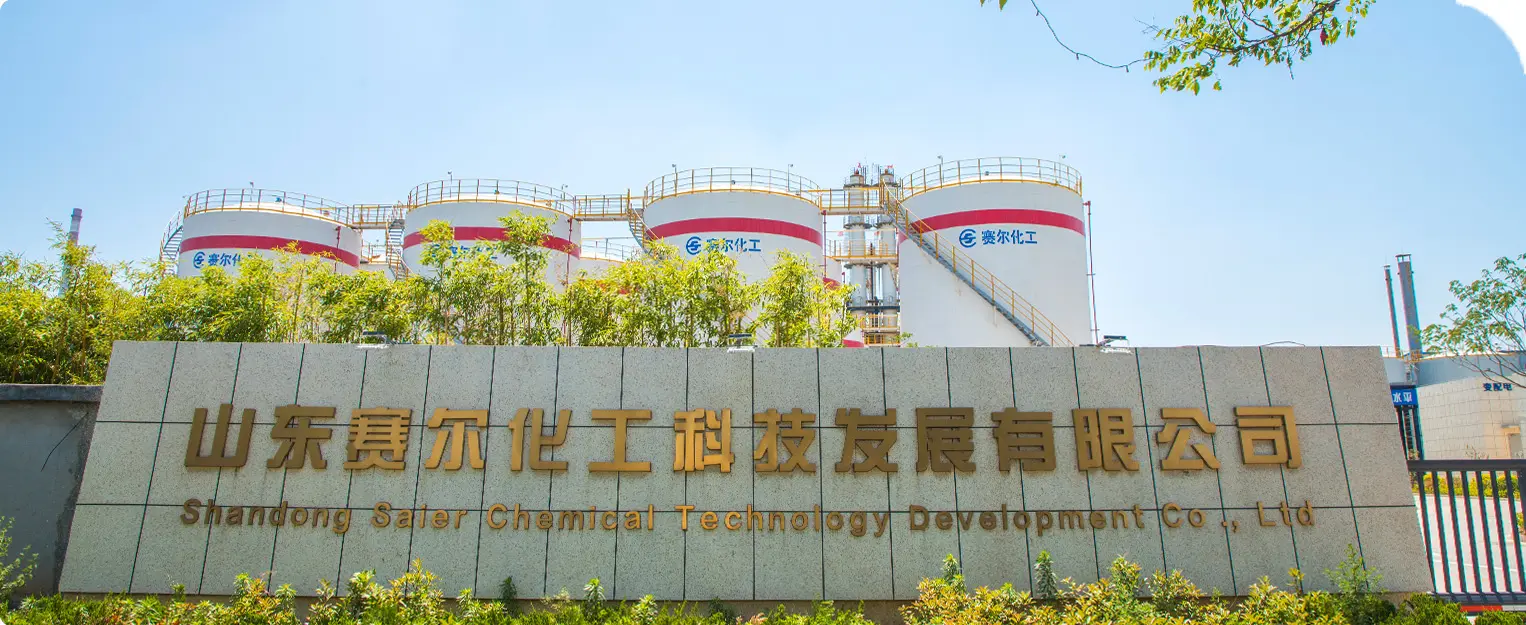
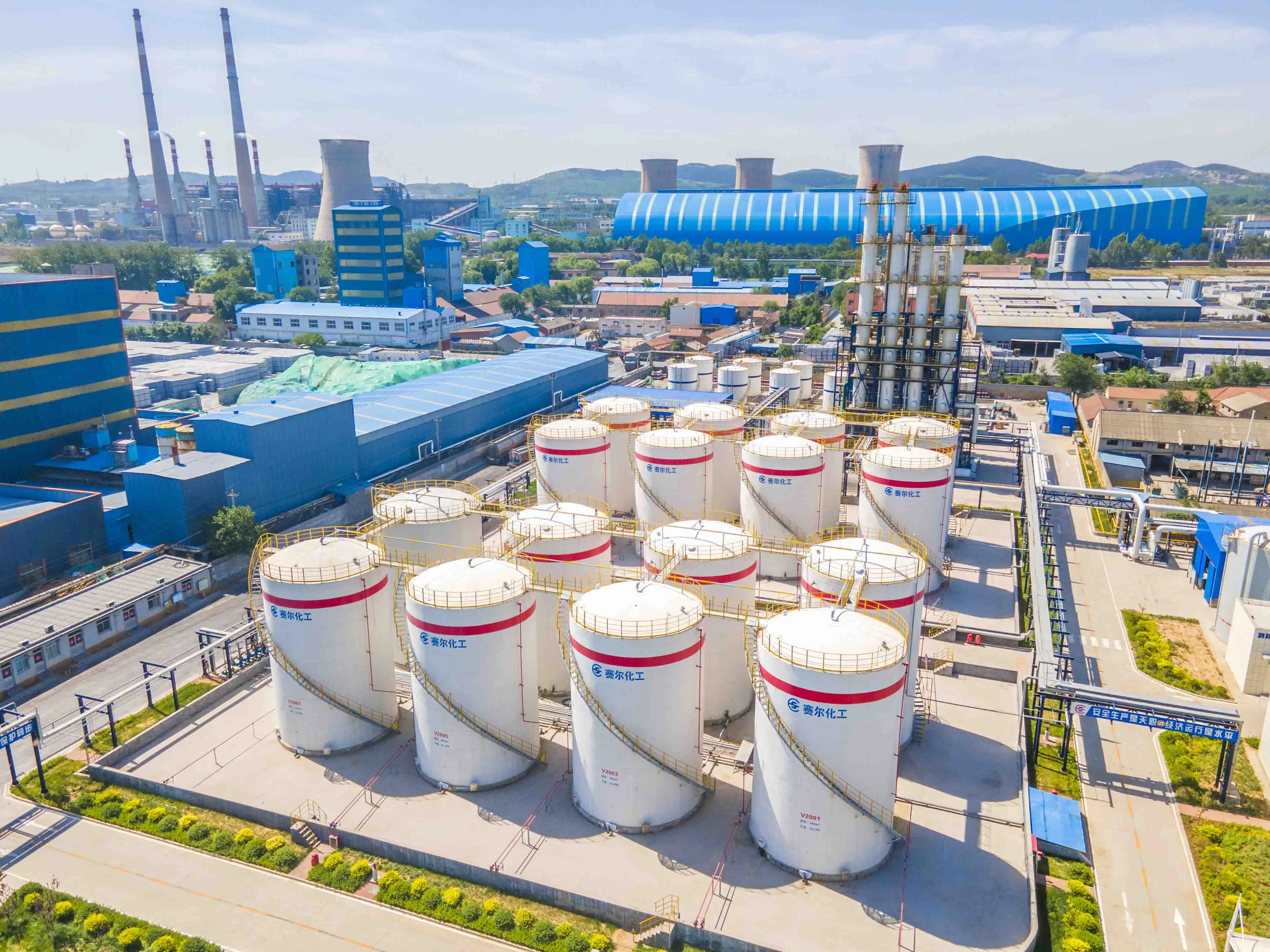
Pioneering standard-setting operations inside the Qilu Chemical Industrial Park, Zibo City.
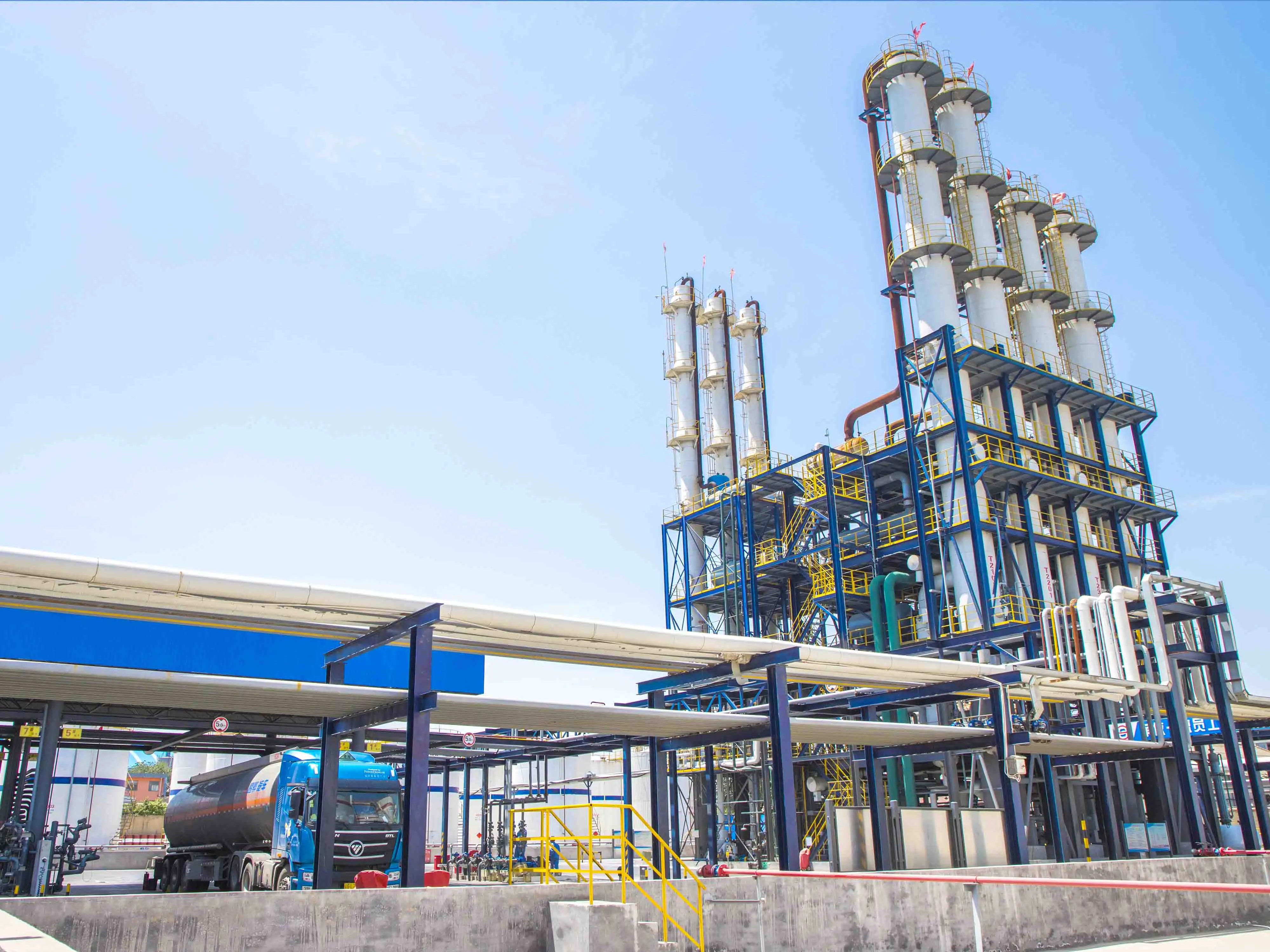
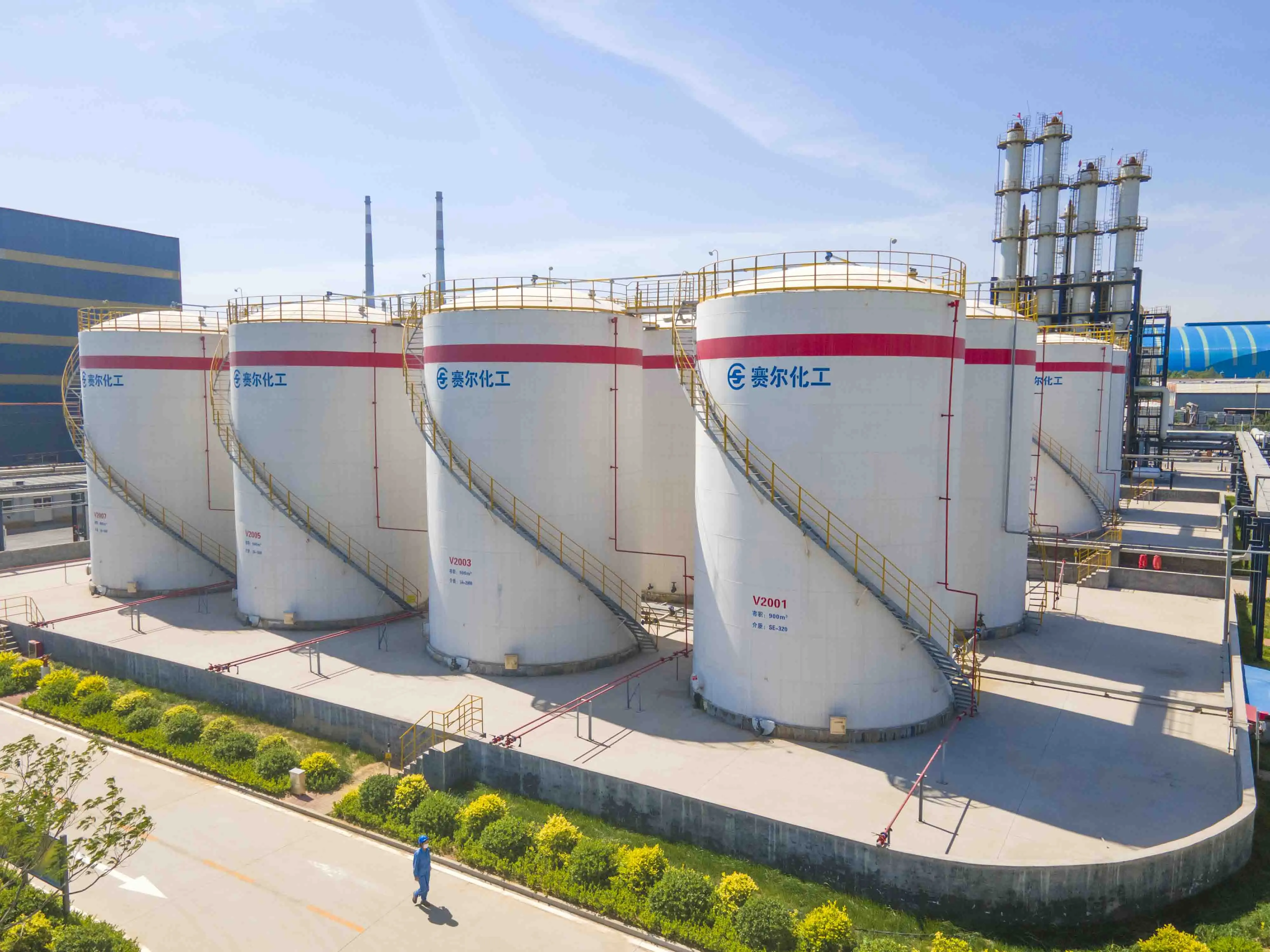
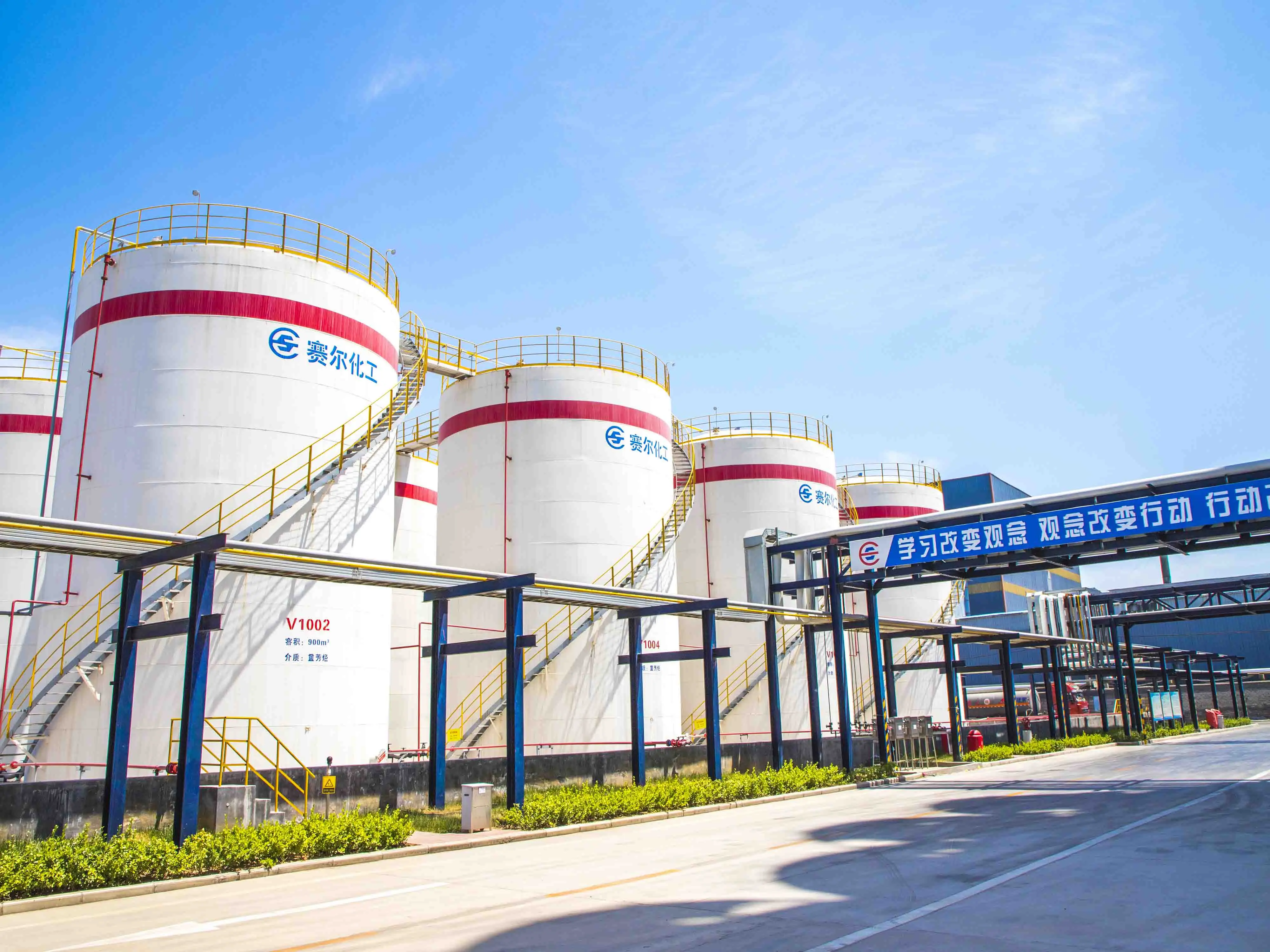
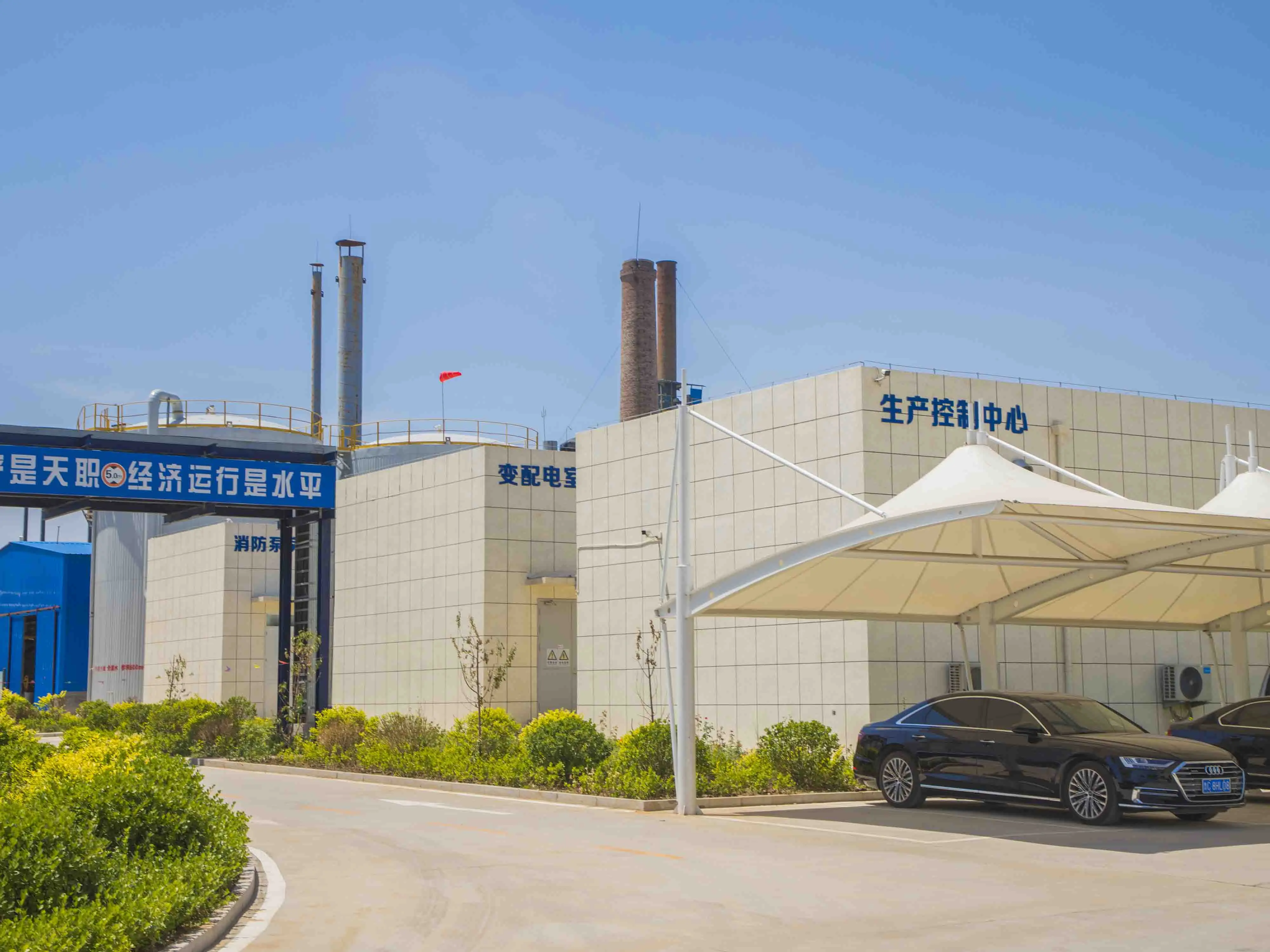
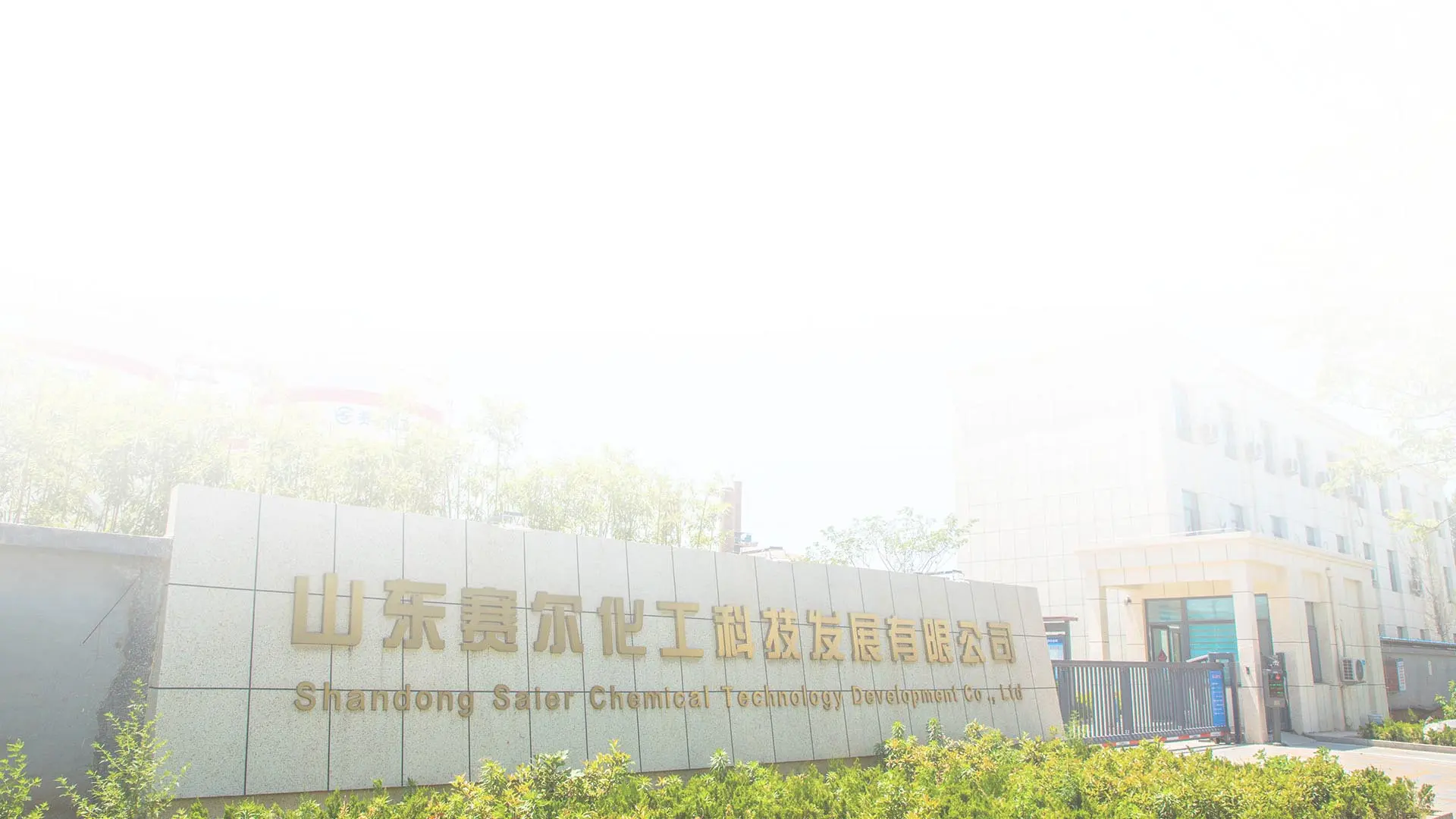
Founded in December 2004, Shandong Saier Chemical Technology Development Co., Ltd. has carved out a leading reputation in the highly competitive industrial solvents and intermediates market. Located at No.207, WeiLiu Road, within the Qilu Chemical Industrial Park (Linzi, Zibo City, Shandong Province), the company benefits from a massive infrastructure cluster that integrates oil refining, chemical processing, downstream utilities, and rapid logistics channels.
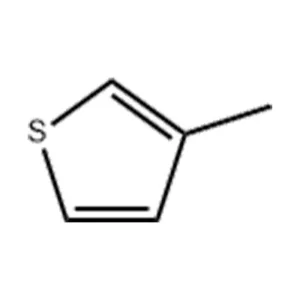
In its early stages, operating with a capital base of 60 million yuan, the company focused on producing basic and environment-friendly high-boiling aromatic solvents including S-100, S-150, S-150ND, S-180, and S-200, Heat Transfer Oils like L-QC320, and fine chemical intermediates such as durene, PVC plasticizers, thiophene, 1,3-Cyclohexanedione, MIPK, TMOF, TMOA, HPA, and TMG.
Over two decades of production evolution, Shandong Saier Chemical has optimized its primary processing capacity up to 720,000 tons per year. Through close cooperation with major state-level refineries (including Sinopec, PetroChina, ChemChina, Zhejiang Petrochemical, and Hengli Petrochemical), Saier guarantees that its incoming feedstock complies with international purity standards, providing an unbroken supply chain to domestic markets (Beijing, Shanghai, Tianjin, Hebei, Shandong, Henan) as well as international hubs in Asia, Europe, the Americas, and Southeast Asia.
As a designated National High-Tech Enterprise, Saier Chemical has invested in research and development to optimize fractionating efficiencies, minimize heat loss, and reduce energy consumption. Transitioning from basic refining to clean-label chemical manufacturing, we address contemporary requirements for eco-safety, low hazardous waste indexes, and energy conservation.
Our state-of-the-art laboratory features comprehensive Gas Chromatography-Mass Spectrometry (GC-MS), high-precision flash point testers, and distillation analyzers to confirm that every batch leaving the refinery fits your technical requirements.
Understanding the differences in structure, boiling curves, and performance of the C9-C12 aromatic fractions.
Aromatic solvents are hydrocarbon mixtures consisting primarily of C9 to C12 alkylbenzenes, indanes, and naphthalenes. Unlike aliphatic solvents, their ring structure provides high solvation capability. Saier Chemical customizes these fractions through continuous fractionation:
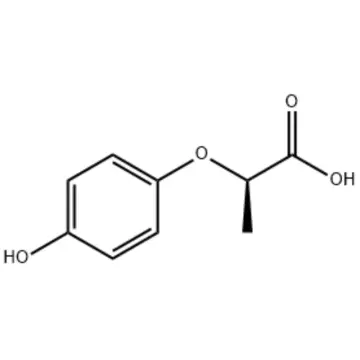
In addition to heavy aromatics, our production lines supply core intermediate raw materials that serve as building blocks for modern plastics, high-temperature films, and process engineering:
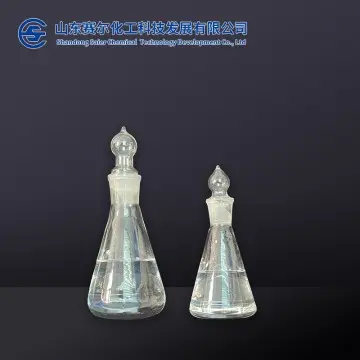
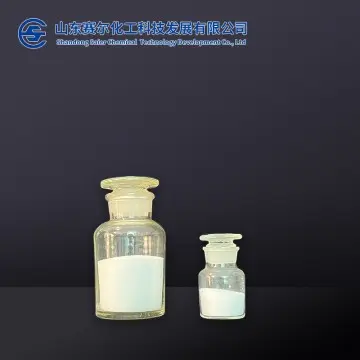
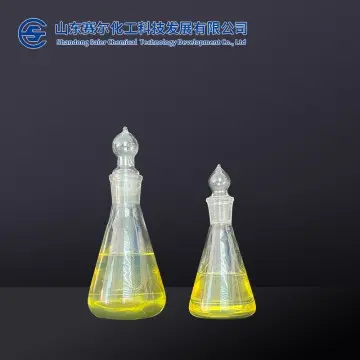
Driving green chemistry through energy integration and modern separation science.
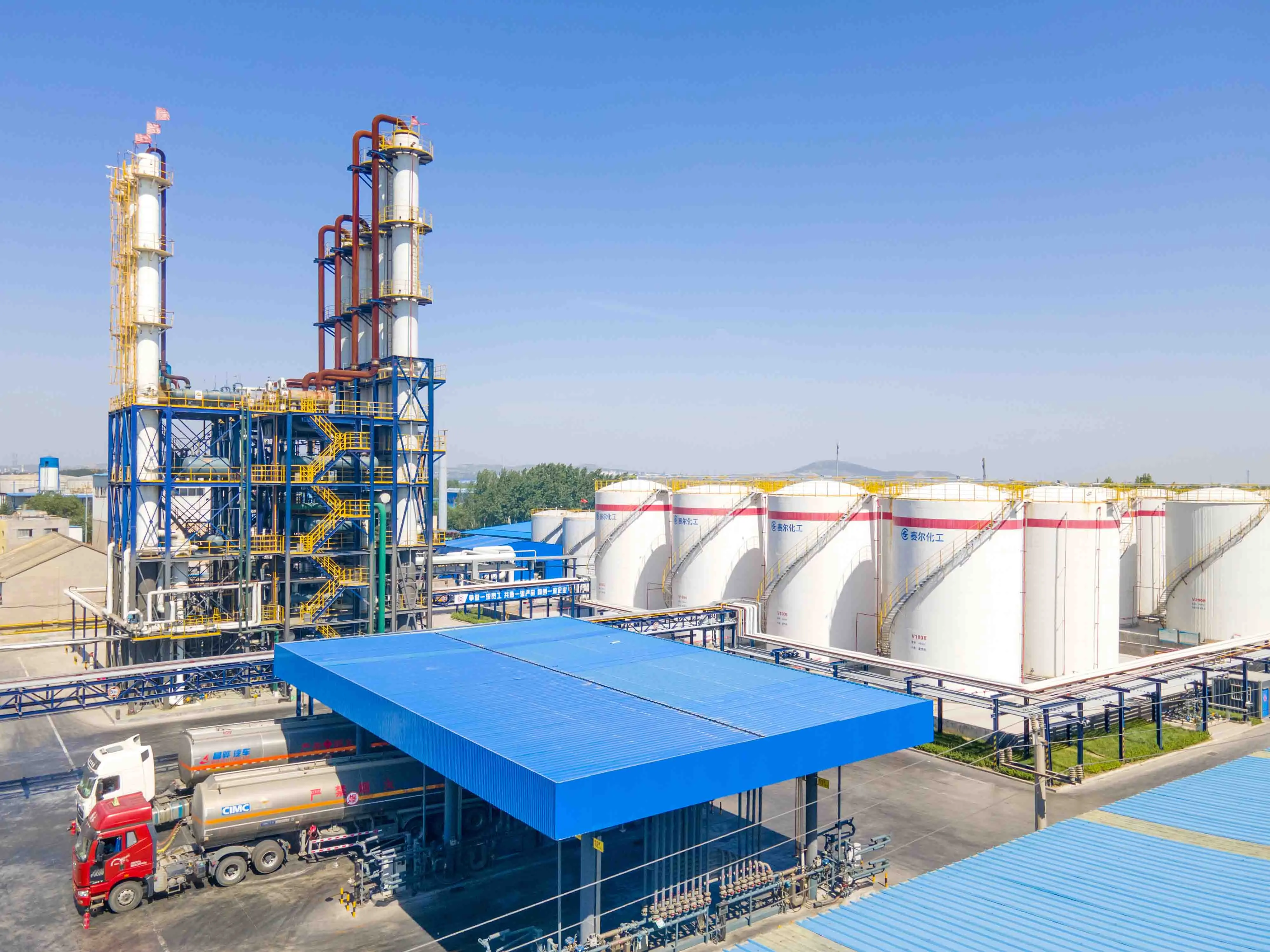
Our roadmap prioritizes the refinement of multi-stage vacuum fractionation columns. By controlling boiling profiles, we maximize yield accuracy of S150ND and S200ND, reducing naphthalene content below 0.1% for sensitive agrochemical markets.
Through catalytic alkylation and isomerization, we process refinery streams to produce high-value intermediates like Durene. This reduces reliance on imported starting materials for polyimide electronics manufacturing.
Operating inside Qilu Chemical Industrial Park allows us to capture waste heat, share steam loops, and cut energy consumption. We target a 20% reduction in refining emissions intensity by 2026.
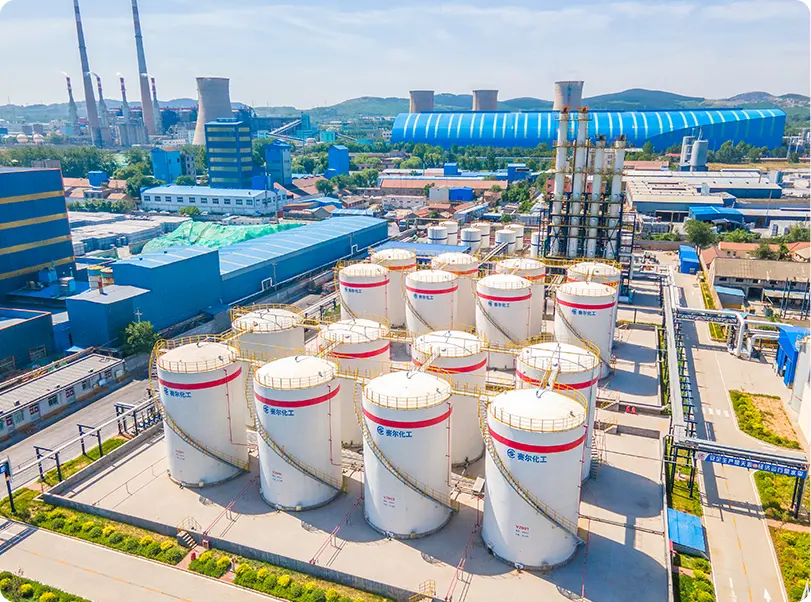
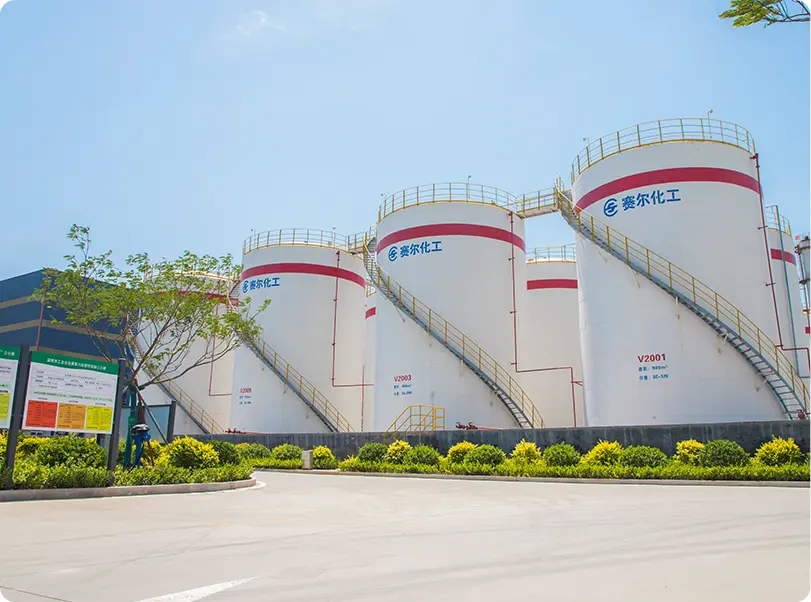
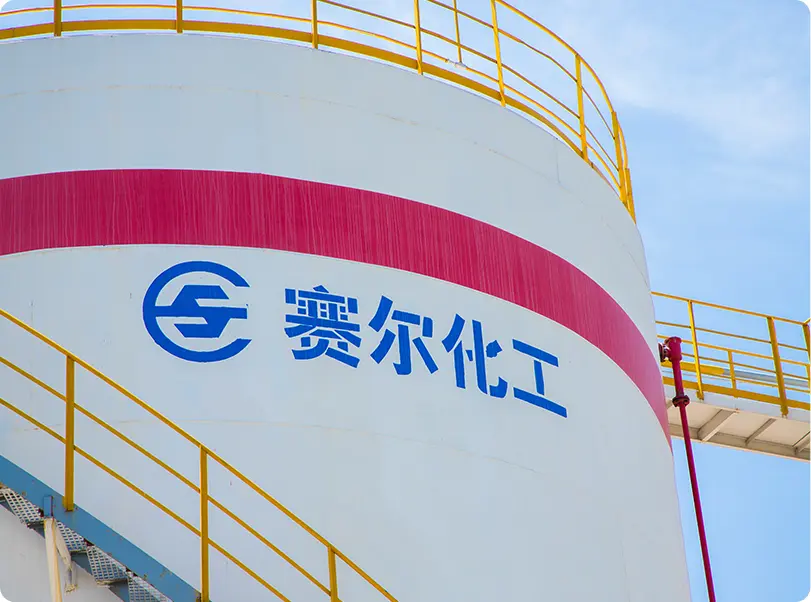
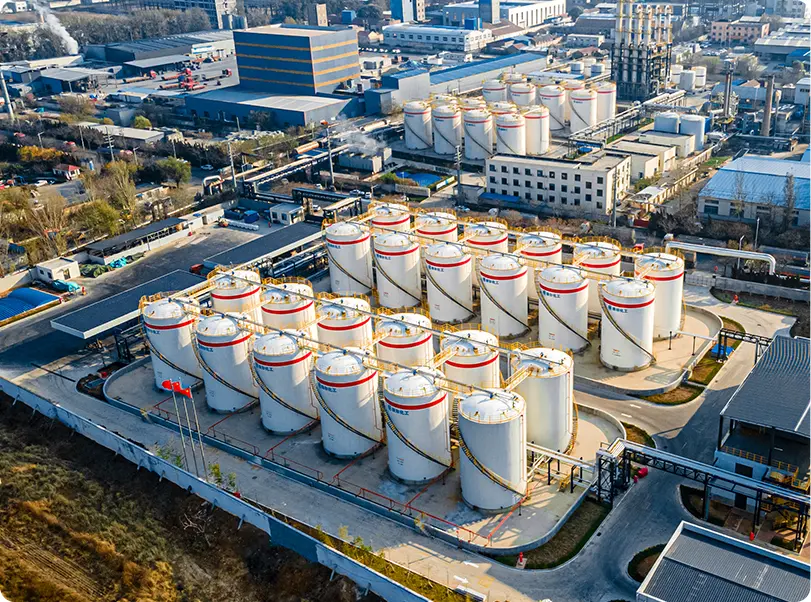
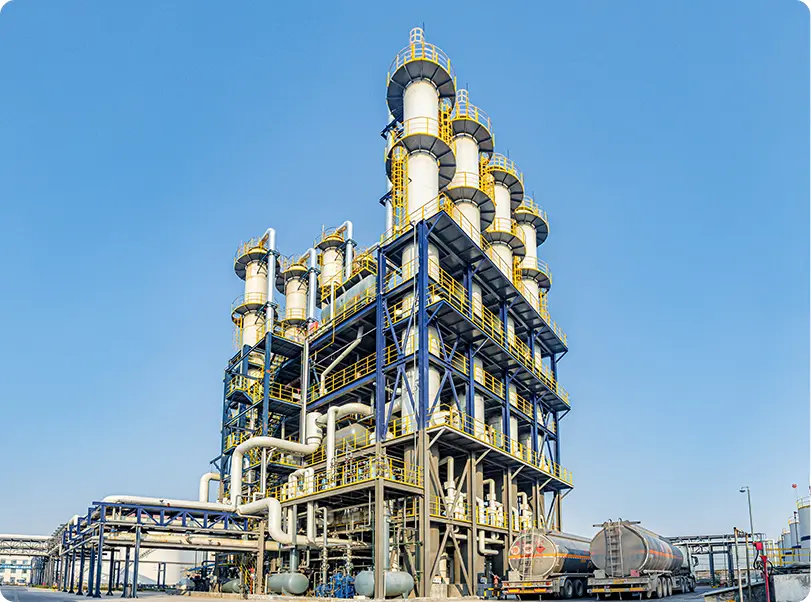
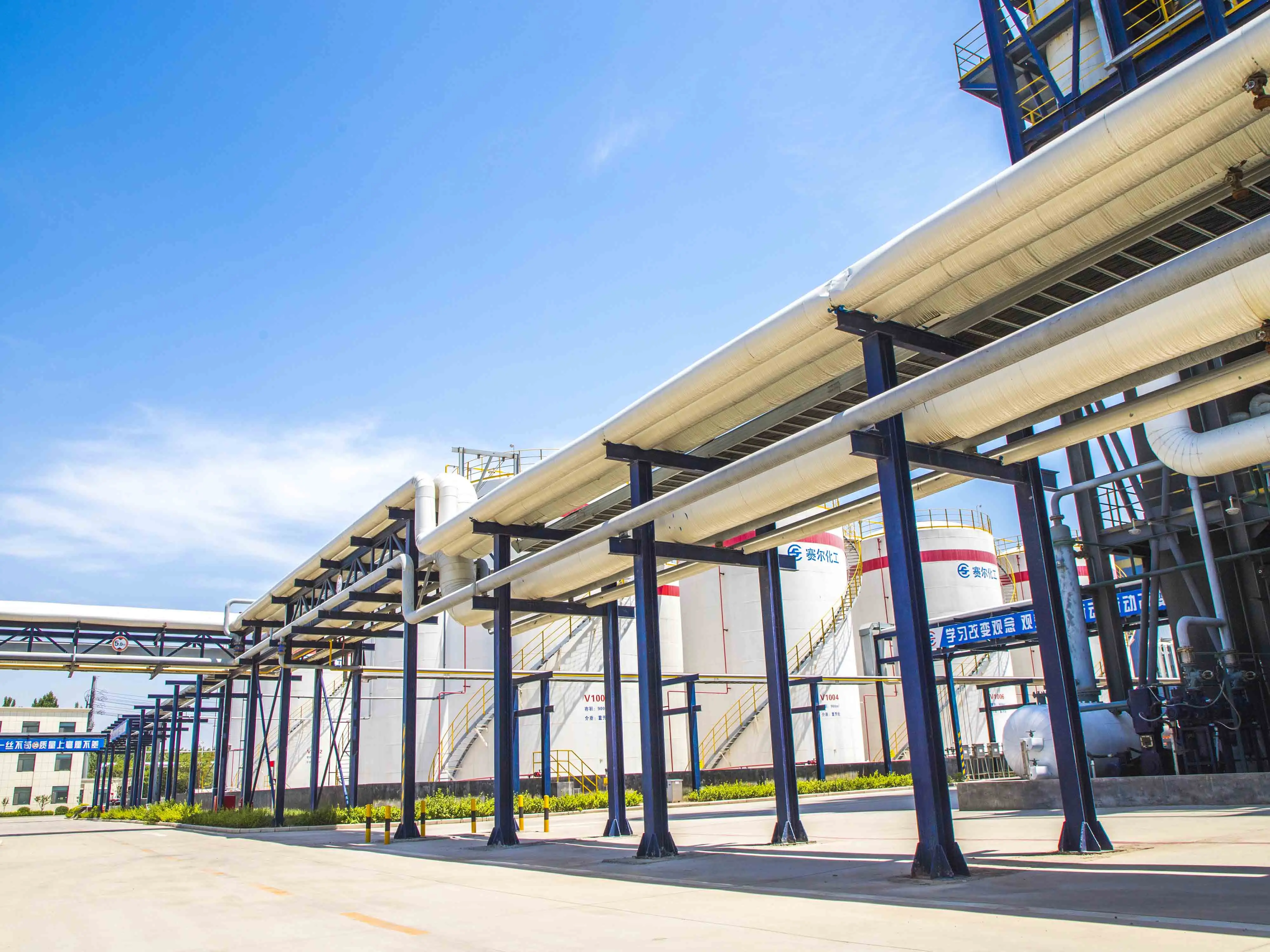
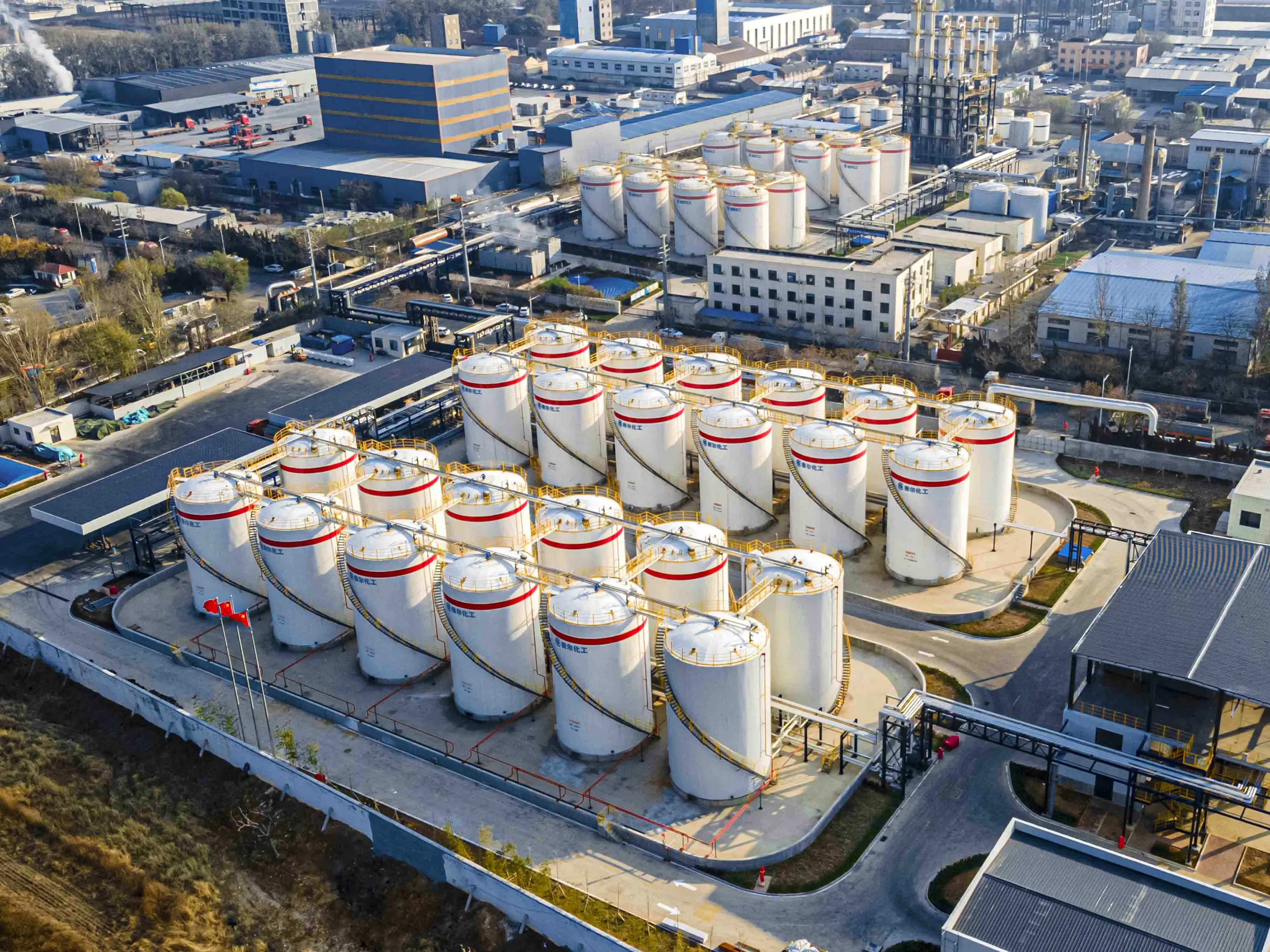
Aromatic solvents require specialized storage, handling, and distribution protocols. Shandong Saier Chemical operates dedicated storage installations within the Zibo chemical logistics corridor, providing rapid pipeline and tanker transit. Located near major North China express networks, we dispatch road tankers to regional ports and domestic distribution points daily.
For international markets, we utilize ISO tanks, flexitanks, and heavy steel drums, coordinating exports through Qingdao Port. This logistics network ensures that products arrive safely, maintaining moisture-free and oxidation-free parameters.
Regulatory compliance is a fundamental requirement. Our products are accompanied by updated GHS Safety Data Sheets (SDS) outlining precise toxicological details, transport classifications, and handling guidance. We align with European REACH regulations, US TSCA requirements, and international agrochemical guidelines, helping clients simplify their importing procedures.
Technical responses regarding chemistry, sourcing parameters, and distribution options.
Customizable synthesis options engineered for international chemical processing, pharmaceutical, and polymer industries.
 Saier Chemical