Explore our top-tier industrial solvent formulas, chemical intermediates, and synthetic compounds refined for global excellence.
Modern industrial development relies heavily on high-performance organic solvents. These chemical formulations serve as the backbone for coatings, agricultural chemicals, petrochemical processes, and advanced electronics production. The global demand for specific solvent chemical formulas is shifting away from generic hydrocarbon cuts to highly refined, customized aromatic and aliphatic formulas designed for precise solvency, optimal boiling ranges, and lower toxicological profiles.
Aromatic solvent hydrocarbons, classified under grades such as S100, S150, S150ND, and S200, represent a critical segment of this industry. Manufacturers globally demand solvents with controlled evaporative rates, high flashpoints, and exceptional dissolving power (Kauri-Butanol values). In response, leading chemical synthesis plants are employing advanced catalytic cracking and multi-stage distillation systems to isolate distinct cuts of C9 to C15 aromatics, ensuring compliance with strict environmental regulations like REACH in Europe and TSCA in the United States.
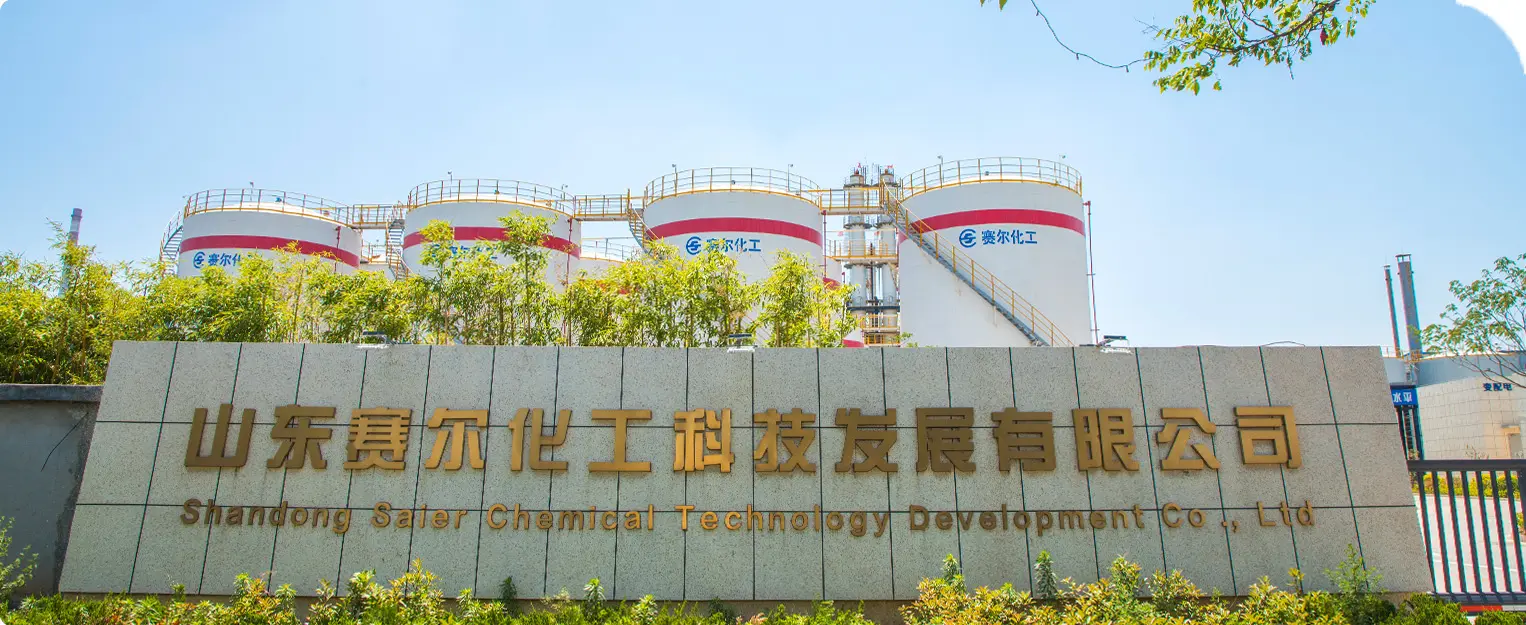
Tracing our evolution from a regional manufacturing plant to a national high-tech chemical powerhouse.
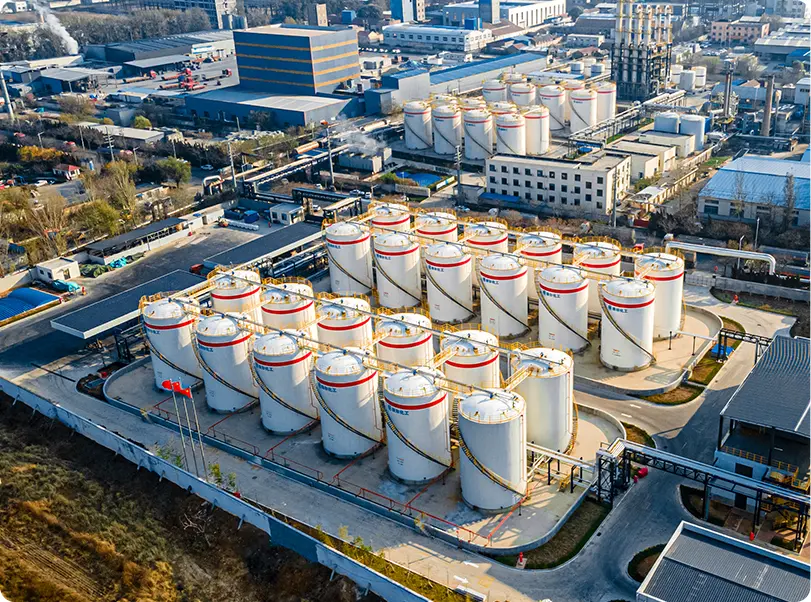
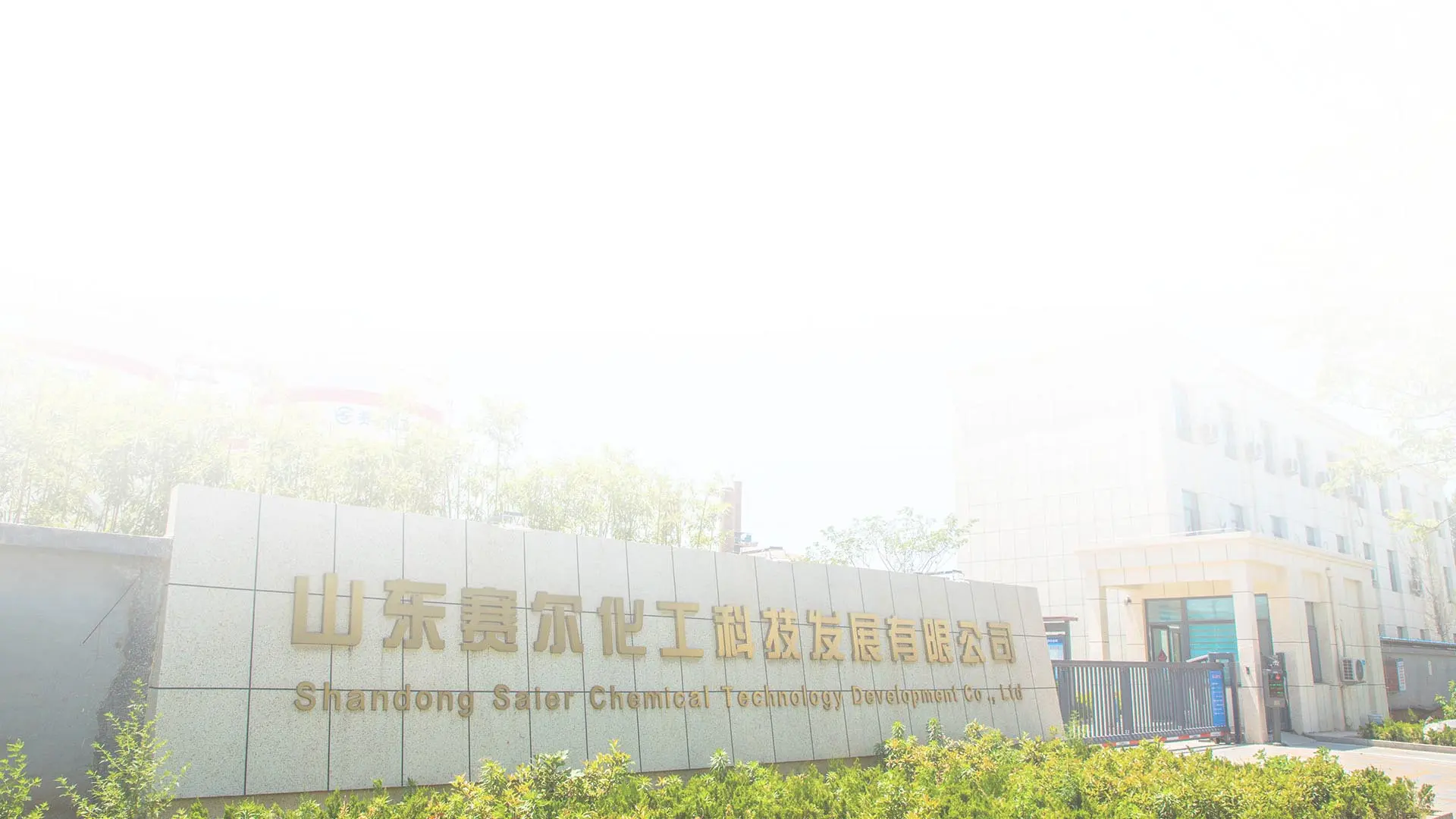
Founded in December 2004, Shandong Saier Chemical Technology Development Co., Ltd. has established itself as an industry leader from its strategic site at No.207, WeiLiu Road, Qilu Chemical Industrial Park, Linzi, Zibo City, Shandong Province. Bolstered by a solid financial base with a registered capital of 60 million yuan, our initial manufacturing capacities targeted bulk environmental aromatic solvents, heat transfer oils, and synthetic intermediates.
In the early stages, the factory prioritized sourcing crude feedstocks from state-level refineries and advanced aromatics complexes, including Sinopec, PetroChina, ChemChina, Zhejiang Petrochemical, and Hengli Petrochemical. This guarantees that Saier’s input feedstocks remain stable, pure, and premium.
How Chinese chemical infrastructure delivers cost mitigation, chemical purity, and supply-chain resilience.
Located in the heart of Zibo's Qilu Chemical Industrial Park, Saier benefits from integrated pipeline logistics, shared heat utility infrastructure, and instant access to specialized port terminals in Shandong.
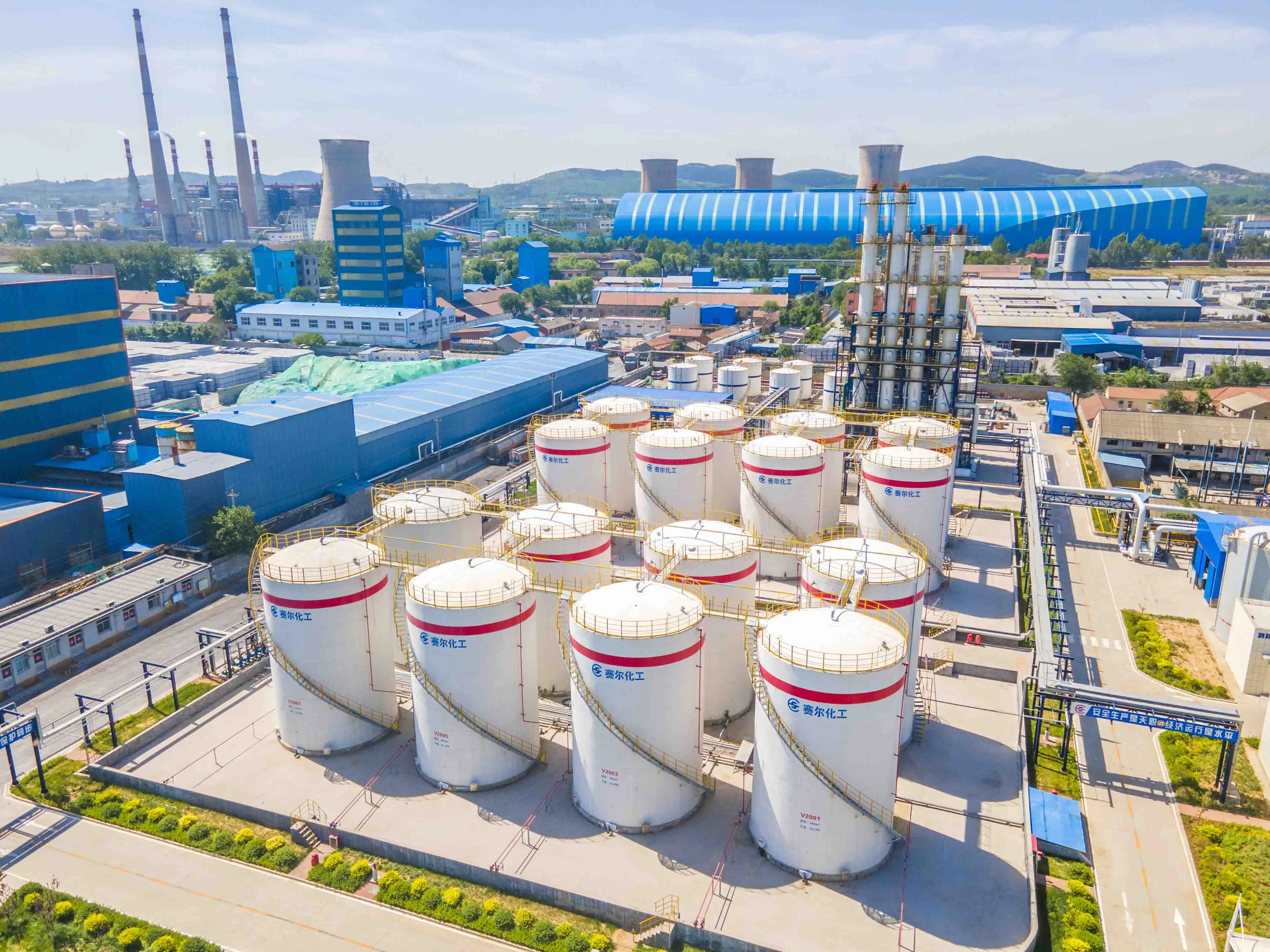
Our distillation units use automated, multi-column continuous rectification technologies. By separating narrow boiling range components in a non-stop loop, we drastically cut thermal degradation and power consumption.
Direct supply agreements with mega-refineries like Zhejiang Petrochemical and Hengli Petrochemical protect Saier against crude oil price volatility and prevent feedstock contamination from third-party logistics.
From high-performance coatings to specialized crop protection, explore how our solvent chemistries adapt to specific downstream fields.
| Solvent Formula Class | Primary Industrial Sector | Local Application Scenario | Key Performance Indicators Required |
|---|---|---|---|
| Aromatic Solvent S100 (CAS 64742-95-6) | Automotive & Industrial Coatings | Base coats, stoving enamels, clear coats requiring smooth leveling and uniform film formation. | KB Value: >90, Initial Boiling Point > 155°C, low viscosity. |
| Aromatic Solvent S150 / S150ND | Agricultural Formulation (Pesticides) | Emulsifiable Concentrates (EC) and microemulsion delivery for herbicides and fungicides. | Extremely low naphthalene (<1% for ND grade), high solvency for active ingredients. |
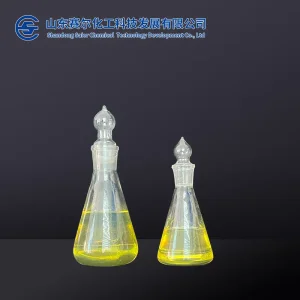
| Heat Transfer Oil L-QC320 | Process Engineering & Heating | Closed heat transfer systems in synthetic fiber, textile, and oil refining processes. | Thermal stability up to 320°C, low carbon residue, oxidation resistance. |
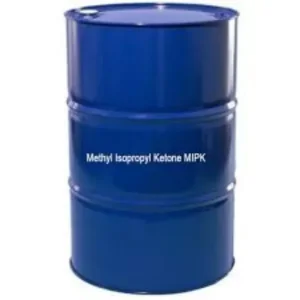
| Methyl Isopropyl Ketone (MIPK) | Fine Chemical Synthesis | Extraction solvent in pharmaceutical refining and raw material for photographic chemicals. | High dissolving power, faster evaporation rate than MIBK, low moisture content. |
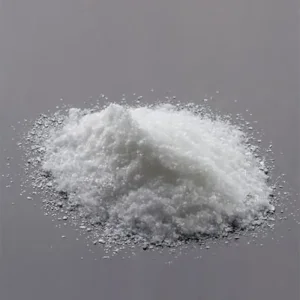
| Triazole Derivatives (1,2,4-Triazole) | Crop Protection & Pharma | Synthesis of triazole-class fungicides (e.g., Tebuconazole) and active pharmaceutical ingredients. | Purity ≥ 99.0%, controlled moisture, white crystalline appearance. |
The chemical industry is undergoing a structural transition driven by global net-zero carbon targets and stricter limits on toxic emissions. Traditional solvent formulations are scrutinized for VOC (Volatile Organic Compound) output and aromatic content, especially in applications with direct human contact.
Zeolite Rotor Technology: Modern chemical factories, including Saier, are integrating Zeolite Concentration Rotors to handle exhaust air. These systems adsorb low-concentration VOCs from processing lines, desorbing them into a concentrated stream for thermal oxidation. This step minimizes ambient emissions, helping factories comply with stringent environmental standards.
Low-Naphthalene Demands: In agricultural chemicals, regulatory bodies (such as the US EPA and EU EFSA) are placing strict limits on naphthalene content in solvents. As a result, demand is surging for products like Aromatic Solvent S150ND (Naphthalene Depleted) and S200ND. These solvents deliver the high solvency needed for active ingredients while keeping naphthalene levels below 1% or even 0.1%, protecting soil ecosystems and workers.
A visual overview of our advanced facilities, continuous rectification plants, and modern laboratory environments.
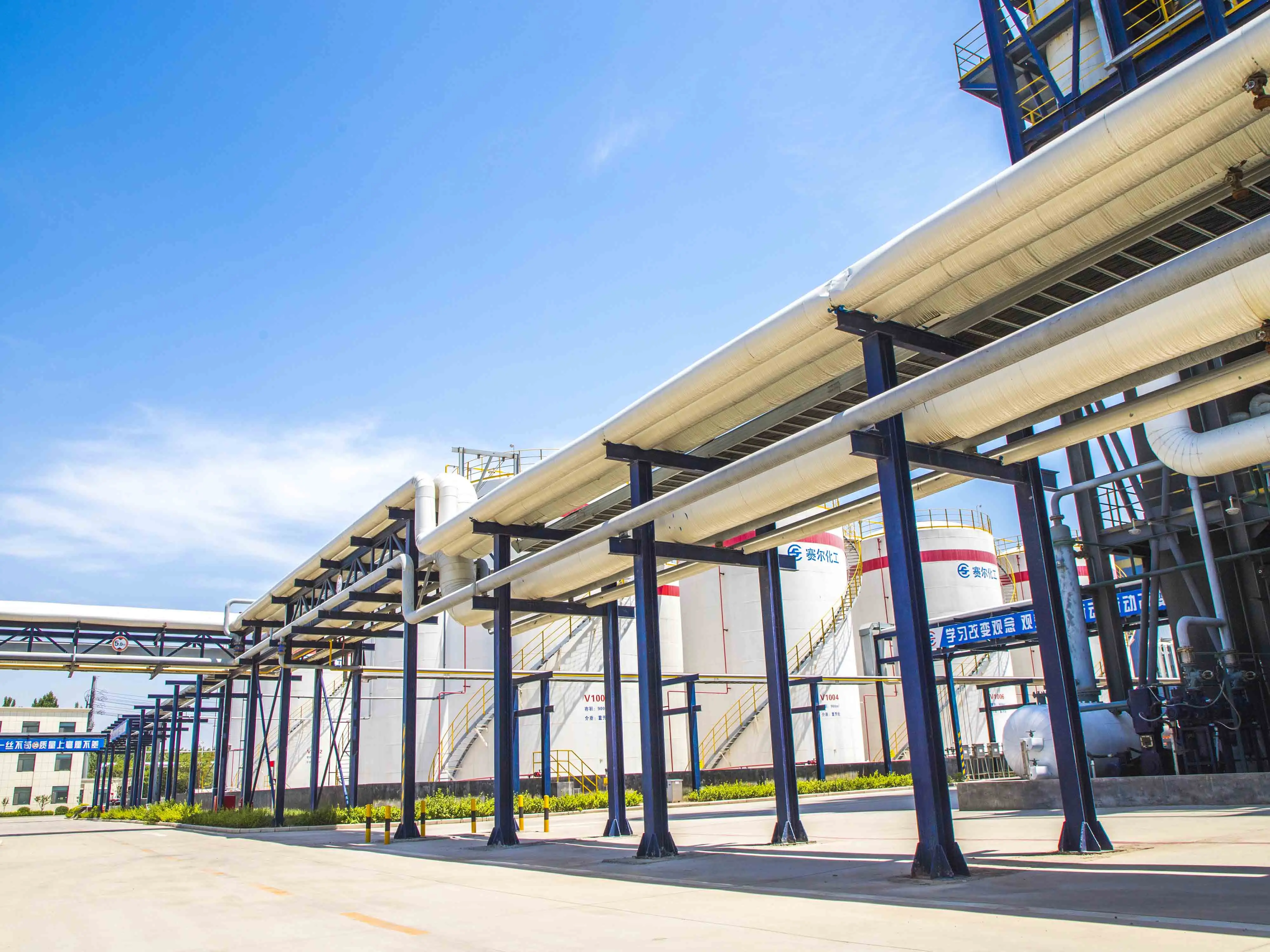
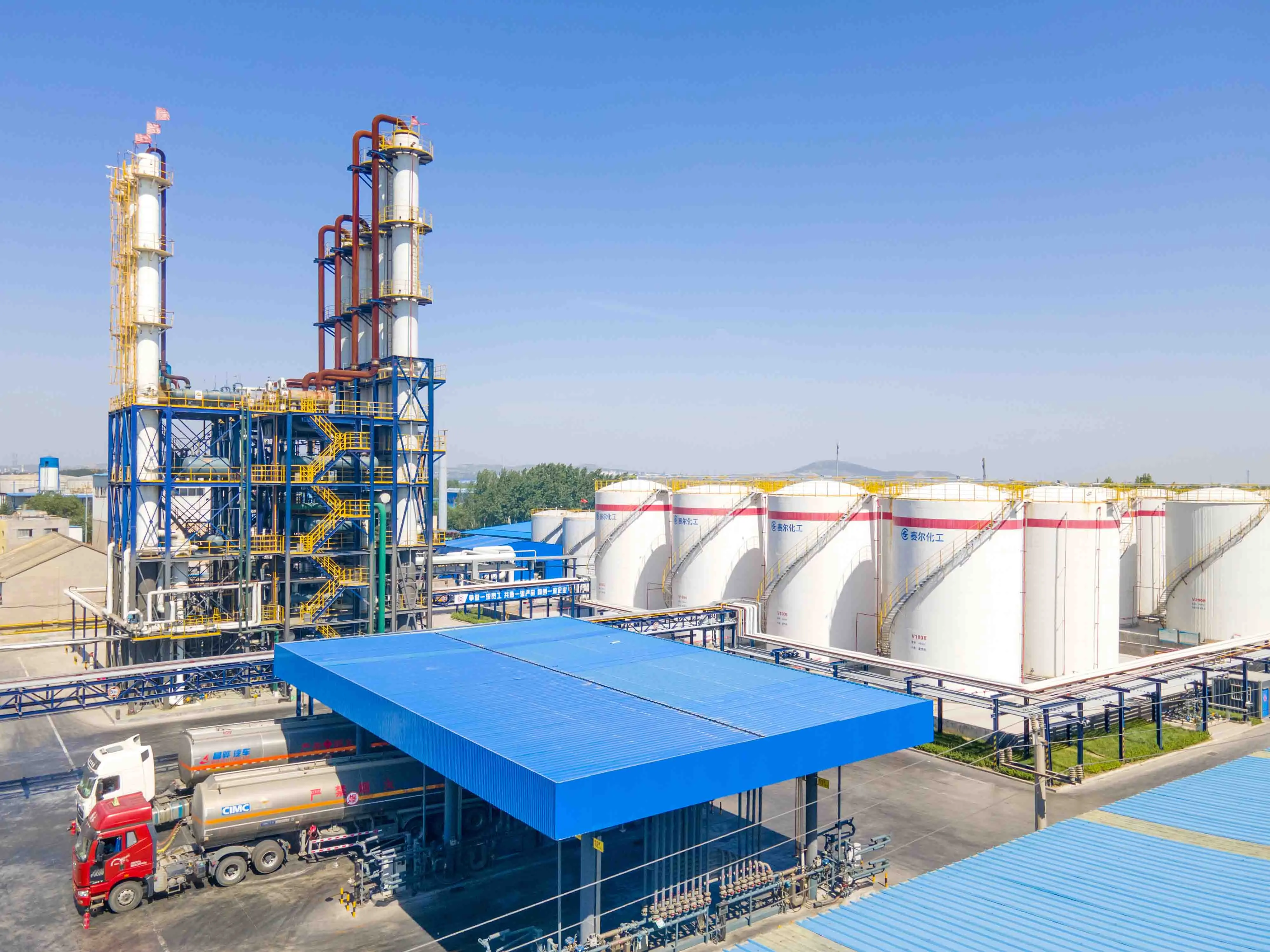
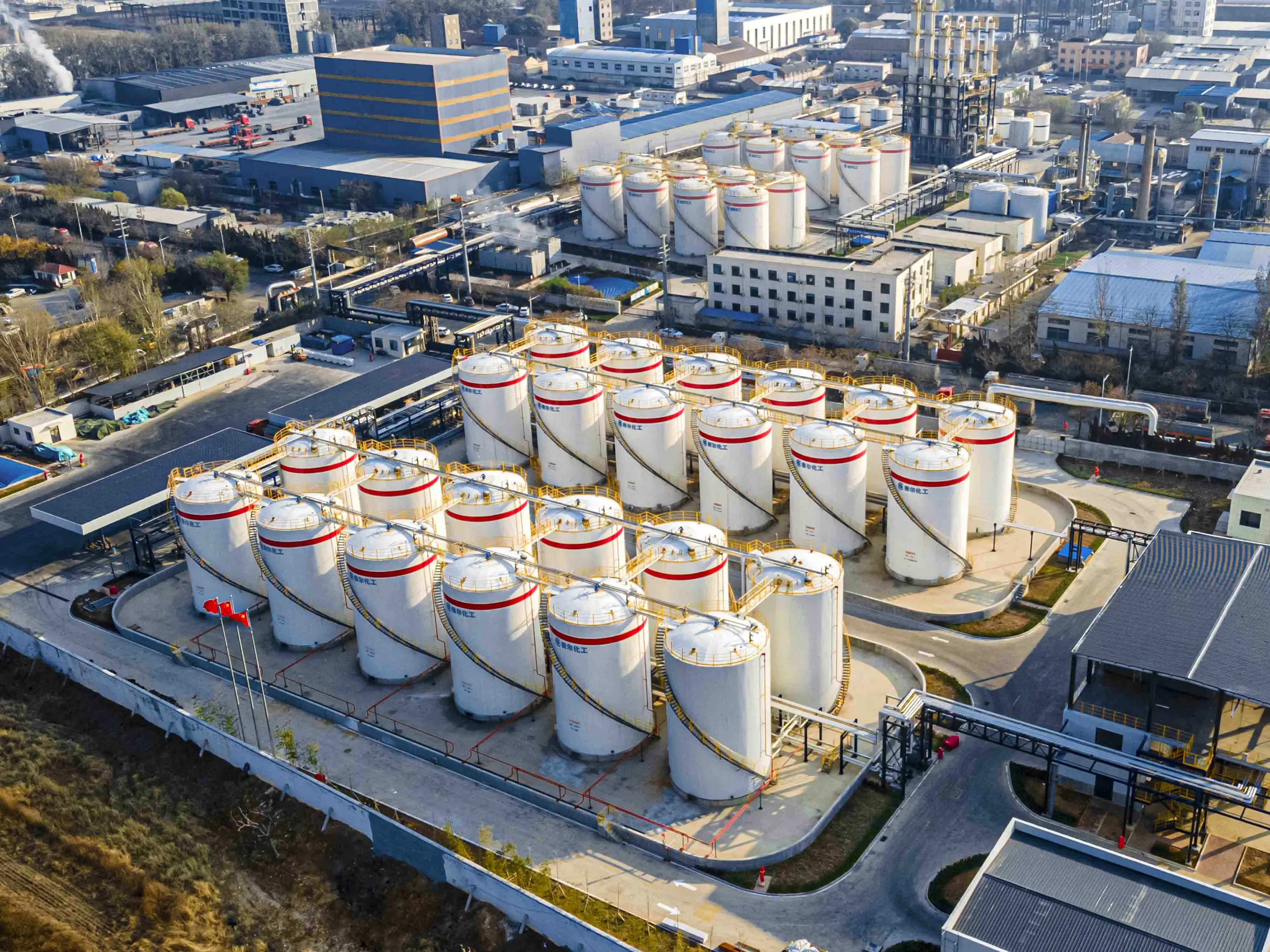
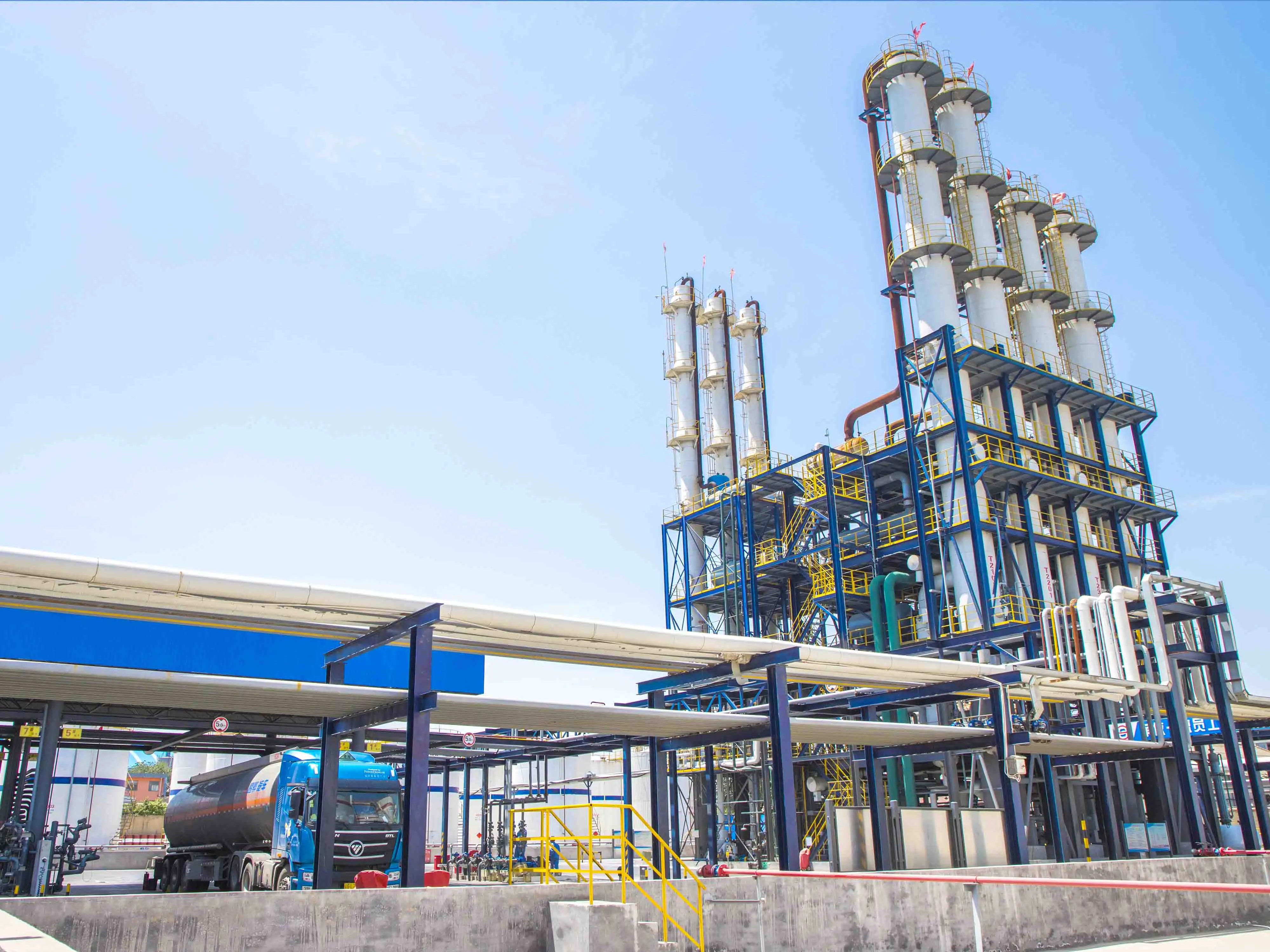
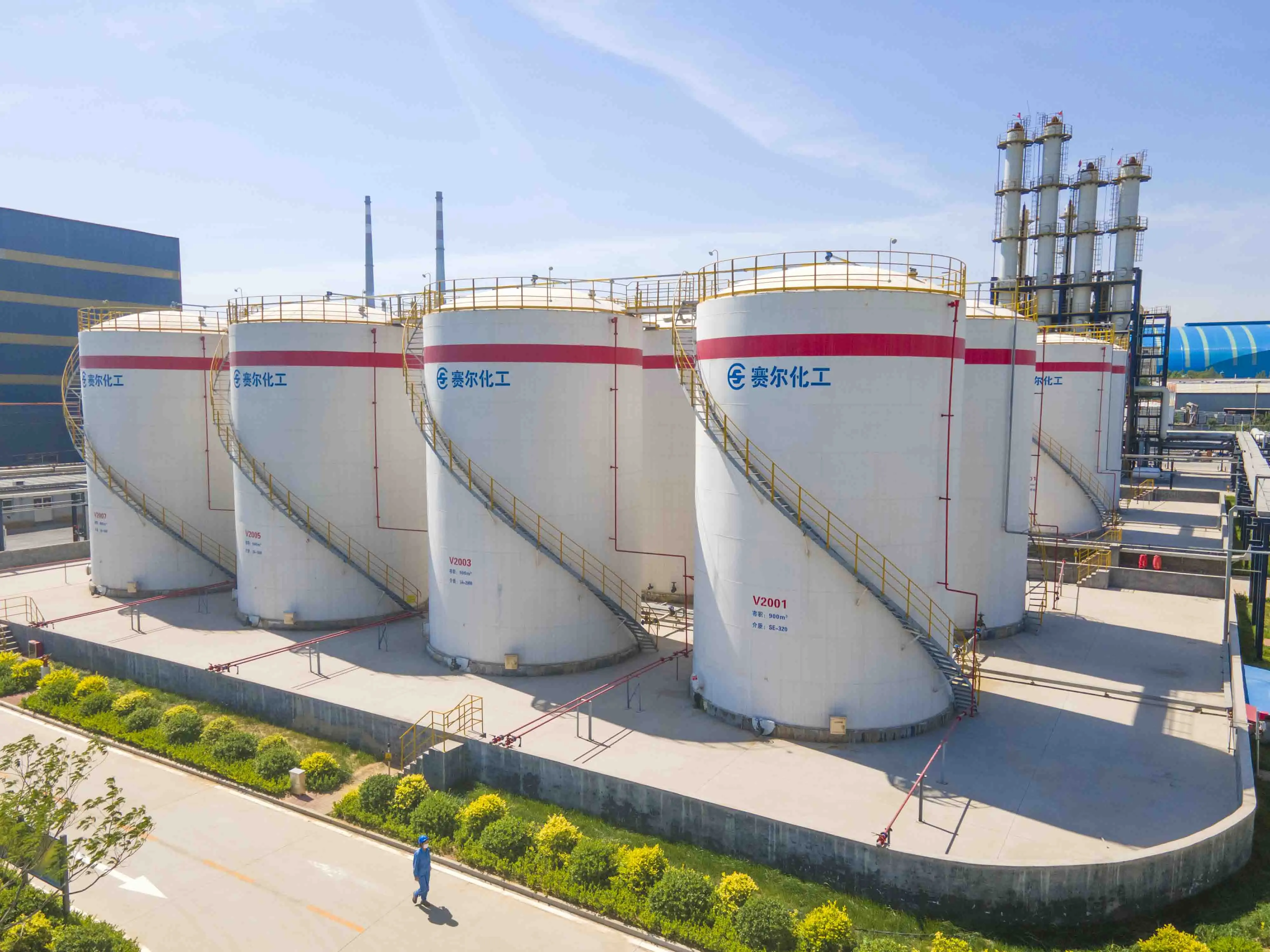
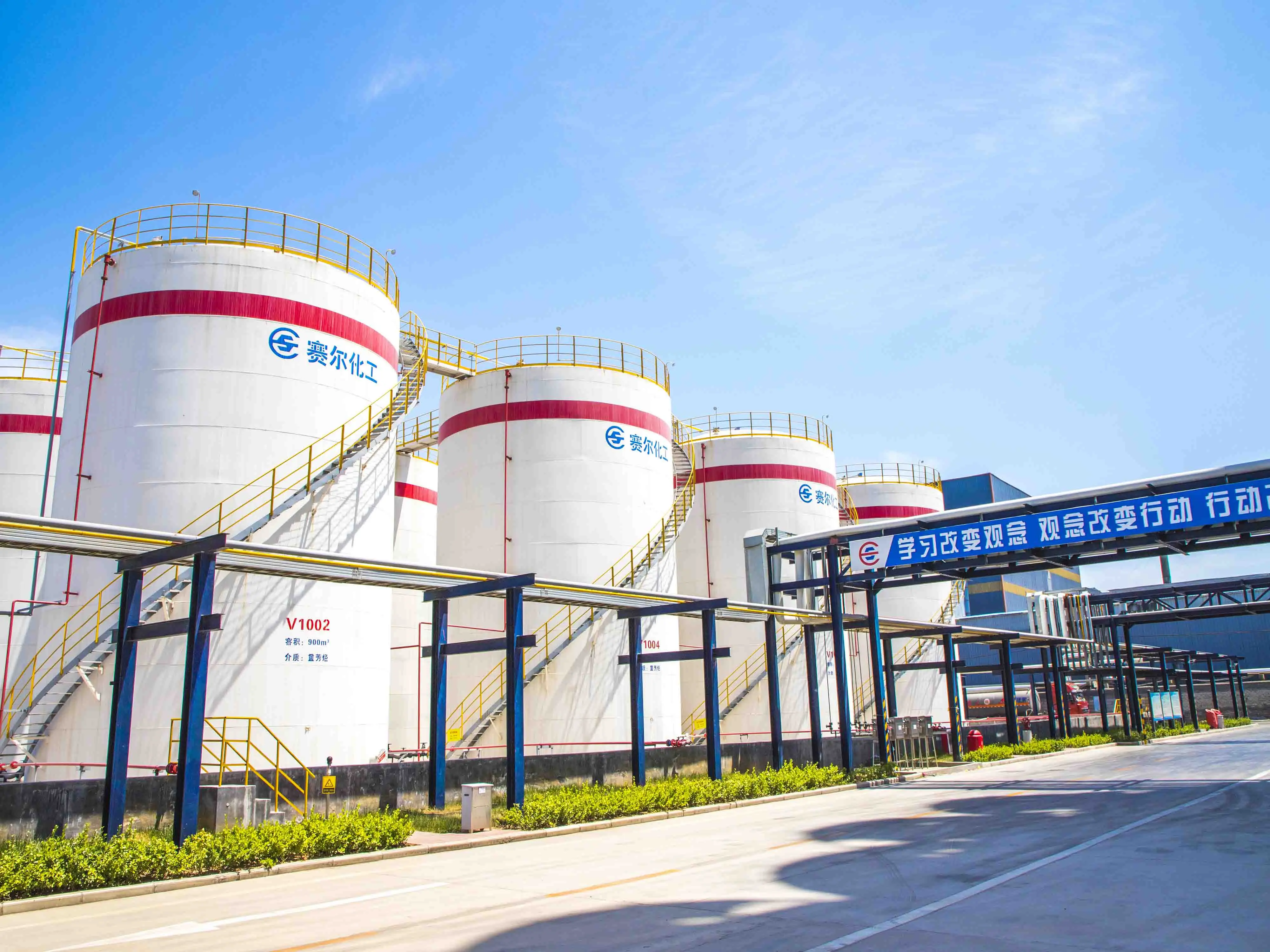
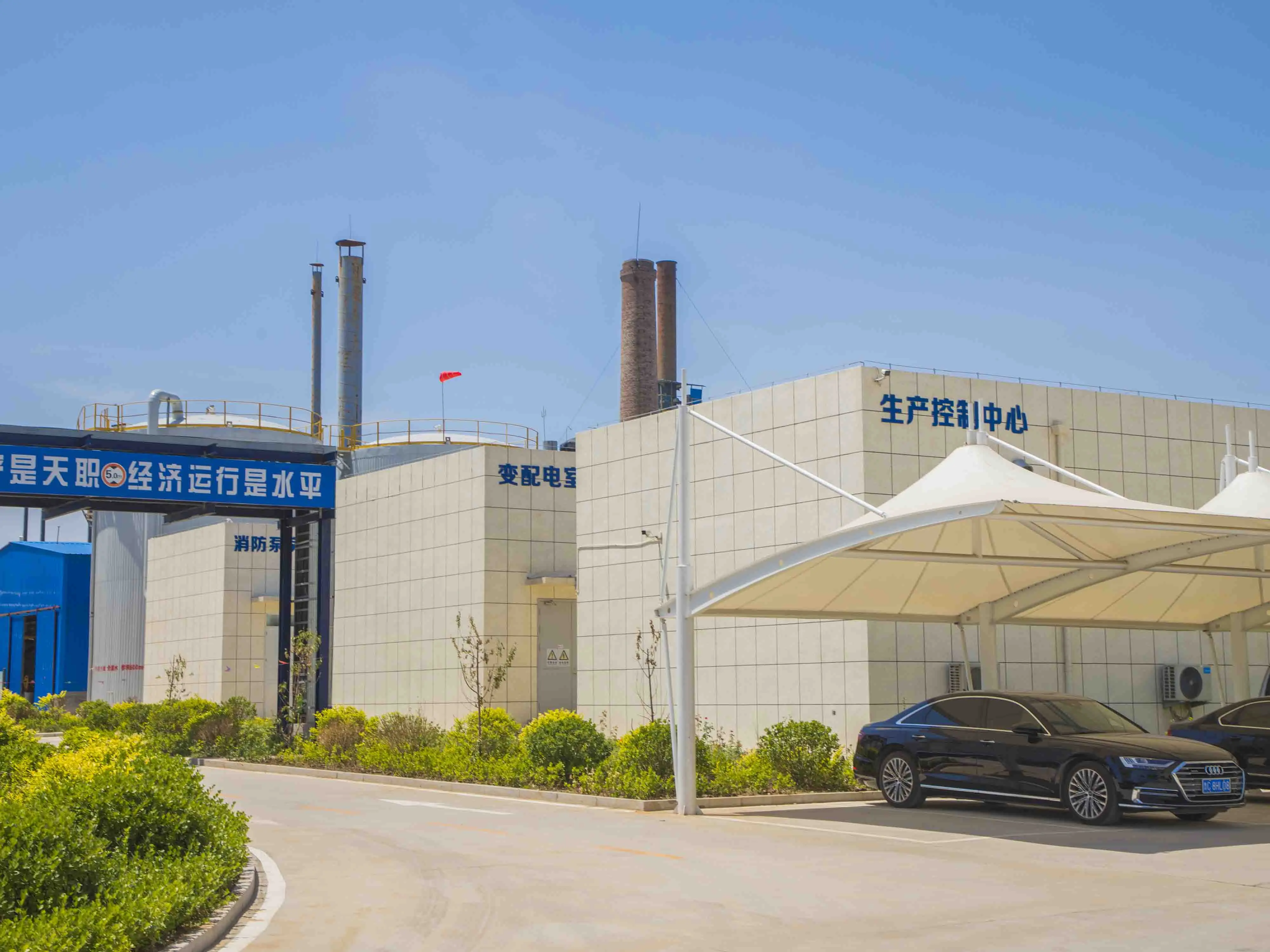
Navigating complex international chemicals transport with high compliance, safety parameters, and efficient delivery.
Whether you require ISO Tanks, IBC totes, or steel drum shipments, we offer containerized transport routes passing through Qingdao Port, Tianjin Port, and Shanghai Port.
Every shipment is accompanied by detailed certificates of analysis (COA), safety data sheets (SDS) meeting GHS standards, and matching custom export codes.
Backed by our 720,000-ton capacity, we easily accommodate trial batches for R&D scaling alongside multi-thousand-ton annual agreements.
Find answers to key technical questions about solvent classifications, raw material sourcing, and processing capabilities.
Technical intermediates and high-performance chemical formulas engineered under strict laboratory protocols.
Looking for a customized solvent formula or bulk supply details? Speak with our team to discuss your specifications, purity needs, and logistical arrangements.
 Saier Chemical