Explore our selection of syntheses reagents, diagnostic intermediates, and industrial additives formulated under strict ISO certifications.
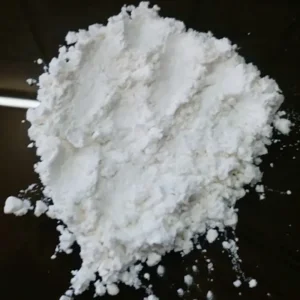
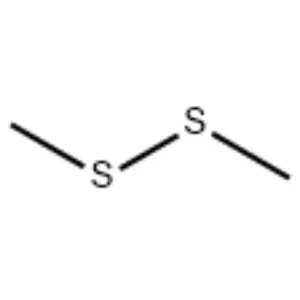
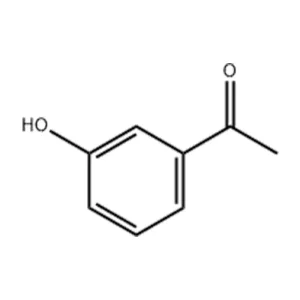
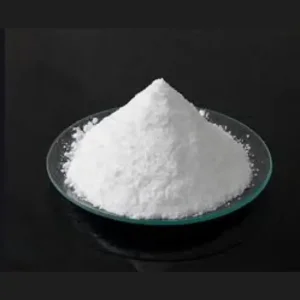
In the contemporary chemical process industries (CPI), the paradigm of chemical procurement has shifted from basic commodity sourcing to strategic, highly customized OEM petrochemical production. Heavy industries, ranging from agrochemical formulation to advanced polymer synthesis, require raw materials that meet strict purity guidelines while balancing environmental criteria. As key partners to globally recognized enterprises like Sinopec, PetroChina, and ChemChina, Shandong Saier Chemical Technology Development Co., Ltd. addresses this evolution through scalable, optimized processing technologies that comply with rigorous international quality standards.
Through systematic research and development, modern petrochemical plants have restructured distillation, refining, and crystallization setups to output specialized solvents such as high-purity aromatic solvents (including S-100, S-150, S-150ND, S-180, and S-200), heat transfer oils, and functional intermediates. The primary objective is minimizing volatile organic compound (VOC) emissions while maintaining high solvating capabilities and thermodynamic properties. This whitepaper analyzes the structural shifts in supply frameworks, technical attributes of premium aromatic streams, and target procurement dynamics governing this global sector.
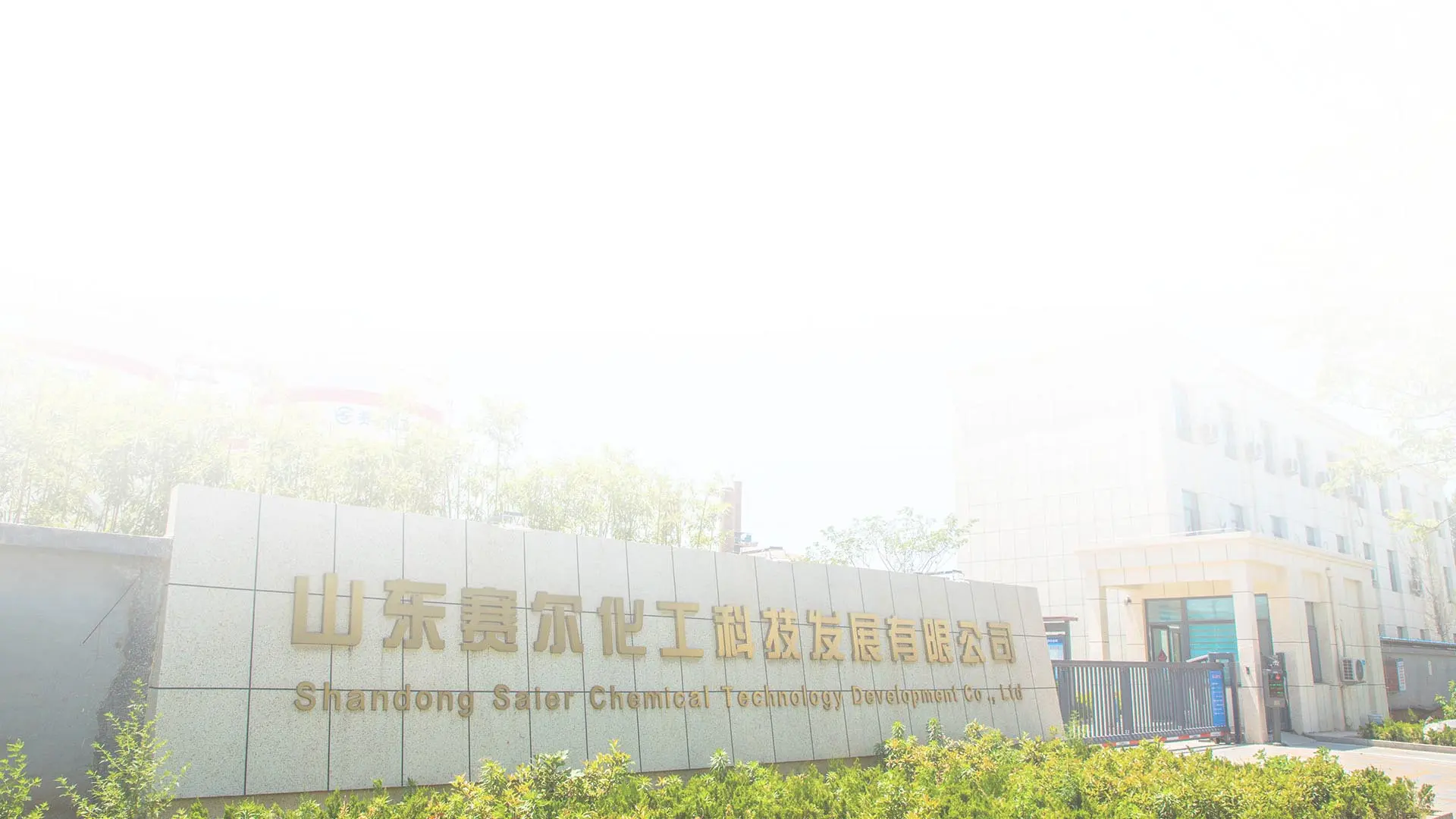
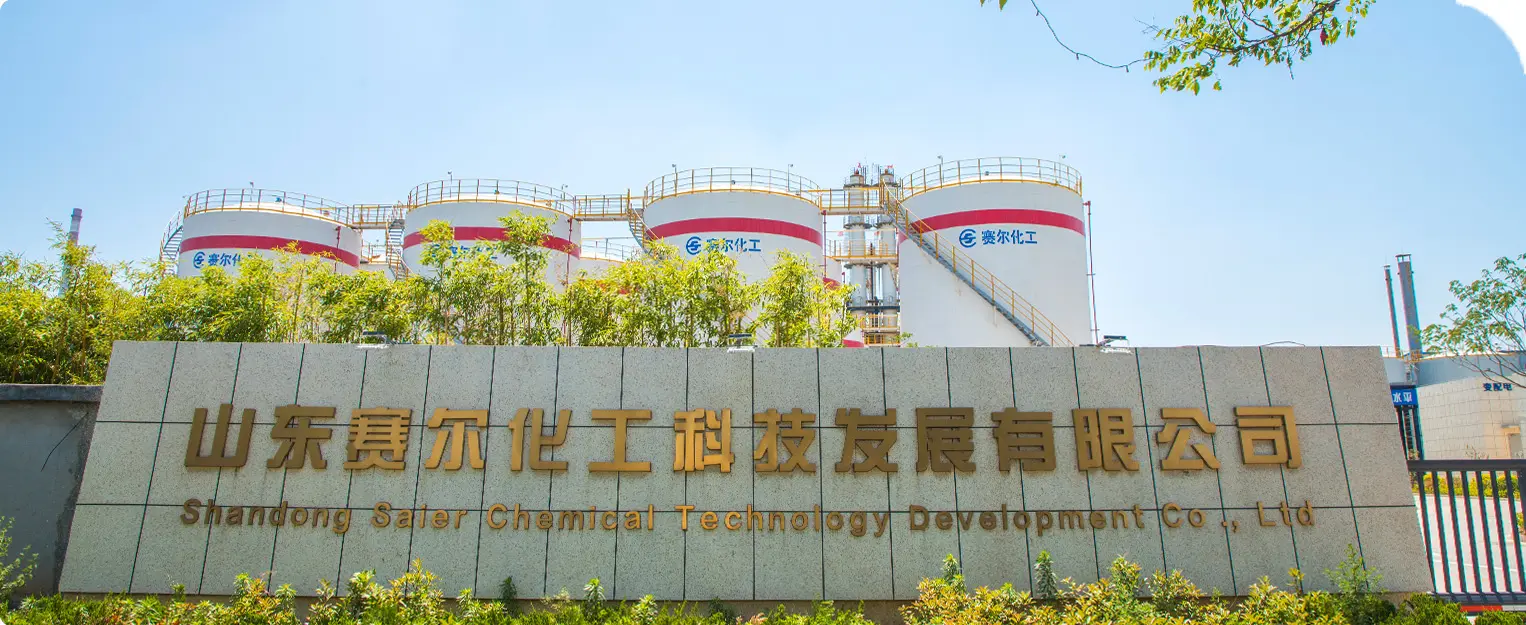
Founded in December 2004, Shandong Saier Chemical Technology Development Co., Ltd. has grown into an industrial chemical producer based in the Zibo Qilu Chemical Industrial Park, Shandong Province. With a registered capital of 60 million yuan, Saier established solid manufacturing operations that leverage raw material feeds from major refineries, including Zhejiang Petrochemical and Hengli Petrochemical.
Initially focusing on high-boiling aromatic solvents (Naphtha, TOPSOL, KOCOSOL, Solvesso categories) alongside heat transfer mediums like L-QC320, the company achieved an annual production capacity of 720,000 tons. Saier subsequently expanded its portfolio to include specialized intermediates (Durene, PVC plasticizers, Thiophene, 1,3-Cyclohexanedione, MIPK, TMOF, TMOA, HPA, TMG), serving industrial markets across Beijing, Shanghai, Tianjin, Hebei, Shandong, and Henan, while exporting to markets in Europe, the Americas, Asia, and Southeast Asia.
To support high product standards and regulatory alignment, Saier Chemical transitions basic feedstocks into high-purity inputs for pesticide formulations, advanced polymers, coatings, and thermal energy systems. The company is recognized as a national high-tech enterprise, reflecting its ongoing optimization of manufacturing processes to reduce environmental footprint and energy consumption.
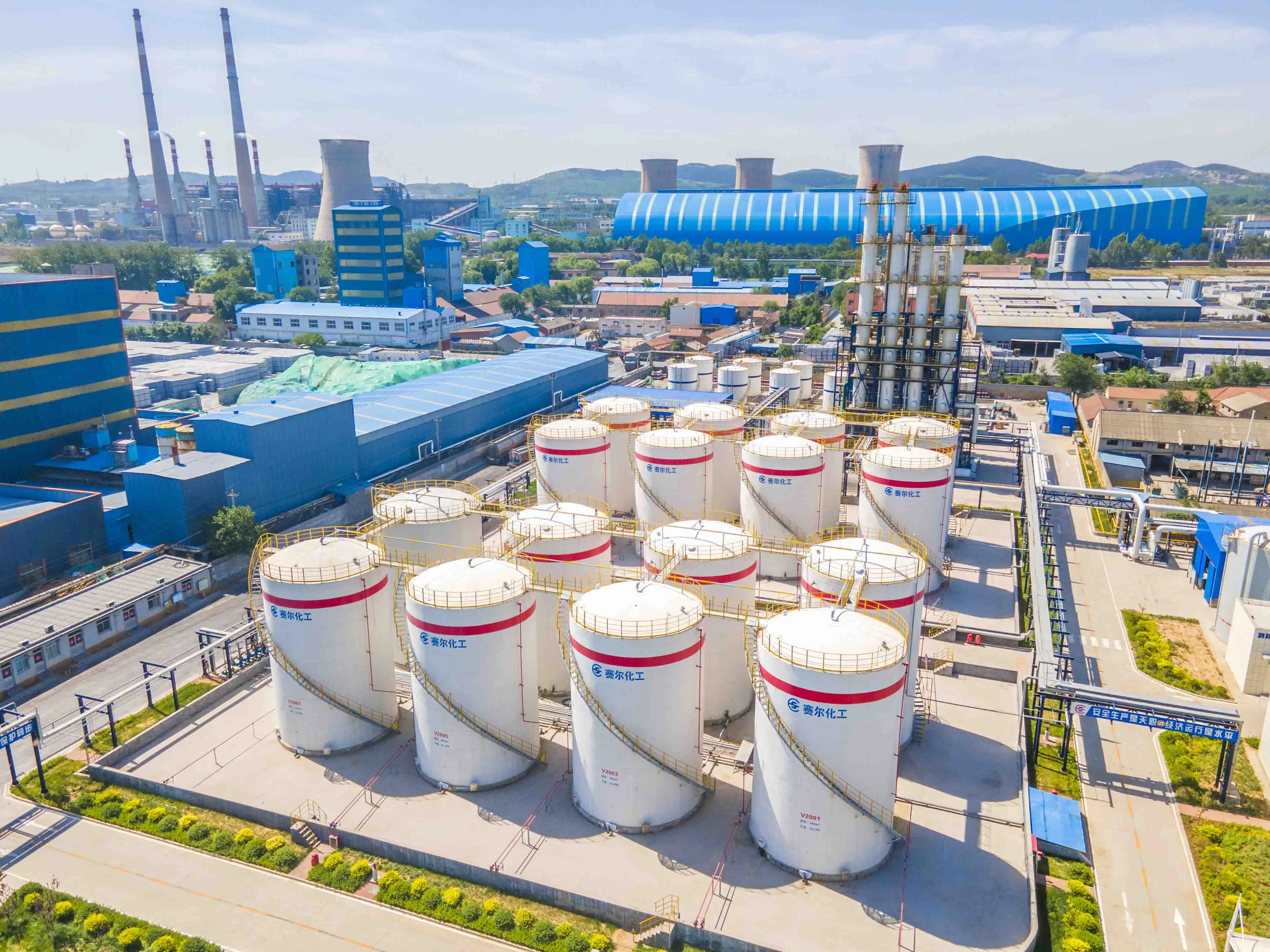
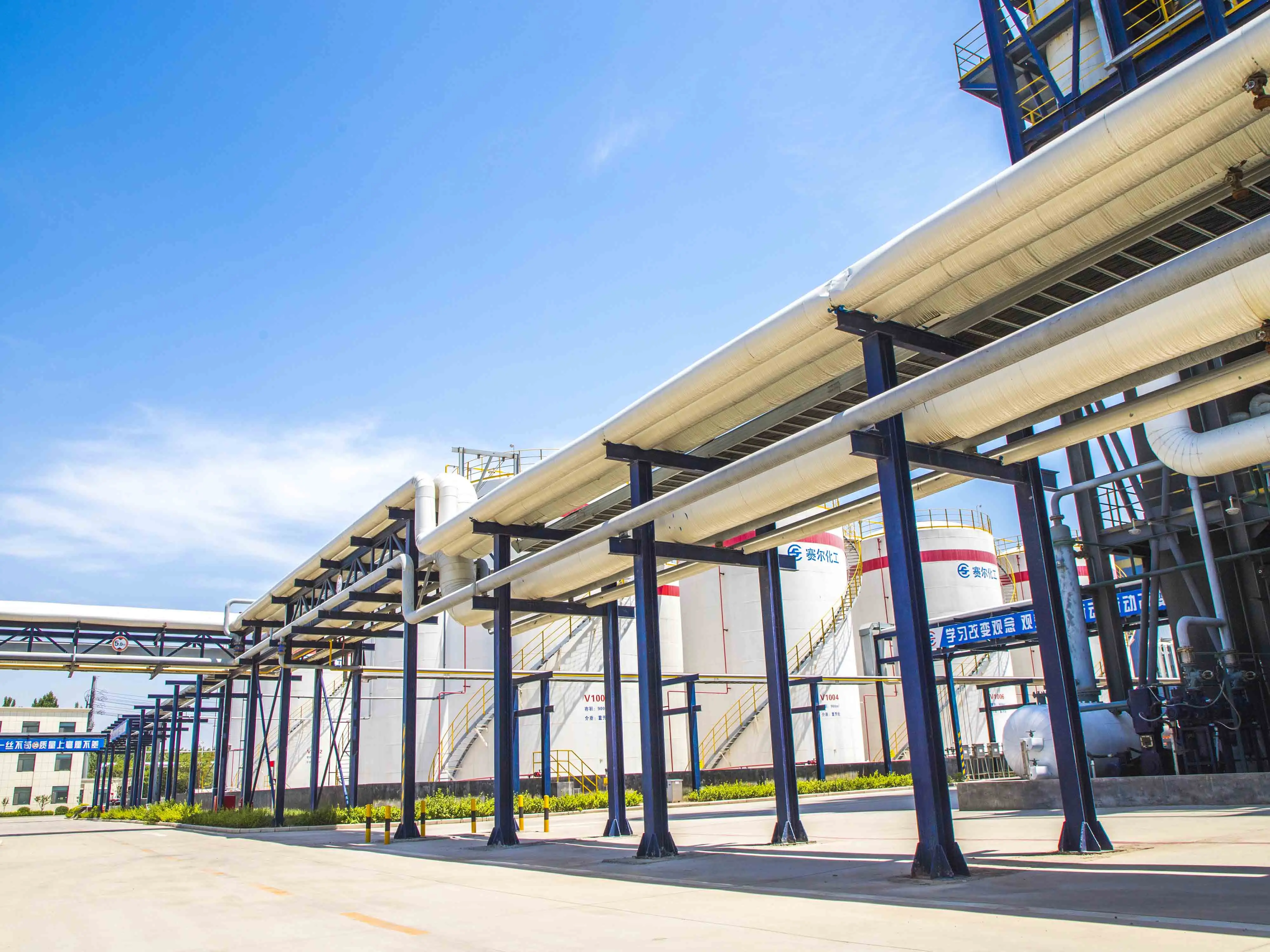
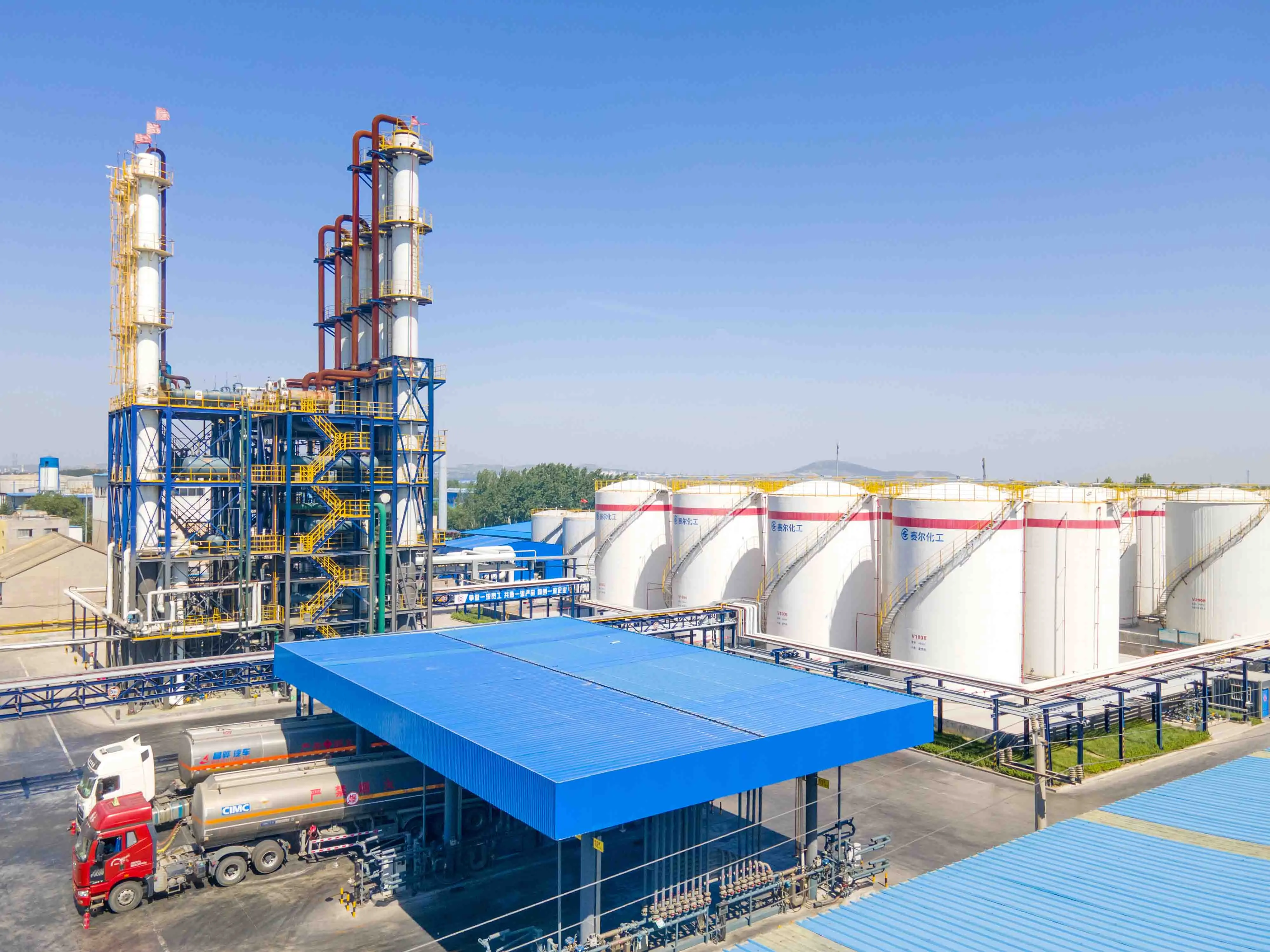
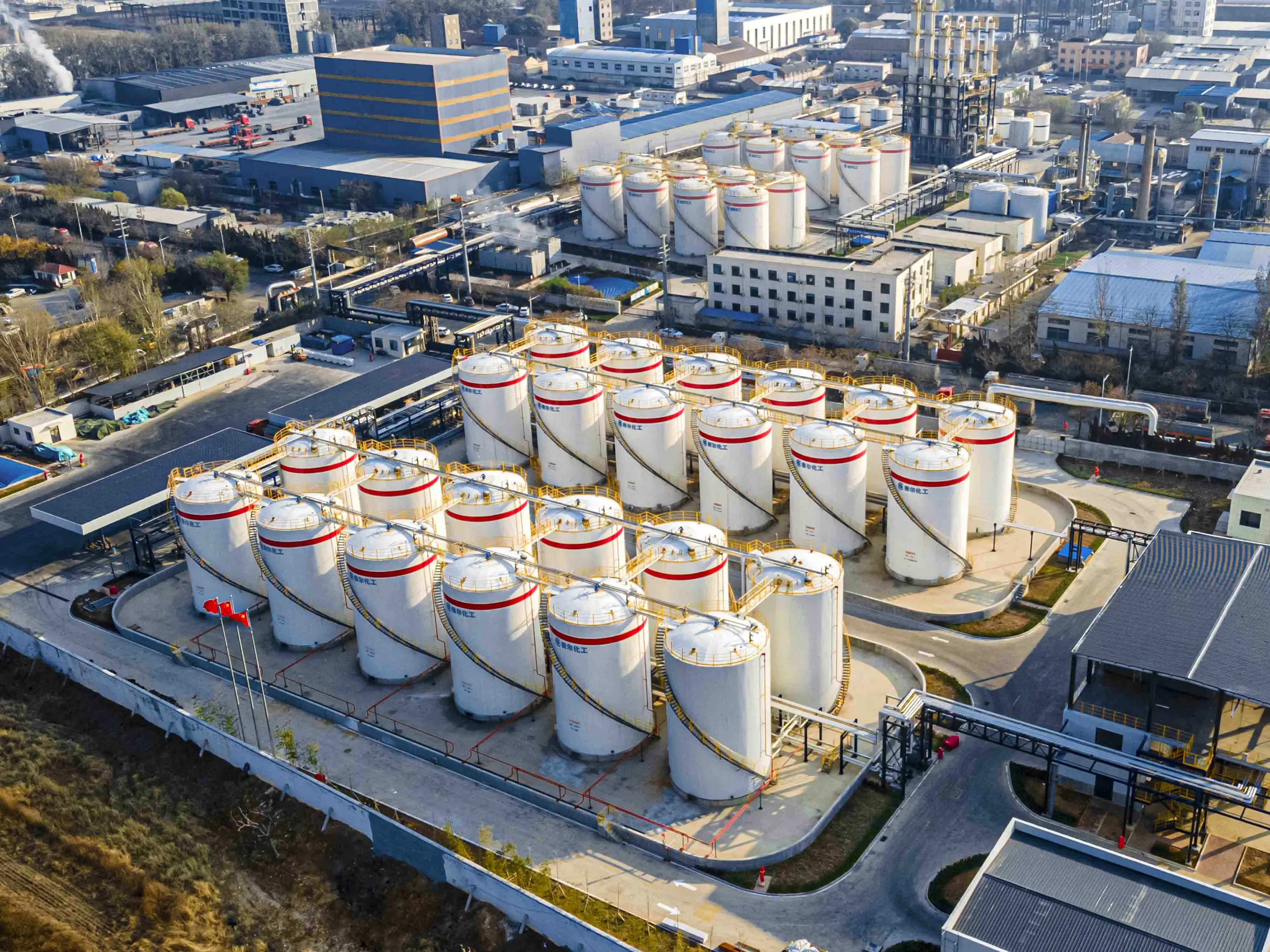
Engineered for high solvency and chemical stability in demanding industrial formulations.
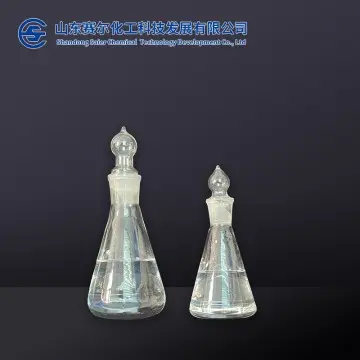
Our Aromatic Solvent S100 is manufactured using crude C10 aromatic streams as feedstocks, processed via continuous fractionation. The output is a clear, colorless liquid organic solvent that meets international standards for aromatic hydrocarbon solvents.
Key technical attributes include:
This solvent is used in industrial applications, including agricultural emulsifiable concentrates (EC), stoving enamels, industrial coatings, and printing inks.
An analytical overview of the regulatory and technological shifts influencing petrochemical procurement.
Agrochemical and coating sectors face growing pressure to reduce hazardous air pollutant (HAP) profiles. Industrial buyers favor aromatic solvents with low naphthalene content (such as S-150ND and custom fractions) to meet VOC limits while preserving solvent effectiveness.
Process industries require reliable thermal management. L-QC320 synthetic oil delivers oxidation resistance and thermal stability, reducing fouling in heat exchangers and lowering operational downtime under high temperatures.
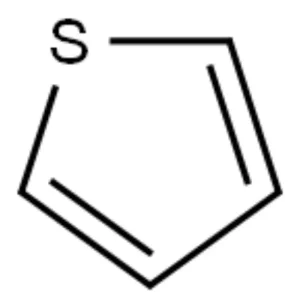
Custom pharmaceutical, pesticide, and plasticizer manufacturers depend on stable intermediate structures like Thiophene, 1,3-Cyclohexanedione, and Durene to optimize yield rates in complex multi-step organic synthesis.
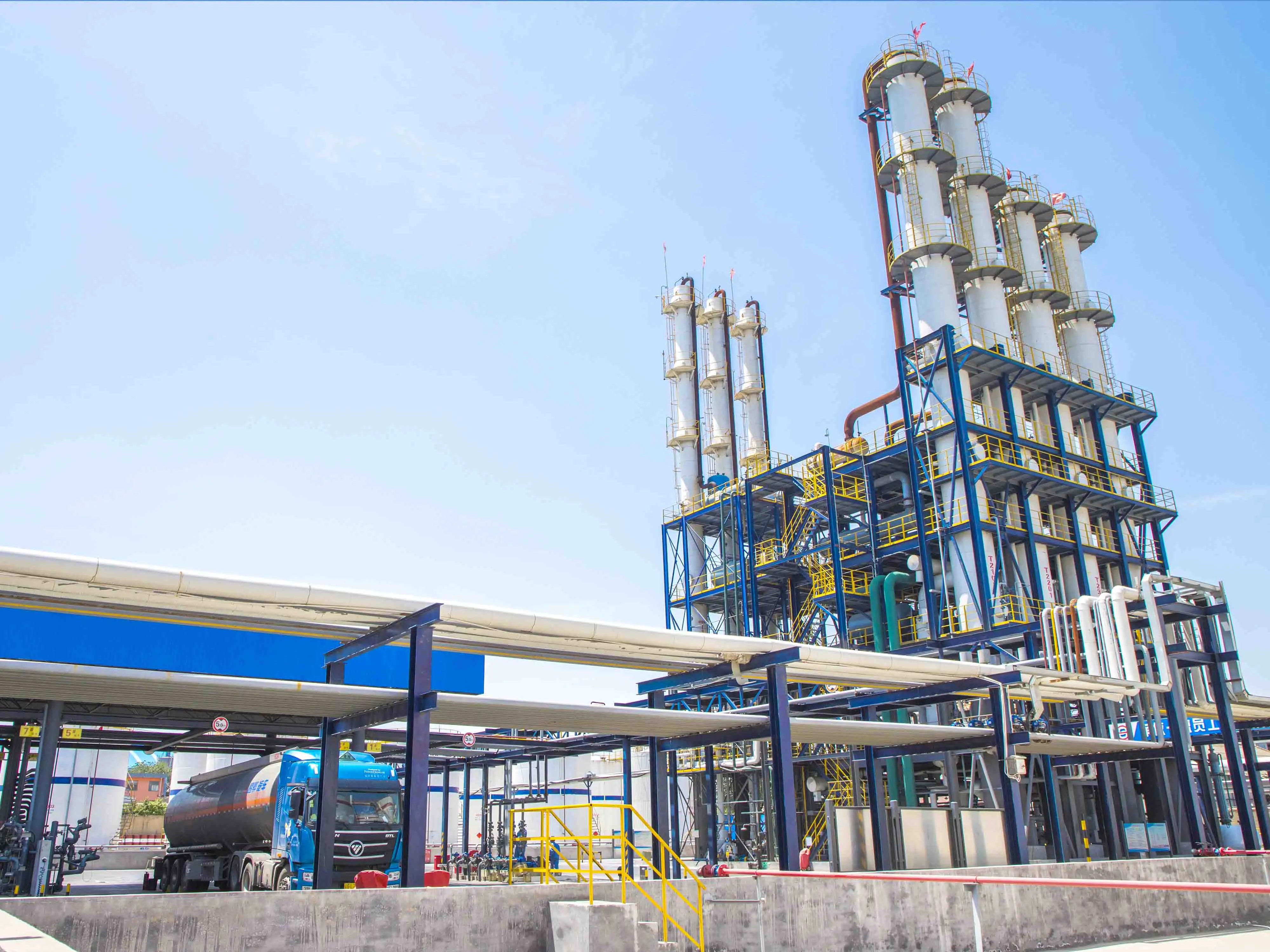
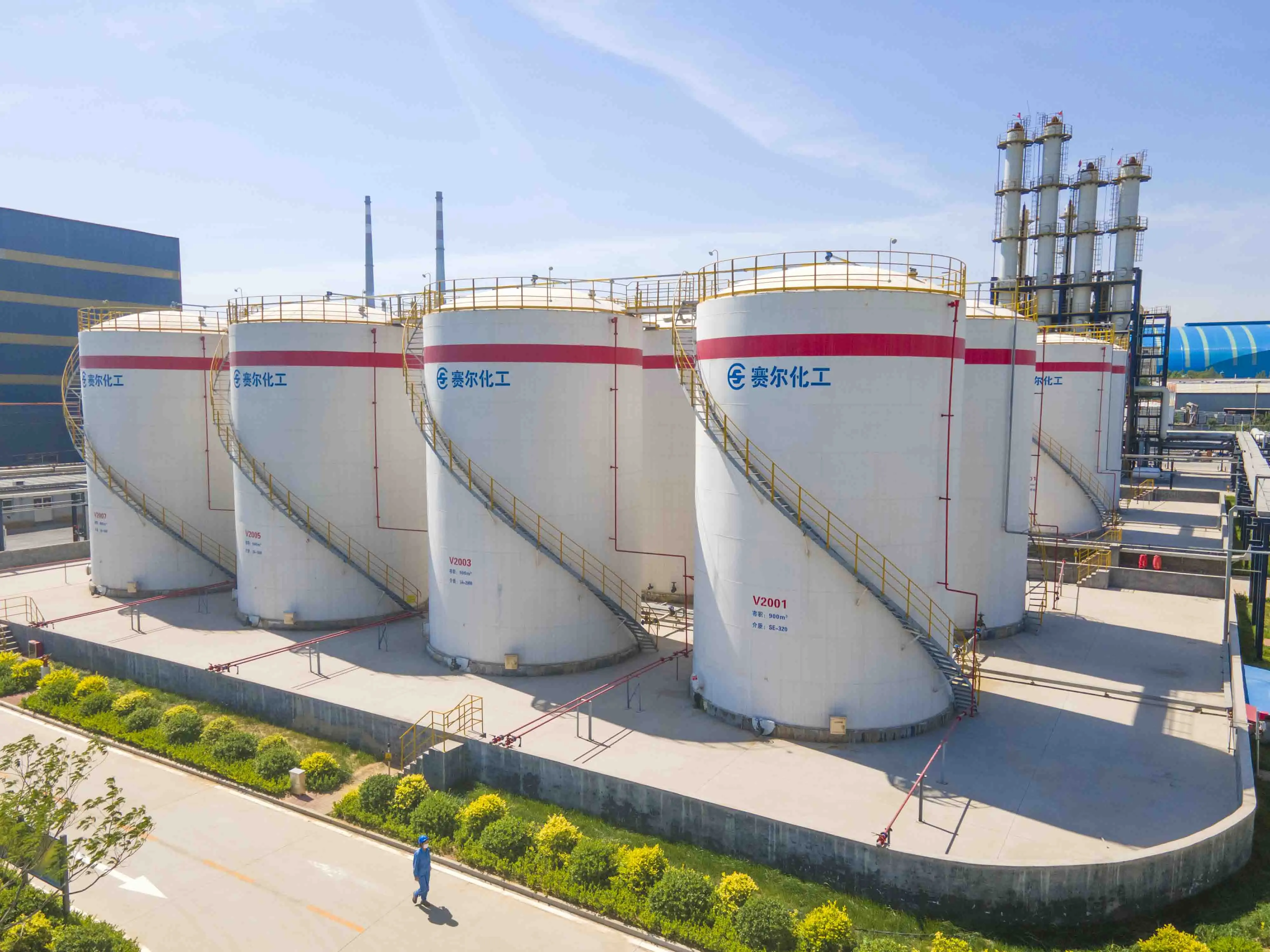
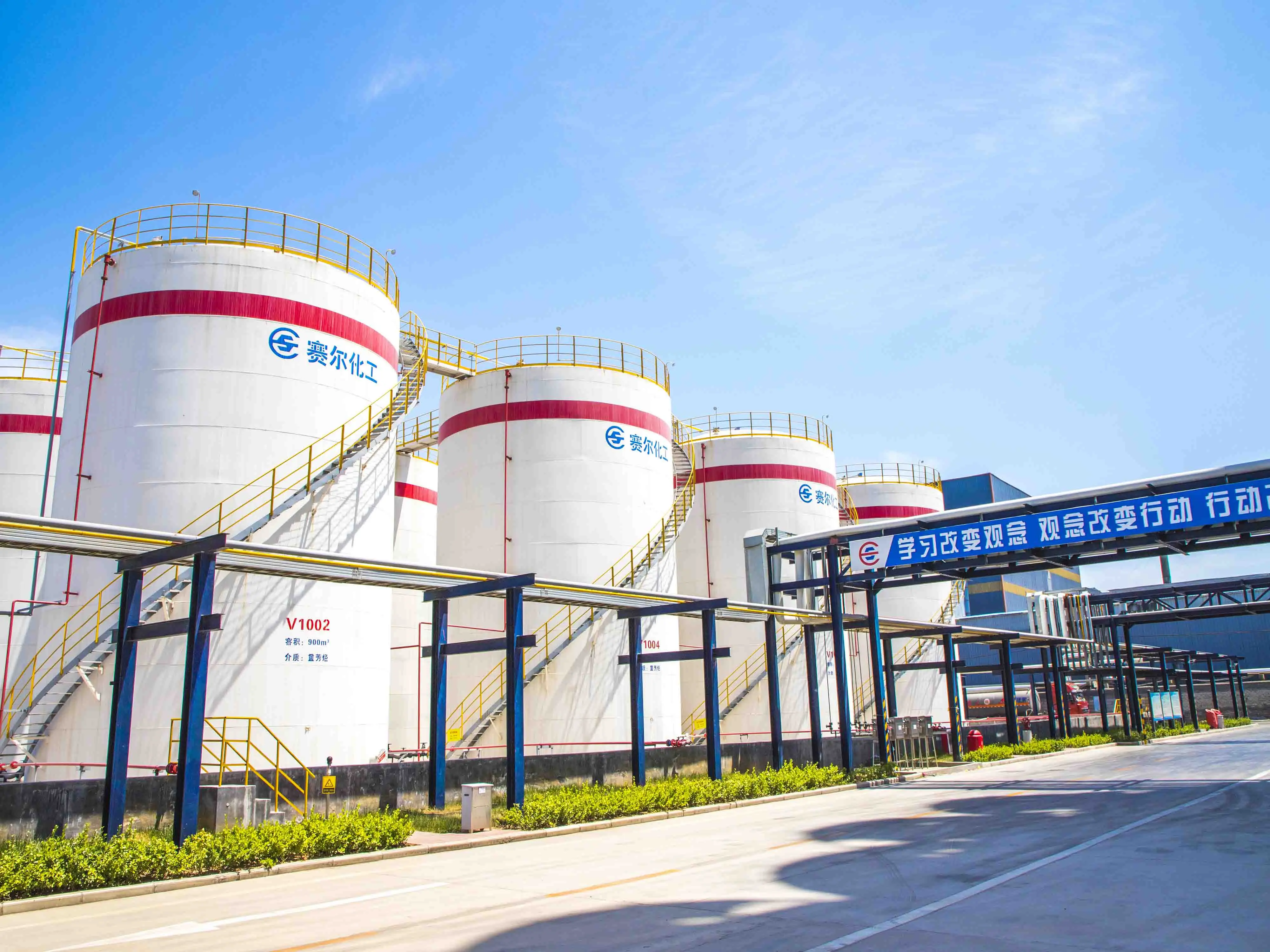
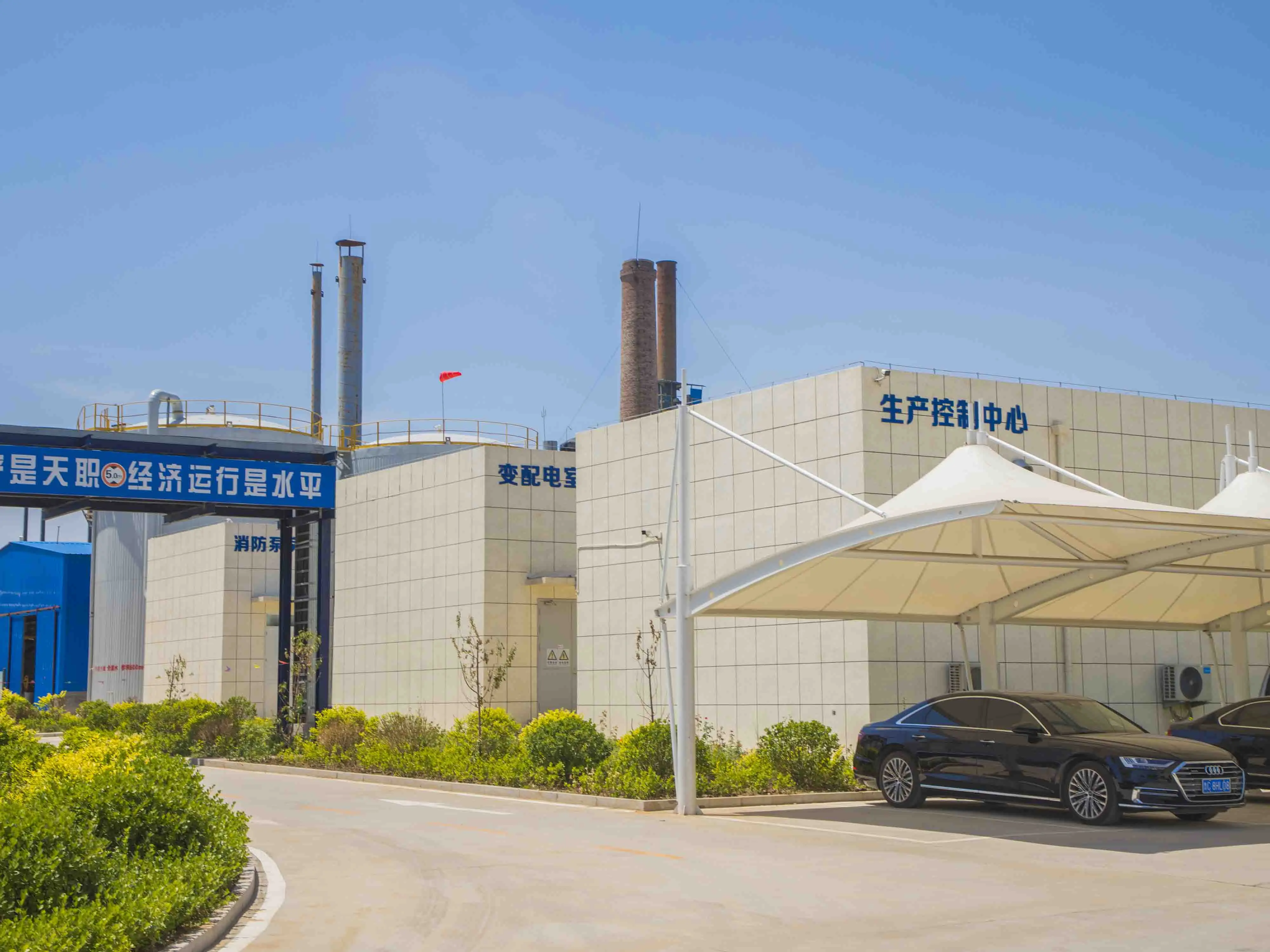
Supported by our Zibo facility, Saier Chemical maintains manufacturing infrastructure designed for stable chemical fractionation and synthesis. Distillation units are equipped with real-time process control technology, ensuring consistent quality parameters across C9, C10, and C12 heavy aromatic cuts.
Our Quality Control laboratory uses gas chromatography (GC), mass spectrometry (GC-MS), and moisture titrators to check incoming raw materials and outbound shipments. We work with logistics networks to manage safe transport across local provinces and international shipping lanes.
Operational photos showing our processing lines and logistics infrastructure.
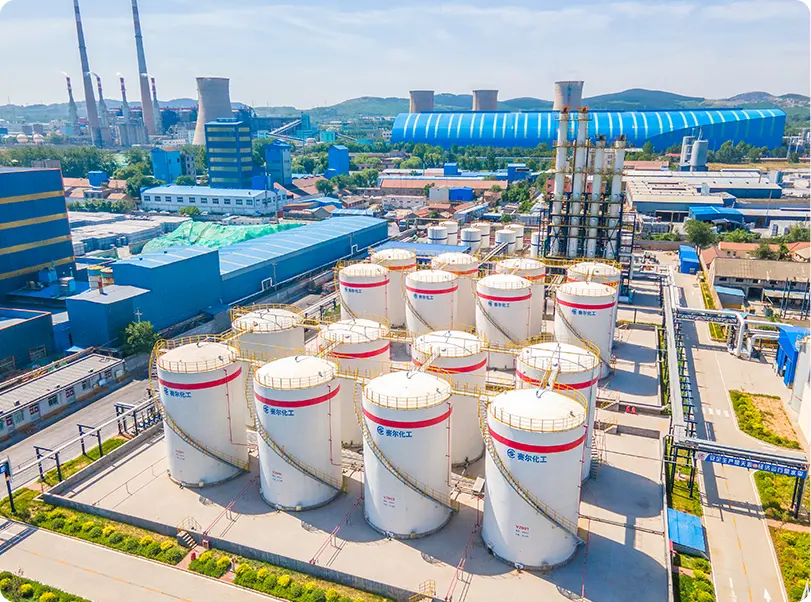
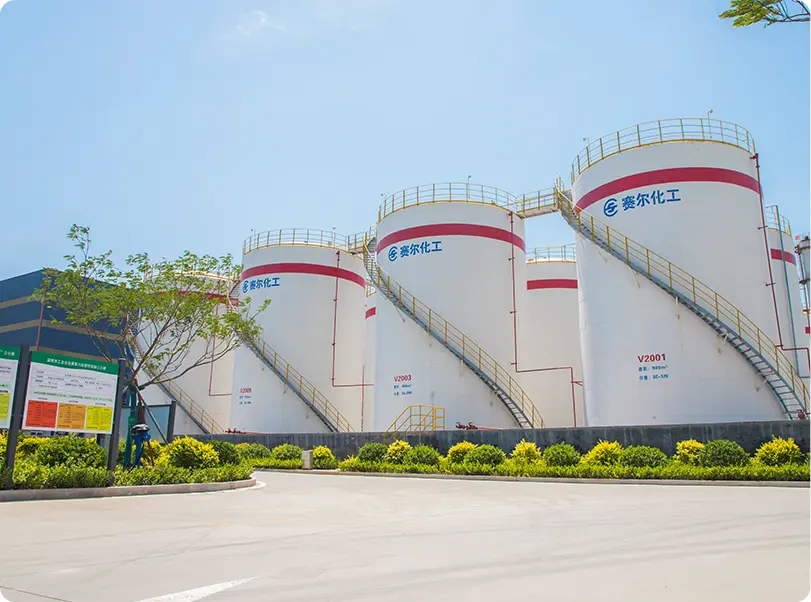
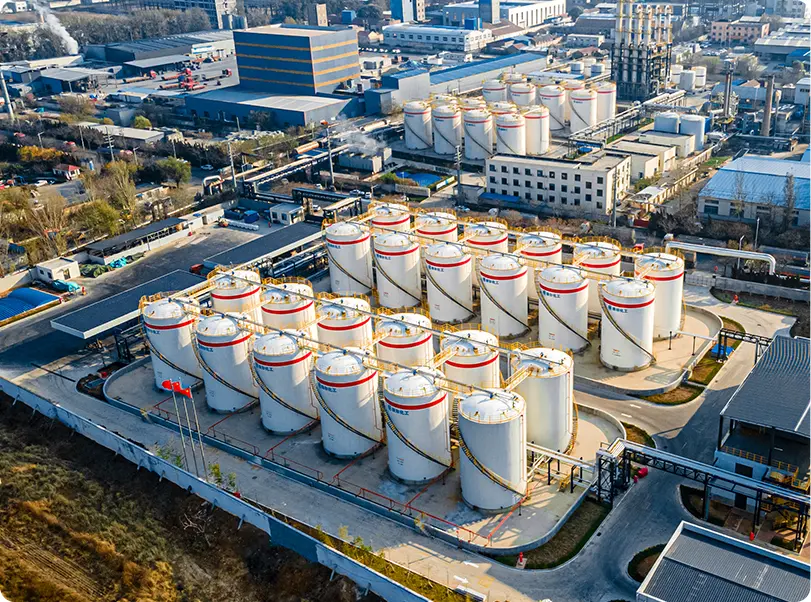
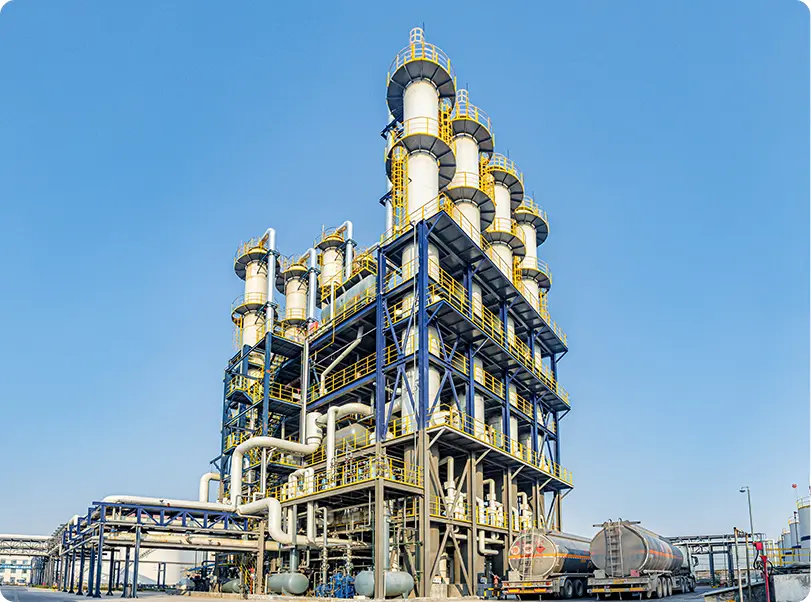
Our operation is based on four pillars: Quality, Service, Professionalism, and Efficiency. In a market where chemical purity directly impacts production yields, we provide several advantages:
The chemical manufacturing industry is transitioning toward lower emissions, process electrification, and optimized energy systems. To meet these challenges, Shandong Saier Chemical is adopting advanced manufacturing technologies. Our engineering roadmap includes the introduction of Zeolite Rotor Adsorption Systems to capture and recycle trace VOCs from solvent processing lines, helping us stay ahead of environmental standards.
Additionally, we are refining our fractional distillation designs to separate aromatic fractions with higher precision. These process enhancements allow us to supply low-naphthalene grades that help global agricultural clients formulate stable, eco-compliant crop protection products. By combining scale, raw material security, and modern production methods, Saier Chemical supports sustainable operations in the global petrochemical market.
Detailed answers to key chemical and logistics questions for procurement managers.
The differences lie in their distillation ranges, hydrocarbon composition, and flash points. S100 consists primarily of C9 hydrocarbons and has a boiling range of 150-180°C. S150 contains mostly C10 hydrocarbons with a boiling range of 180-210°C, and S200 is composed of C11-C12 hydrocarbons, boiling between 220-290°C. Choosing the right grade depends on the required evaporation rates and solvency needs.
Naphthalene is classified as a hazardous substance in many regions. Solvents like S-150ND (Naphthalene Depleted) keep naphthalene content below 1.0% (often under 0.1%), helping agrochemical manufacturers meet regulatory standards while maintaining formulation stability.
L-QC320 is designed for high thermal stability and resistance to thermal cracking and oxidation at operating temperatures up to 320°C. Key quality metrics include low carbon residue, high flash point, and consistent viscosity, which protect thermal oil systems from sludge and pipe scaling.
We monitor quality using process automation and laboratory analysis. Each production batch undergoes gas chromatography testing, density measurements, distillation profiling, and moisture checks to ensure compliance with product specifications before release.
We supply chemical intermediates including 1,3-Cyclohexanedione (for herbicides), Thiophene (for pharmaceuticals and polymers), and Pyromellitic Dianhydride (PMDA, for polyimide resins), supporting targeted synthesis applications.
Explore our secondary chemical selection, offering purity levels suitable for sensitive synthesis processes.

If you require custom chemical formulations, detailed MSDS sheets, or scale pricing for bulk aromatic solvents and fine intermediate chemicals, contact our technical team to discuss your project requirements.
 Saier Chemical