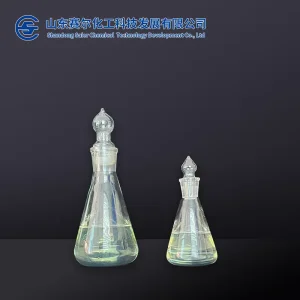
Direct-from-factory chemical raw materials supporting modern high-performance industrial formulations globally.
In modern industrial chemistry, the demand for highly efficient, stable, and low-toxicity organic solvents is escalating. Among these, Kocosol 100 represents a critical benchmark in high-boiling aromatic solvents. Consisting primarily of C9 to C10 aromatic hydrocarbons, this chemical agent is widely acknowledged for its exceptional solvency, high flash point, and optimized evaporation curves.
For procurement managers, global chemical suppliers, and manufacturing plants, sourcing Kocosol 100 requires a comprehensive understanding of its composition, chemical stability, and structural characteristics. Kocosol 100 belongs to the family of heavy aromatic distillates, commonly classified alongside other premium brands such as Solvent Naphtha, TOPSOL, and Solvesso. With a boiling range generally between 150°C and 185°C, it presents an optimal balance between process workability and low atmospheric volatility, making it an indispensable component in coatings, agricultural formulations, printing inks, and organic synthesis.
As environmental regulations become more stringent under REACH and global EPA directives, the molecular purity of Kocosol 100 has become a critical parameter. Modern manufacturers, such as Shandong Saier Chemical Technology Development Co., Ltd., utilize state-of-the-art multi-stage distillation columns to ensure the elimination of heavy hazardous residues, yielding an ultra-clean product that complies with both performance and safety standards.
The global solvent market is undergoing a structural transition. Traditionally, basic low-boiling aromatic solvents were favored due to their quick drying times. However, the rise of strict industrial safety laws and atmospheric emission limits has shifted the preference towards high-boiling aromatic hydrocarbons.
| Property / Parameter | Kocosol 100 Typical Value | Alternative C9 Solvents | Standard Mineral Spirits |
|---|---|---|---|
| Boiling Range (°C) | 154 – 180 | 160 – 190 | 130 – 220 |
| Flash Point (Closed Cup, °C) | ≥ 42 | ≥ 40 | ≥ 38 |
| Kauri-Butanol (KB) Value | 91 | 88 | 35 – 45 |
| Aromatic Content (vol%) | ≥ 99.0 | ≥ 98.0 | ≤ 15.0 |
| Density @ 15°C (g/cm³) | 0.875 | 0.872 | 0.780 |
Procurement processes in multinational chemical conglomerates are increasingly emphasizing supply chain transparency, quality consistency, and batch-to-batch reproducibility. Purchasing departments targeting Kocosol 100 evaluate supplier networks based on logistics integration, raw material availability, and geographical proximity to deep-water shipping lanes.
Furthermore, raw material supply security has become a priority. Shandong Saier Chemical has strategically aligned its manufacturing operations with primary refining giants including Sinopec, PetroChina, ChemChina, Zhejiang Petrochemical, and Hengli Petrochemical. This direct alignment ensures a reliable inflow of premium crude C9 and C10 feedstocks, neutralizing market volatility and offering stable pricing structures to downstream clients across the Americas, Europe, Southeast Asia, and domestic markets.
The production of heavy aromatic solvents has moved beyond simple physical distillation. Modern manufacturing units operate under the "Industry 4.0" framework, integrating DCS (Distributed Control Systems) and automated online chromatographs to monitor real-time purity.
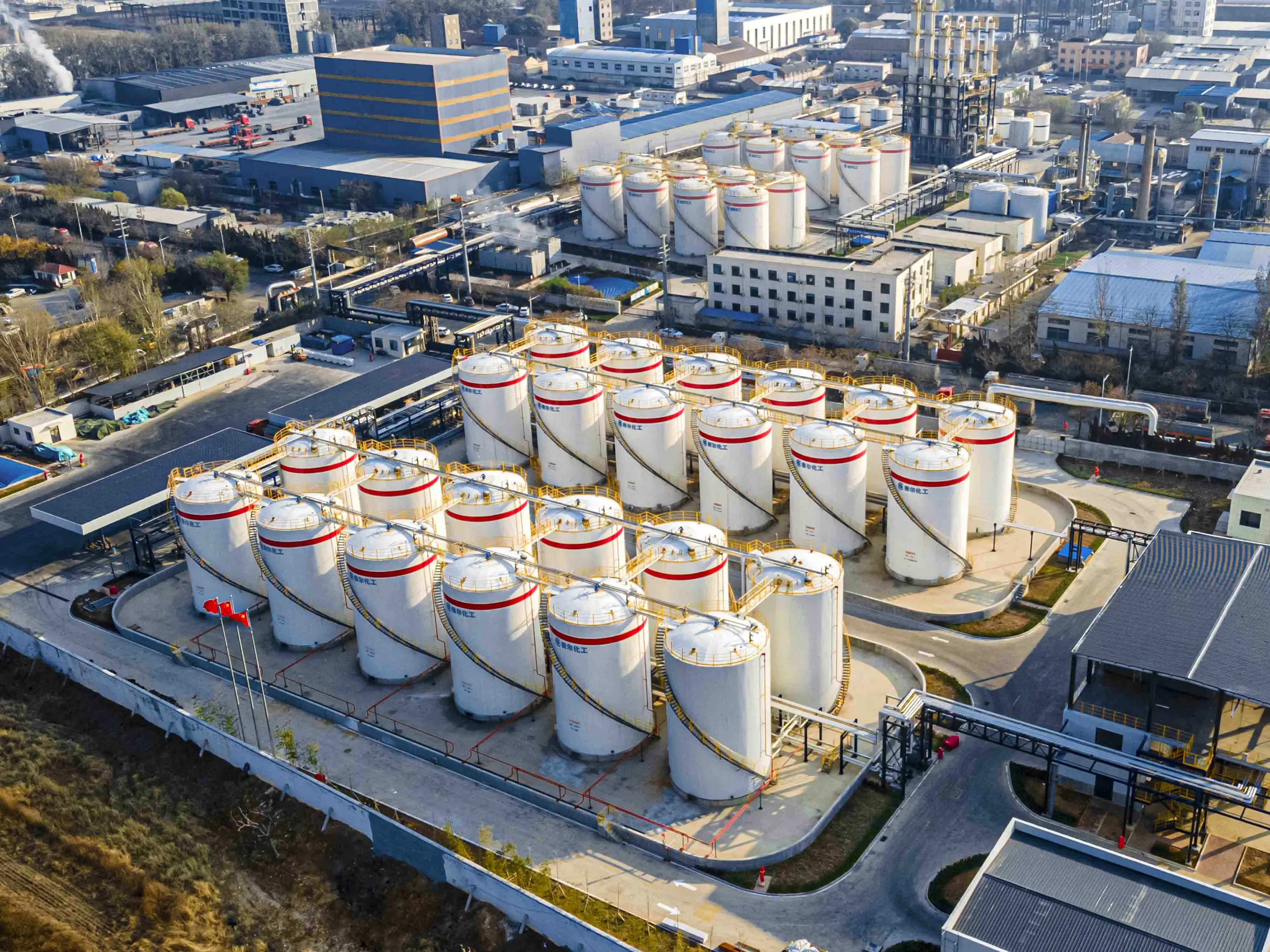
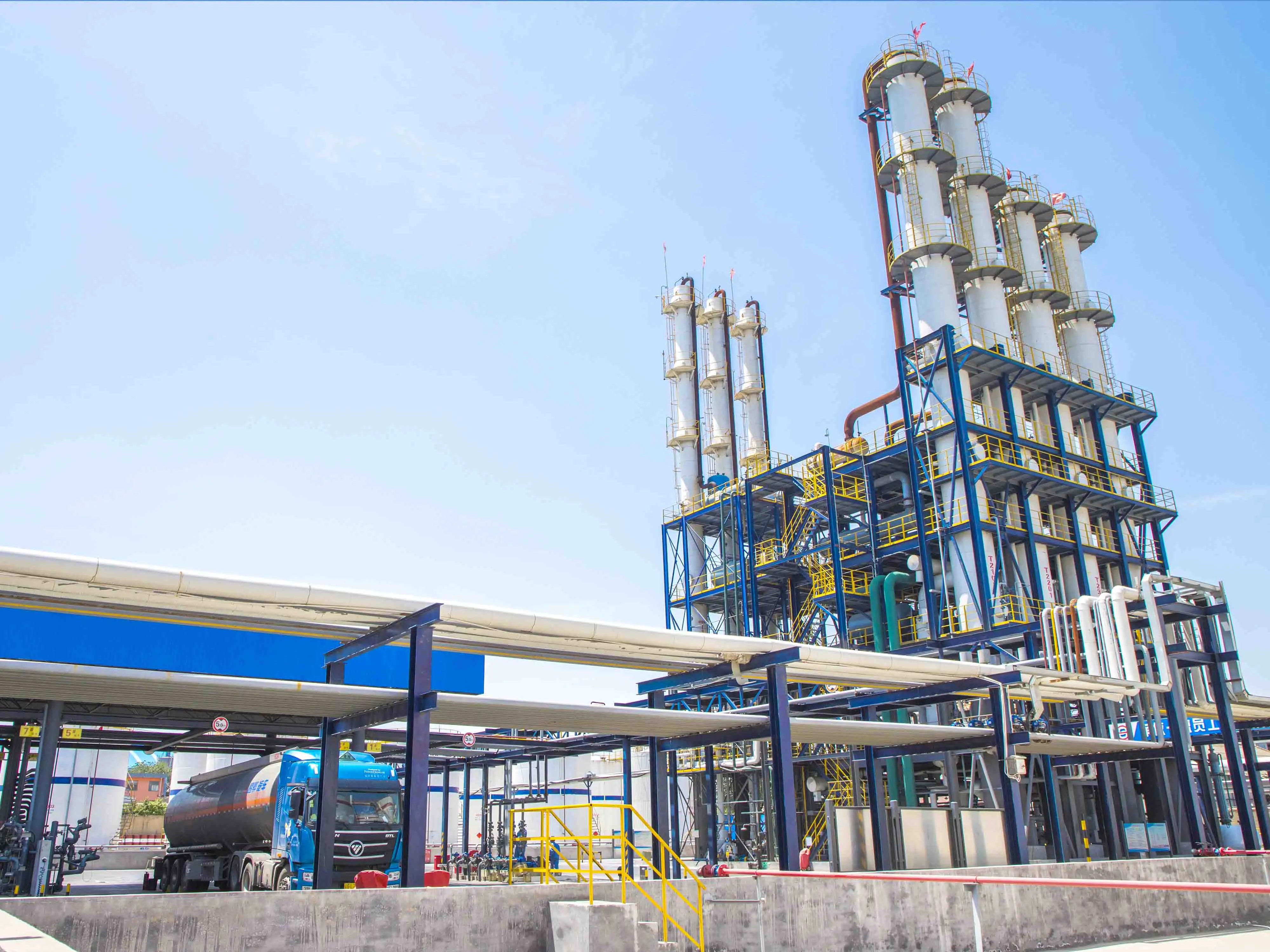
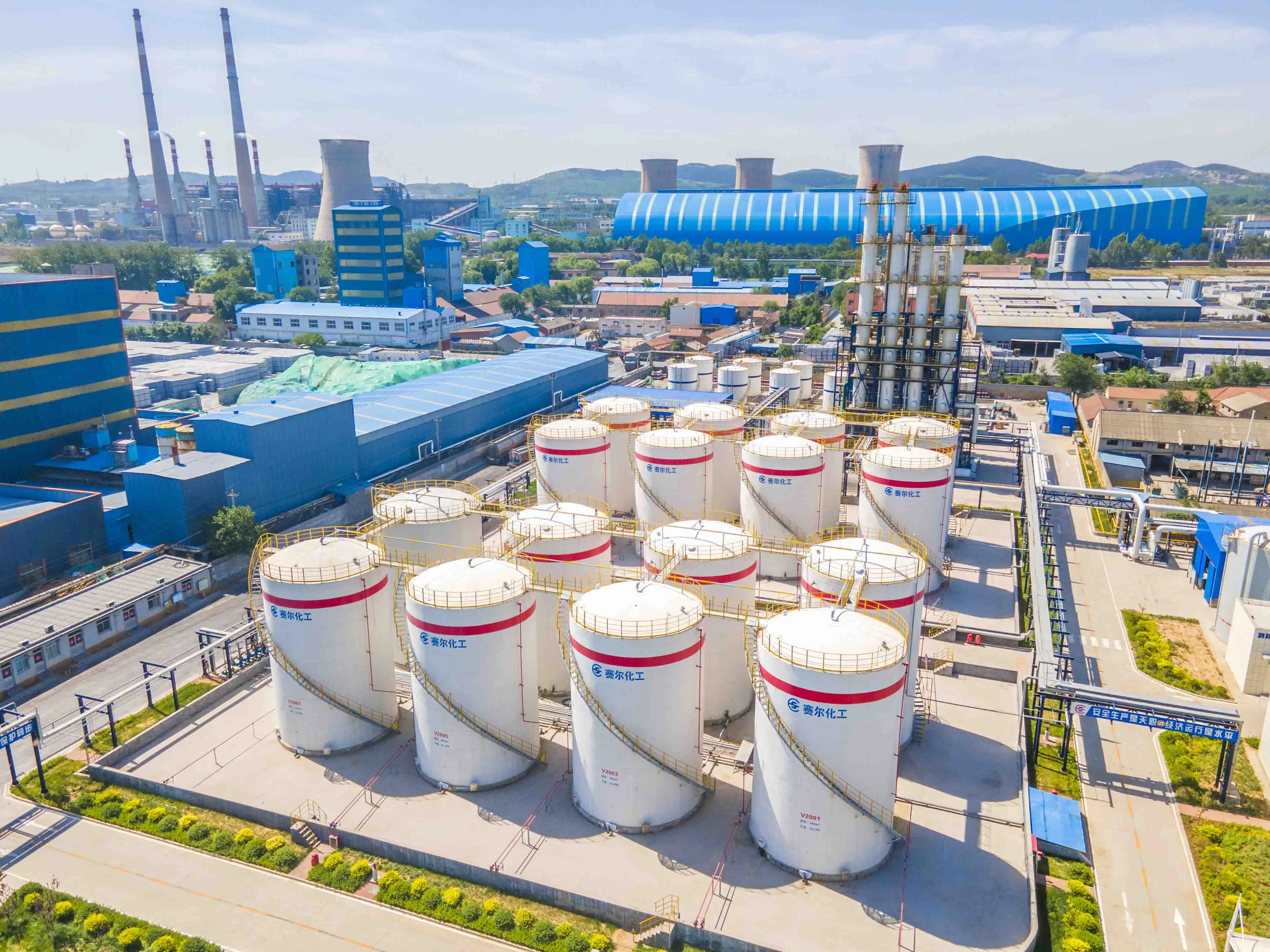
Operating inside the Qilu Chemical Industrial Park, Zibo City, Shandong Province, Shandong Saier Chemical has optimized its production processes to achieve an annual throughput capacity of 720,000 tons. The facility uses computerized column heating control, which ensures precise narrow-cut distillation. This approach prevents overlapping boiling fractions, guaranteeing that the delivered Kocosol 100 possesses a stable evaporation profile and a consistent flash point.
By integrating smart thermal management systems, Saier Chemical has reduced its overall energy usage per unit of solvent output, earning recognition as a national high-tech enterprise. This operational efficiency translates directly into cost advantages and supply reliability for global procurement partners.
The adaptability of Kocosol 100 across varied environments makes it a standard fluid in several industrial sectors:
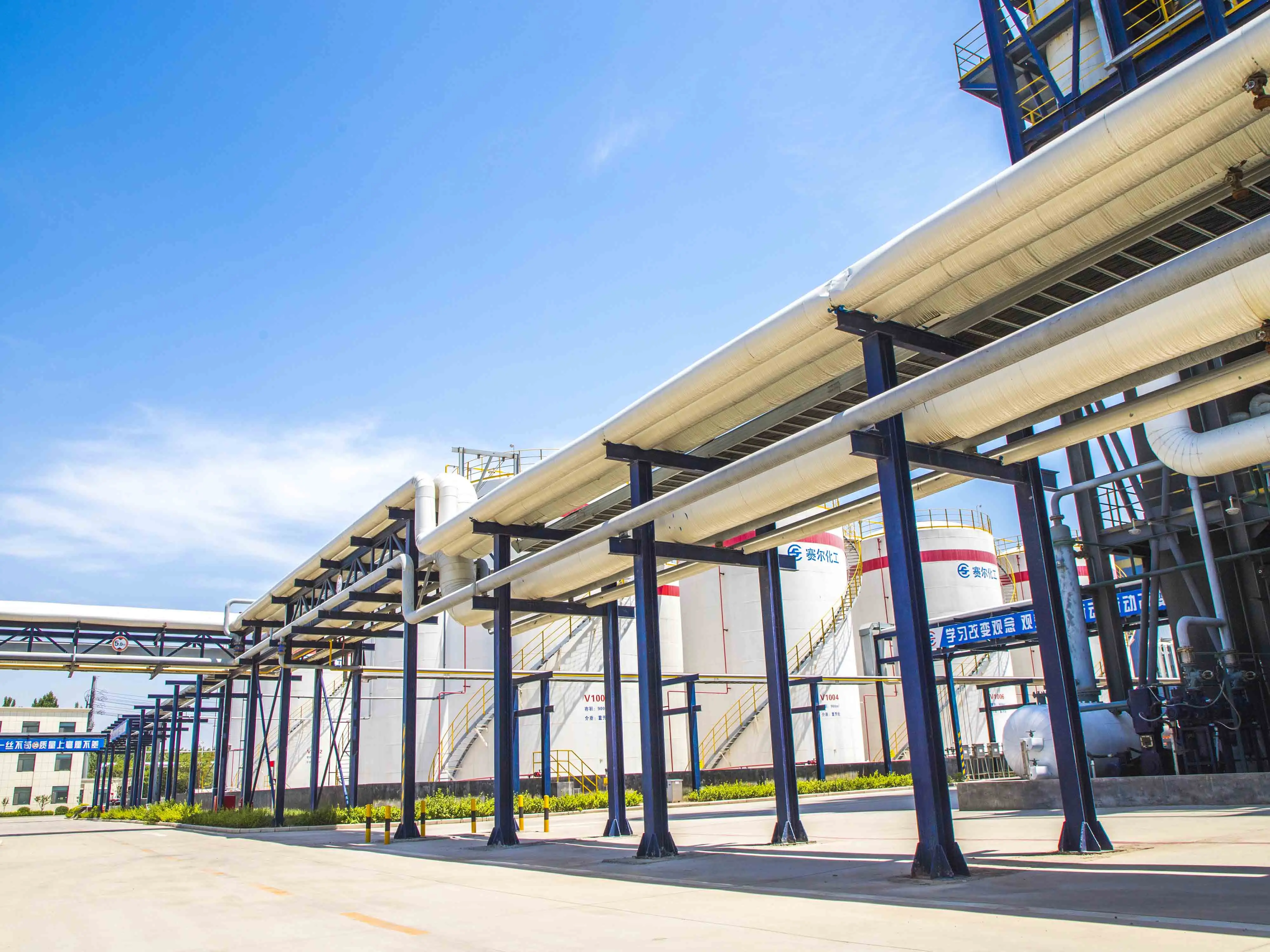
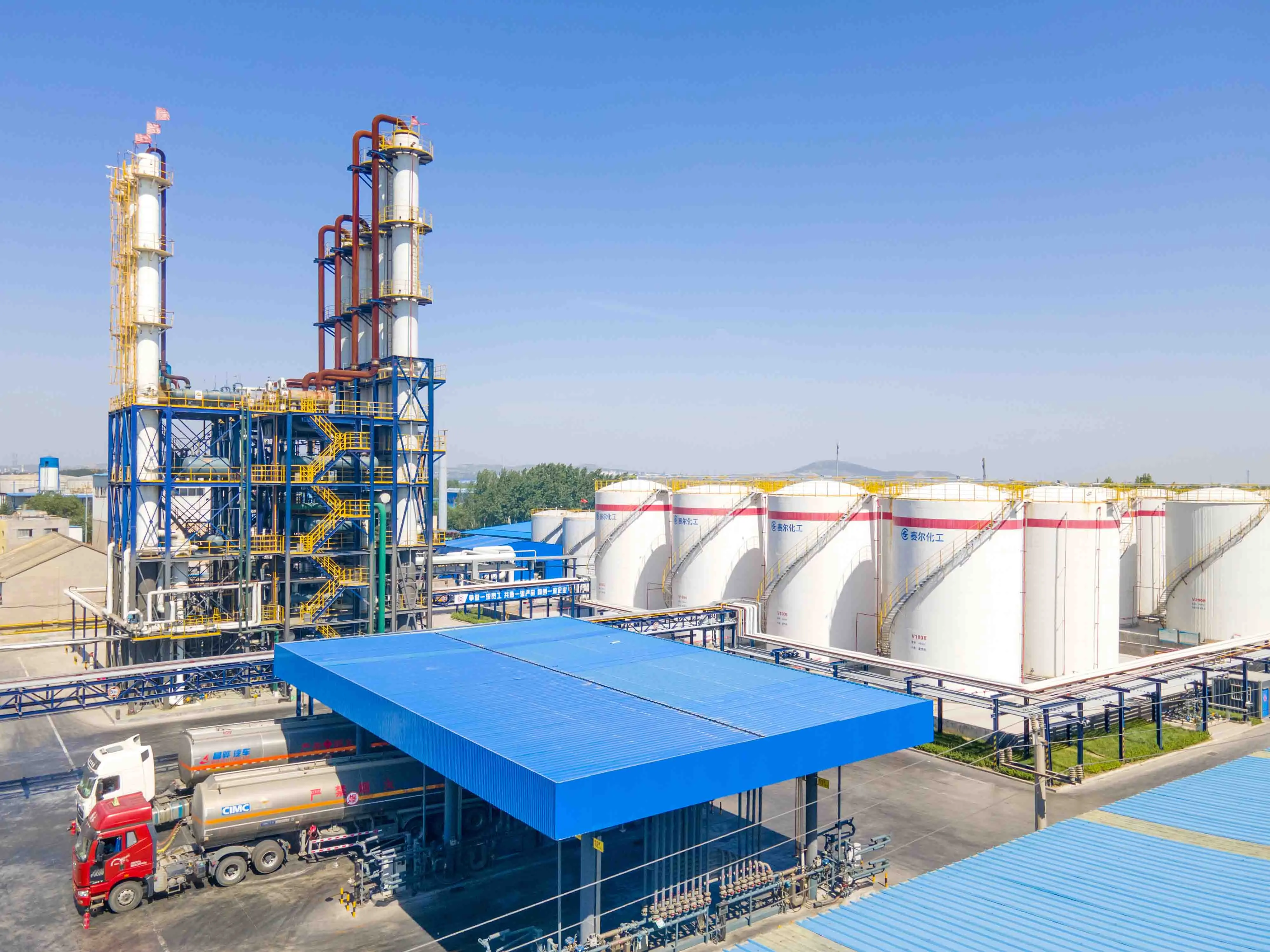
Through regular process audits, continuous technological innovation, and strategic partnerships, Shandong Saier Chemical maintains its position as a leading global manufacturer.
Get direct support from our technical engineers regarding formulation compatibility, specification sheets, and wholesale contract pricing options.
Providing high-purity chemical components for agricultural, industrial, and coating applications worldwide.
 Saier Chemical