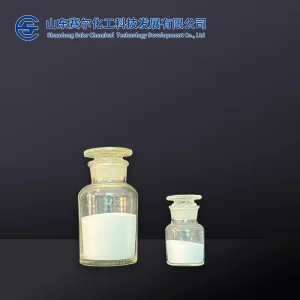
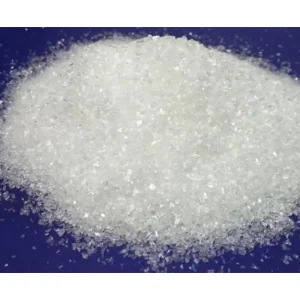
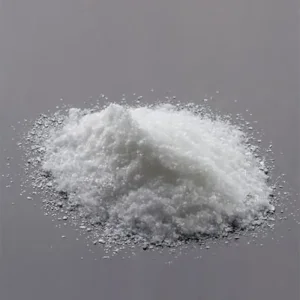
Direct supply from our refining & synthesis complexes. Preserving all product portfolios.
Aromatic Solvent 150, chemically designated as a high-boiling aromatic hydrocarbon mixture (primarily C10-C12 compounds), is a cornerstone diluent and process agent in global industrial chemistry. Formulated under strict catalytic conditions and multi-stage fractional distillation, it is defined by its high boiling point range (179°C–214°C) and exceptional solvency.
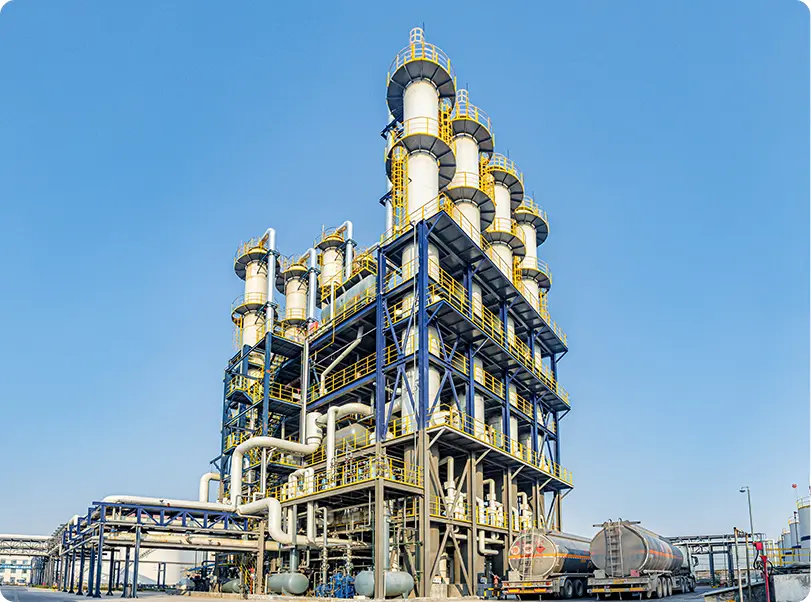
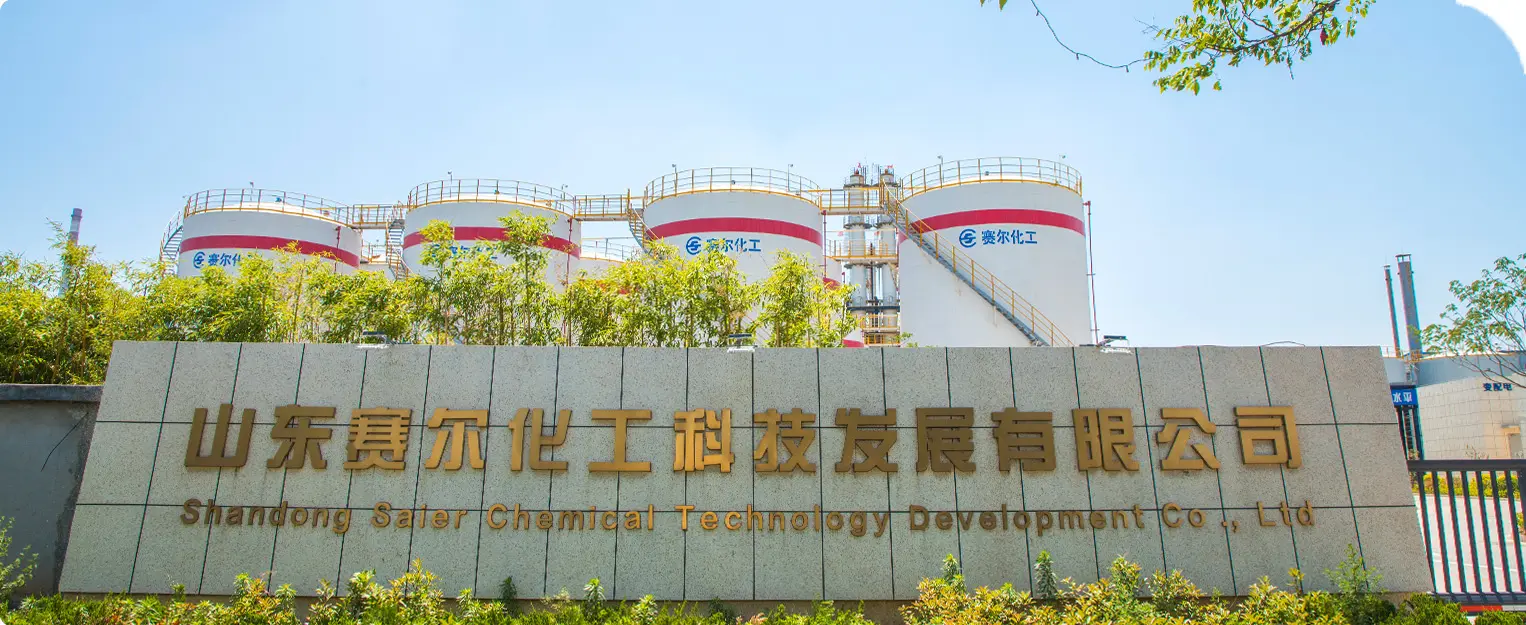
At Shandong Saier Chemical Technology Development Co., Ltd., founded in December 2004 and integrated within Zibo’s Qilu Chemical Industrial Park, we refine raw C10 fractions using state-of-the-art distillation technology. Through partnerships with industry leaders like Sinopec and PetroChina, our 720,000 tons/year production setup ensures strict compliance with domestic and international safety standards.
| Typical Parameters | Solvent 150 | Solvent 150 ND (Naphthalene Depleted) |
|---|---|---|
| CAS Registry Number | 64742-94-5 | 64742-94-5 |
| Boiling Range (°C) | 179 – 214 | 181 – 209 |
| Flash Point (PMCC, °C) | Min 62 | Min 63 |
| Aromatic Content (vol%) | Min 99.0 | Min 99.0 |
| Naphthalene Content (wt%) | 6.0 – 10.0 | Max 0.9 (Low Naphthalene) |
| Density @15°C (g/ml) | 0.890 – 0.910 | 0.885 – 0.905 |
Analyzing key dynamics across the global agricultural, industrial coatings, and energy processing sectors.
In the global agricultural sector, Solvent 150 acts as a highly effective carrier for emulsifiable concentrates (EC). Its high solvency enables the dissolution of active crop protective compounds, maintaining emulsion stability under diverse weather conditions.
Used in automotive OEM coatings, coil coatings, and general industrial finishes. Its high boiling point controls the evaporation rate, preventing surface defects like pinholing, bubbling, and orange peel while curing.
Acts as a process solvent and flow improver in oilfield chemical formulations, drag reducers, and heavy fuel additives. Its low freezing point prevents crystallization during low-temperature oil transport.
Industrial demands vary significantly by region. In North America and Europe, stringent EPA and REACH rules drive the shift toward naphthalene-depleted (ND) versions like Solvent 150 ND to minimize hazardous emissions.
In contrast, high-growth agricultural regions across Latin America and Asia-Pacific require cost-effective, high-solvency formulations to support large-scale crop management.
Our technical support team helps customize blends for specific local parameters, adjusting flash points and distillation curves to align with regional environmental rules and application equipment.
How we utilize advanced petrochemical refining and separation technologies to minimize ecological footprints.
Traditional high-boiling aromatic solvents contain up to 10% naphthalene, a compound classified under GHS as a potential carcinogen. Our development roadmap prioritizes deep de-naphthalenization processes.
By using multi-column fractional separation, we reduce naphthalene levels to under 0.9 wt% (and down to 0.1 wt% for ultra-pure applications) in our S150ND line. This maintains high solvency while helping clients avoid hazard labeling on their end products.
Located in Zibo City's Qilu Chemical Industrial Park, Shandong Saier Chemical Technology Development Co., Ltd. benefits from excellent raw material integration. We source feedstocks from Sinopec, PetroChina, ChemChina, Zhejiang Petrochemical, and Hengli Petrochemical.
Our direct pipelines and proximity to Qingdao Port minimize logistical delays. We offer flexible shipping options, including ISO tanks, bulk vessels, and 200L steel drums.
Our operations utilize DCS-controlled continuous rectification lines and strict QA/QC testing, ensuring consistent product batches that meet international standards.
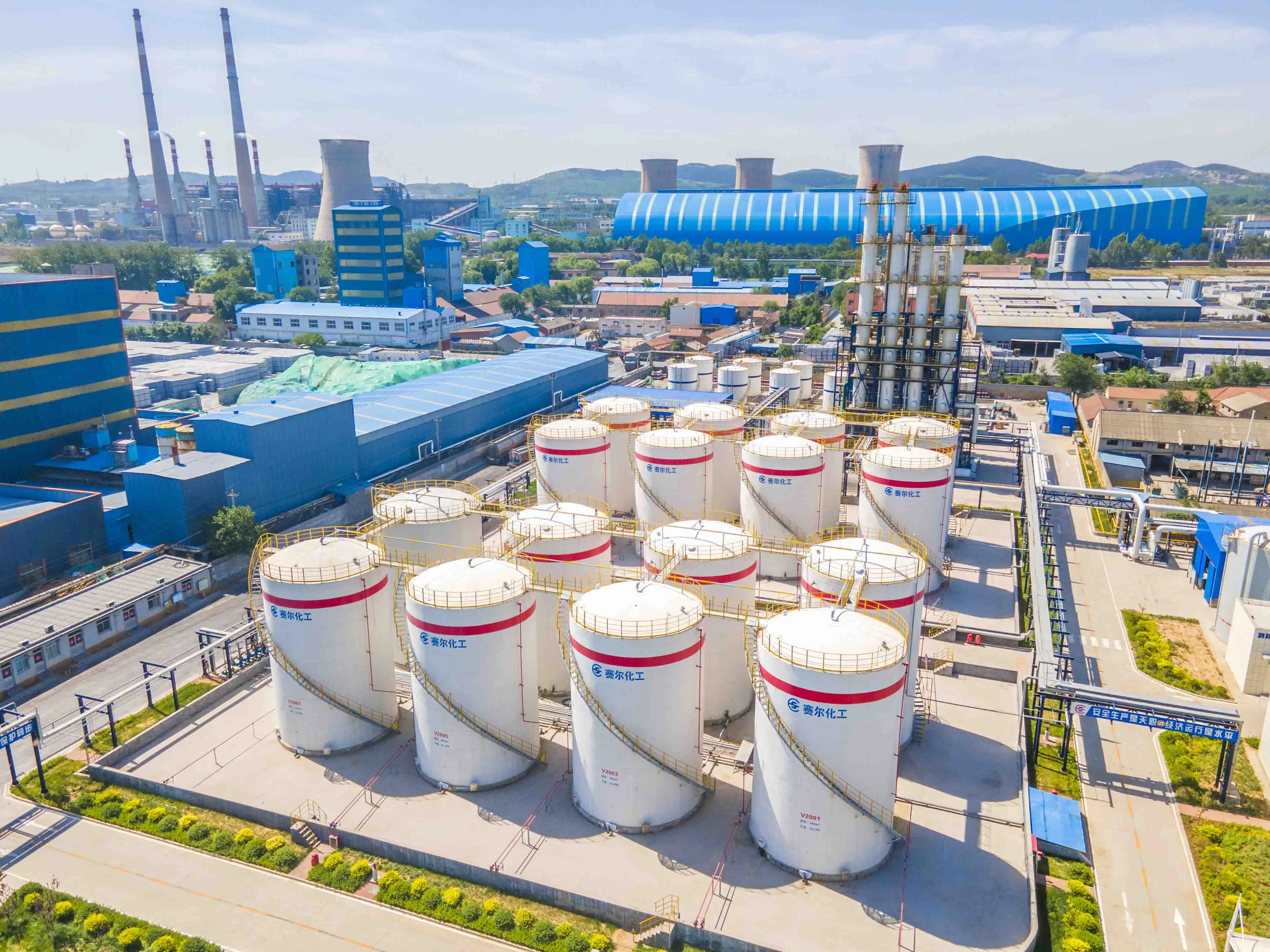
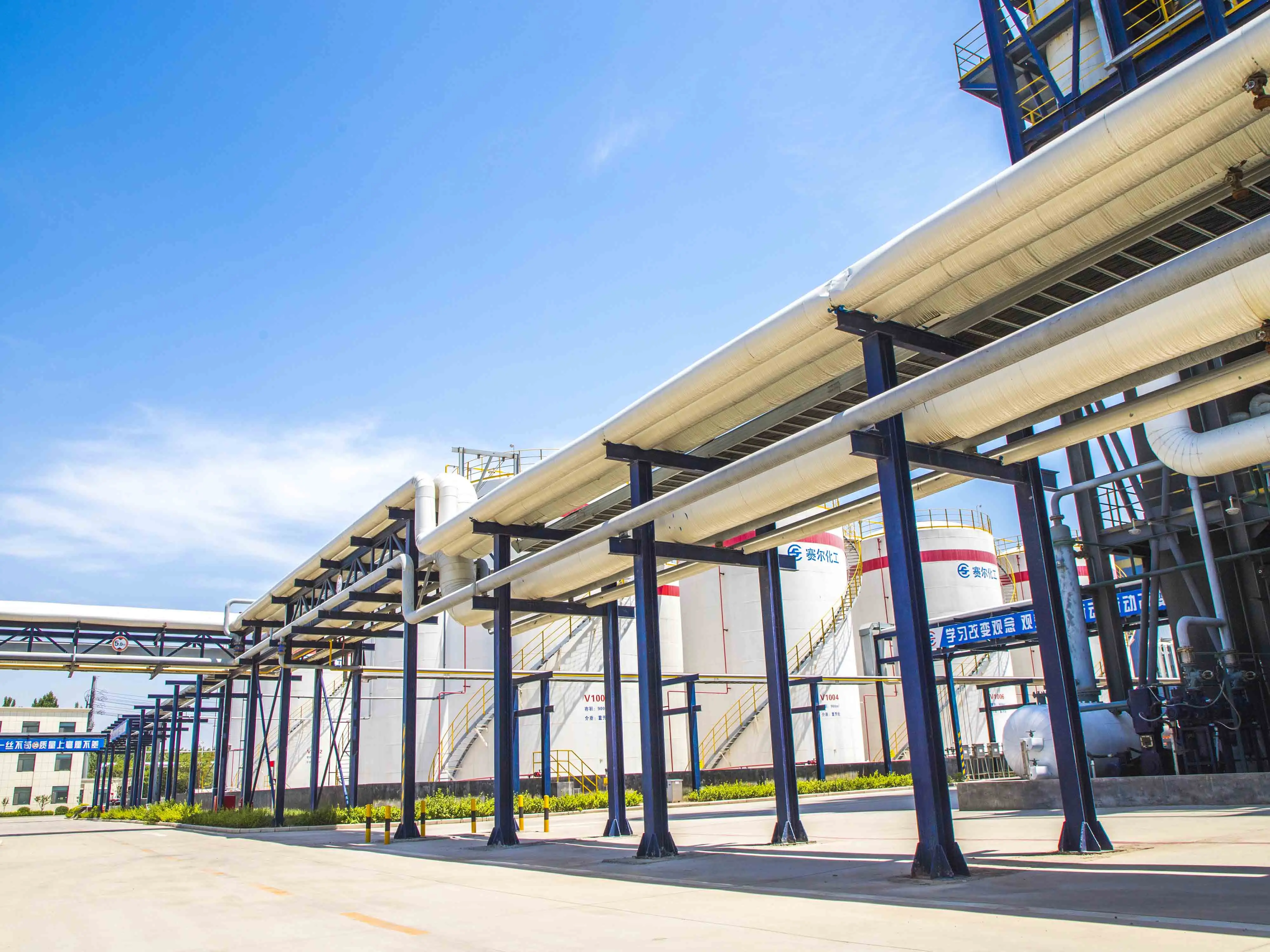
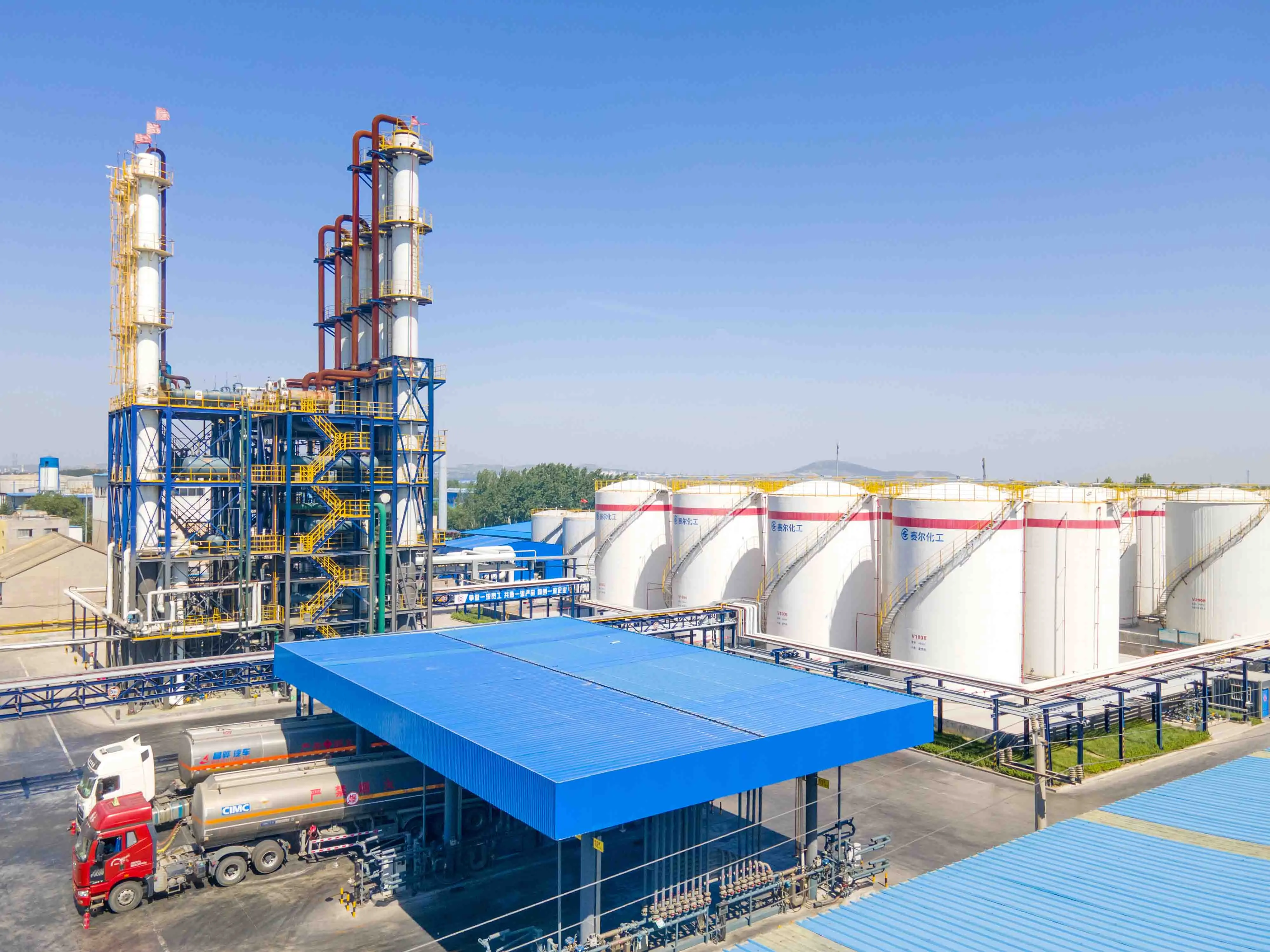
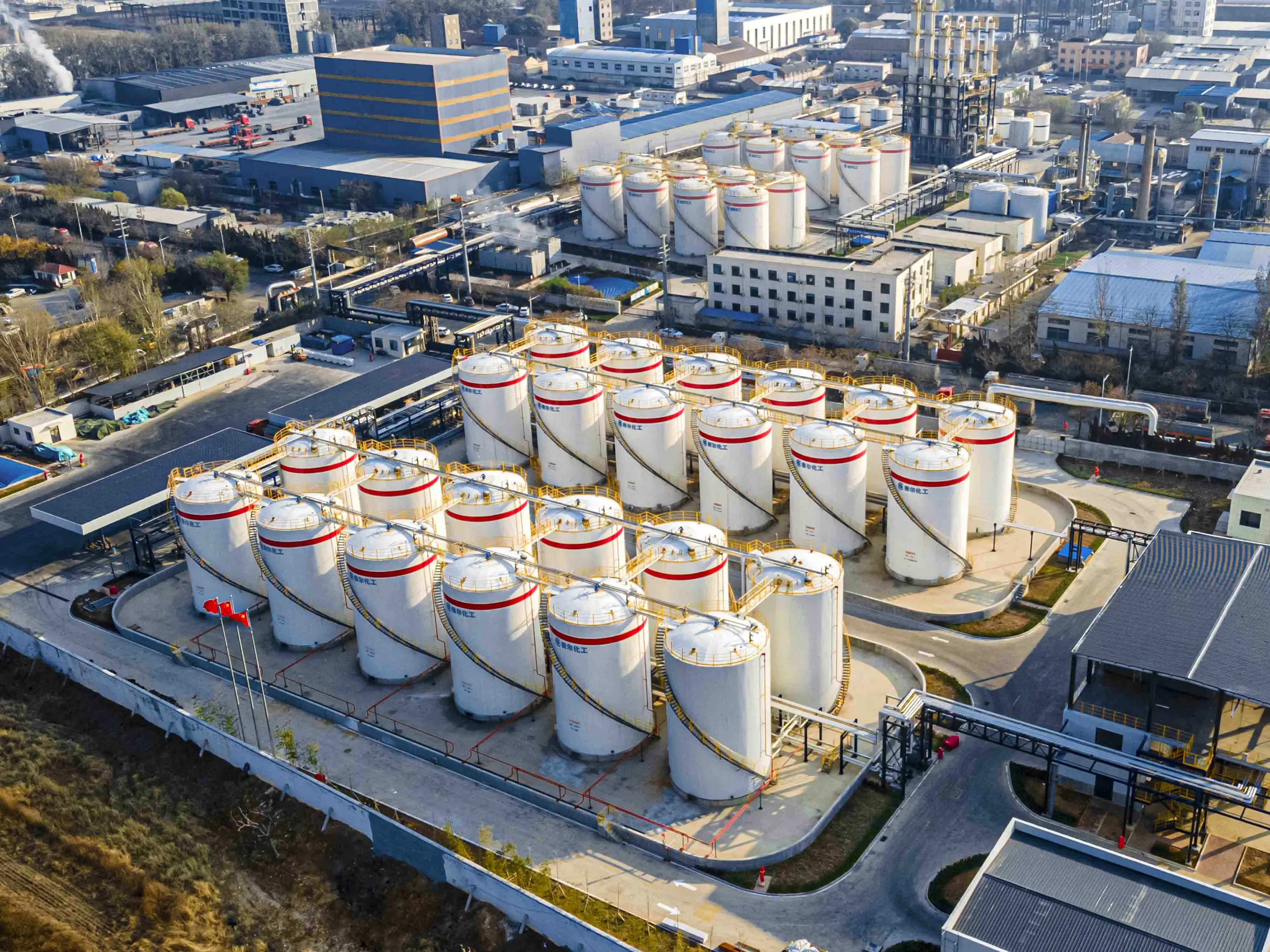
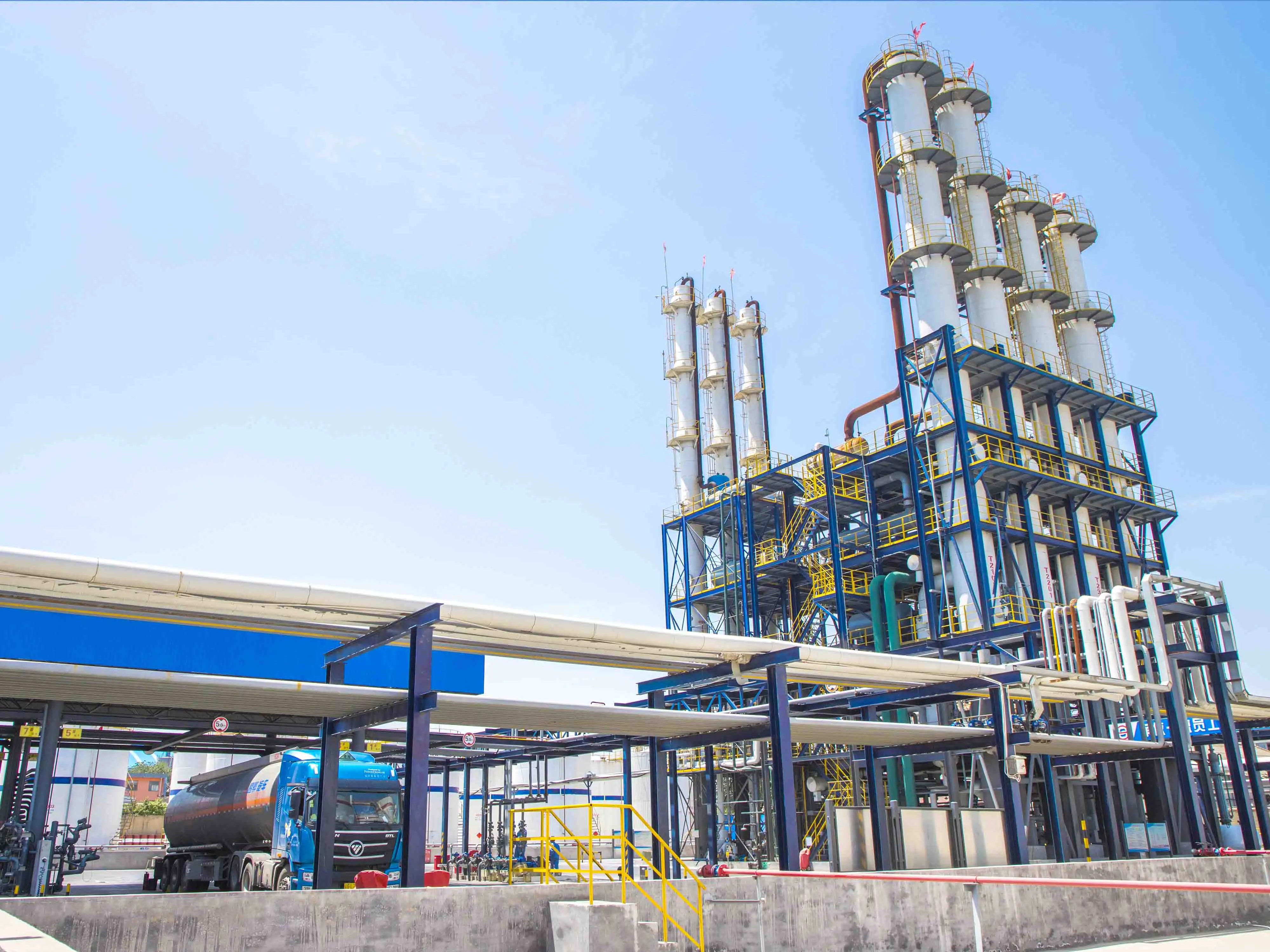
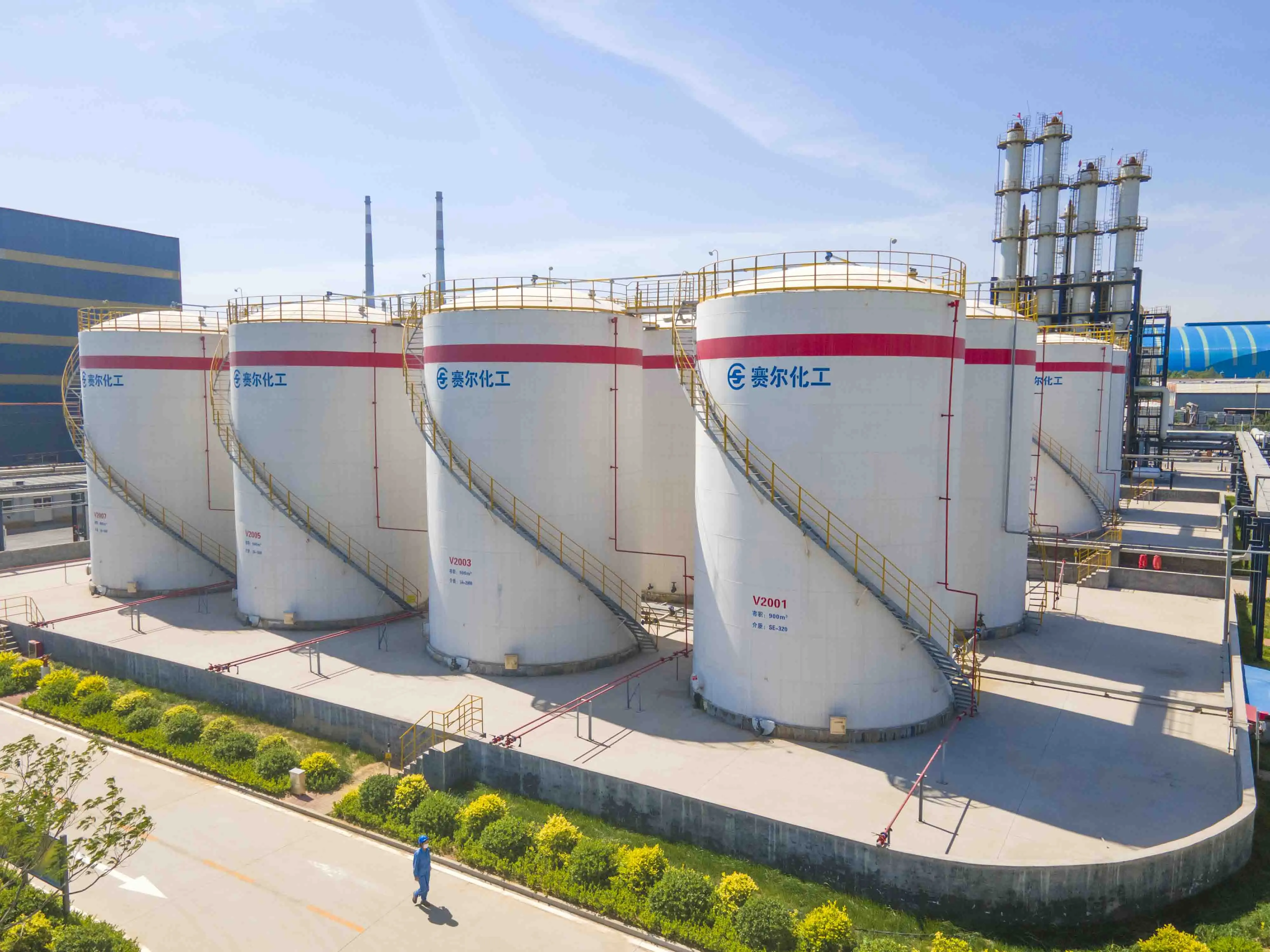
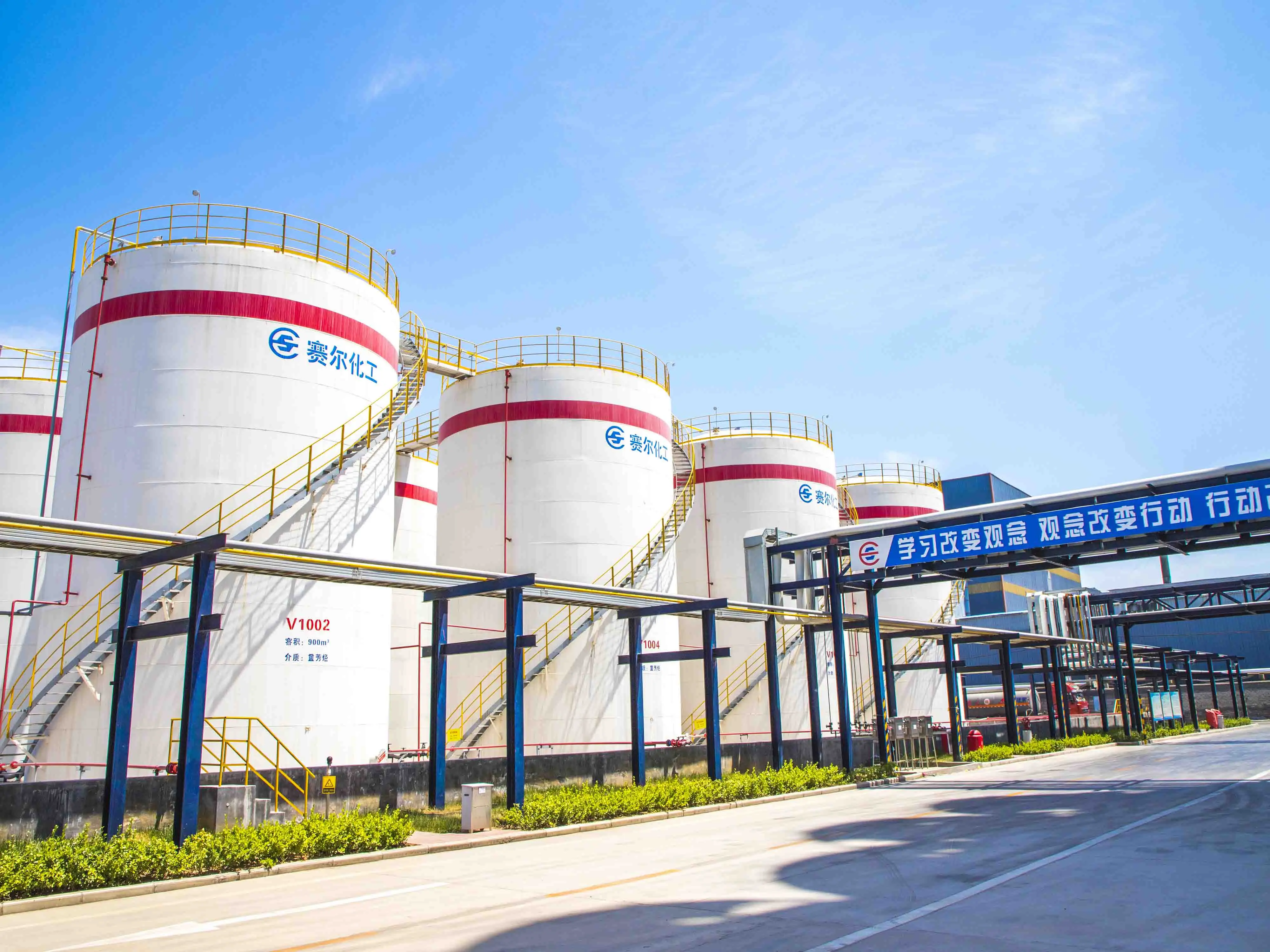
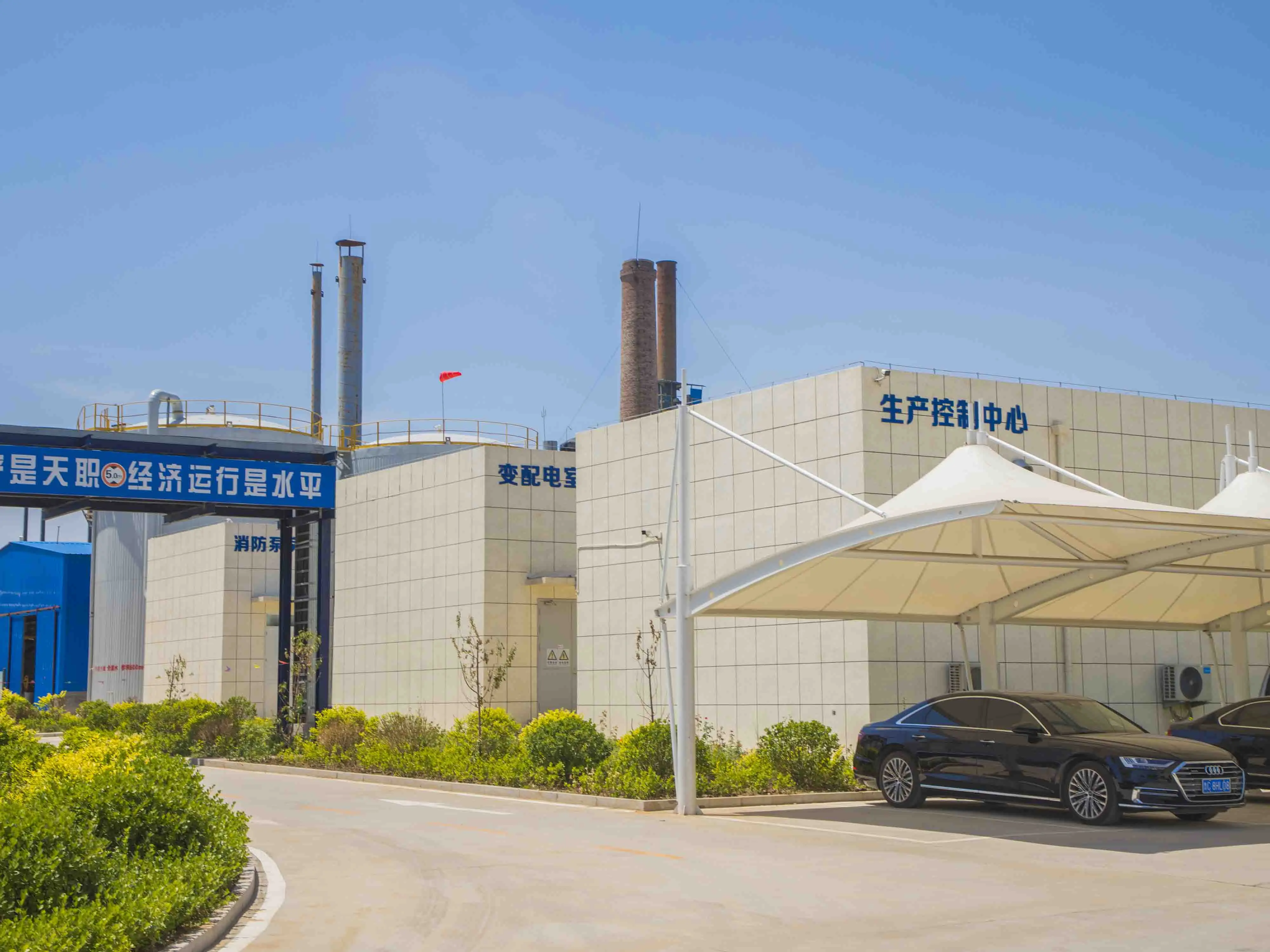
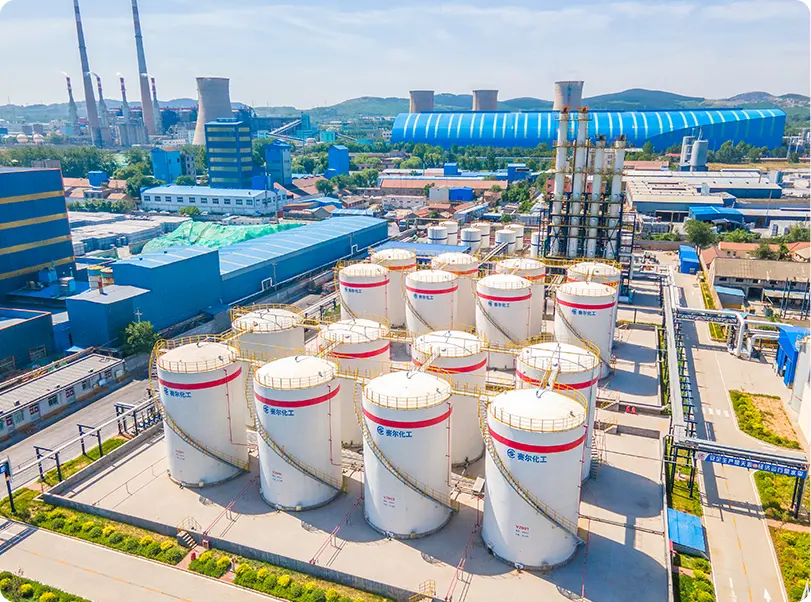
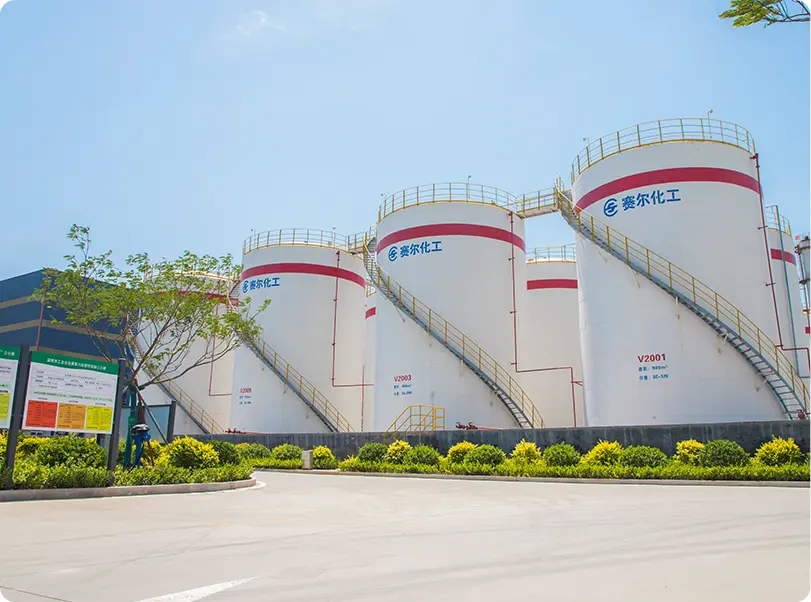
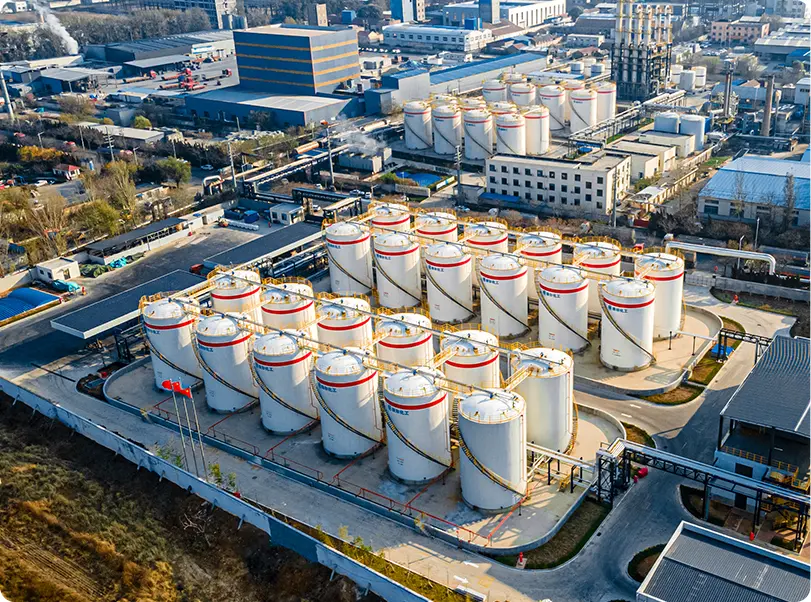
Showcasing our processing units and target markets.
Expert insights on safety, specifications, and applications.
Aromatic Solvent 150 (CAS No. 64742-94-5) is a complex combination of hydrocarbons obtained from the distillation of aromatic streams. It consists predominantly of aromatic hydrocarbons having carbon numbers predominantly in the range of C10 through C12. It contains alkylbenzenes, naphthalene, and methylnaphthalenes, with an aromatic content of at least 99 vol%.
Standard Solvent 150 typically contains 6% to 10% naphthalene by weight. Solvent 150 ND (Naphthalene Depleted) goes through a secondary fractionation process to reduce the naphthalene content to under 0.9 wt% (and sometimes under 0.1 wt%). This reduction minimizes health hazards, allowing formulations to avoid classification as potential carcinogens (GHS category 2).
The Kauri-Butanol value measures solvency power. Solvent 150 features a high KB value (typically >90) compared to aliphatic solvents (which average 30–40). This allows it to dissolve tough resins, polymers, and active agrochemical ingredients without requiring large amounts of secondary solvents.
Our products undergo testing to ensure compliance with REACH (Registration, Evaluation, Authorization and Restriction of Chemicals) for the European market, US EPA guidelines, and RoHS criteria. We provide complete Safety Data Sheets (SDS) and Certificates of Analysis (COA) for every shipment.
For inquiries regarding technical specifications, bulk pricing, or custom formulation requests, please submit the form below. Our chemical experts will respond within 24 hours.
Ensuring complete catalog availability and high product diversity.
 Saier Chemical