High-purity monomers, specialty solvents, and reactive diluents engineered for industrial adhesive formulations.
An Analysis of Chemical Matrix Synthesis, High-Purity Solvents, and Next-Generation Polymer Bonding Systems
The global industrial adhesives sector is undergoing a profound structural shift driven by modern engineering requirements: structural lightweighting in automotive manufacturing, micro-miniaturization in semiconductor packaging, renewable energy infrastructure durability, and stringent global low-VOC (Volatile Organic Compounds) compliance standards. To achieve high lap-shear strength, thermal endurance, moisture resistance, and mechanical elasticity, chemical formulators no longer rely on standardized raw materials. Instead, they demand high-purity chemical building blocks, reactive intermediates, and narrow-boiling aromatic solvents engineered for precise molecular interaction.
As a primary manufacturer and specialized global supplier, Shandong Saier Chemical Technology Development Co., Ltd. (founded in December 2004 with a registered capital of 60 million RMB) occupies a pivotal role in this international supply chain. Operating within the world-renowned Qilu Chemical Industrial Park in Linzi, Zibo City, Shandong Province, Saier Chemical bridges the gap between massive petrochemical refining bases and high-precision adhesive compounding laboratories worldwide.
Modern structural adhesives (polyurethanes, epoxies, acrylics, and silane-modified polymers) require exact carrier evaporation profiles and high-solvency power without degrading sensitive polymer backbones. Saier Chemical’s proprietary continuous distillation technologies yield aromatic solvent cuts (S-100 through S-200) with ultra-low naphthalene content and specialized cycloaliphatic/adamantane building blocks (such as 1,3-Dimethyladamantane CAS 702-79-4) that elevate glass transition temperatures ($T_g$) beyond 220°C.
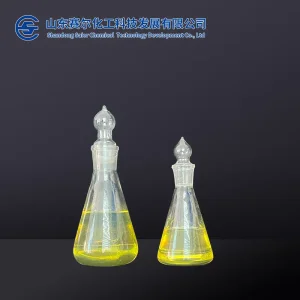
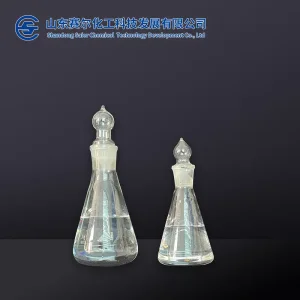
High-boiling aromatic naphtha cuts (S-100, S-150, S-180, S-200) provide uniform drying rates, excellent resin compatibility, and superior wetting properties on low-energy substrates.
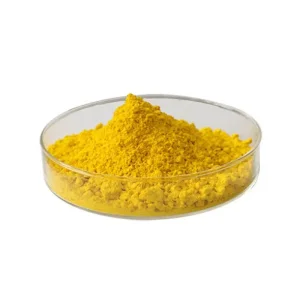
Monomers like Durene (1,2,4,5-Tetramethylbenzene) and 9-Fluorenone serve as vital predecessors for polyimides, high-temperature epoxies, and optical-grade encapsulants.
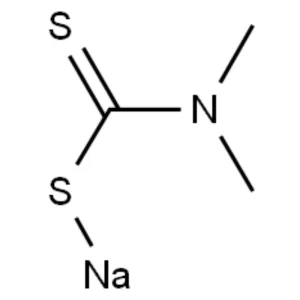
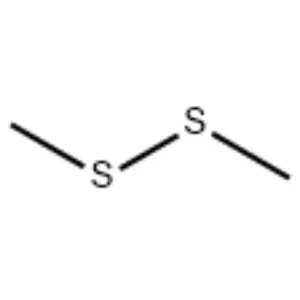
Specialty sulfur compounds such as Sodium dimethyldithiocarbamate and Dimethyl disulfide act as precise vulcanization accelerators and polymerization modifiers.
Chemical Mechanisms, Hydrolytic Control, and Thermal Stabilization Strategies
In solvent-borne rubber, acrylic, and polyurethane adhesives, the solvent balance dictates pot life, open time, and film formation. Saier Chemical’s aromatic solvents (TOPSOL / KOCOSOL series) provide high solvency power ($KB$ values > 90), allowing formulators to increase solid resin concentrations while maintaining low application viscosities. This reduces total volatile emissions during customer application while ensuring void-free bond lines.
Incorporating 1,3-Dimethyladamantane into polymer networks introduces a rigid, cage-like cycloaliphatic core. This sterically hindered structure significantly increases glass transition temperatures ($T_g$), enhances resistance to thermo-oxidative degradation, and lowers dielectric constants—critical for 5G microelectronics bonding and aerospace structural adhesives subjected to continuous thermal cycling.
High-purity Durene (1,2,4,5-Tetramethylbenzene CAS 95-93-2) undergoes catalytic oxidation to yield Pyromellitic Di工业 (PMDA), a fundamental building block for polyimide adhesives capable of continuous operation above 300°C. Concurrently, heterocyclic compounds like 1,2,3-1H-Triazole (CAS 288-36-8) act as latent curing catalysts and corrosion inhibitors on metallic substrates.
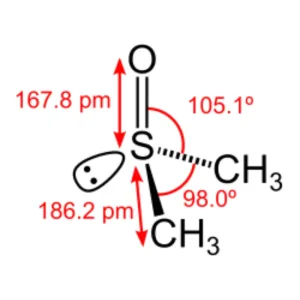
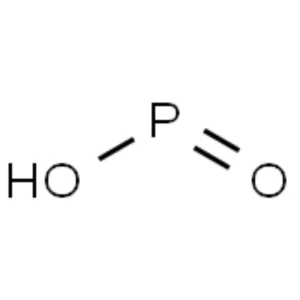
Polyurethane adhesives are inherently vulnerable to premature moisture reaction. Utilizing polar non-protonic solvents such as Dimethyl Sulfoxide (DMSO) and specialized phosphorus derivatives (Hypophosphorous Acid HO2P CAS 6303-21-5) enables chemical stabilization, controlling reaction kinetics and preventing unwanted bubble formation during atmospheric moisture curing.
Integrated Upstream Petrochemical Synergy & Mass-Scale Production Precision
Supply chain continuity is paramount for industrial adhesive manufacturers supplying automotive assembly lines, solar panel laminators, and electronics production facilities. Shandong Saier Chemical operates within a closed-loop industrial ecosystem designed to withstand market volatility and global supply shocks.
Directly connected to refining giants including Sinopec, PetroChina, ChemChina, Zhejiang Petrochemical, and Hengli Petrochemical. Saier Chemical secures primary C9/C10/C12 aromatics and chemical streams with zero raw material latency.
Featuring multi-stage continuous fractionating columns equipped with heat-recovery systems utilizing high-stability Heat Transfer Oil L-QC320. Ensures tight boiling ranges (< 5°C distillation window) and consistent purity batches.
Located in Zibo, Shandong, Saier Chemical offers seamless access to Qingdao and Tianjin deep-water ports. Outfitted for ISO tank containers, flexitanks, and bulk vessel shipments to North America, Europe, and Southeast Asia.
How Global Manufacturers Deploy Saier Chemical Solutions Across Critical Sectors
Electric Vehicle (EV) battery packs and aluminum-to-composite structural body frames require high-shear polyurethane and epoxy structural adhesives. Solvents like Aromatic Solvent S-150ND (Low Naphthalene) provide the high solvency necessary to formulate lightweight crash-durable adhesives while strictly complying with interior VOC and fogging specifications set by European and North American OEMs.
Precision electronics adhesives (underfills, die-attach pastes, and conductive sealants) demand exceptionally low ionic impurities. Utilizing electronic-grade Dimethyl Sulfoxide (DMSO) and high-purity intermediates like 1,3-Dimethyladamantane guarantees minimal moisture absorption, low thermal expansion coefficients, and superior dielectric stability.
Food-grade flexible laminating adhesives require carrier solvents that evaporate completely without leaving residual organoleptic taint or toxic aromatic amines. Saier Chemical’s rectified Aromatic Solvent S-100 offers exceptional drying speed, high clarity, and compliance with global food-contact packaging standards.
Wind turbine blade assembly relies on massive epoxy and polyurethane structural bonds that must endure 25 years of extreme dynamic stress and weather exposure. Intermediates like Durene and specialty thio-compounds enhance matrix crosslinking density, preventing hydrolytic degradation and micro-cracking under severe offshore environments.
National High-Tech Enterprise Engineering Rigor & Analytical Certification
As a recognized National High-Tech Enterprise, Shandong Saier Chemical maintains rigorous quality control infrastructure to fulfill Google E-E-A-T (Experience, Expertise, Authoritativeness, and Trustworthiness) standards. Every production batch undergoes comprehensive testing using state-of-the-art analytical equipment:
All Saier Chemical products comply with EU REACH regulations, TSCA (USA), standard GB/T guidelines in China, and regional VOC emission mandates. Detailed Safety Data Sheets (SDS) according to GHS standards, Certificates of Analysis (COA), and REACH registration documentation are provided with every industrial shipment.
Technical Guidance for Chemical Engineers, Formulators, and Global Procurement Managers
Explore our full line of fine chemical intermediates, high-boiling solvents, and reactive monomers.
Looking for bulk chemical pricing, custom technical specifications, or continuous ISO tank delivery schedules? Contact our global engineering and export sales support team directly.
 Saier Chemical