Explore our premium grade chemical specialties manufactured to meet rigorous international standards for safety, stability, and high performance.
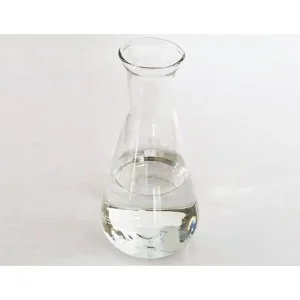
Naphtha petroleum, hydrotreated heavy (CAS No. 64742-48-9) represents a complex, highly engineered combination of hydrocarbons obtained by treating a petroleum fraction with hydrogen in the presence of a catalyst. This specialized chemical class consists predominantly of hydrocarbons having carbon numbers primarily in the range of C6 through C13, and boiling in the range of approximately 65°C to 230°C (149°F to 446°F).
By utilizing high-pressure catalytic hydrodesulfurization, refiners remove organic sulfur, nitrogen, and oxygen impurities while saturating olefinic bonds. The result is an ultra-pure, low-odor, low-toxicity aliphatic solvent characterized by excellent thermal stability, high solvency power, and strict environmental compliance profiles.
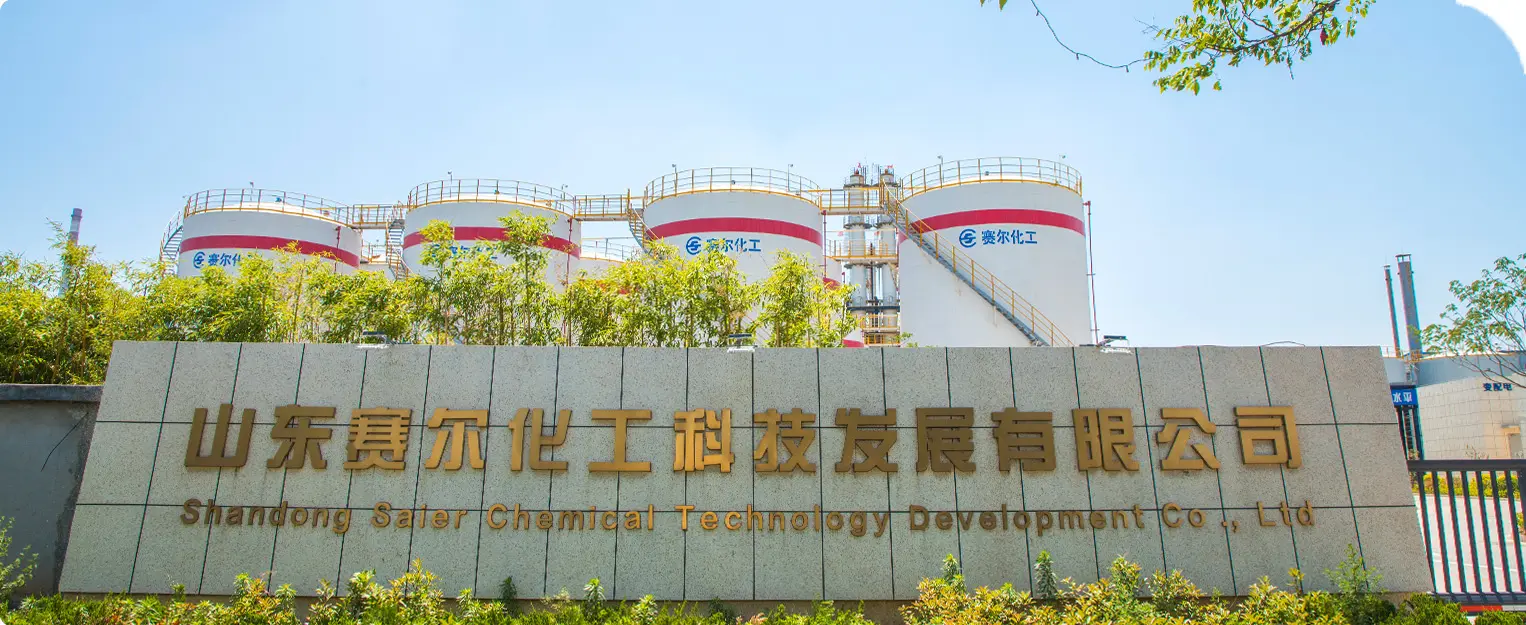
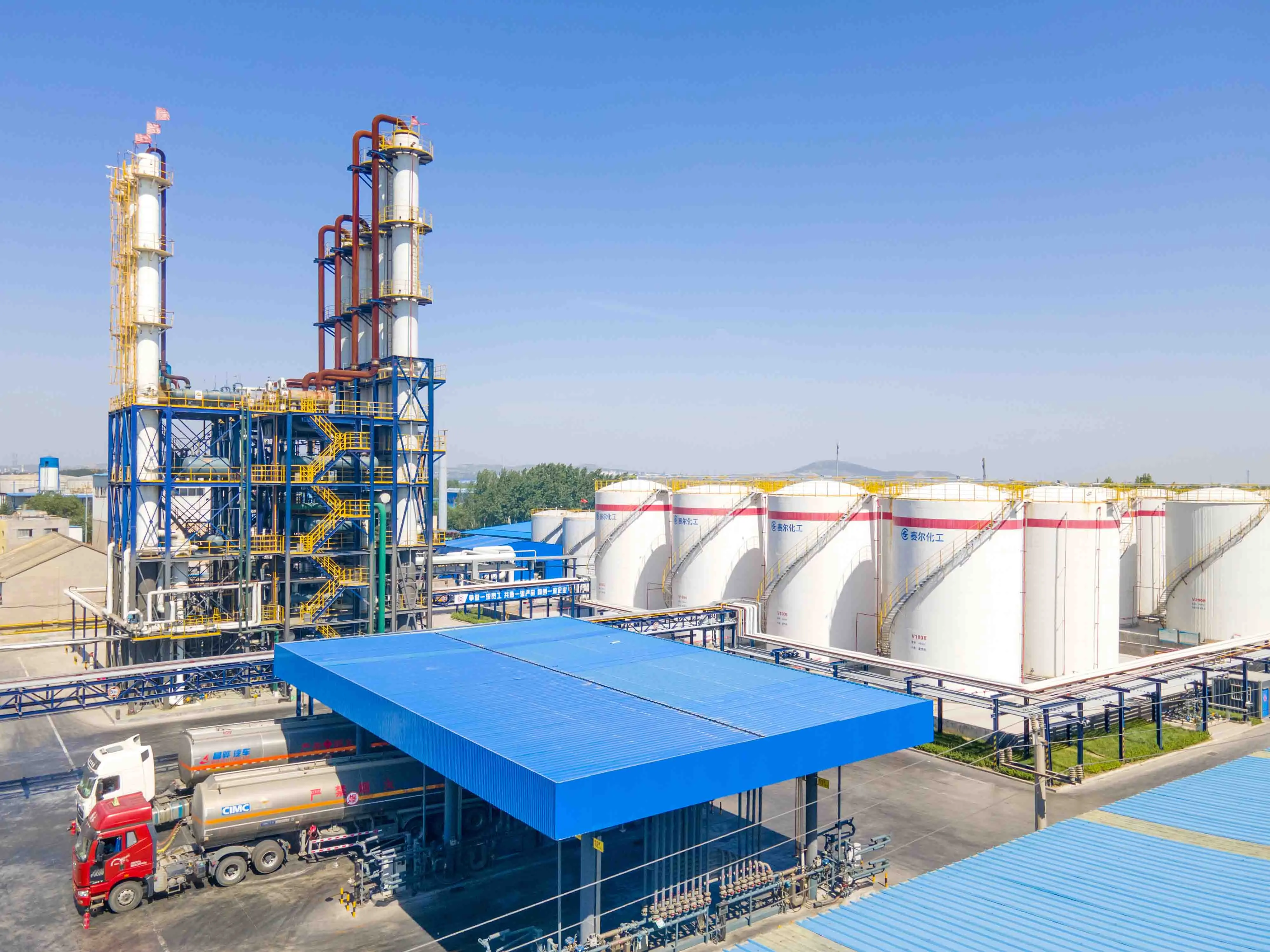
Leveraging continuous rectification and state-of-the-art hydrotreating infrastructure to deliver reliable chemical intermediates worldwide.
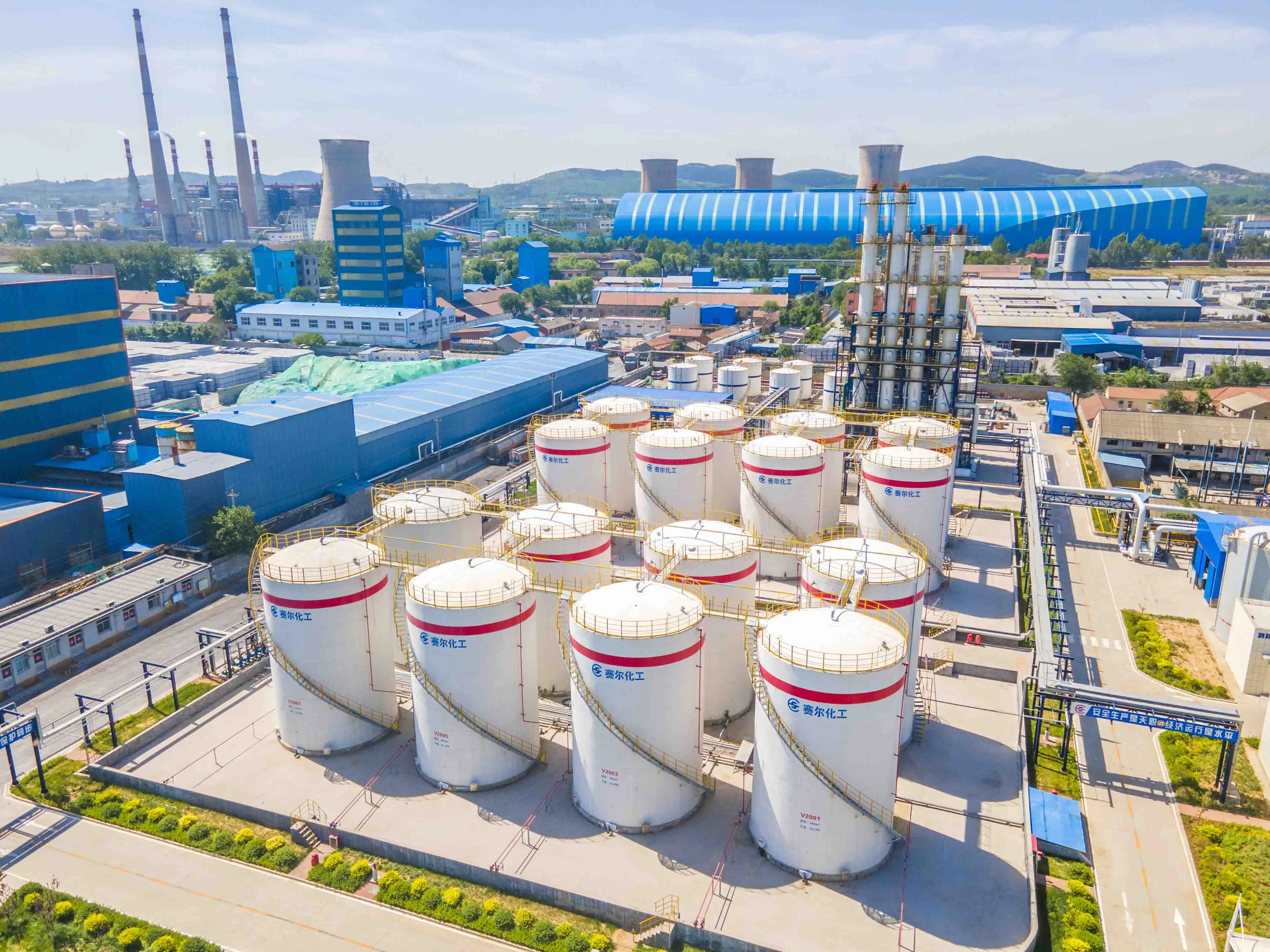
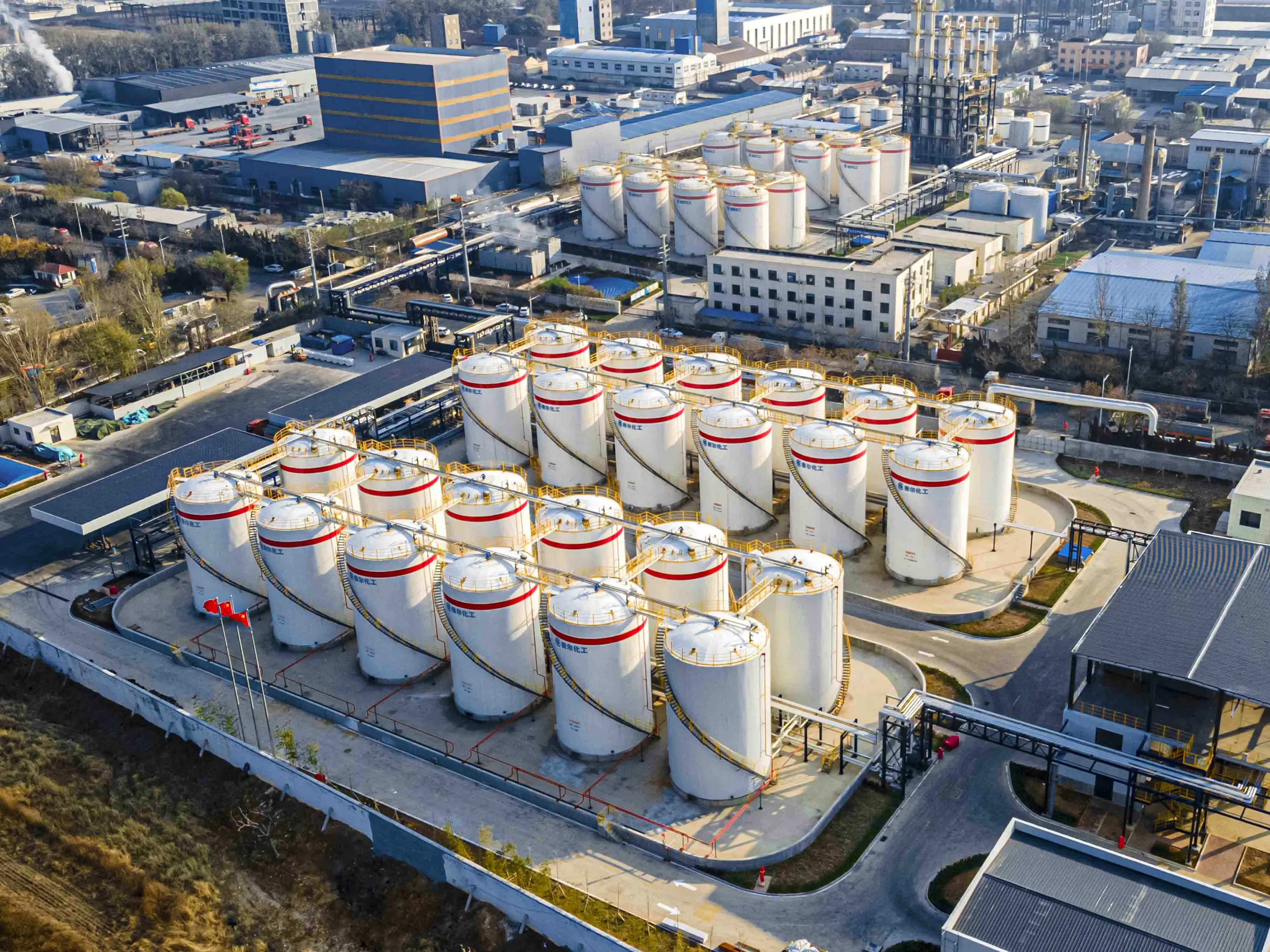
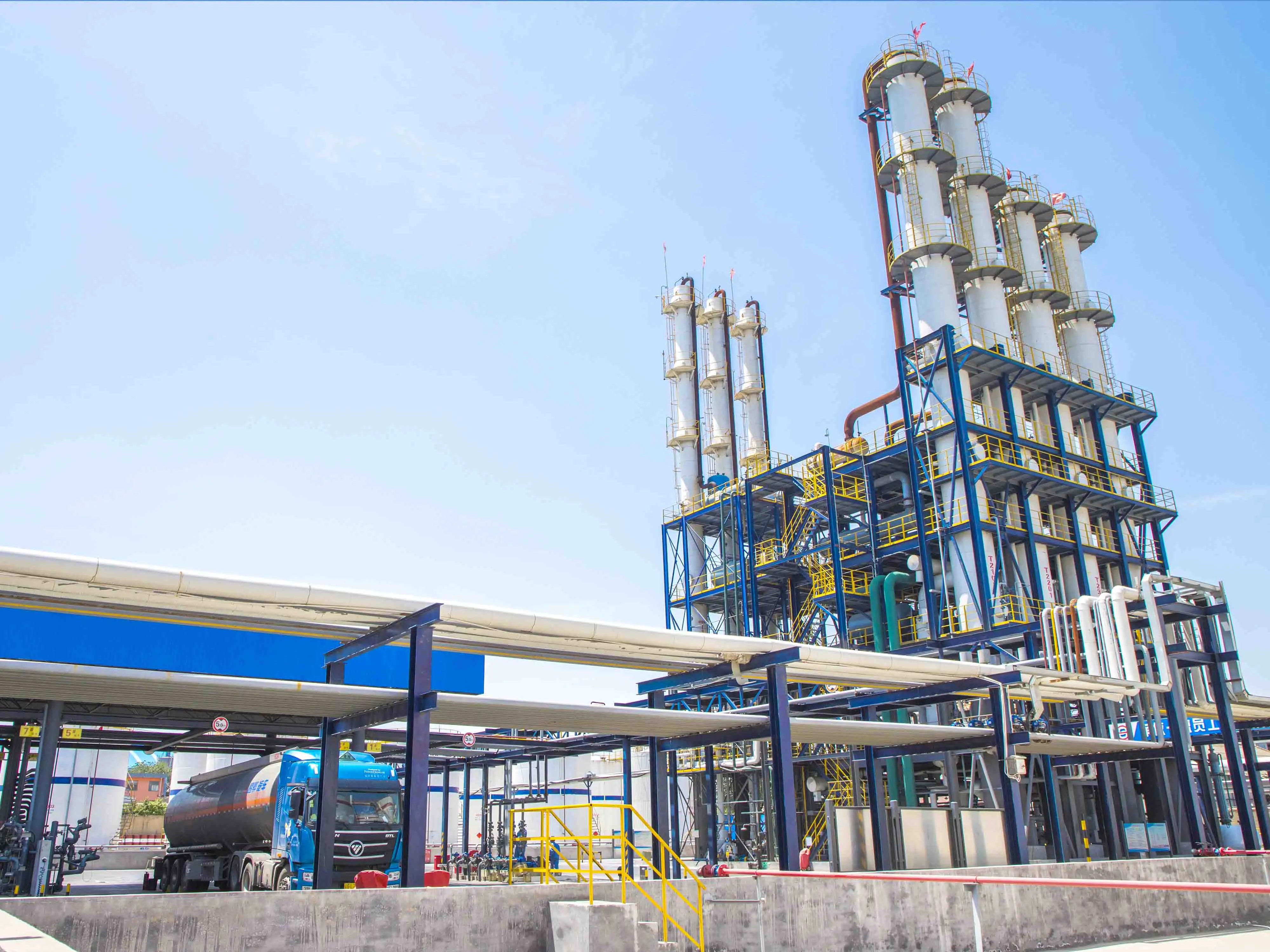
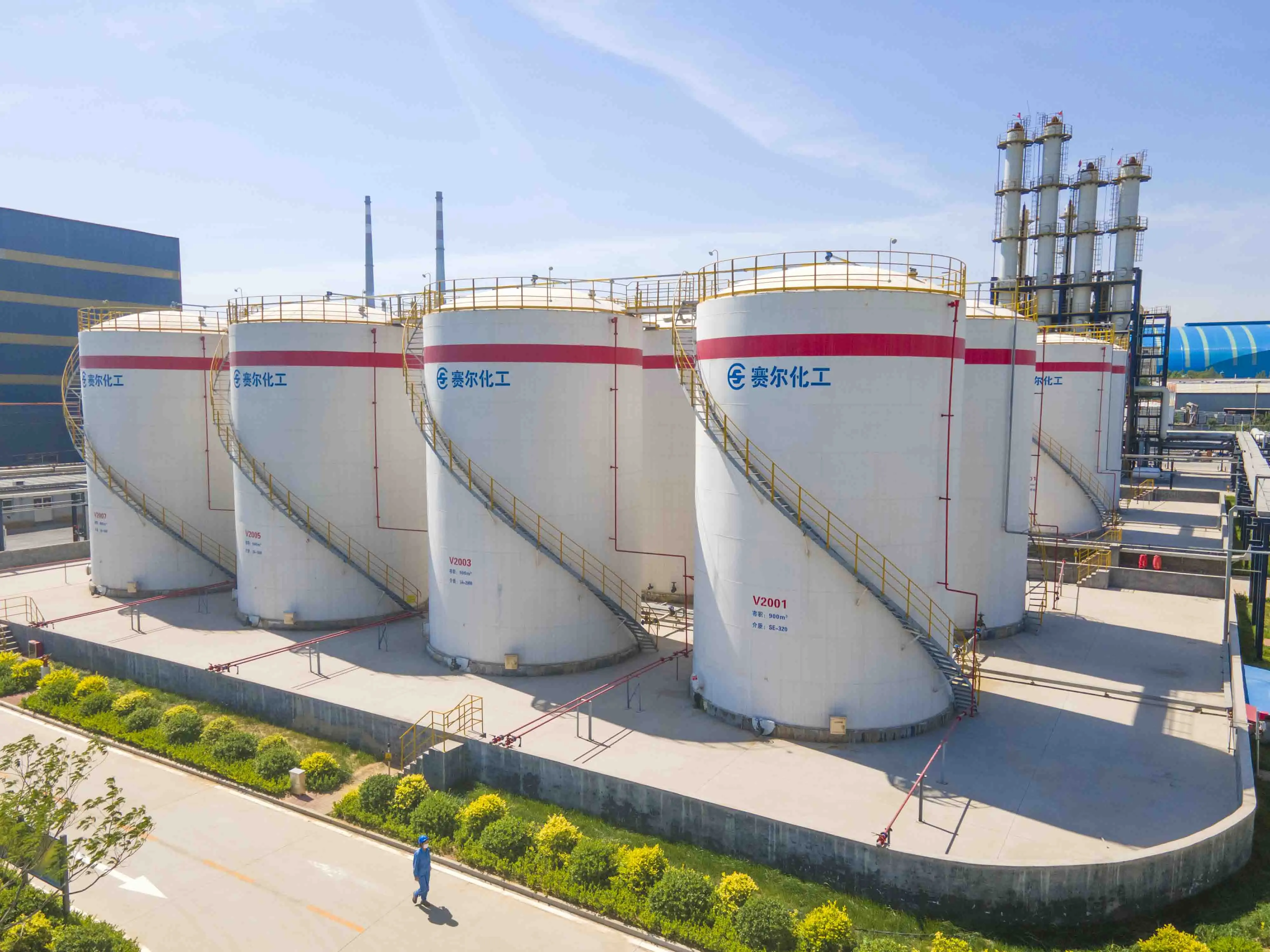
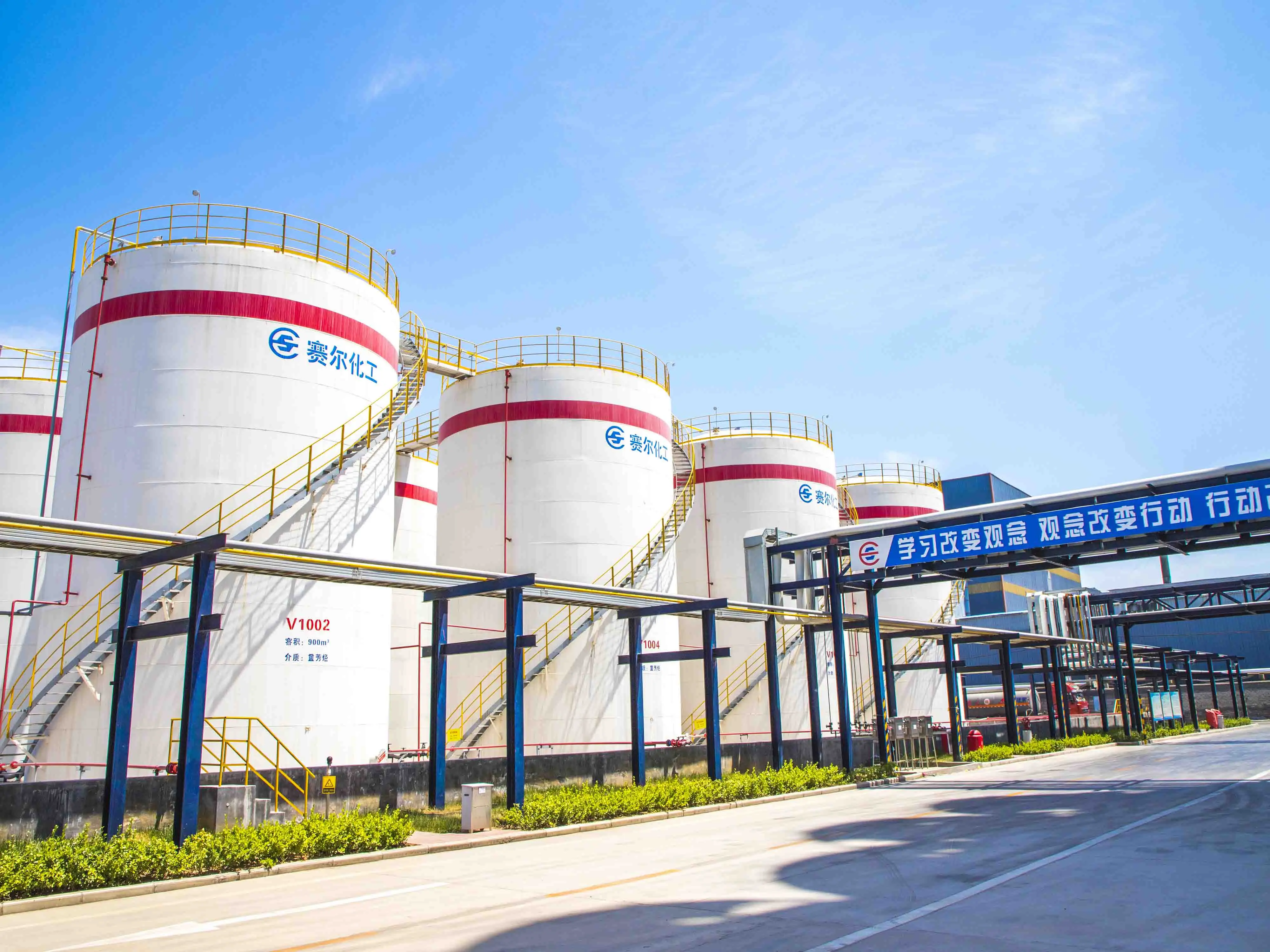
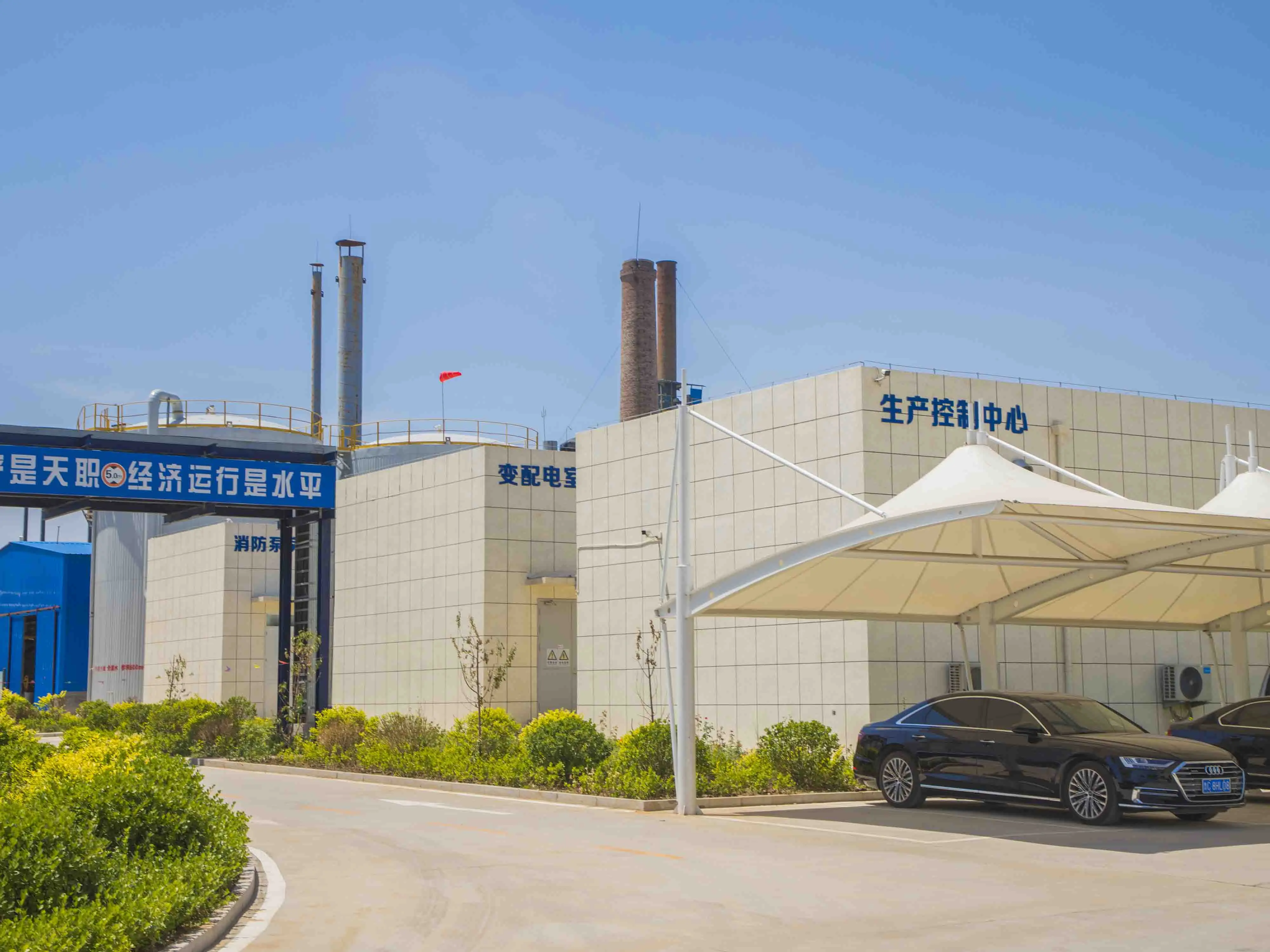
Founded in December 2004, our facility occupies a prime location inside the Qilu Chemical Industrial Park, Linzi, Zibo City, Shandong Province. This provides integrated pipeline logistics and immediate access to major shipping routes.
We maintain robust strategic partnerships with Tier-1 refineries including Sinopec, PetroChina, ChemChina, Zhejiang Petrochemical, and Hengli Petrochemical, ensuring consistent feed quality and stable downstream supply.
Recognized as a Chinese National High-Tech Enterprise, we specialize in high-boiling aromatic solvents (S-100 to S-200), low-naphthalene agricultural solvents, heat transfer oils (L-QC320), and advanced fine intermediates.
Heavy hydrotreated petroleum naphtha lies at the nexus of the modern refining and petrochemical matrix. Valued primarily for its low aromatic content, high flash point, and controlled evaporation rates, it serves as the baseline raw stock for heavy industrial cleaning formulations, structural metal degreasing, and specialized printing inks. On a global macro scale, the transition toward low-VOC (Volatile Organic Compound) standards and stricter worker safety protocols has accelerated the displacement of untreated, high-aromatic distillates in favor of hydrotreated alternatives.
Refining facilities have globally adapted by implementing multi-stage catalytic hydrodesulfurization (HDS) structures. The market demands highly tailored distillation ranges that allow precise optimization of boiling curves. For instance, paint and coatings manufacturers require specific volatility profiles to ensure uniform cure times and dry-film consistency without compromising flash point parameters. Consequently, suppliers are expected to demonstrate state-of-the-art laboratory certification and gas chromatography-mass spectrometry (GC-MS) verification for every batch.
In structural adhesive systems, high-solids paints, and polymer synthesis, heavy hydrotreated naphtha acts as a passive carrier solvent that prevents pre-gelation while allowing steady diffusion during application. Because the refining process removes volatile sulfur species, the solvent does not undergo cross-reaction or decomposition when exposed to basic chemical catalysts, a common defect in lesser-refined petroleum distillates.
Additionally, in mining extraction processes (such as solvent extraction electrowinning - SX-EW of copper), high-purity aliphatic diluents are vital. The presence of sulfur compounds or heavy aromatics can degrade the organic extractants (typically hydroxyoxime chelating agents), resulting in process inefficiency and phase separation failure. By providing a chemically inert hydrotreated heavy naphtha matrix, Shandong Saier ensures long-term organic diluent stability, directly lowering operating costs for industrial refining systems.
To understand the performance criteria of Naphtha Petroleum Hydrotreated Heavy, it is essential to evaluate the physical-chemical attributes typical of this hydrocarbon class:
Typically runs from 150°C to 220°C. Controlled fractional distillation allows isolation of custom narrow boiling ranges (e.g., 160°C–190°C) depending on client specifications.
Maintained consistently above 40°C (typically 61°C+ for safer transportation Class III classification), drastically lowering vapor pressure risk profiles.
Sulfur levels are kept below 5 ppm through rigorous hydrotreatment. Aromatic content is typically restricted below 0.1% for high-purity applications.
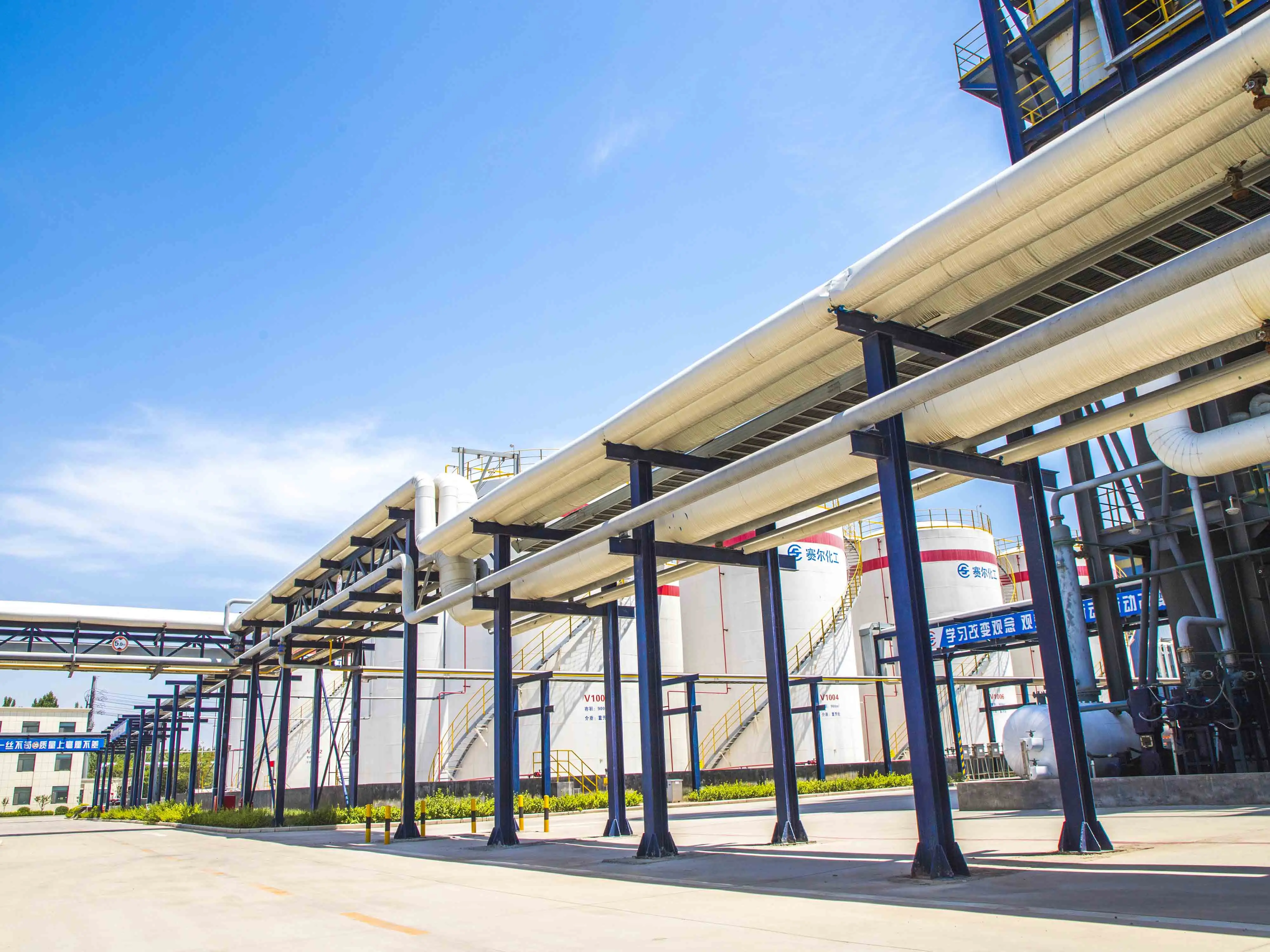
Precision execution at our Linzi, Zibo processing facility, designed to deliver stable outputs under strict safety parameters.
Procuring industrial volumes of Naphtha Petroleum Hydrotreated Heavy requires navigating stringent regional environmental guidelines. In the European Union, compliance with REACH (Registration, Evaluation, Authorisation and Restriction of Chemicals) is mandatory, as this CAS class requires comprehensive chemical safety assessments (CSA). In the United States, Toxic Substances Control Act (TSCA) inventory listings and OSHA hazard communications dictate shipping, storage, and workplace exposure limits.
At Shandong Saier, we back our international distribution chain with localized compliance validation. We provide comprehensive Safety Data Sheets (SDS) in accordance with the Global Harmonized System (GHS), detailing local transport requirements, hazardous waste classification, and proper personal protective equipment (PPE) protocols. Our logistics division arranges seamless intermodal ISO tank distribution, bulk vessel scheduling, and localized customs clearance support to ensure uninterrupted supply lines across Asia, Europe, and the Americas.
Beyond heavy hydrotreated naphtha, our integrated refinery configurations yield a broad spectrum of high-boiling aromatic solvents designed for heavy-duty industrial systems. Our S-100, S-150, S-150ND (Naphthalene Depleted), S-180, and S-200 solvents are optimized for high solvency power (Kauri-Butanol values ranging from 90 to 105), making them superior vehicles for agricultural pesticide emulsifiable concentrates (EC), high-bake automotive coatings, and oilfield auxiliary chemicals.
By pairing the aliphatic profile of hydrotreated heavy naphtha with our high-solvency aromatic solvent family, we provide formulation chemists with the flexibility to customize evaporate rates, solvency power, and flashpoint curves. This combined formulation control reduces surface tension defects and minimizes dry film blistering in high-speed coating application lines.
The future of petroleum refining rests upon deep carbon reduction, catalyst efficiency, and feedstock diversification. Shandong Saier is actively investing in next-generation catalyst research to lower the temperature and energy footprint of our hydrotreater units. Our technology roadmap focuses on three main criteria:
First, integration of renewable energy grids into our Zibo manufacturing base to minimize Scope 1 and Scope 2 carbon footprints. Second, optimizing the hydrodeoxygenation (HDO) processes to allow co-processing of bio-based lipid feedstocks, creating a hybrid bio-hydrotreated heavy naphtha stream with reduced lifecycle fossil carbon. Third, engineering ultra-low naphthalene solvent lines (naphthalene levels under 10 ppm) to pre-emptively comply with evolving global environmental mandates on hazardous air pollutants (HAPs).
Crucial technical questions answered for sourcing managers, chemical safety officers, and process engineers.
The primary difference lies in the boiling point ranges and carbon number distributions. Light hydrotreated naphtha (CAS 64742-49-0) consists mainly of C5-C6 hydrocarbons boiling between 35°C and 80°C, presenting lower flash points and higher volatility. Heavy hydrotreated naphtha (CAS 64742-48-9) contains primarily C6-C13 hydrocarbons, boiling from 65°C to 230°C, and offers a higher flash point, slower evaporation rate, and higher viscosity, making it better suited for paint formulation, mining extraction, and dry-cleaning solvents.
We control aromatic levels through multi-stage catalytic saturation. Under high hydrogen partial pressures and custom cobalt-molybdenum (CoMo) or nickel-molybdenum (NiMo) catalyst beds, aromatic rings are hydrogenated and converted into saturated cycloalkanes (naphthenes) and paraffins. This process consistently reduces the aromatic content below 0.1%, yielding a solvent with a minimal odor profile and improved safety limits.
We offer diverse logistics configurations to match various delivery volumes. These include 200L closed-head steel drums (approx. 150-160 kg net weight per drum), 1000L IBC composite tanks, and specialized ISO containers (approx. 20-22 metric tons per tank) for bulk distribution. All packaging options carry full UN-certification for hazardous chemical transport.
Yes. The high aliphatic paraffin and naphthene composition of our solvent provides excellent compatibility with alkyd resins, acrylic esters, epoxy resins, and chlorinated rubbers. It aids in adjusting viscosity, ensuring smooth levelling properties, and preventing surface defects during the drying phase.
Yes, all export batches are produced under strict international quality controls. We provide complete chemical safety datasheets (SDS) that are fully aligned with the Global Harmonized System (GHS), and we actively work with regulatory representatives to support EU REACH registrations for our European importers.
Whether you require tailored boiling ranges, custom packaging, or continuous bulk pipeline sourcing, Shandong Saier's technical team is ready to assist. Contact us to request SDS documentation, industrial samples, or pricing quotes.
Call Us Free: +86 15853357907Explore additional high-grade functional intermediates, aromatic solvent options, and specialized catalysts.
 Saier Chemical