High-purity organic synthesis compounds, functional intermediates, and chemical specialties sourced for global regulatory compliance.
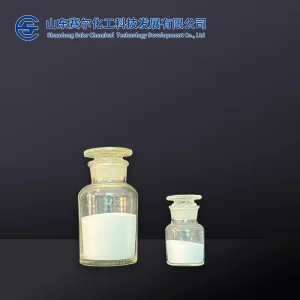
In modern precision manufacturing, organic solvents function as essential vehicles for raw materials, chemical intermediates, and cleaning formulations. Specifically, Acetone (dimethyl ketone) and Isopropyl Alcohol (IPA, isopropanol) represent critical processing components across the electronics, pharmaceutical, coatings, and organic synthesis industries. As high-volume industrial commodities, these solvents demand stringent quality controls, reliable raw material supply chains, and safe logistical infrastructures.
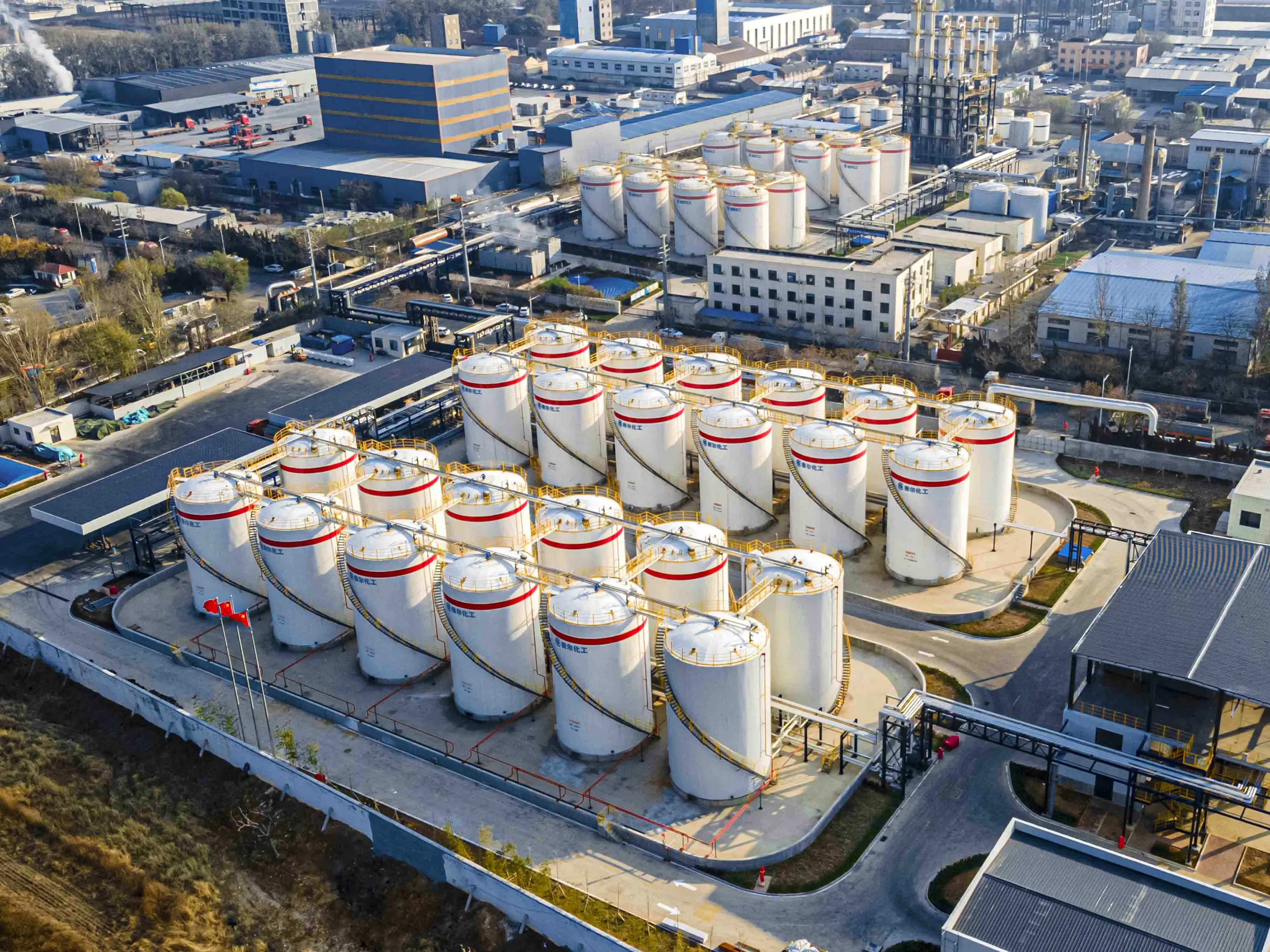
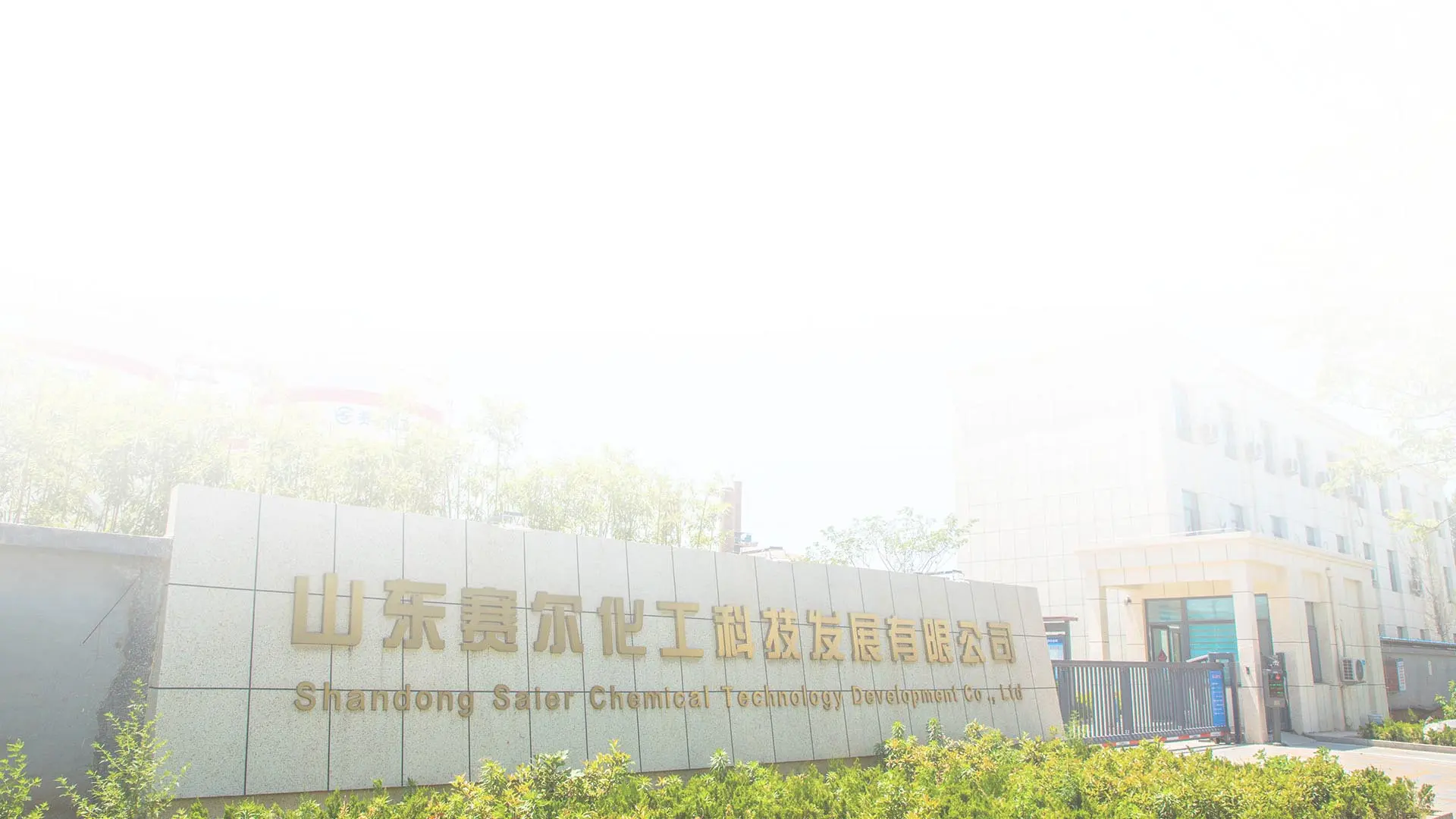
Shandong Saier Chemical Technology Development Co., Ltd., founded in December 2004 with a registered capital of 60 million yuan, operates at the heart of this landscape. Located at No. 207, WeiLiu Road, Qilu Chemical Industrial Park, Zibo City, Shandong Province, we leverage premium chemical feedstocks from major national refineries—such as Sinopec, PetroChina, ChemChina, Zhejiang Petrochemical, and Hengli Petrochemical—to manufacture and distribute high-grade aromatic solvents, heat transfer oils, and chemical intermediates. With a robust production capacity of 720,000 tons per year, we service key markets in China (including Beijing, Shanghai, Tianjin, Hebei, Shandong, and Henan) and maintain a global export network reaching Asia, Europe, America, and Southeast Asia.
Understanding the unique chemical profiles of Acetone and Isopropyl Alcohol is vital for selecting the appropriate compound for specific industrial operations.
An organic compound with the formula (CH3)2CO, acetone is the simplest and smallest ketone. It features an exceptionally high evaporation rate, low viscosity, and complete miscible property with water and most organic solvents. This makes it an ideal solvent for fast-drying coatings, acrylic/polyester resins, and heavy-duty degreasing in precision metalworking.
An isomer of propyl alcohol with the formula C3H8O, IPA is a polar organic solvent. It evaporates cleanly without leaving residues, dissolves a wide range of non-polar compounds, and possesses rapid sanitizing qualities. These characteristics make it a cornerstone in semiconductor substrate cleaning, pharmaceutical extraction, and cosmetic formulation.
To assist global procurement officers in matching chemical properties to operational demands, the table below outlines key technical differentiators:
| Parameter | Acetone (Dimethyl Ketone) | Isopropyl Alcohol (IPA) |
|---|---|---|
| Chemical Formula | C3H6O | C3H8O |
| Boiling Point | 56.05 °C | 82.6 °C |
| Flash Point (Closed Cup) | -20 °C | 12 °C |
| Solubility in Water | Miscible in all proportions | Miscible in all proportions |
| Evaporation Rate (BuAc = 1) | 5.6 (Highly Volatile) | 1.5 (Moderate) |
Why global enterprises rely on Shandong Saier Chemical and China's advanced industrial parks for stable, high-capacity chemical supplies.
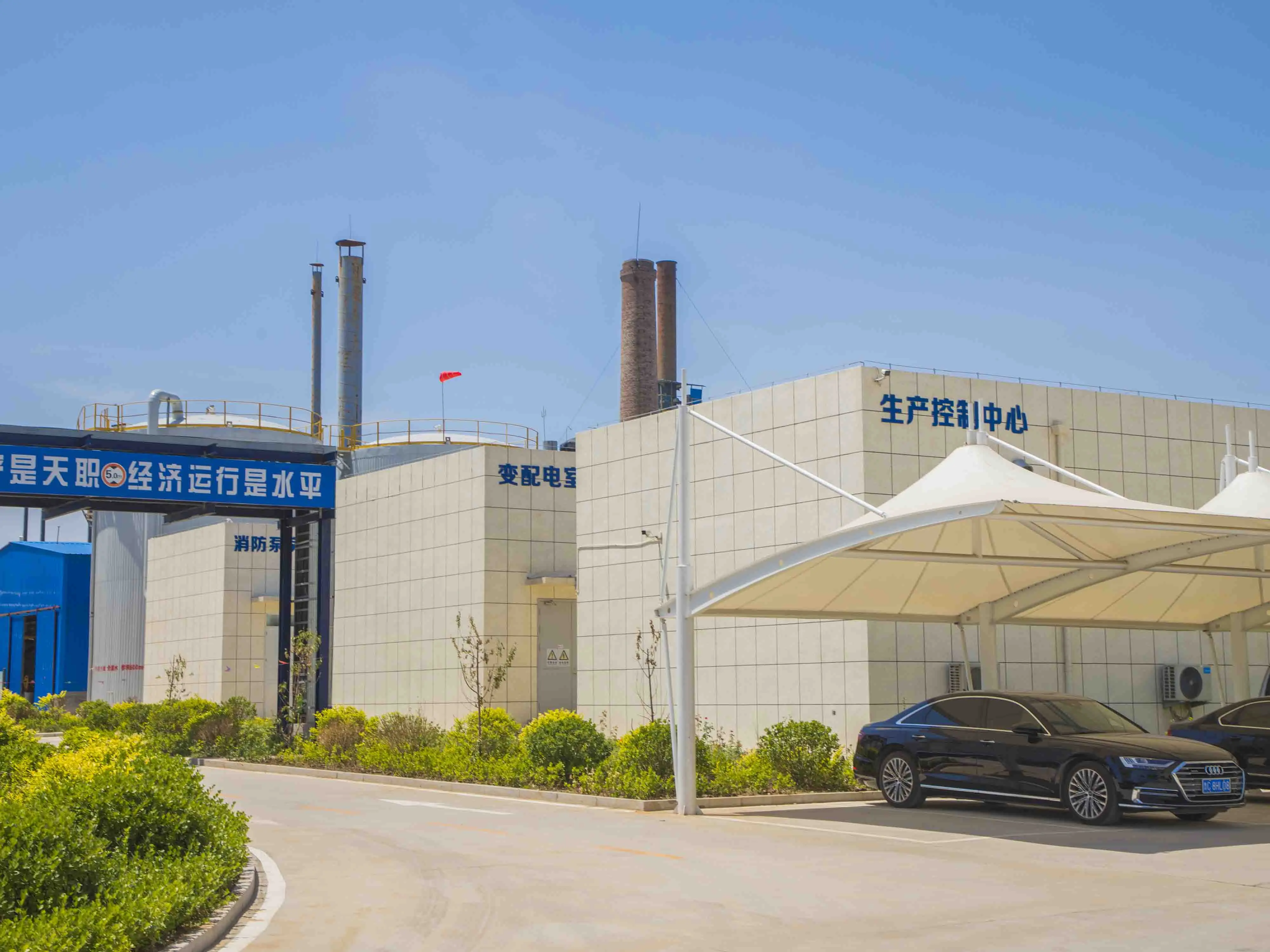
Located in the Qilu Chemical Industrial Park, Zibo, our production facility has direct access to raw material streams from nearby major refineries like Sinopec and PetroChina. This proximity ensures a stable flow of raw materials, protecting operations from sudden supply shocks and reducing local transportation costs.
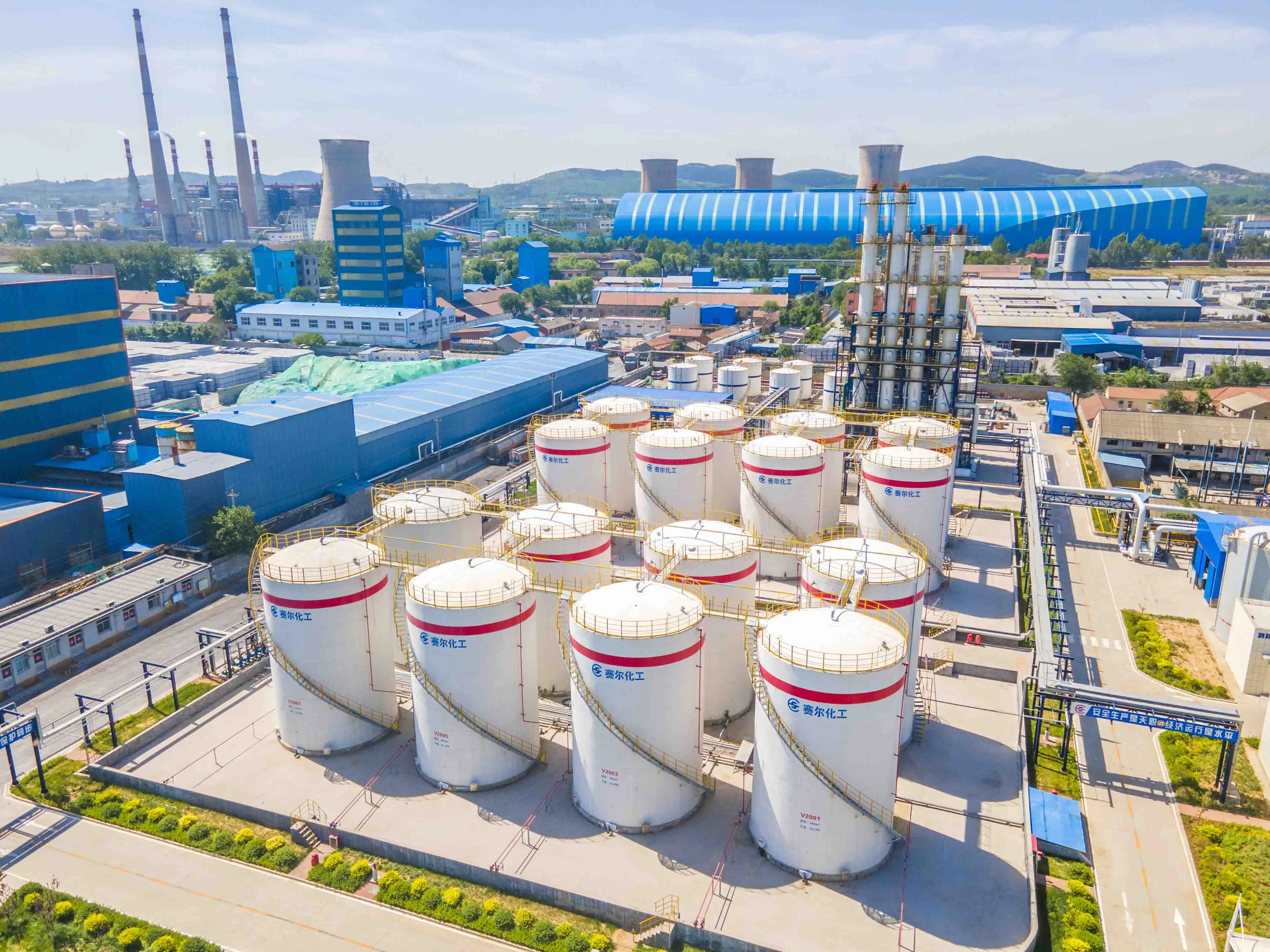
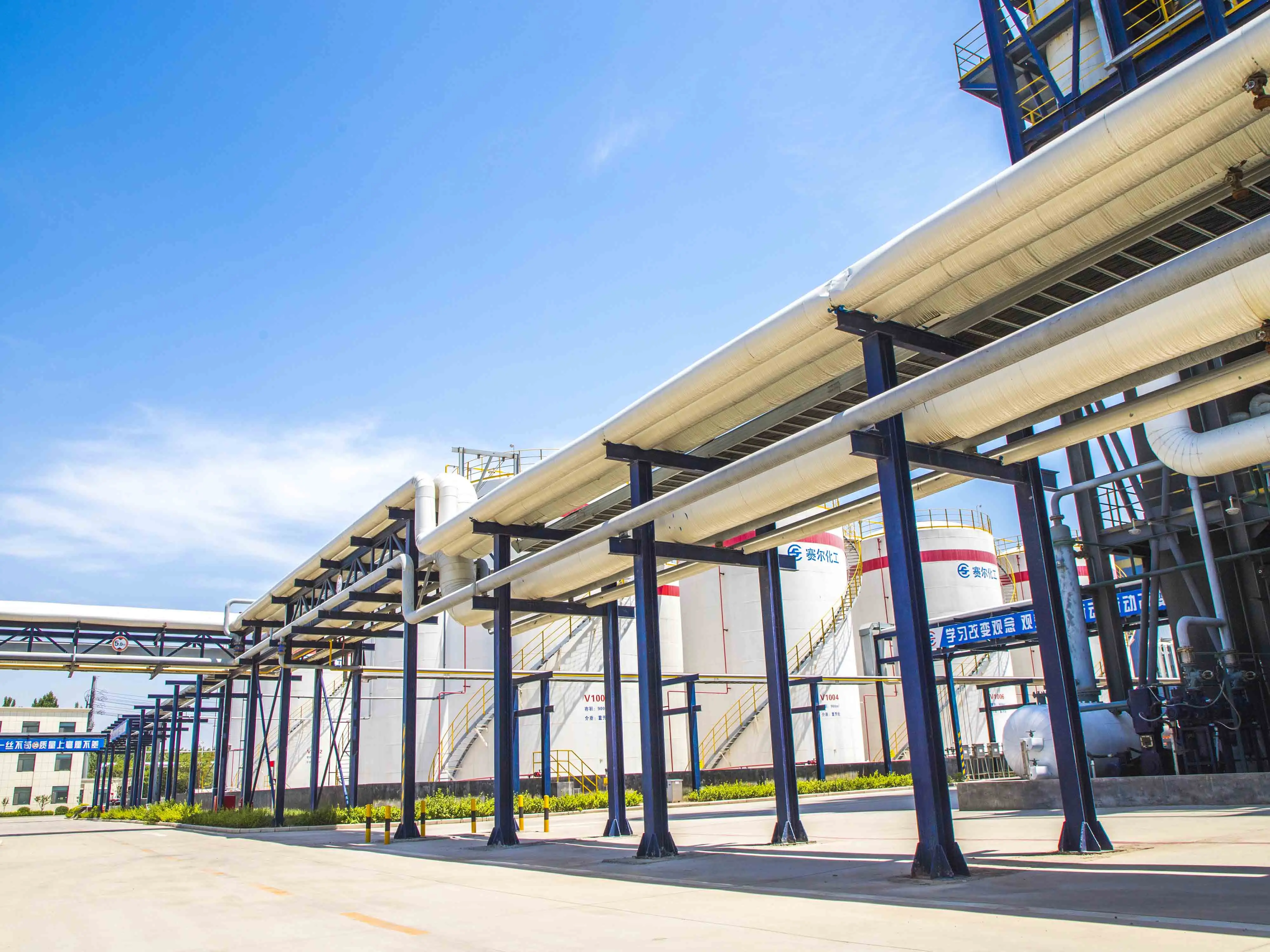
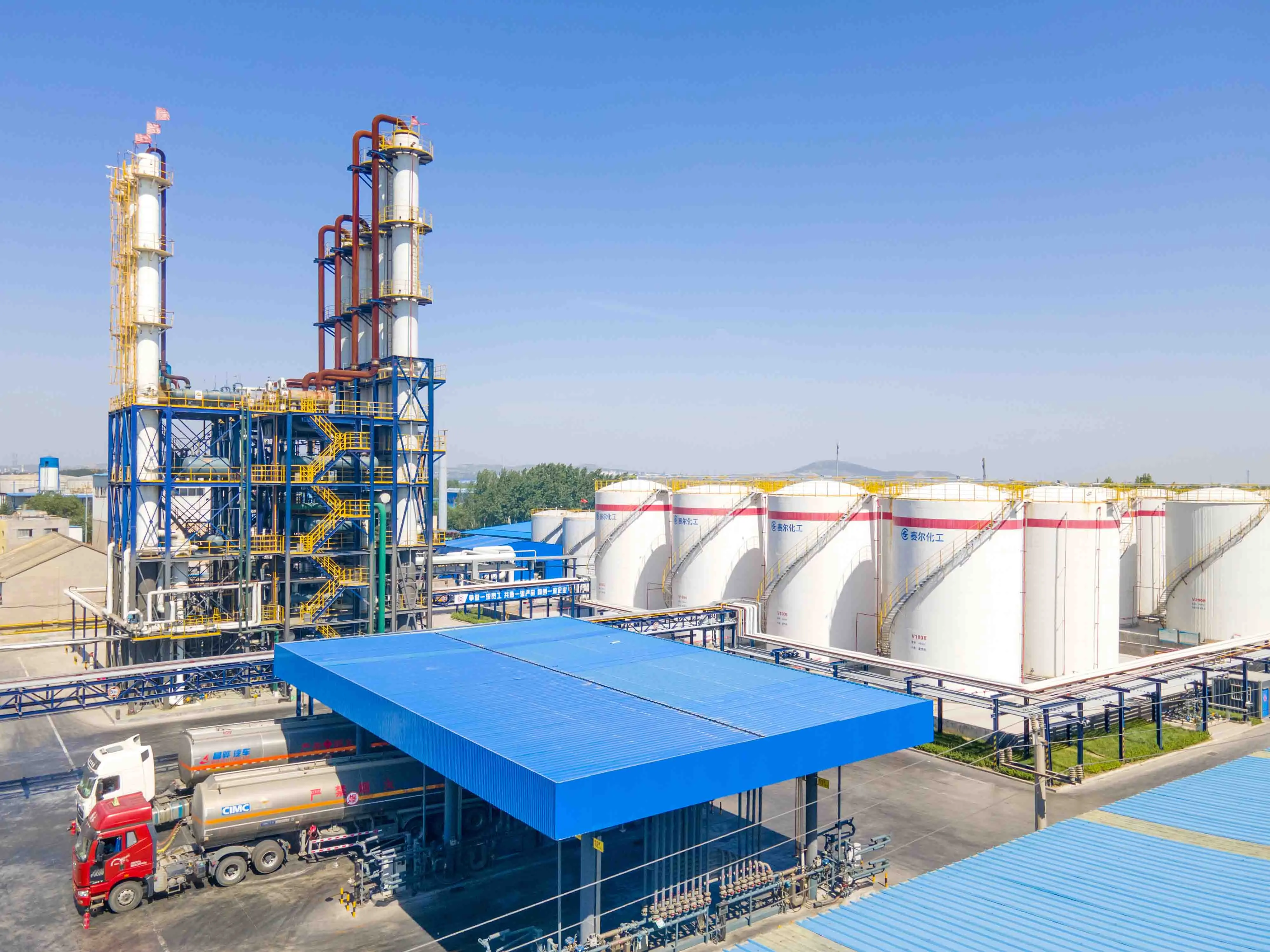
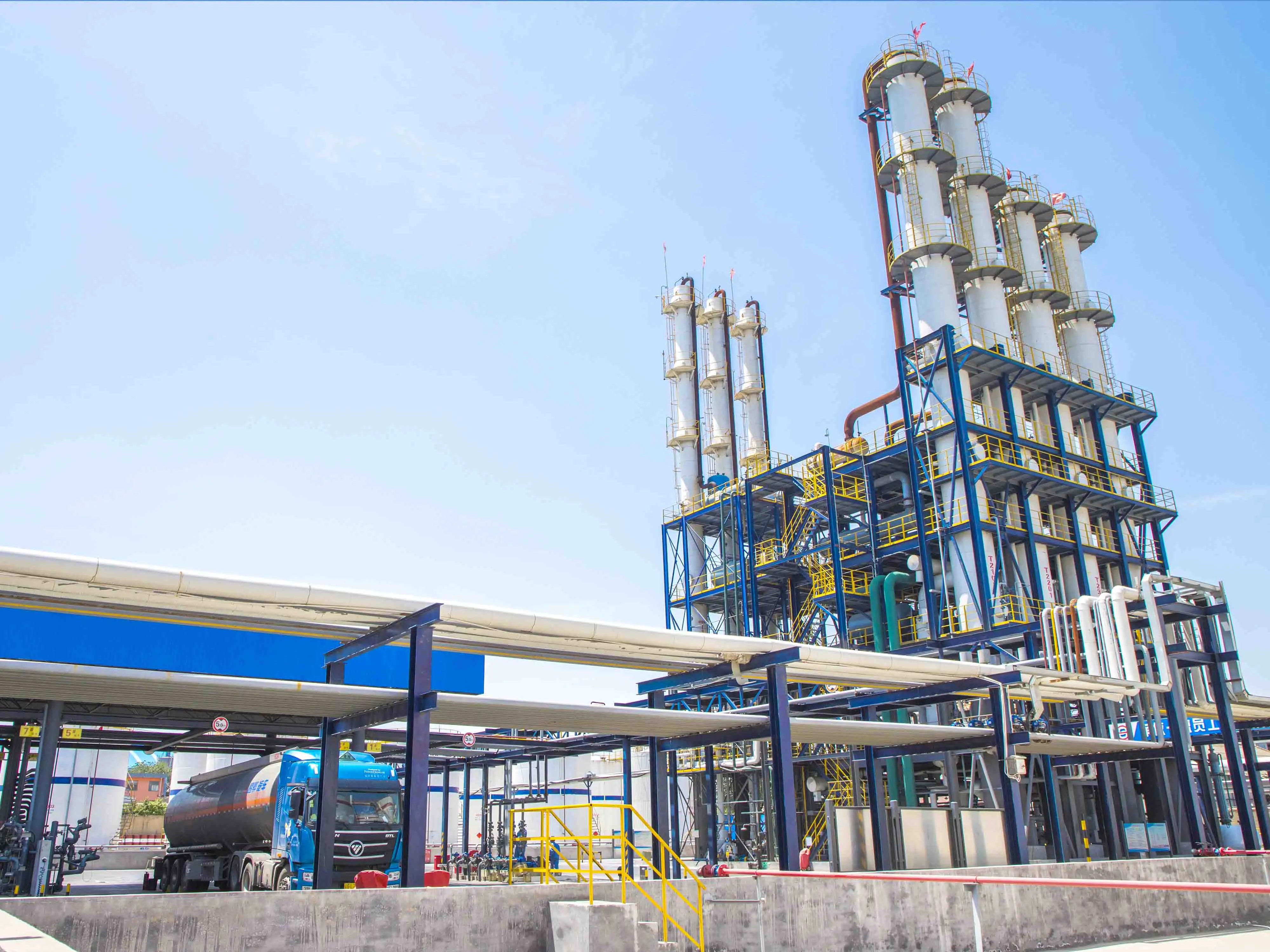
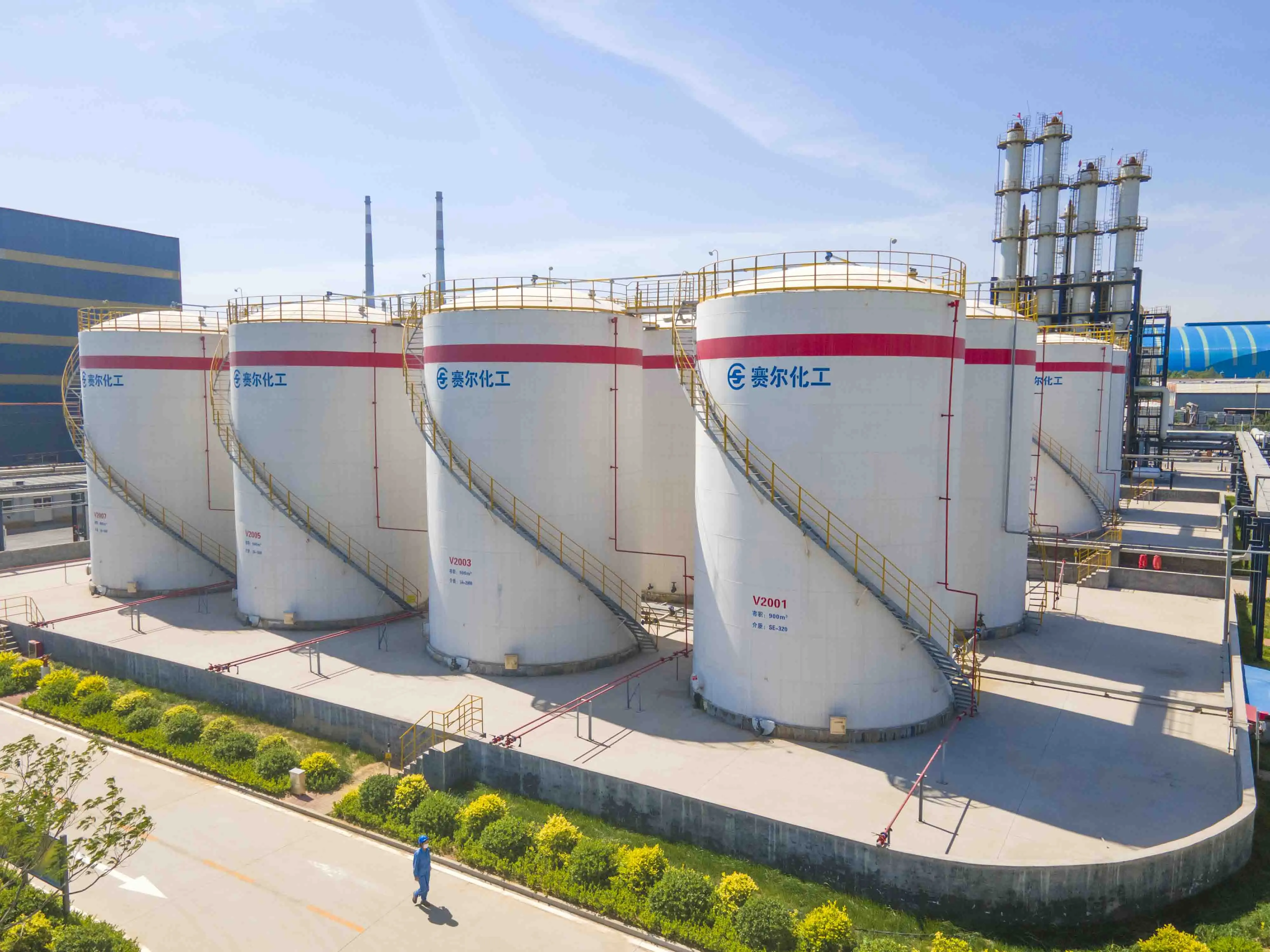
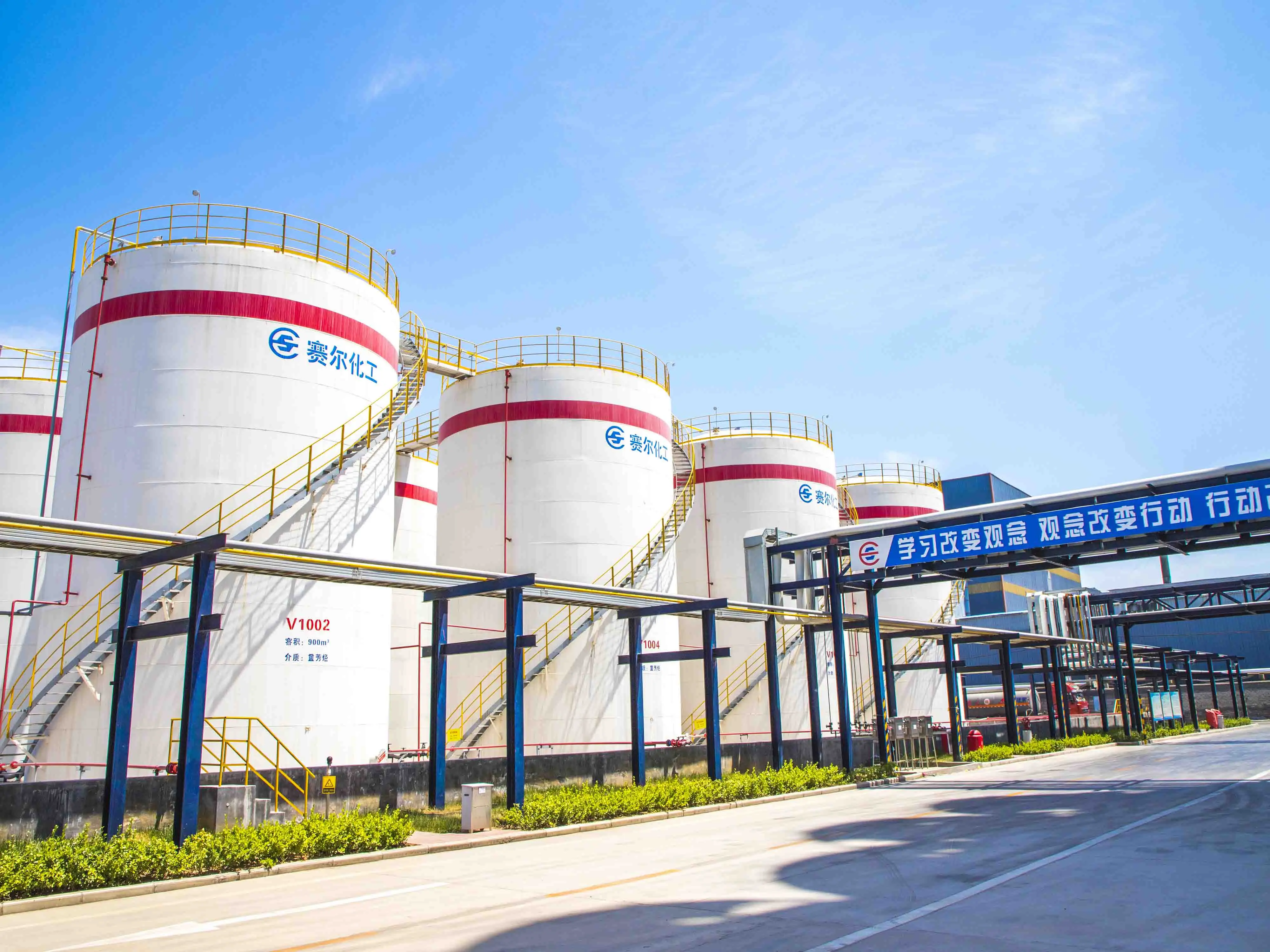
With a total production capacity of 720,000 tons per year, Shandong Saier Chemical handles high-volume bulk orders that many boutique chemical exporters cannot. Our infrastructure, which includes large-scale storage tanks, modern distillation columns, and automated drum-filling stations, supports consistent container and ISO tank deliveries.
As a recognized national high-tech enterprise, we constantly invest in research and development to optimize energy consumption and lower emissions. Our state-of-the-art laboratory features gas chromatography (GC) systems to ensure every batch of Acetone and Isopropyl Alcohol meets international purity and dryness standards.
The industrial solvent market is experiencing a transition driven by regulatory shifts, technological innovations, and changes in feedstock pricing. For procurement officers and chemical formulators, remaining competitive requires keeping track of these key macroeconomic factors:
Traditional Acetone production is largely tied to the cumene process, which generates phenol and acetone from petroleum-derived benzene and propylene. Similarly, Isopropyl Alcohol is primarily produced via the indirect or direct hydration of propylene. As global industries align with strict decarbonization goals, manufacturers are exploring bio-based routes. The commercialization of bio-acetone via Acetone-Butanol-Ethanol (ABE) fermentation processes is gaining traction, although conventional petrochemical routes still dominate due to cost efficiency and scale.
The rapid expansion of semiconductor fabrication facilities worldwide has led to a surge in demand for ultra-high-purity (UHP) solvents. In wafer fabrication, electronic-grade Isopropyl Alcohol (with metallic impurities below 10 parts per trillion) is used as a drying agent after wet cleaning. Producing UHP solvents requires advanced distillation technologies and specialized storage containers to prevent trace-metal contamination from equipment surfaces.
Acetone's status as a key precursor in certain synthetic processes means its import and export are heavily regulated under international conventions. In parallel, European REACH registrations, US EPA toxic substance controls, and OSHA occupational exposure limits shape product handling, labeling, and workplace safety protocols. Compliance with these frameworks is essential for maintaining access to international supply lines.
How our solvents power key sectors, from high-performance electronics to advanced pharmaceuticals.
Our ultra-dry Isopropyl Alcohol formulations evaporate without leaving residues, making them ideal for removing flux, organic oils, and moisture from delicate printed circuit boards (PCBs) and semiconductor substrates.
Our solvents serve as key reaction media and crystallization vehicles for active pharmaceutical ingredients (APIs). High chemical purity prevents contamination in sensitive pharmaceutical synthesis runs.
Acetone acts as a fast-evaporating solvent for nitrocellulose, acrylics, and polyurethanes, helping formulators manage viscosity, curing times, and application characteristics in automotive and marine coatings.
Integrating raw petrochemical fractions with precision rectification for standard-setting industrial solvents.
Transporting high volumes of flammable liquids like Acetone and Isopropyl Alcohol requires adherence to international safety protocols and logistical workflows.
We supply products in three primary packaging setups to accommodate diverse industrial requirements:
Acetone and IPA are classified as Class 3 Flammable Liquids (UN 1090 and UN 1219, respectively). For shipping, we work with certified carriers who use temperature-managed containers and follow the International Maritime Dangerous Goods (IMDG) code. This ensures all shipments arrive safely at your port of choice.
Technical answers to key questions asked by procurement, engineering, and compliance professionals.
Consult with our engineering and procurement specialists to secure stable, high-volume chemical supplies. We offer customized logistic arrangements, technical documentation, and flexible pricing structures.
Explore our extended industrial catalog, featuring heat transfer media, catalyst supports, and organic synthesis intermediates.
 Saier Chemical