Direct wholesale supply of certified aromatic solutions, custom-synthesized reagents, and high-boiling point solvents conforming to ISO 9001 and strict regulatory thresholds.
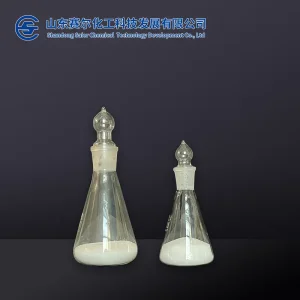
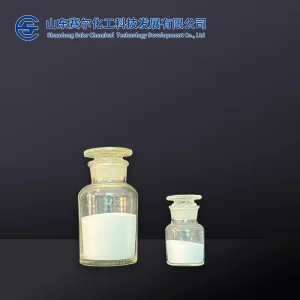
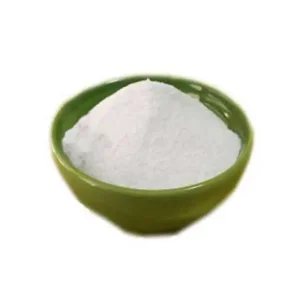
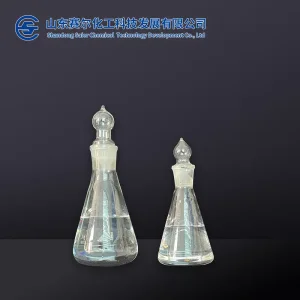
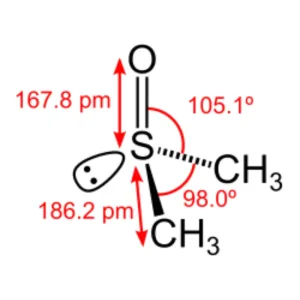
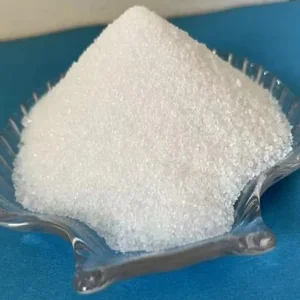
An aromatic hydrocarbon—commonly referred to as an arene—is chemically defined as a cyclic, planar organic compound containing a ring system with alternating double and single bonds. According to Hückel's Rule, these compounds possess a continuously overlapping cloud of (4n + 2) π-electrons, where "n" represents an integer. This structural feature induces thermodynamic resonance stabilization that differentiates aromatic hydrocarbons from aliphatic counterparts. In industrial and commercial applications, the term "aromatic hydrocarbon definition" extends past monocyclic structures like Benzene, Toluene, and Xylene (BTX) to include complex C9 to C12+ isomers, Polycyclic Aromatic Hydrocarbons (PAHs), and highly tailored industrial solvents.
For industrial purchasing managers and chemical engineers, defining aromatic hydrocarbons in a commercial context focuses on boiling ranges, flash points, and solvency capabilities. The commercial value of these compounds is rooted in their high solvency power (measured by Kauri-Butanol values), controlled evaporation rates, and structural suitability as synthesis precursors. Shandong Saier Chemical Technology Development Co., Ltd. serves as an authoritative manufacturer, utilizing feedstock from state-level refineries (including Sinopec and PetroChina) to fractionate, rectify, and deliver high-purity aromatic fractions with precise molecular weights.
"The industrial value of heavy aromatic hydrocarbons is determined by their chemical stability under thermal stress, coupled with their ability to dissolve complex polymers, resins, and agricultural active ingredients without initiating side reactions."
Industrial aromatic hydrocarbon streams are classified into specific product lines based on their distillation profiles:
Leveraging two decades of chemical engineering expertise to supply industrial-grade aromatic fractions worldwide.
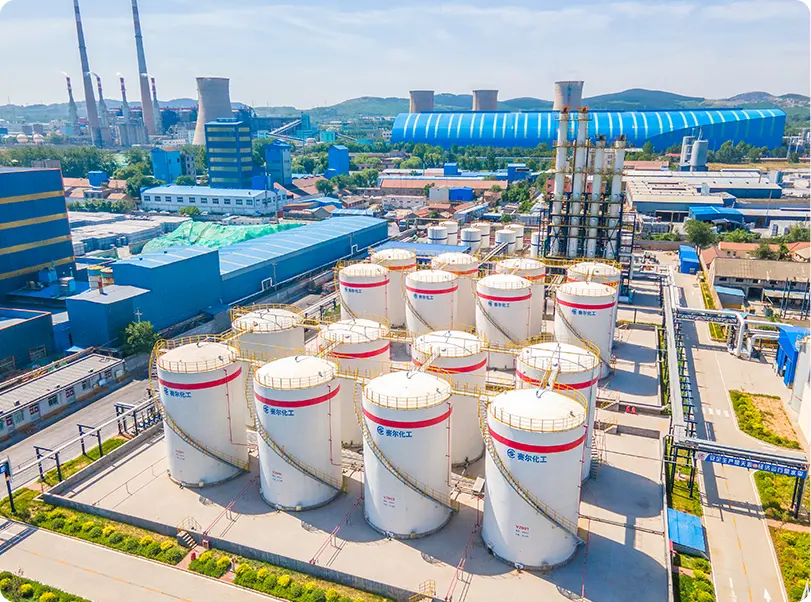
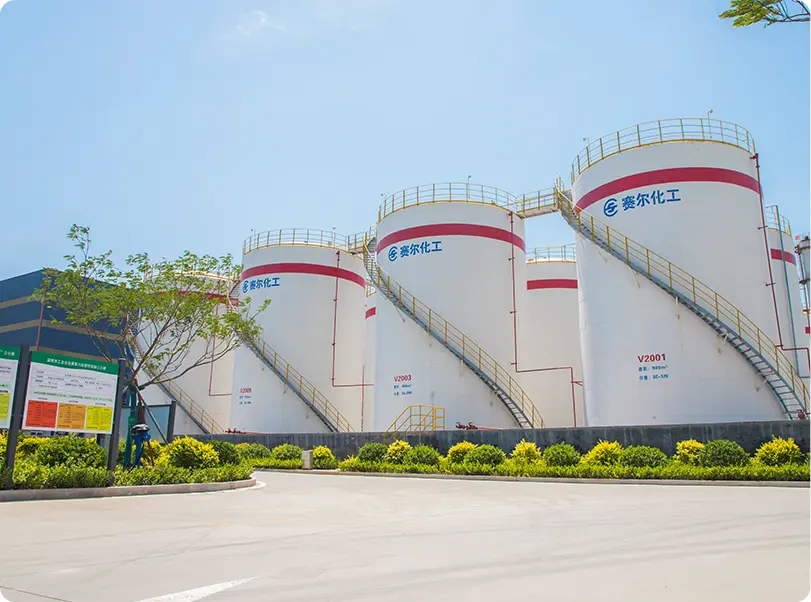
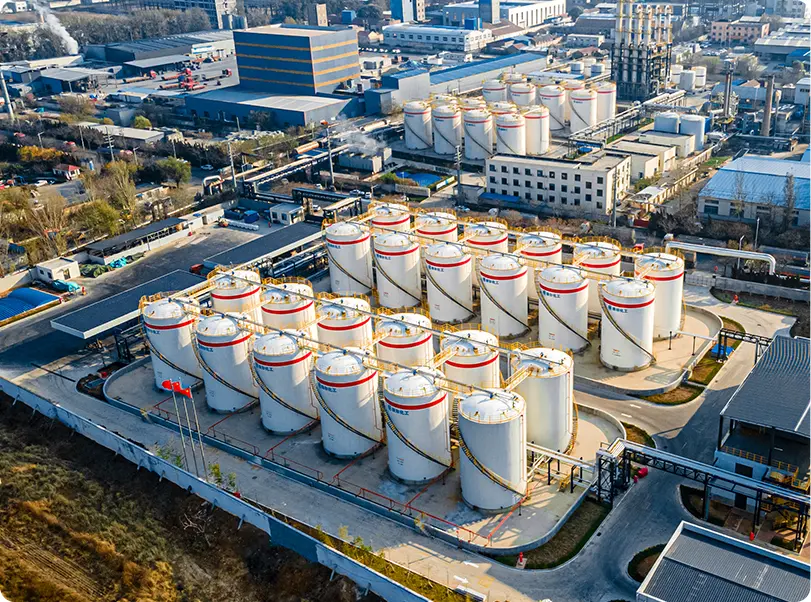
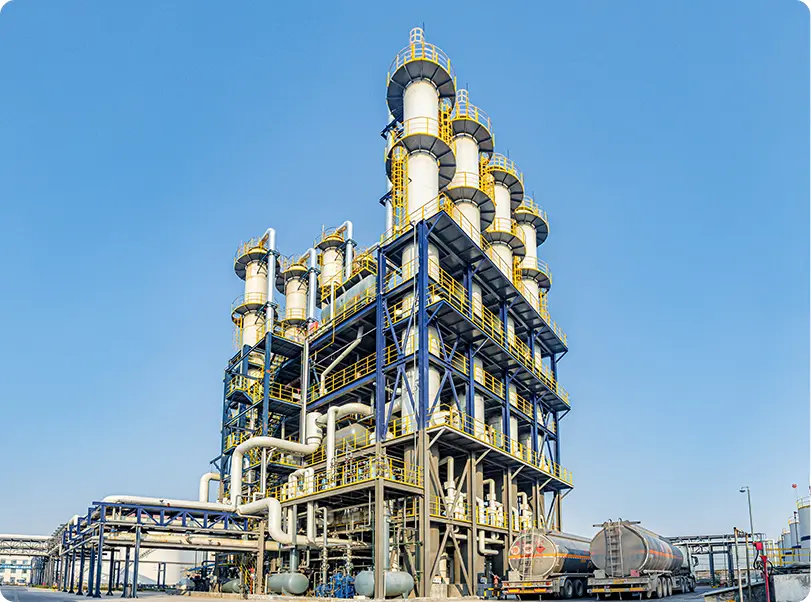
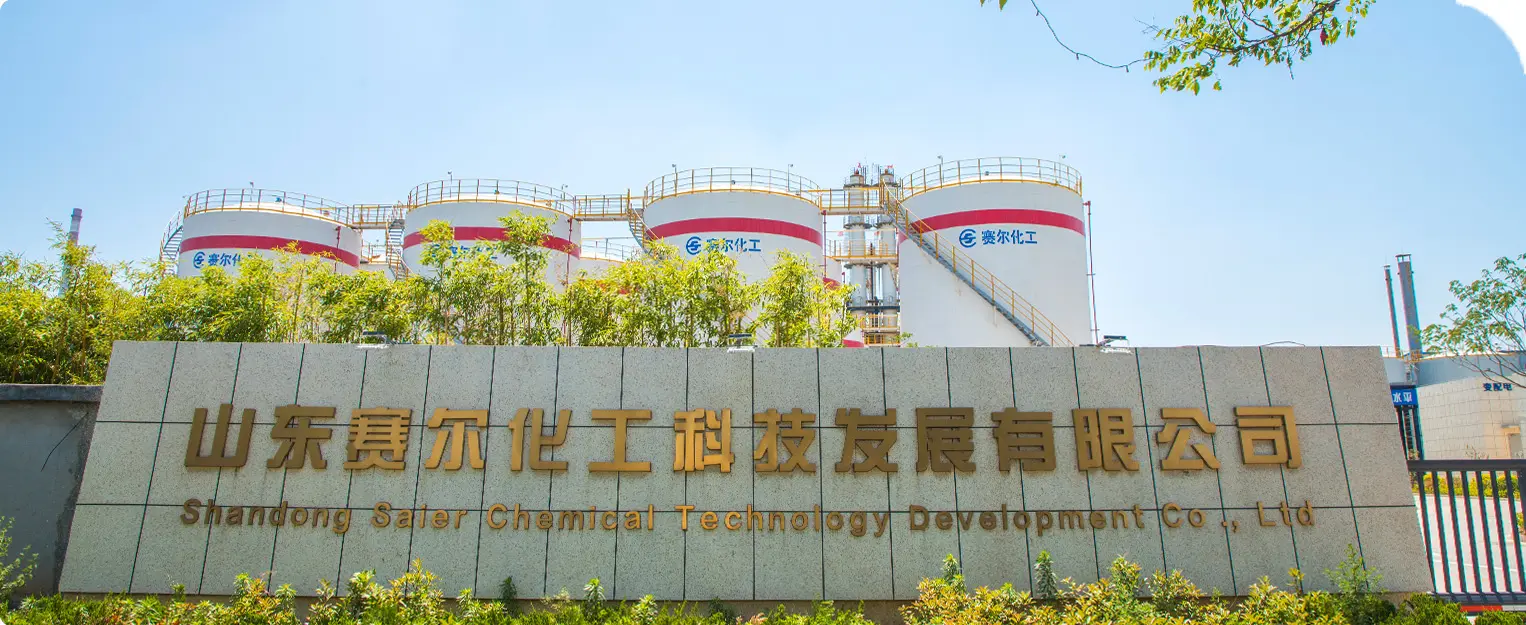
Founded in December 2004, Shandong Saier Chemical Technology Development Co., Ltd. has established an integrated production system inside the Qilu Chemical Industrial Park (No. 207, WeiLiu Road, Linzi, Zibo City, Shandong Province). Located within Zibo City, a major base for Chinese chemical synthesis, the company operates with a registered capital of 60 million Yuan and spans an industrial site designed for the fractionation of heavy reformates and C9+ aromatics.
Our refinery network connects to major raw material feeds from petrochemical companies including Sinopec, PetroChina, ChemChina, Zhejiang Petrochemical, and Hengli Petrochemical. Securing raw materials directly from these producers helps ensure consistent carbon distribution and low paraffins. Our annual production capacity is 720,000 tons of aromatics and specialty derivatives. This infrastructure supports steady supply routes to domestic chemical hubs in Beijing, Shanghai, Tianjin, Hebei, Shandong, and Henan, as well as export channels to Europe, the Americas, Asia, and Southeast Asia.
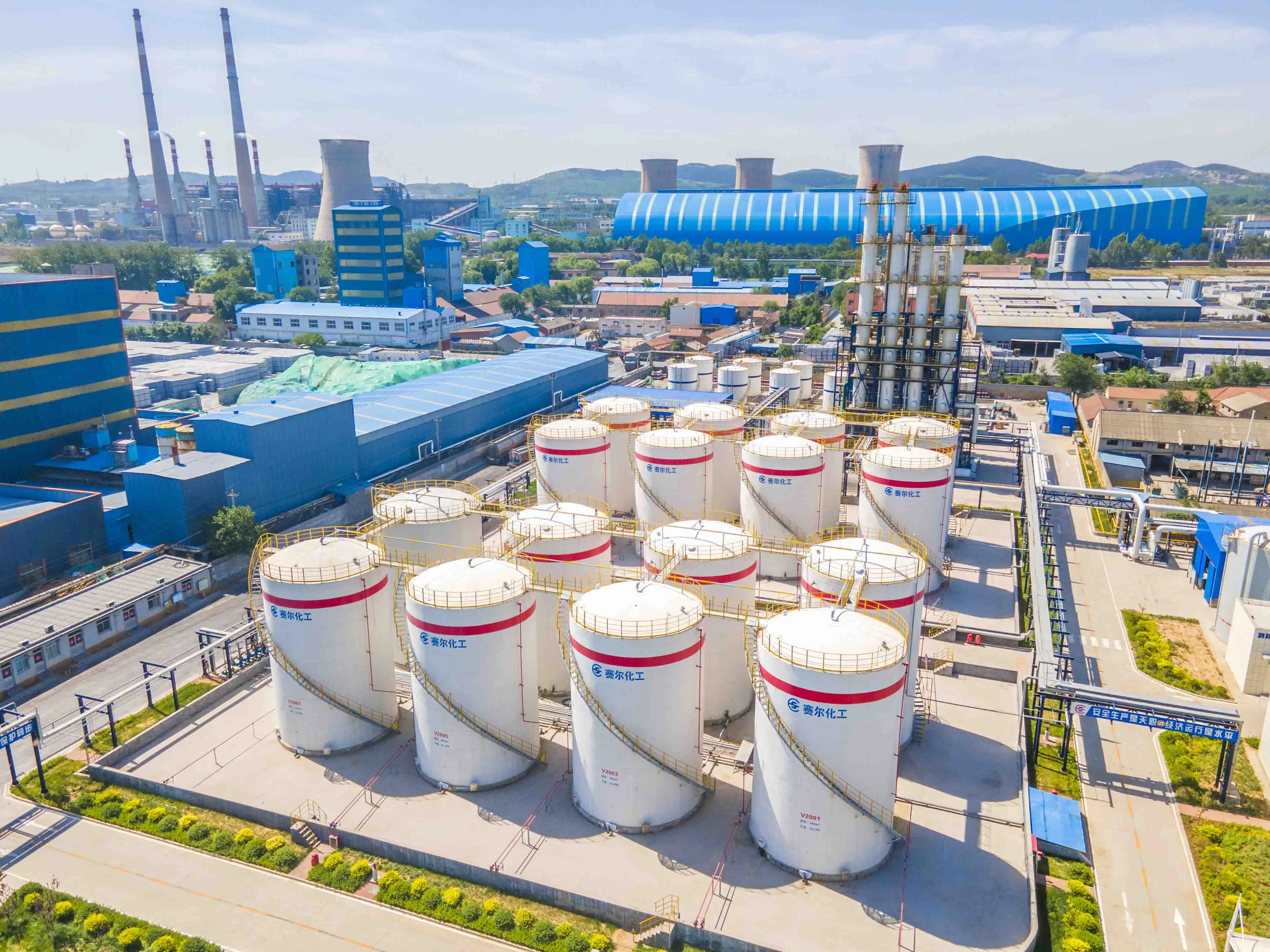
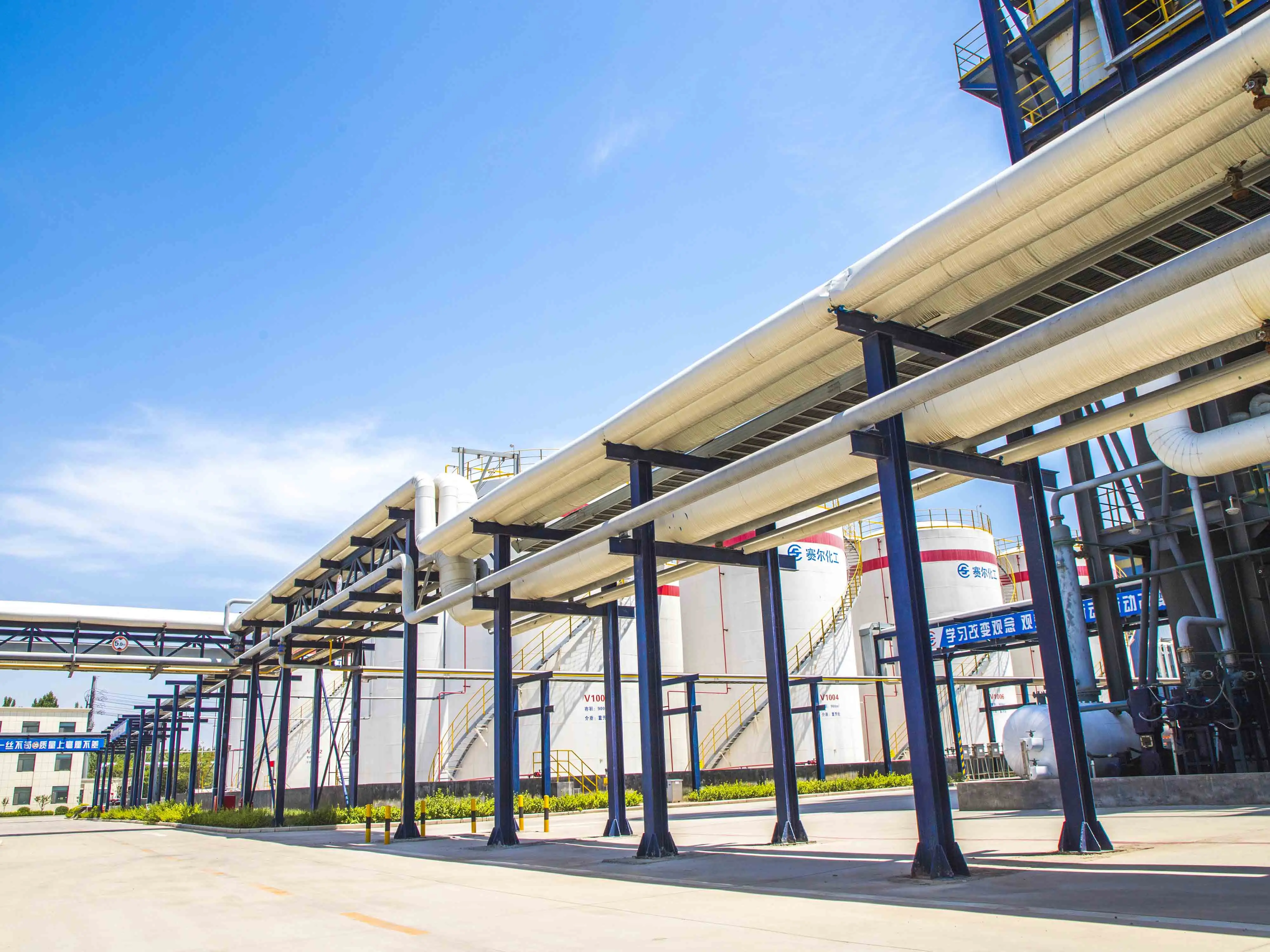
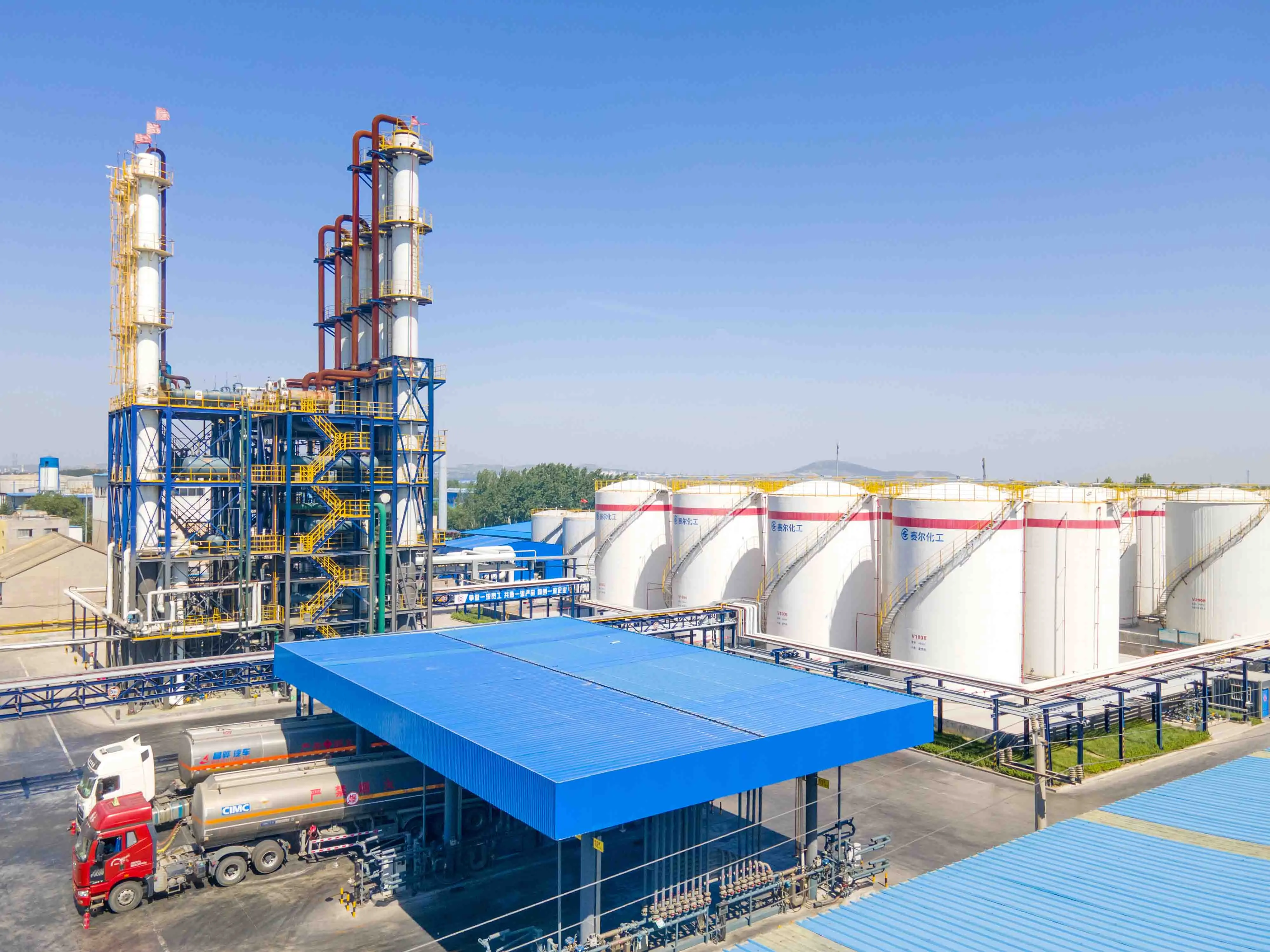
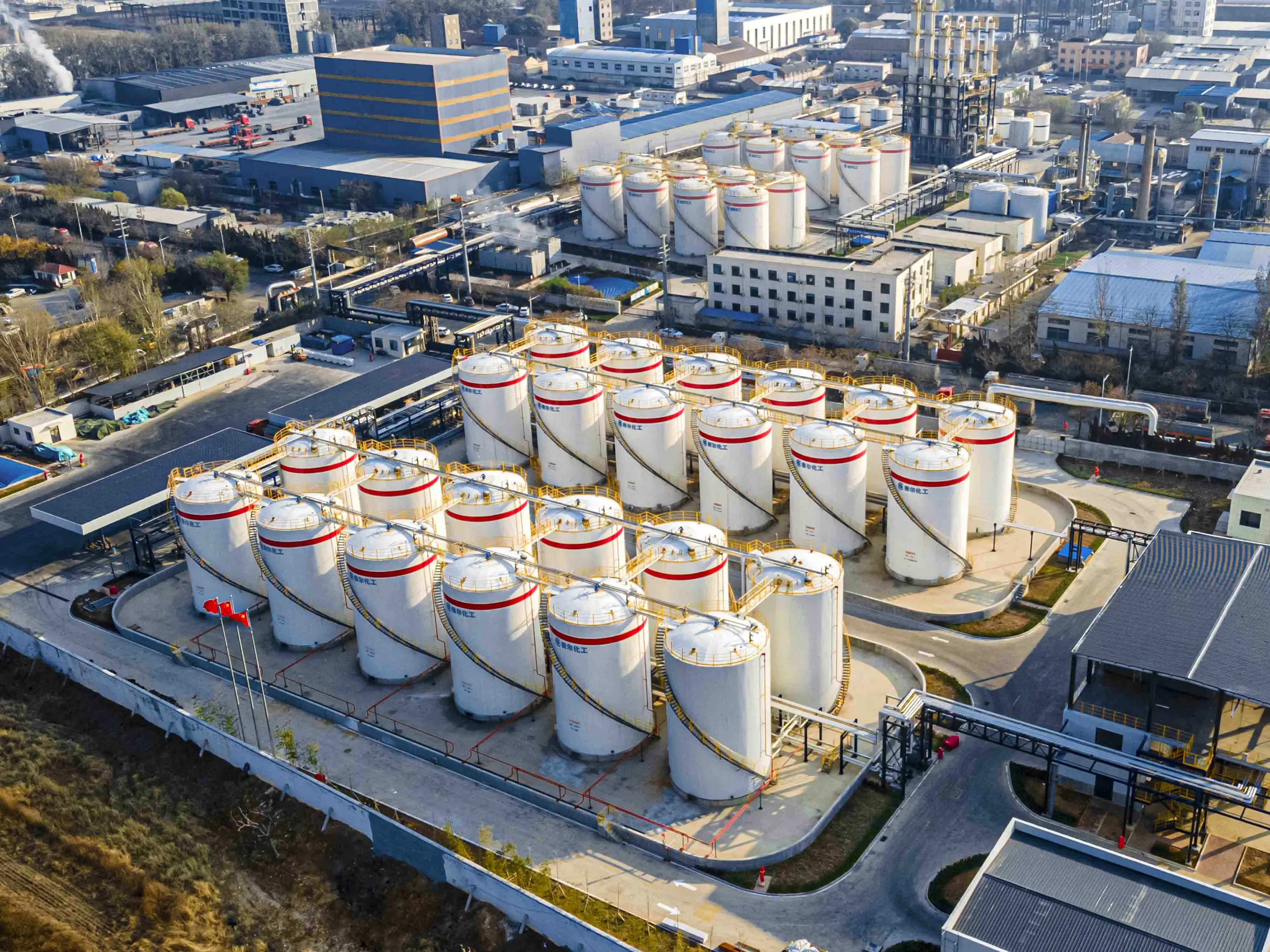
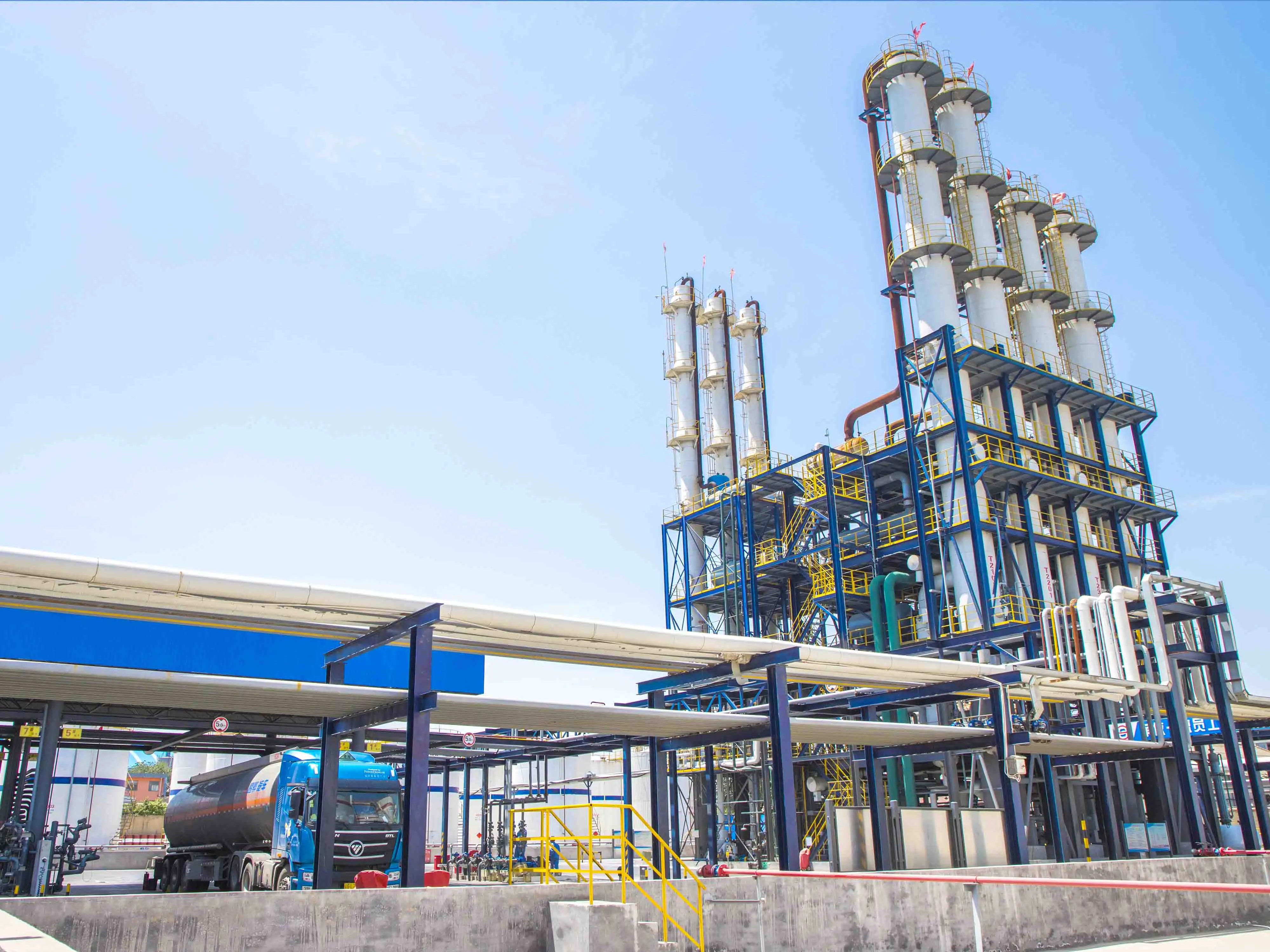
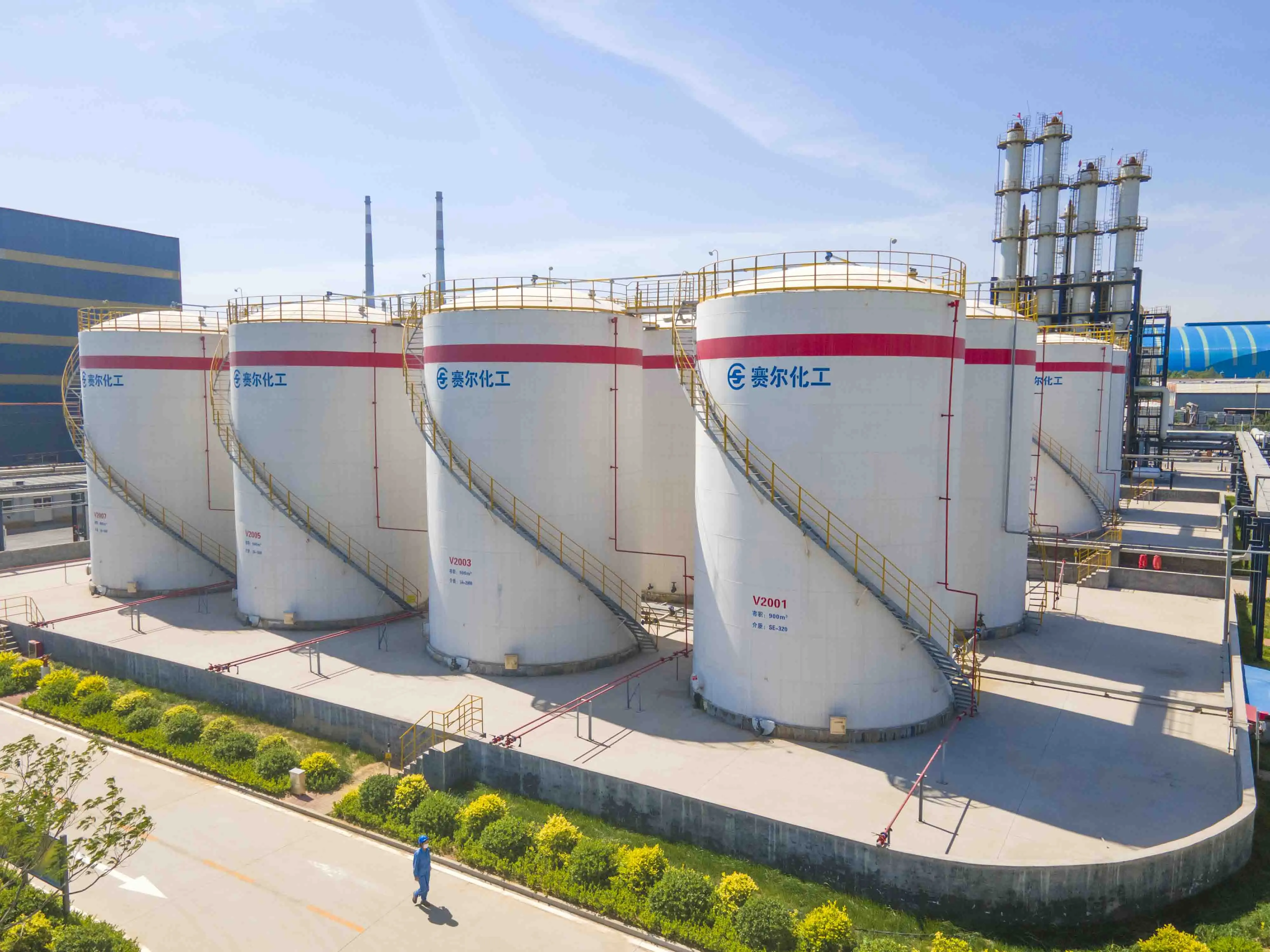
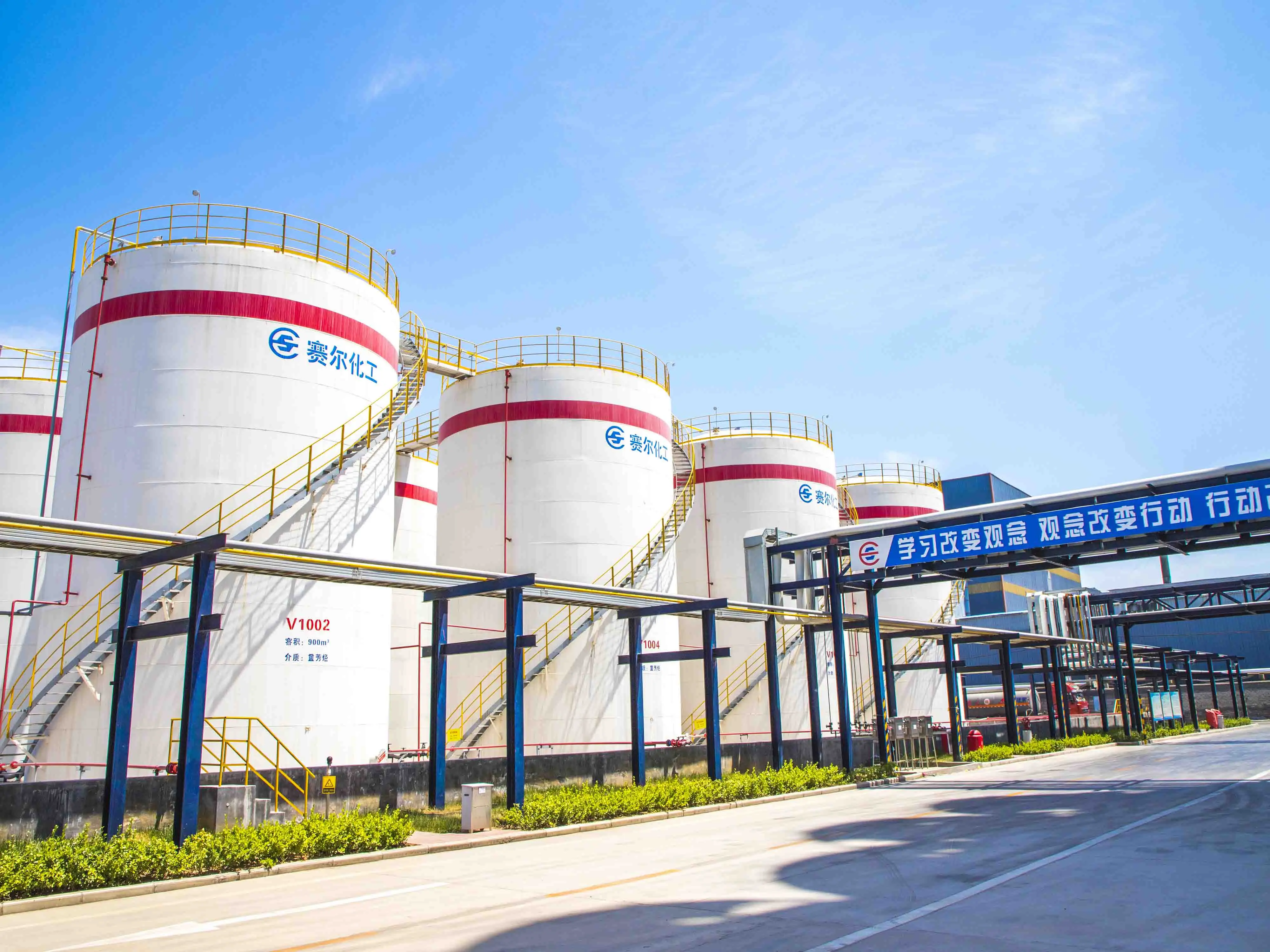
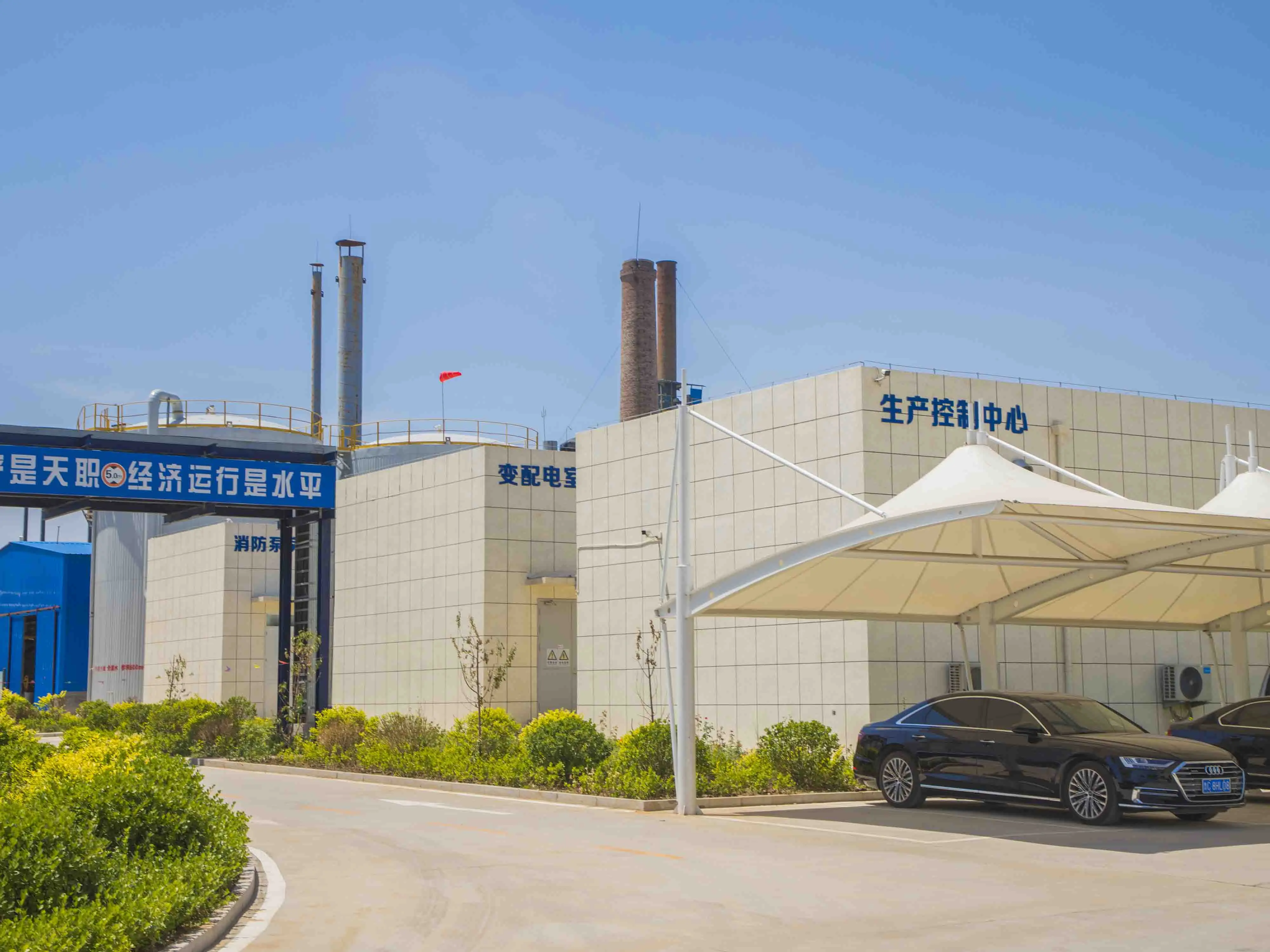
Operational statistics supporting Saier Chemical's position as an industrial partner for major manufacturers.
Addressing global regulatory and chemical process challenges through targeted purification and synthesis technologies.
Global pesticide regulations restrict naphthalene content due to potential carcinogen risks. Our S150ND and S200ND solvents reduce naphthalene levels to under 1% through deep vacuum distillation, helping customers meet environmental standards.
In high-temperature industrial heat exchangers, standard oils are prone to carbonization and thermal cracking. Saier's Heat Transfer Oil L-QC320 provides thermal stability up to 320°C in closed systems, extending equipment lifetimes.
Our raw materials and refined final products comply with REACH, GHS classifications, and EPA regulations. We provide chemical data sheets and certs of analysis with each wholesale shipment to support customer requirements.
Refined fractions and intermediates engineered for performance, compatibility, and consistency in industrial applications.
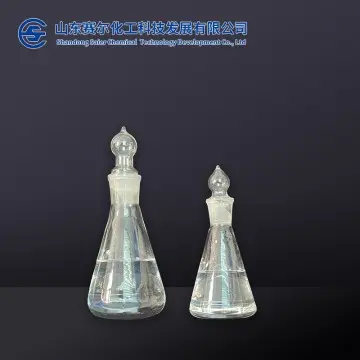
Produced using high-purity C9 aromatics via fractional distillation. A colorless, low-odor liquid conforming to global paint and resin formulation requirements.
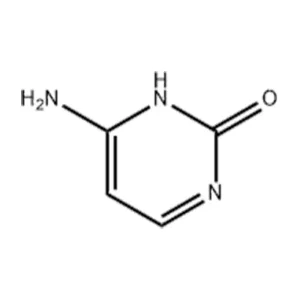
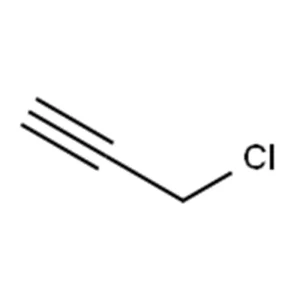
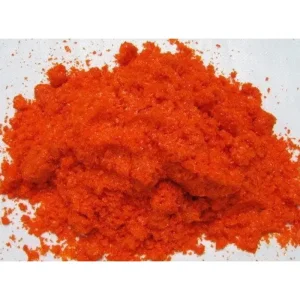
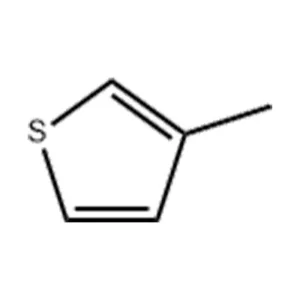
Specialty compounds including Cytosine, Thiophene, and 3-Chloropropyne, designed as precursors for pharmaceutical synthesis and advanced agricultural chemicals.
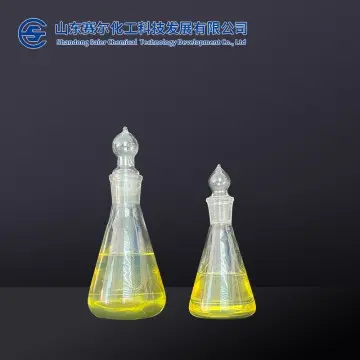
A high-temperature thermal oil designed to resist oxidation and thermal degradation in industrial heat exchangers up to 320°C.
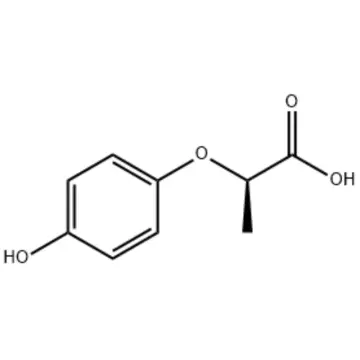
Includes high-purity Durene (1,2,4,5-tetramethylbenzene), Pyromellitic Dianhydride (PMAD), and Pyromellitic Acid (PMA) for polyimide film manufacturing.
Our solvent systems and chemical intermediates are integrated across various modern industries.
In automotive assembly plants and shipyards, coatings require high solvency and controlled evaporation. C9 and C10 aromatic hydrocarbons (like S100 and S150) dissolve polyurethanes, alkyd resins, and acrylic polymers to provide smooth paint film leveling and high gloss.
Active pesticide ingredients are often insoluble in water. Standard solvents can be toxic to target crops. Our Naphthalene-Depleted (ND) solvents are used to dissolve active ingredients in emulsifiable concentrates (EC), minimizing crop toxicity and meeting regulatory standards.
Durene supplied by Saier is oxidized to Pyromellitic Dianhydride (PMAD), which is used to synthesize polyimide films. These films provide electrical insulation, thermal resistance, and stability in consumer electronics, aerospace systems, and automotive circuitry.
How Saier Chemical is adapting to the next generation of industrial chemistry and regulatory targets.
The industrial chemistry sector is transitioning toward lower emissions, reduced energy consumption, and circular production. Saier Chemical's research team is developing new methods to optimize distillation efficiency and reduce thermal energy use in our fractionation units.
Our technology roadmap focuses on three main objectives:
Answers to common technical, regulatory, and logistics questions about industrial aromatic solvents.
In industrial contexts, aromatic hydrocarbons are defined by their boiling ranges, flash points, and chemical structures. While benzene rings define the category chemically, commercial "aromatic solvents" (like C9, C10, and C11 fractions) are refined mixtures of alkylated benzenes, indanes, and naphthalenes designed for high solvency power and controlled evaporation.
Standard Aromatic S150 contains 8% to 10% naphthalene by weight. S150ND (Naphthalene-Depleted) undergoes additional vacuum distillation to reduce naphthalene content below 1.0% (often below 0.1%). This reduction helps formulations comply with EPA, REACH, and other environmental health regulations.
Durene (1,2,4,5-tetramethylbenzene) is a key chemical intermediate. It is oxidized to produce Pyromellitic Dianhydride (PMAD). PMAD is then copolymerized with diamines to produce polyimide films, which are used for heat-resistant insulation in electronic packaging, aerospace components, and automotive electronics.
We source our raw reformate and heavy aromatic feedstocks directly from petrochemical companies like Sinopec and PetroChina. Combined with our digital distributed control systems (DCS) in Zibo, we monitor and control fractionation column temperatures to maintain consistent boiling points and product composition.
We offer bulk delivery options including ISO tanks, flexibags, and standard steel drums. Our logistics team handles shipping arrangements, customs documentation, and hazard labels for deliveries to Asia, Europe, the Americas, and Southeast Asia.
Wholesale access to our complete range of certified organic chemical components, including active intermediates and high-performance solvents.
Connect with Shandong Saier Chemical to discuss custom fractionation specifications, negotiate wholesale contracts, or request laboratory samples for quality validation.
 Saier Chemical