Explore our high-performance raw materials, intermediates, and specialty solvents sourced directly from our state-of-the-art Zibo manufacturing base.
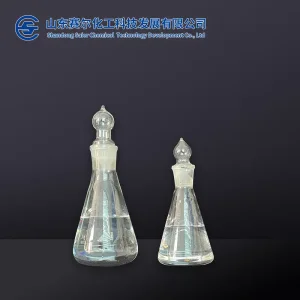
In the modern chemical manufacturing landscape, Aromatic Solvent C9 (also referred to as C9 aromatic hydrocarbons or light aromatic solvent naphtha) plays a pivotal role. Consisting primarily of C9 alkylbenzenes (such as trimethylbenzenes, ethyltoluenes, and propylbenzenes), this fraction is characterized by high solvency power, a high flash point, and controlled evaporation rates. It serves as an essential medium for dissolving complex synthetic resins, dispersing active agrochemical ingredients, and facilitating stable heat-transfer systems.
As global demand for eco-friendly, low-VOC, and low-naphthalene variants increases, the sourcing strategies of procurement managers have evolved. Sourcing from a reliable, large-scale, and technically proficient manufacturing facility is no longer just a cost decision—it is a critical supply chain and compliance necessity.
Founded in December 2004 with a registered capital of 60 million yuan, Shandong Saier Chemical Technology Development Co., Ltd. has established itself as an industry leader. Located at No.207, WeiLiu Road, Qilu Chemical Industrial Park, Linzi, Zibo City, Shandong Province, our company sits in the heart of China’s most prominent chemical clustering zone.
Originally focusing on basic industrial solvents, we have built strong supply relations with domestic petrochemical giants like Sinopec, PetroChina, ChemChina, Zhejiang Petrochemical, and Hengli Petrochemical. This direct access to high-grade, consistent aromatic feedstocks guarantees that our raw materials conform to strict structural properties, reducing variation in downstream processing. Over the past two decades, Saier Chemical has scaled its annual production capacity to 720,000 tons, supplying not only major industrial provinces in China (such as Beijing, Shanghai, Tianjin, Hebei, Shandong, and Henan) but also expanding extensively into the international markets of Asia, Europe, the Americas, and Southeast Asia.
Why multinational corporations choose China, and specifically Shandong Saier, as their primary hub for C9 and C10 aromatic solvents.
Being based in the Qilu Chemical Industrial Park gives us immediate pipeline and logistics access to foundational raw materials, significantly reducing transit risks and domestic freight overheads.
By partnering with Tier-1 refineries like Sinopec and Hengli, we maintain a consistent feed of reformate and pyrolysis gasoline, avoiding production halts due to regional raw material shortages.
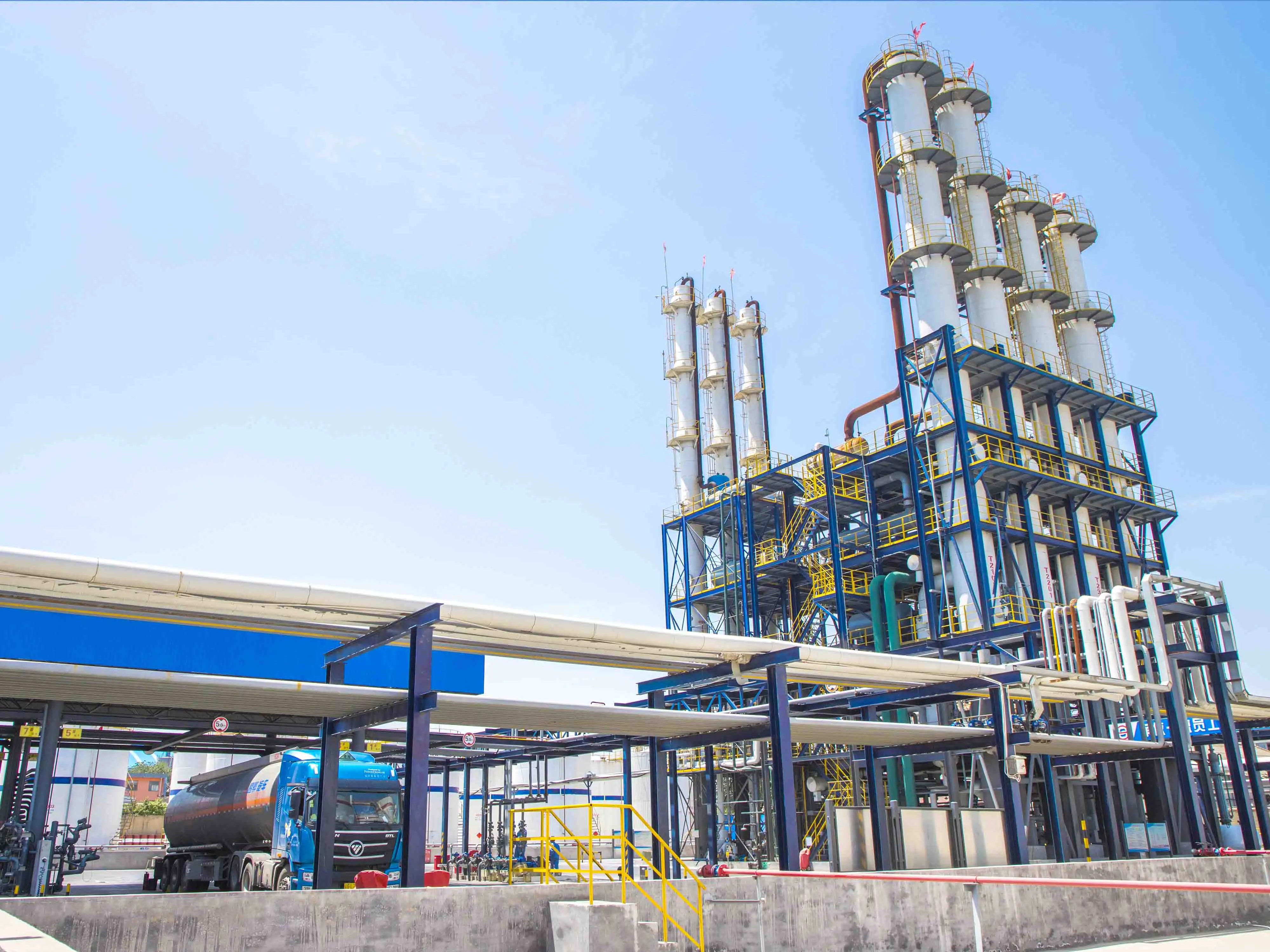
Our plant implements multi-column, continuous vacuum fractional distillation systems. This allows precise separation of C9 cuts, ensuring tight boiling range controls and low naphthalene residues.
With a registered capital of 60 million yuan and healthy credit profiles, we offer secure transaction facilities and support bulk shipment arrangements for global key accounts.
Beyond standard C9 solvents, our product center produces high-value intermediates (durene, 1,3-cyclohexanedione, heat transfer oils), providing a one-stop sourcing environment for agrochemical and polymer houses.
Located near Qingdao Port, one of the world's largest chemical export hubs, we coordinate multi-modal shipping via ISO tanks, flexitanks, and steel drums. We handle customs clearances and REACH registrations smoothly to simplify transit to Europe, Asia-Pacific, and Latin America.
A detailed chemical breakdown of the principal C9 solvent variants manufactured and processed in our refinery facility.
C9 Aromatic Solvents are clear, colorless, and highly stable liquids with a characteristic mild aromatic odor. They exhibit high solvency power for a broad spectrum of polymers, resins, and organic molecules, outperforming aliphatic hydrocarbons in coatings and agricultural formulations. The key products in this family include Aromatic Solvent S100 and Aromatic Solvent S150. Below is a professional reference specification table detailing their structural properties:
| Property / Parameter | Aromatic Solvent S100 (CAS 64742-95-6) | Aromatic Solvent S150 (CAS 64742-94-5) | Aromatic Solvent S150ND (Naphthalene Depleted) |
|---|---|---|---|
| Chemical Description | C9 Aromatic Hydrocarbon Fraction | C10-C11 Aromatic Hydrocarbon Fraction | Ultra-Low Naphthalene C10 Aromatic |
| Boiling Range (°C) | 150 – 185 | 178 – 210 | 180 – 212 |
| Flash Point (PMCC, °C) | ≥ 40 | ≥ 62 | ≥ 63 |
| Density at 15°C (g/ml) | 0.870 – 0.890 | 0.890 – 0.910 | 0.895 – 0.915 |
| Kauri-Butanol (KB) Value | ≥ 90 | ≥ 95 | ≥ 94 |
| Naphthalene Content (wt%) | < 0.1% | ≤ 8% to 10% | < 0.9% (Low Naphthalene) |
| Appearance | Colorless Transparent Liquid | Colorless Transparent Liquid | Colorless Transparent Liquid |
Our Aromatic Solvent S100 is produced using crude C9-C10 reformates through a continuous fractionation sequence. This ensures minimal benzene and toluene impurities, making it compliant with strict industrial health guidelines. For high-bake coatings and agricultural emulsifiable concentrates (ECs), our S150 and S150ND grades deliver slow, controlled evaporation, which prevents bubbling in surface coatings and enhances droplet stability on plant surfaces.
How C9 aromatic solvents resolve formulation challenges across global heavy industries.
In pesticides, herbicides, and fungicides, active ingredients (AIs) are often highly crystalline and insoluble in water. C9 solvents act as exceptional carrier solvents due to their high solvency. They allow the preparation of Emulsifiable Concentrates (ECs) that remain stable at sub-zero temperatures without crystallization.
C9 aromatic hydrocarbons are standard diluents in industrial, marine, and automotive coatings. They exhibit high compatibility with alkyd, acrylic, epoxy, and polyurethane resins. Their high-boiling characteristics ensure that during oven curing or air drying, the film forms smoothly without micro-pinholes.
Used in producing petroleum resins (C9 resins), adhesives, and sealants. It acts as an optimal solvent for polymerization reactions, enabling close control over viscosity and curing times. It is also used as a plasticizer compatibilizer in compounding PVC and rubbers.
Analyzing key shifts in environmental regulations and their impact on global supply chains.
The global chemical sector is undergoing a transition driven by environmental compliance and user safety. Historically, standard C9 and C10 aromatic streams contained up to 10% naphthalene. However, regional authorities—such as the European Chemicals Agency (ECHA) and the US EPA—have classified naphthalene as a potential carcinogen, introducing strict limits on its concentration in consumer and agricultural products.
This regulatory shift has accelerated the demand for **Naphthalene-Depleted (ND)** versions of Aromatic 150 and Aromatic 200. Developing these products requires advanced, high-precision fractional distillation systems that can isolate naphthalene (boiling point 218°C) from the surrounding C10 aromatics without losing the overall solvency properties of the hydrocarbon mixture.
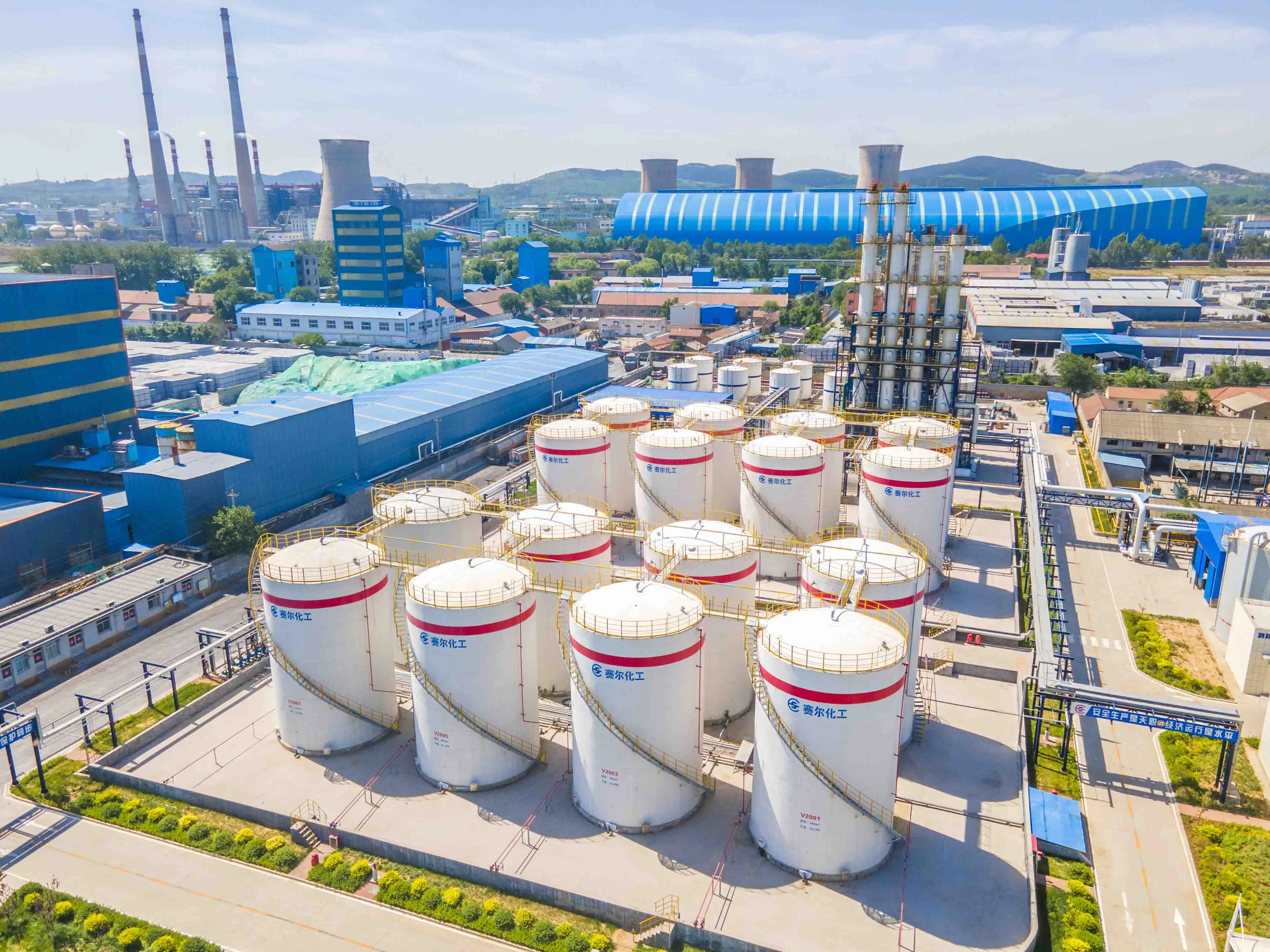
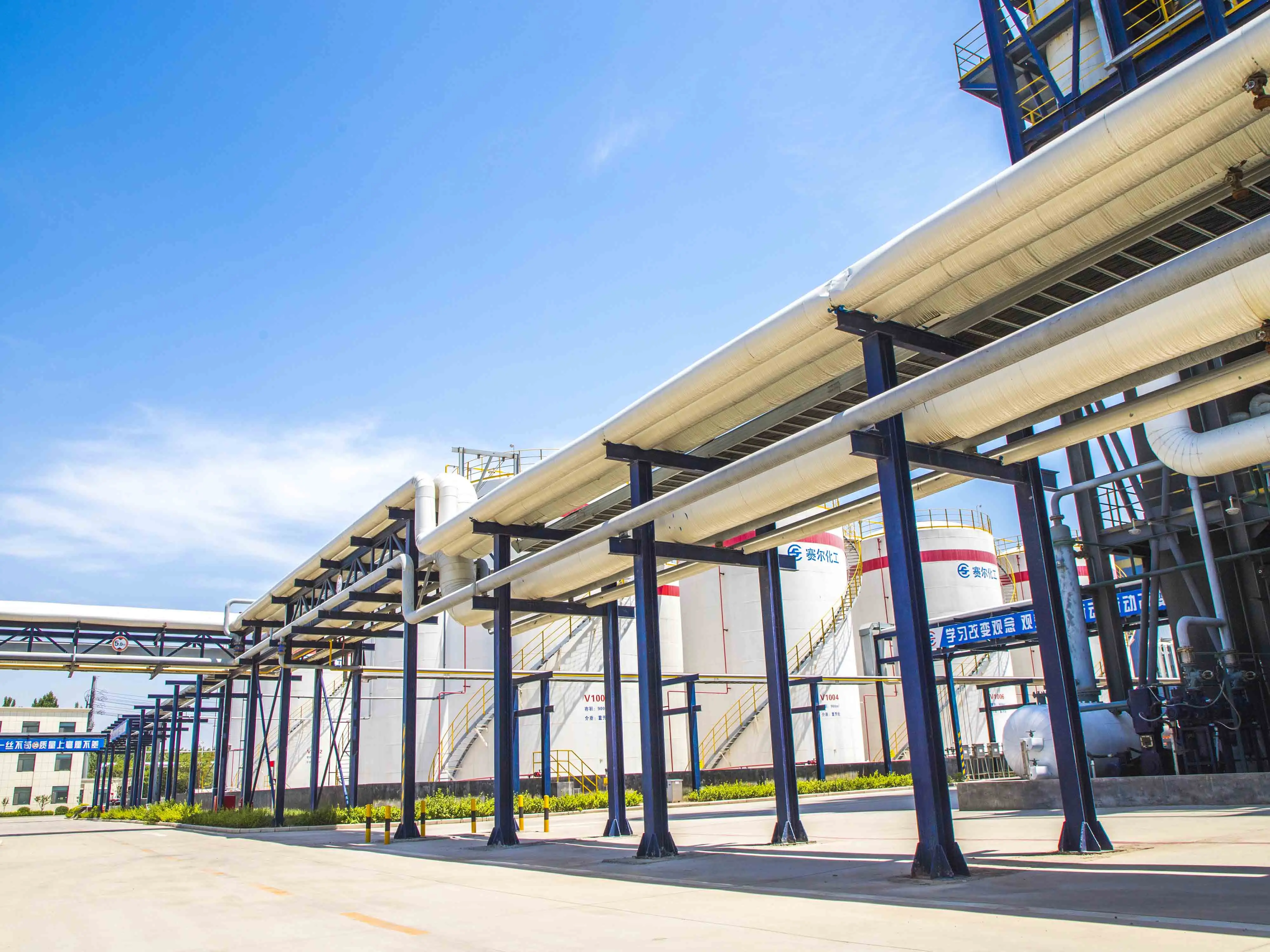
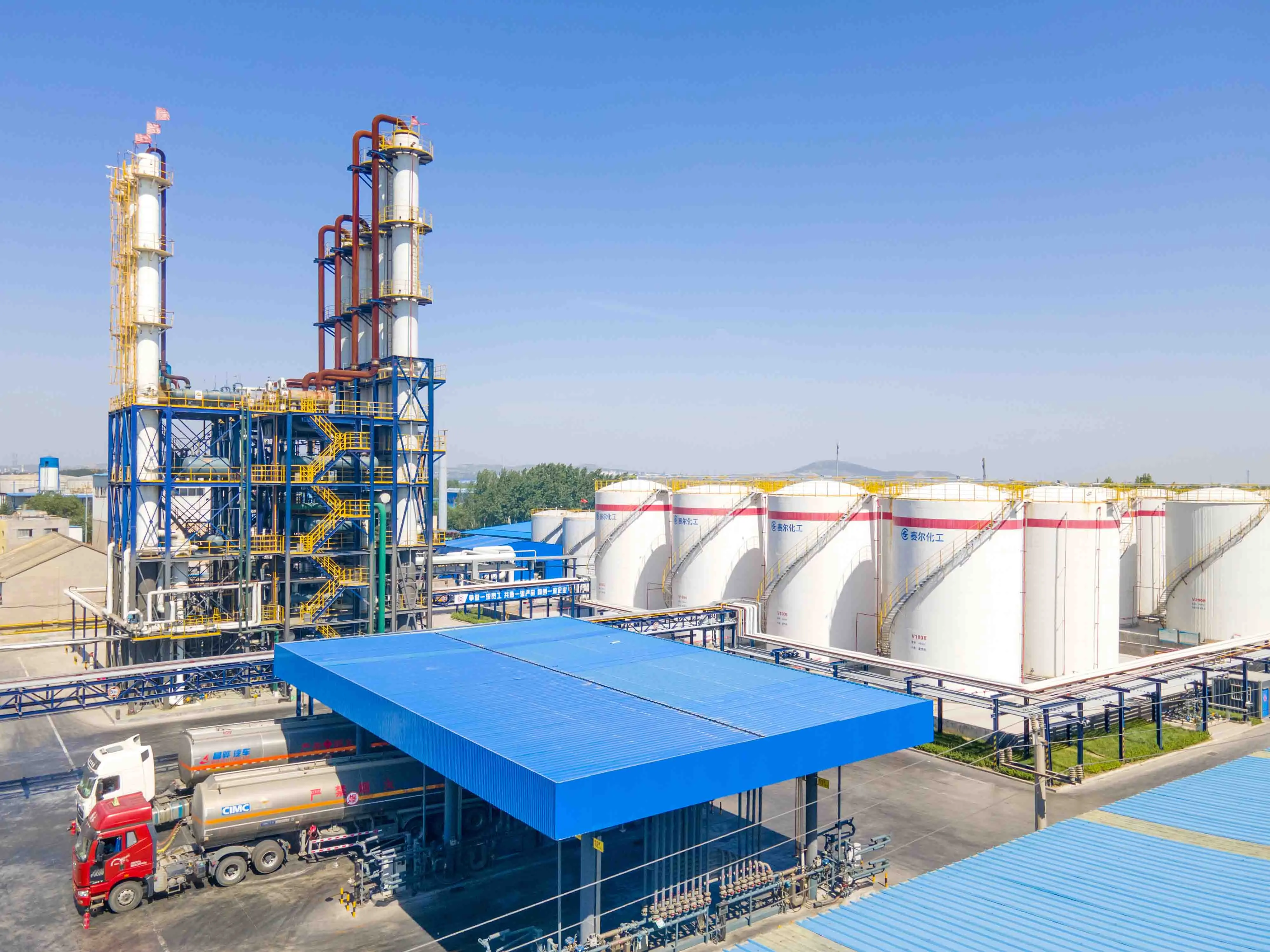
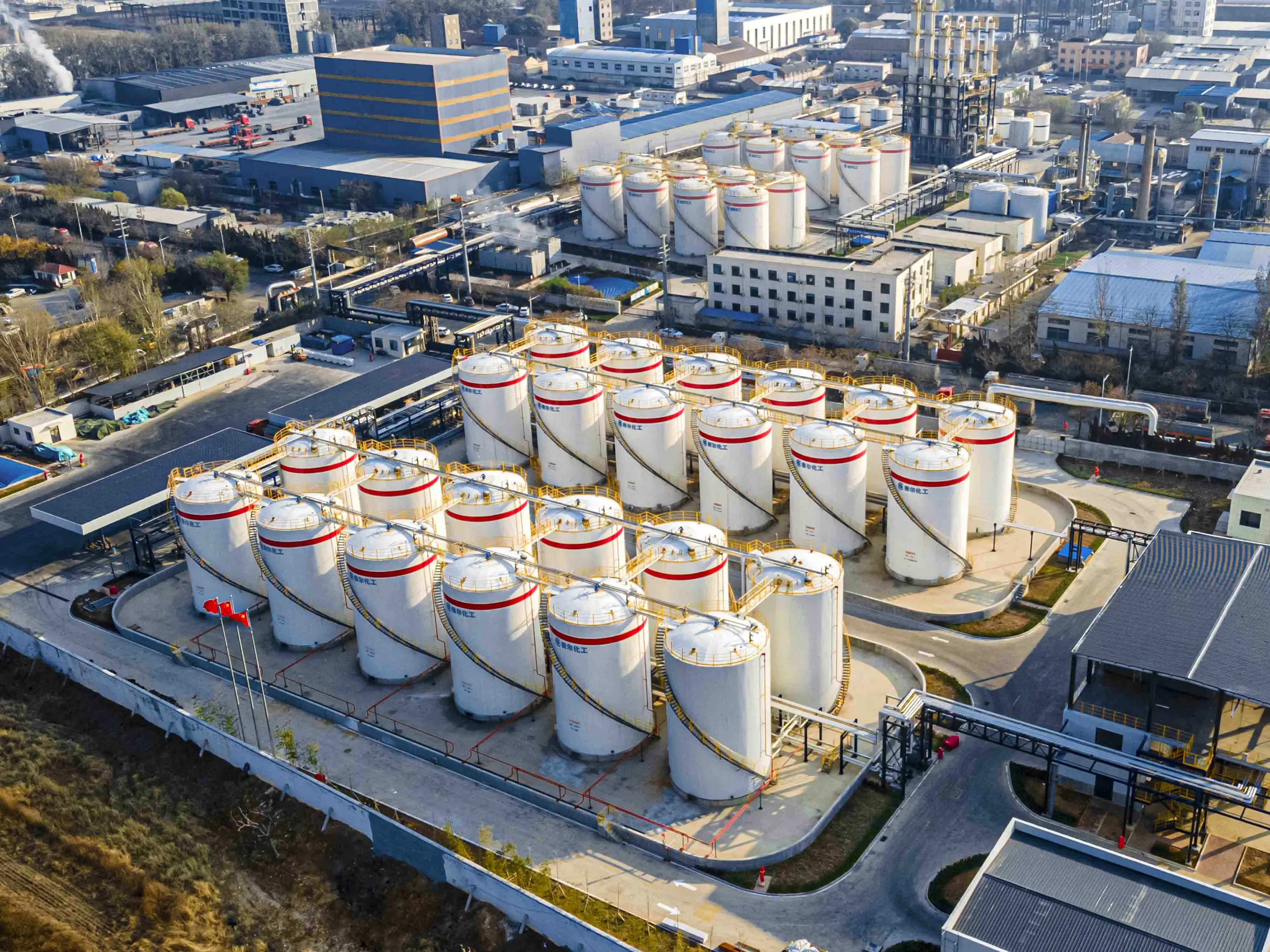
A view into our production lines, storage tank terminals, and quality verification divisions.
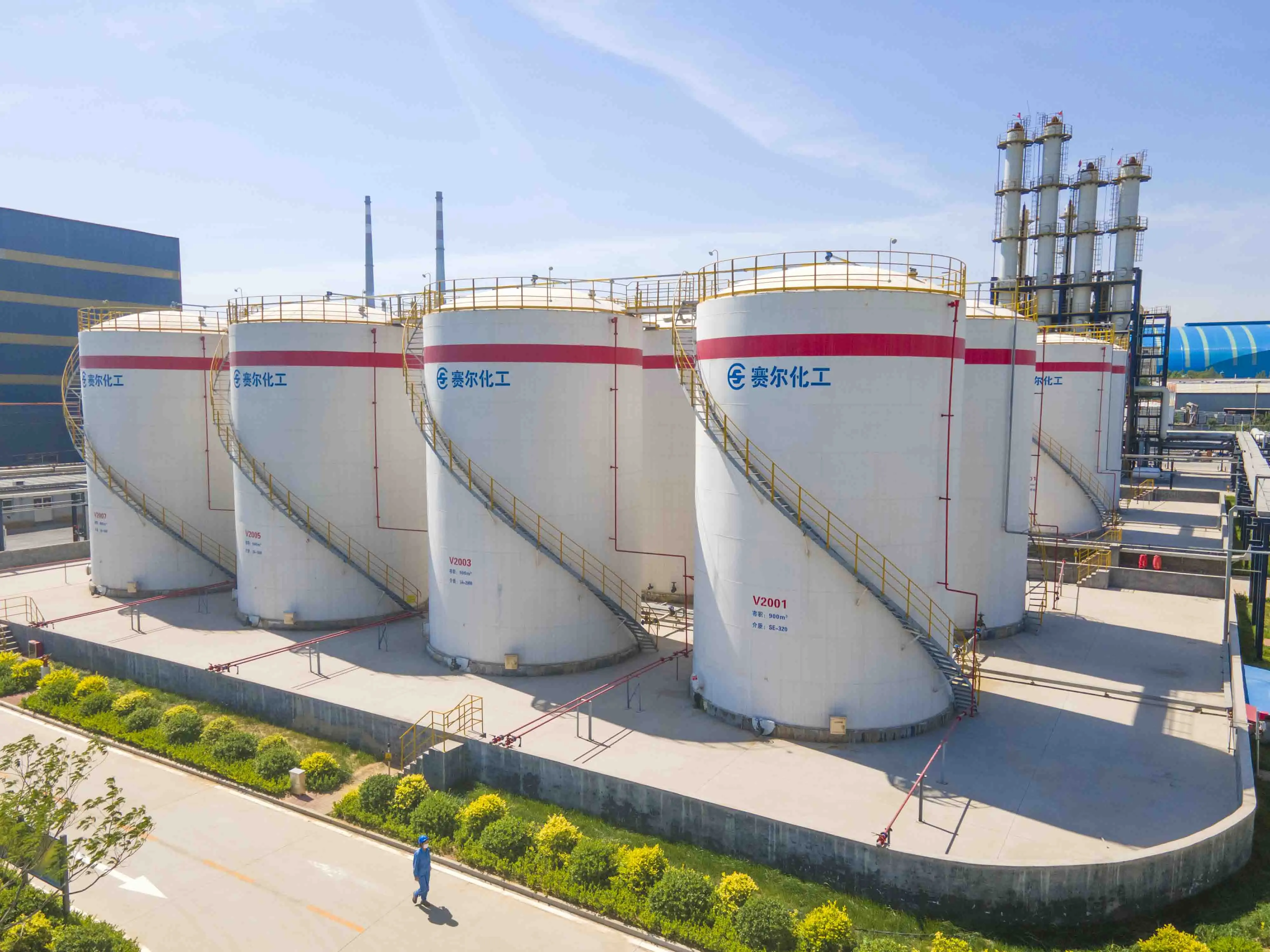
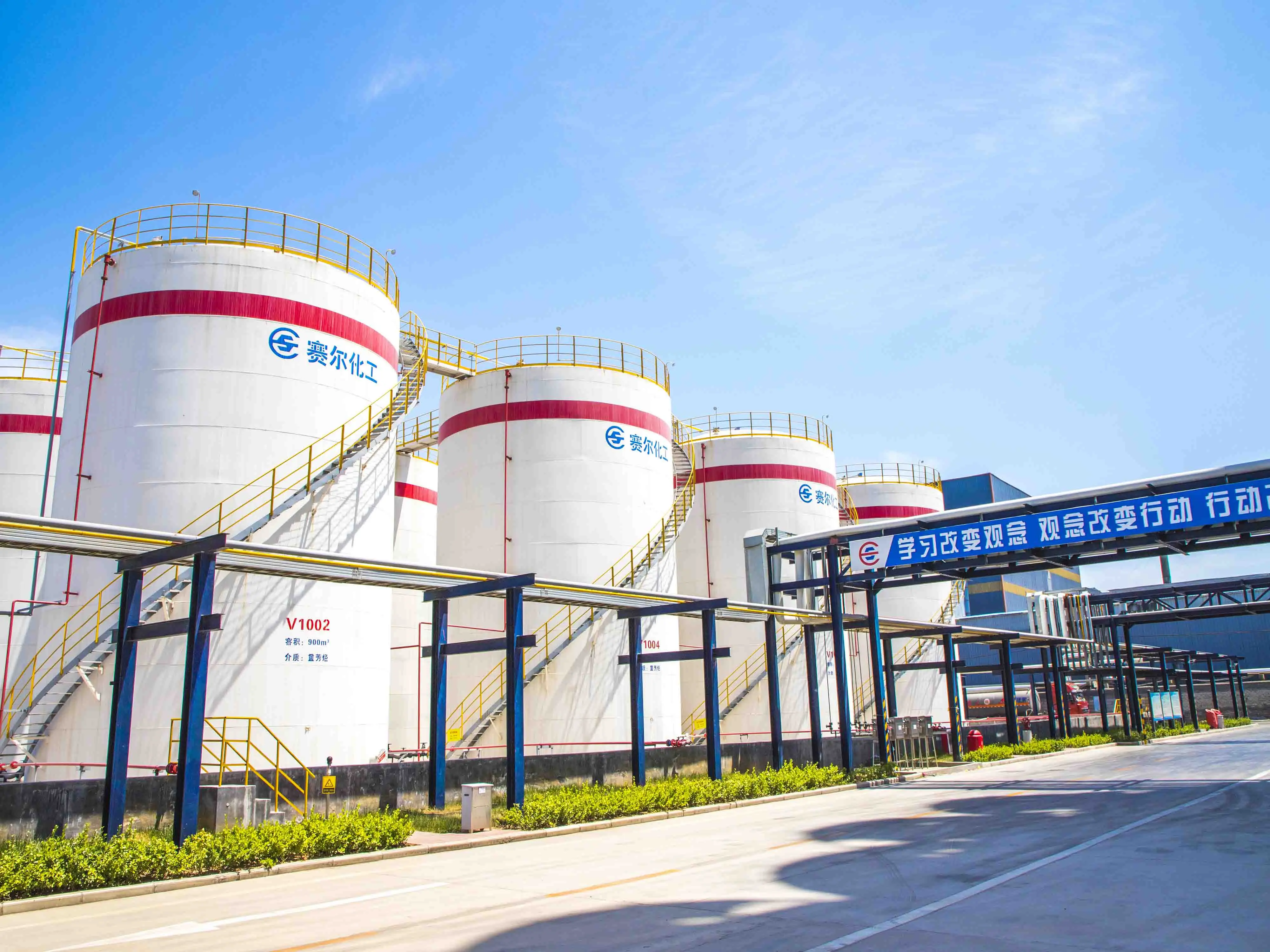
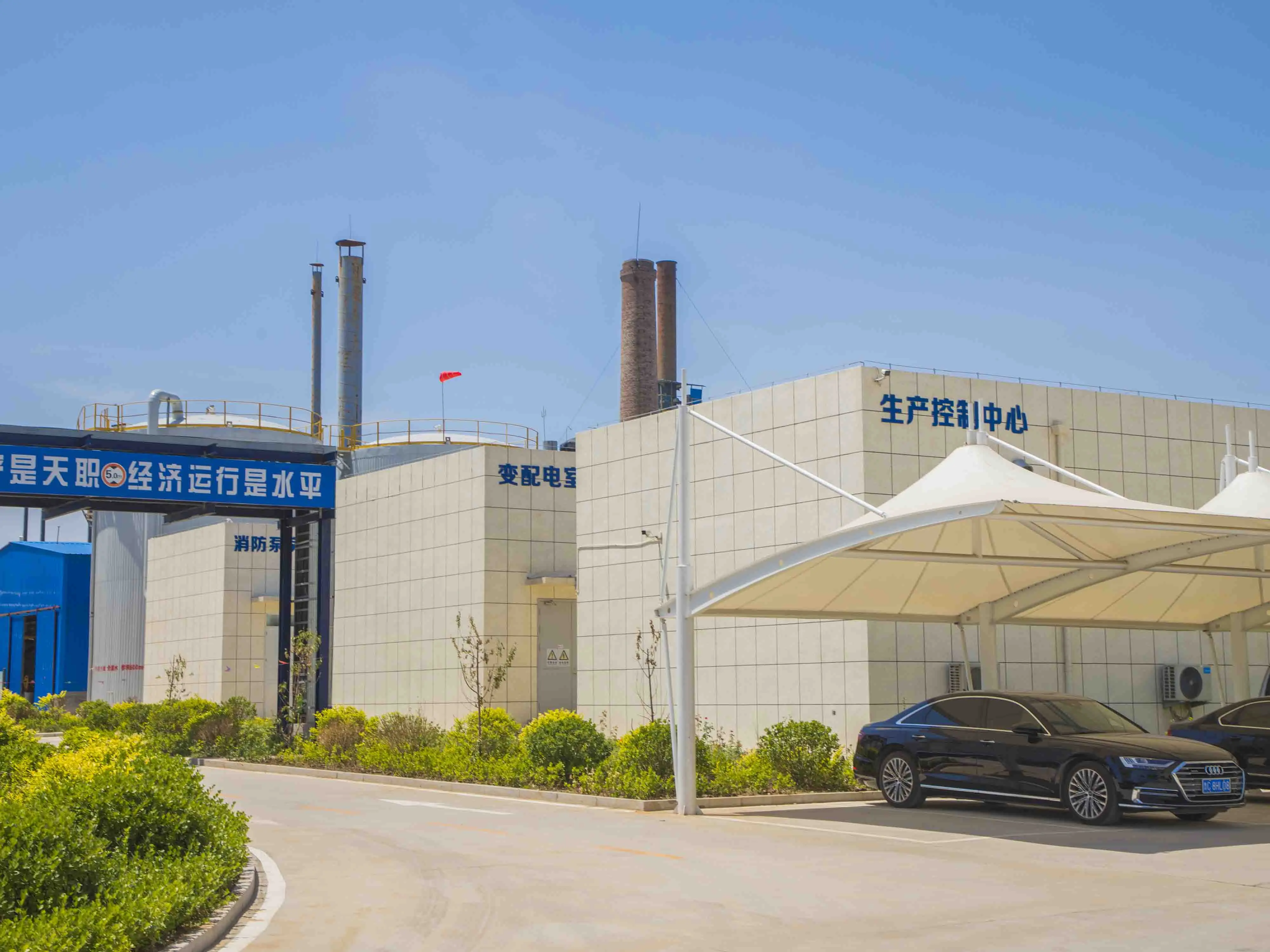
Operating out of Zibo, Shandong, Saier Chemical's plant occupies a sprawling footprint inside the Qilu Chemical Industrial Park. Our installations feature massive storage tank farms, automated drumming lines, and a dedicated logistics siding that connects us directly to the national rail system. Our continuous distillation columns run around the clock, monitored by a centralized DCS control room to keep our annual capacity at 720,000 tons.
Answering critical technical and purchasing queries from polymer chemists, pesticide formulators, and procurement managers.
A: Aromatic Solvent C9 (CAS 64742-95-6) is a hydrocarbon mixture containing primarily C9 aromatic compounds. It consists of trimethylbenzenes (such as 1,2,4-trimethylbenzene and 1,3,5-trimethylbenzene), ethyltoluenes, and propylbenzenes. It contains negligible levels of benzene (typically < 10 ppm) and toluene, which satisfies international workplace exposure safety standards.
A: The primary differences are the boiling ranges and flash points. Aromatic S100 has a boiling range of 150–185°C and a flash point of ≥ 40°C, making it suitable for applications requiring medium-fast drying profiles. Aromatic S150 has a boiling range of 178–210°C and a flash point of ≥ 62°C, making it better suited for applications requiring high-temperature baking or slow evaporation rates (e.g., coil coatings and pesticide emulsifiable concentrates).
A: Naphthalene is classified as a hazardous substance under EU REACH, US EPA, and GHS guidelines. In pesticide formulations, if the naphthalene content exceeds specific thresholds, the final product must carry hazard labels warning of carcinogenicity. By using Aromatic S150ND (which contains < 1% or < 0.9% naphthalene), formulators can avoid these labels, ensuring compliance with global environmental regulations.
A: We operate under a strict ISO 9001:2015 quality management system. Raw feedstocks are tested via online gas chromatography before fractionation. Each finished product batch undergoes laboratory testing for density, distillation range, color (Saybolt color scale), flash point, and moisture content before being cleared for loading. COA (Certificate of Analysis) and SDS sheets accompany every batch.
A: We provide diverse logistics solutions tailored to bulk requirements. These include 200L steel drums (180kg/drum), heavy-duty flexitanks (approx. 20-22 tons per 20ft container), and ISO tank containers for long-term lease or spot transport. Our proximity to Qingdao Port enables prompt shipping schedules.
Discover our complementary line of synthesis intermediates, organosilicon reagents, and heat transfer oils.
Request a customized sample of Aromatic Solvent S100, S150, or S150ND. Discuss packaging formats, specification adjustments, or shipping configurations with our technical sales team.
 Saier Chemical