Premium grade chemicals synthesized to meet Qatari environmental standards and industrial performance specifications.

Doha, the capital city of Qatar, sits at the heart of the global hydrocarbon sector. As Qatar progresses toward its ambitious Qatar National Vision 2030, the local economy is undergoing a structural transition. This shift pivots away from a reliance on raw crude oil and liquified natural gas (LNG) exportation, moving towards advanced chemical synthesis, secondary manufacturing, and localized downstream processing. The Mesaieed Industrial Area and Ras Laffan Industrial City are rapidly modernizing, creating a high-volume demand for specialty chemical intermediates, catalysts, high-boiling aromatic solvents, and high-temperature heat transfer fluids.
The desert climate and extreme maritime environment of the Persian Gulf require chemical formulations that are highly stable. Under ambient summer temperatures exceeding 50°C, typical solvents volatilize rapidly, and standard mechanical components are prone to severe corrosion. Our premium product range—led by high-grade Aromatic Solvents (S100, S150, S150ND, S180, S200) and heavy-duty Heat Transfer Oils (L-QC320)—is engineered to deliver thermal stability and high performance, meeting the strict requirements of local refineries, infrastructure developers, and industrial processors.
By integrating advanced molecular structures with Chinese refining feedstocks (sourced from Sinopec, PetroChina, ChemChina, Zhejiang Petrochemical, and Hengli Petrochemical), Shandong Saier Chemical provides Doha-based engineering and petrochemical firms with reliable alternatives to European imports. We specialize in supply chain resilience, minimizing logistical lead times, and maintaining strict compliance with the Qatari Ministry of Municipality and Environment (MME).
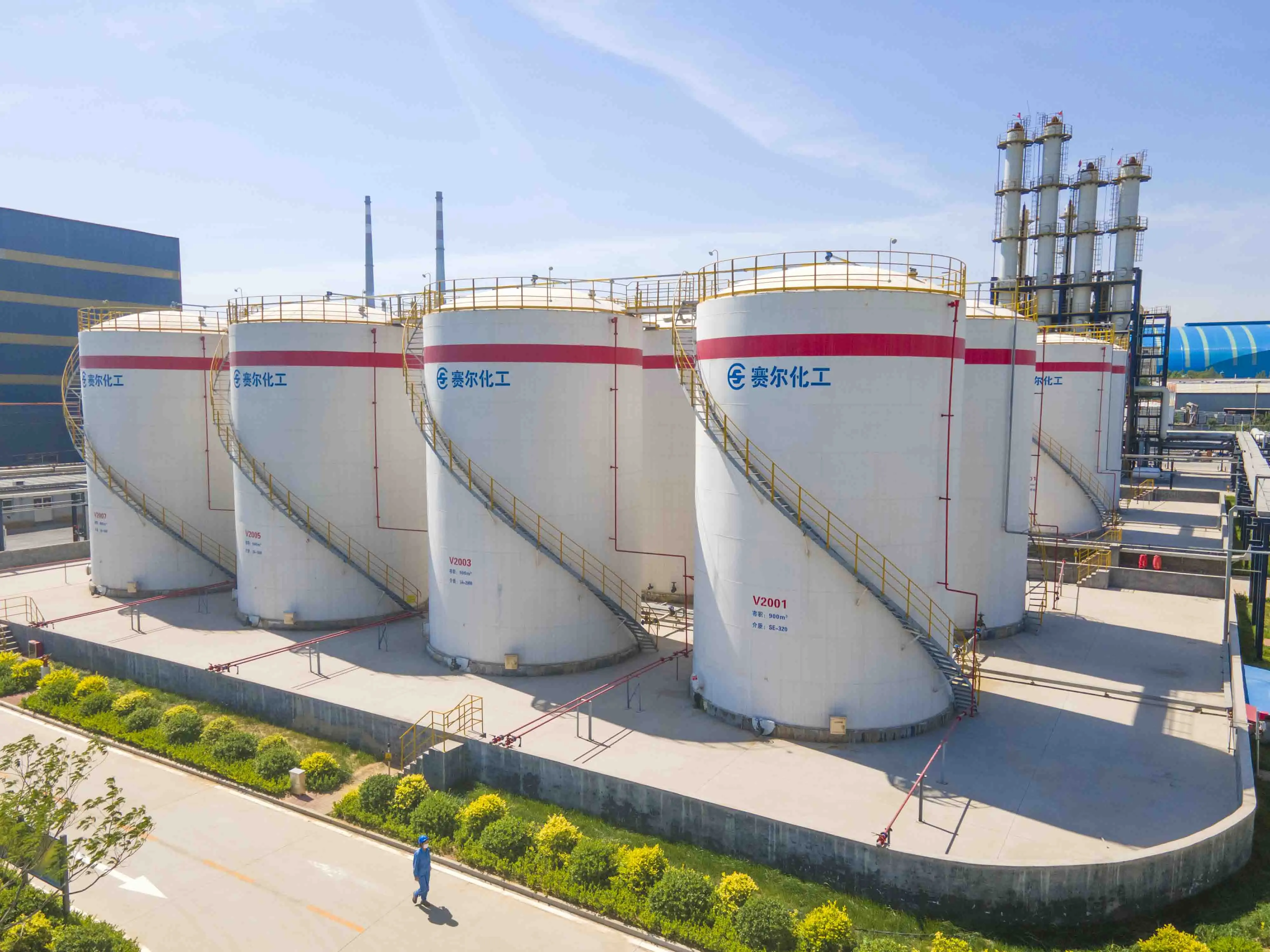
The international chemical supply chain relies on consistency, scale, and high-purity raw material feedstocks. Shandong Saier Chemical Technology Development Co., Ltd., established in December 2004 and located in the Qilu Chemical Industrial Park, Zibo City, Shandong Province, has built a manufacturing and distribution framework designed to meet these needs. With a registered capital of 60 million yuan and an annual production capacity reaching 720,000 tons, our infrastructure is optimized for high-volume exports to key global regions, including the Middle East, Europe, the Americas, and Southeast Asia.
Our operations bridge Chinese refinery output with Doha's industrial needs. We source raw feedstocks from major refining hubs like Sinopec and PetroChina, processing them into high-value specialty solvents, PVC plasticizers, durene, and fine chemicals. This direct-sourcing model ensures chemical composition consistency, offering Doha's petrochemical operators reliable solvents and intermediates for local applications.
High-affinity chemical compounds synthesized for optical polymers, crop protection formulas, and advanced paint coatings.
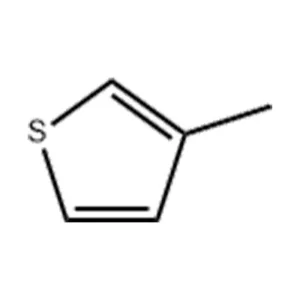
The application of specialized organic and inorganic intermediates in Qatar spans several critical sectors, including marine engineering, water management, oil refinement, and regional agricultural development:
Given Qatar's limited natural freshwater resources, the country relies heavily on multi-stage flash (MSF) distillation and reverse osmosis (RO) seawater desalination. Desalination facilities face challenges from mineral scaling, biological fouling, and heavy metal accumulation.
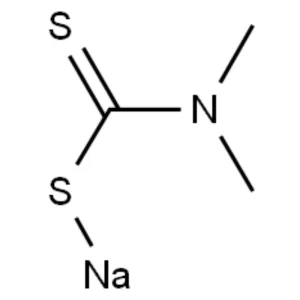
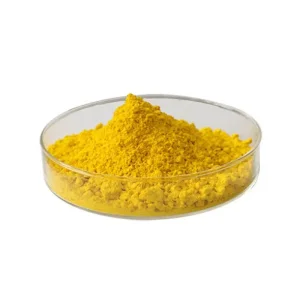
Our Sodium Dimethyldithiocarbamate (CAS 128-04-1) is engineered as a heavy metal precipitant. In industrial water loops, it bonds with dissolved divalent heavy metal ions (such as copper, nickel, and zinc), forming insoluble complexes that can be removed via sedimentation or filtration. Additionally, it serves as a biocide in cooling water systems, helping control bacterial slime and algae growth in Qatar's thermal desalination networks.
For Doha’s oil refineries and gas processing centers, catalytic hydrotreating is essential to reduce sulfur content in fuels, aligning with global environmental regulations. Hydrotreating catalysts must be activated using specialized sulfiding agents.
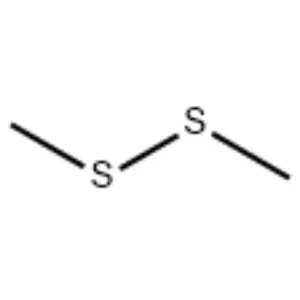
Dimethyl Disulfide (DMDS, CAS 624-92-0) is used as a sulfiding agent in hydrotreating catalysts. Its high sulfur content (68%) and relatively low decomposition temperature allow for the controlled in-situ sulfiding of cobalt-molybdenum (CoMo) and nickel-molybdenum (NiMo) catalysts. This process helps convert metal oxides into active metal sulfides, optimizing hydrodesulfurization (HDS) efficiency.
Doha’s extensive infrastructure—such as the Lusail district cooling systems and offshore drilling platforms—requires reliable anti-corrosion protection. Offshore environments accelerate electrochemical corrosion due to high salinity and temperatures.
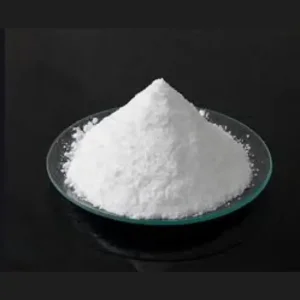
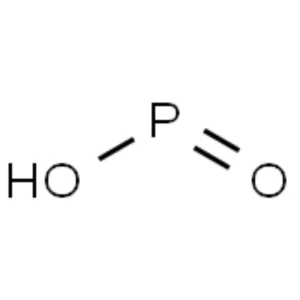
Our Sodium Hypophosphite (CAS 7681-53-0) is used as a reducing agent in electroless nickel plating (ENP). This chemical process deposits a uniform nickel-phosphorus alloy coating onto complex steel geometries, including valve interiors and drill pipe threads. The resulting layer provides wear resistance and protection against saline environments, hydrogen sulfide (H2S), and carbon dioxide (CO2).
In closed-loop solar thermal plants and industrial chemical reactors operating in Doha, Heat Transfer Oil L-QC320 is recommended. Formulated to resist thermal cracking at bulk temperatures up to 320°C, it maintains low viscosity for heat exchanger efficiency, supporting the continuous operation of high-temperature processes.
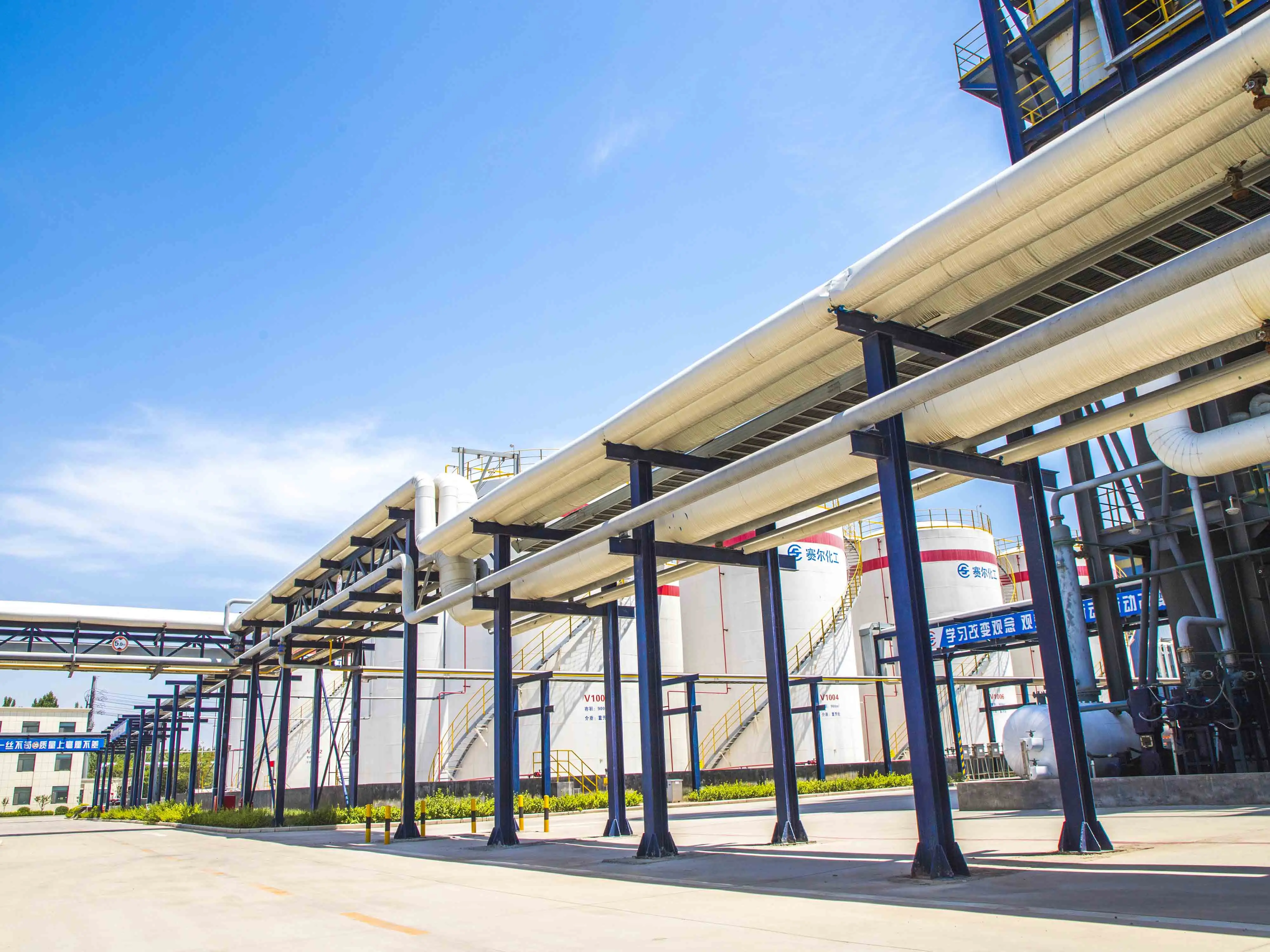
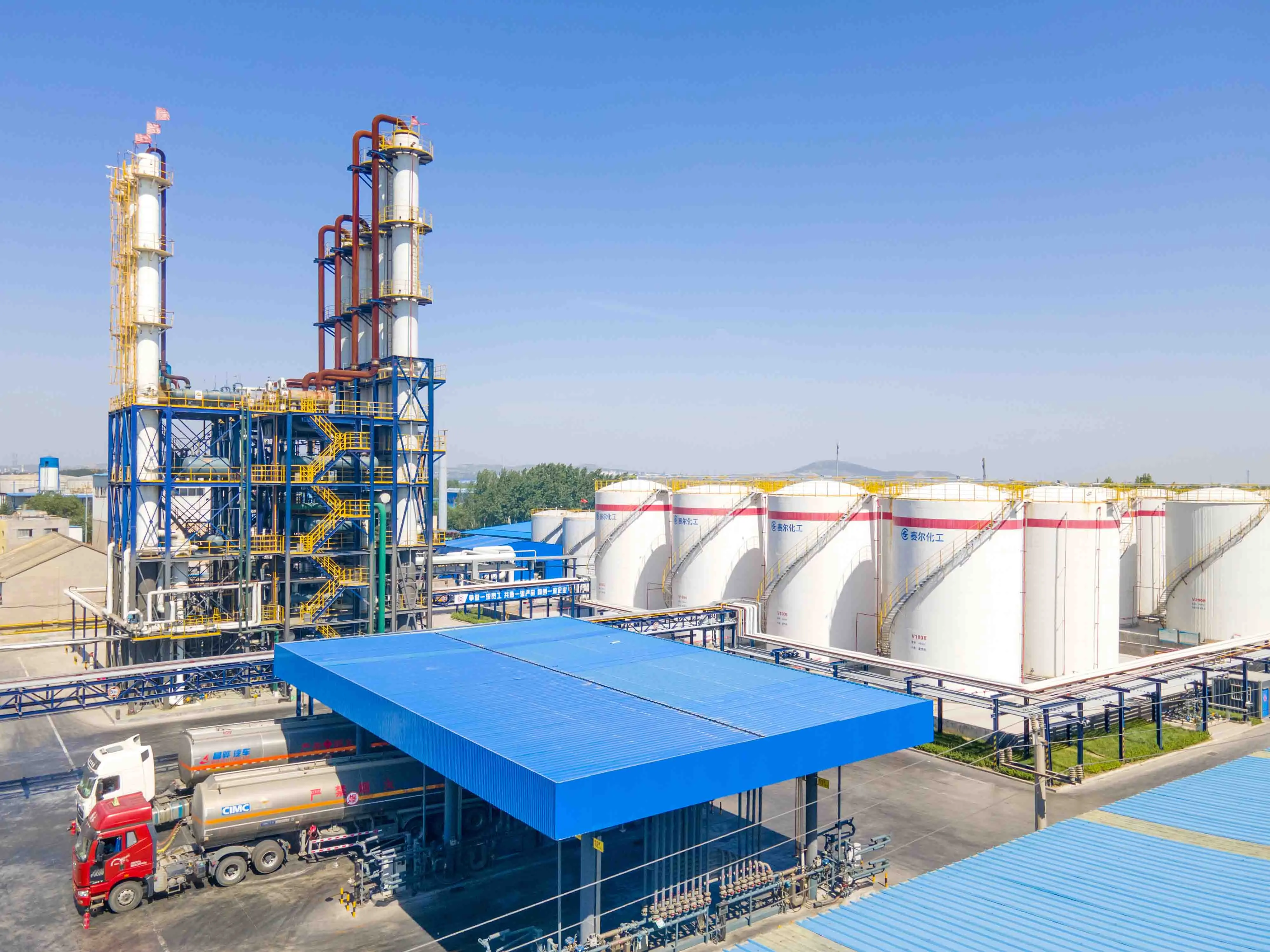
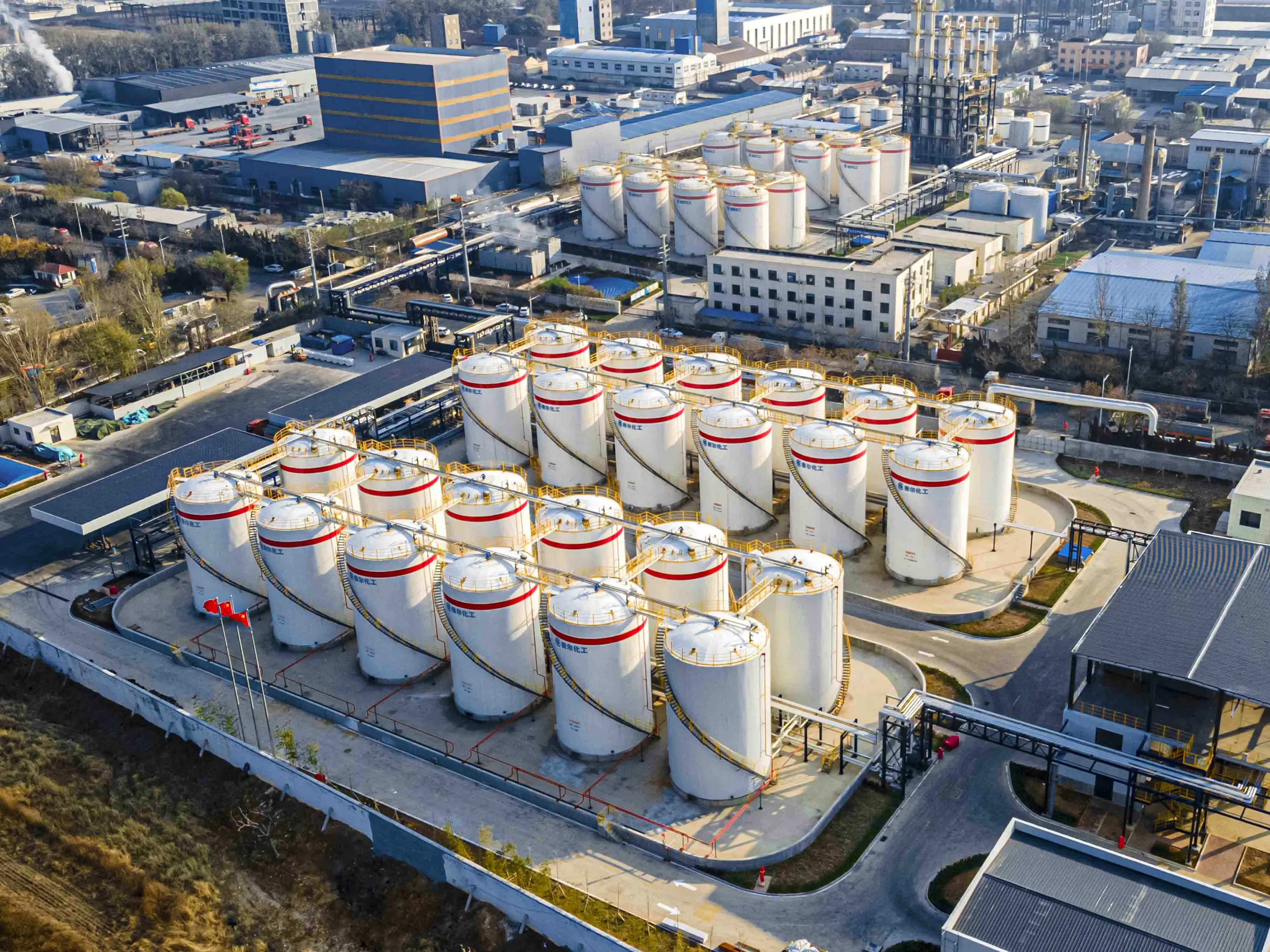
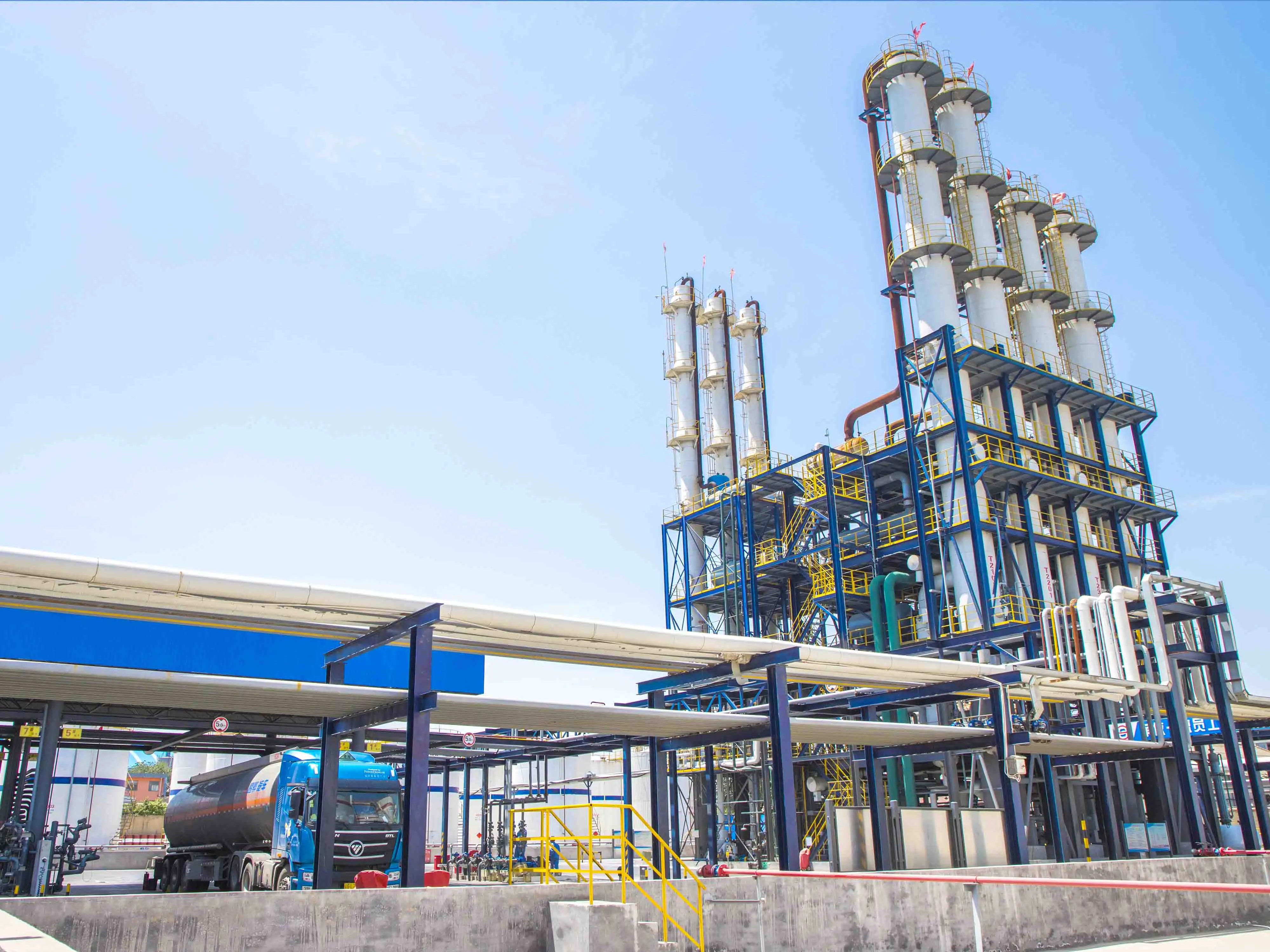
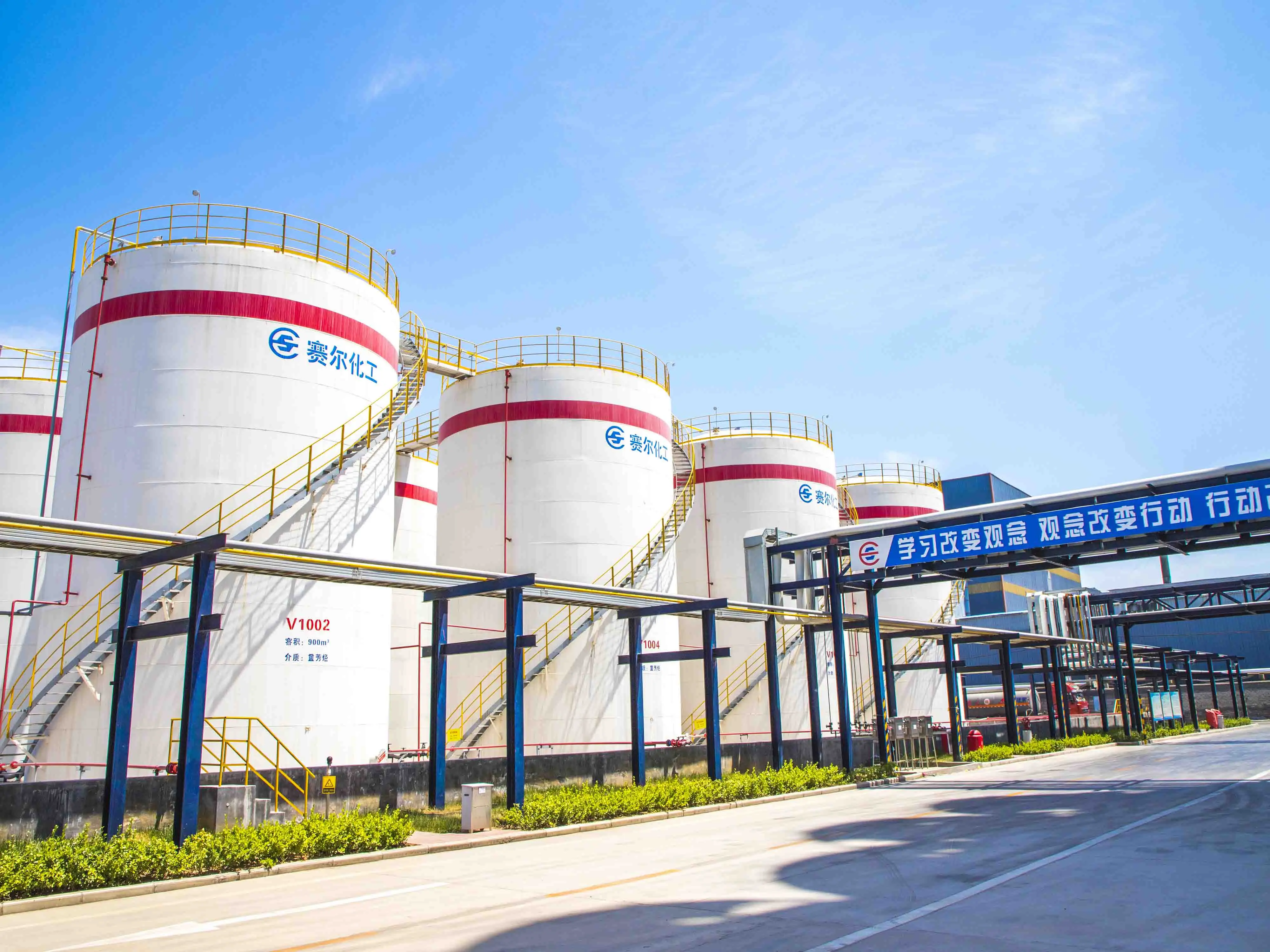
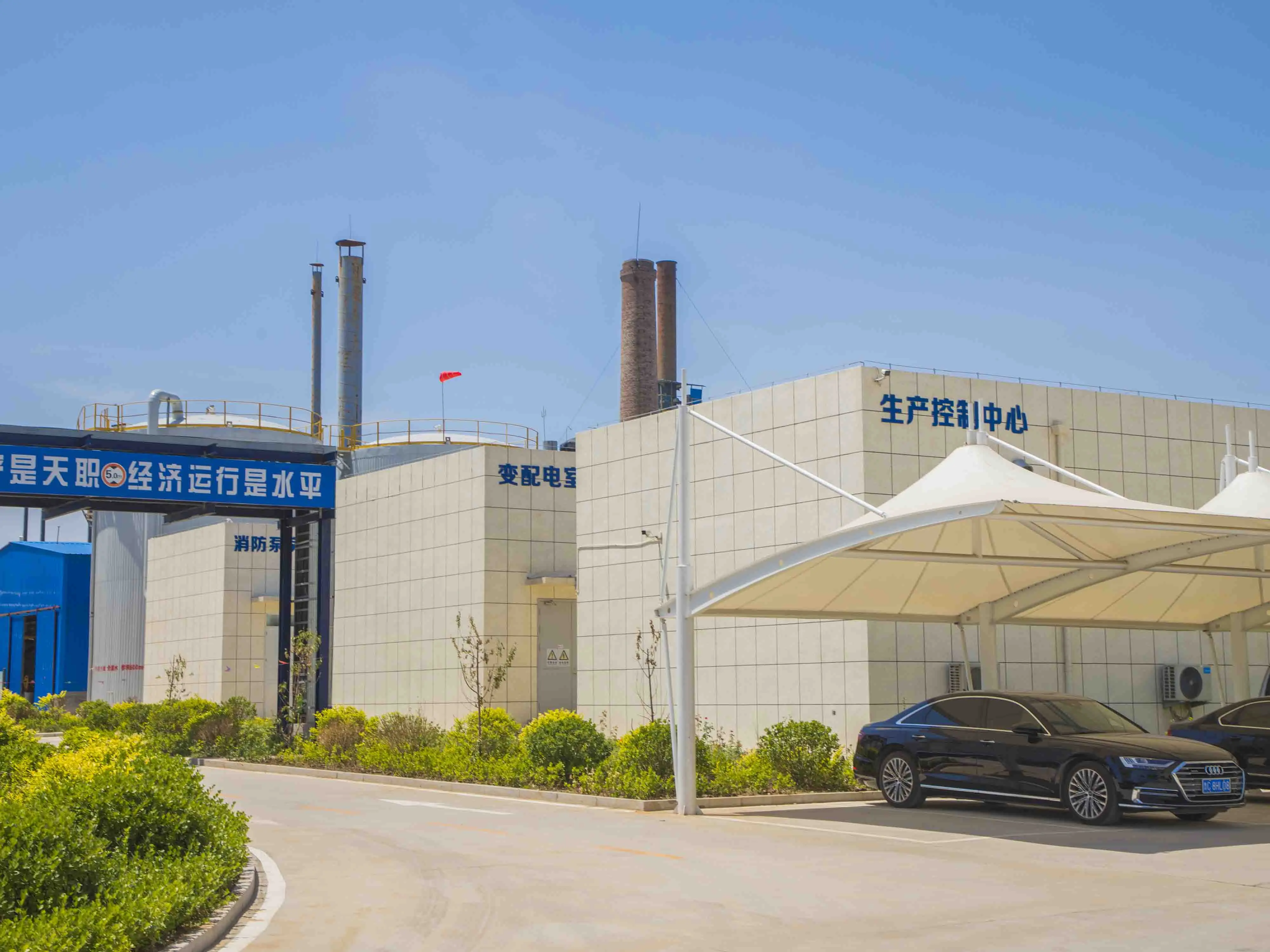
Operating a 720,000-ton capacity production facility with automated controls, quality verification, and environmental compliance.
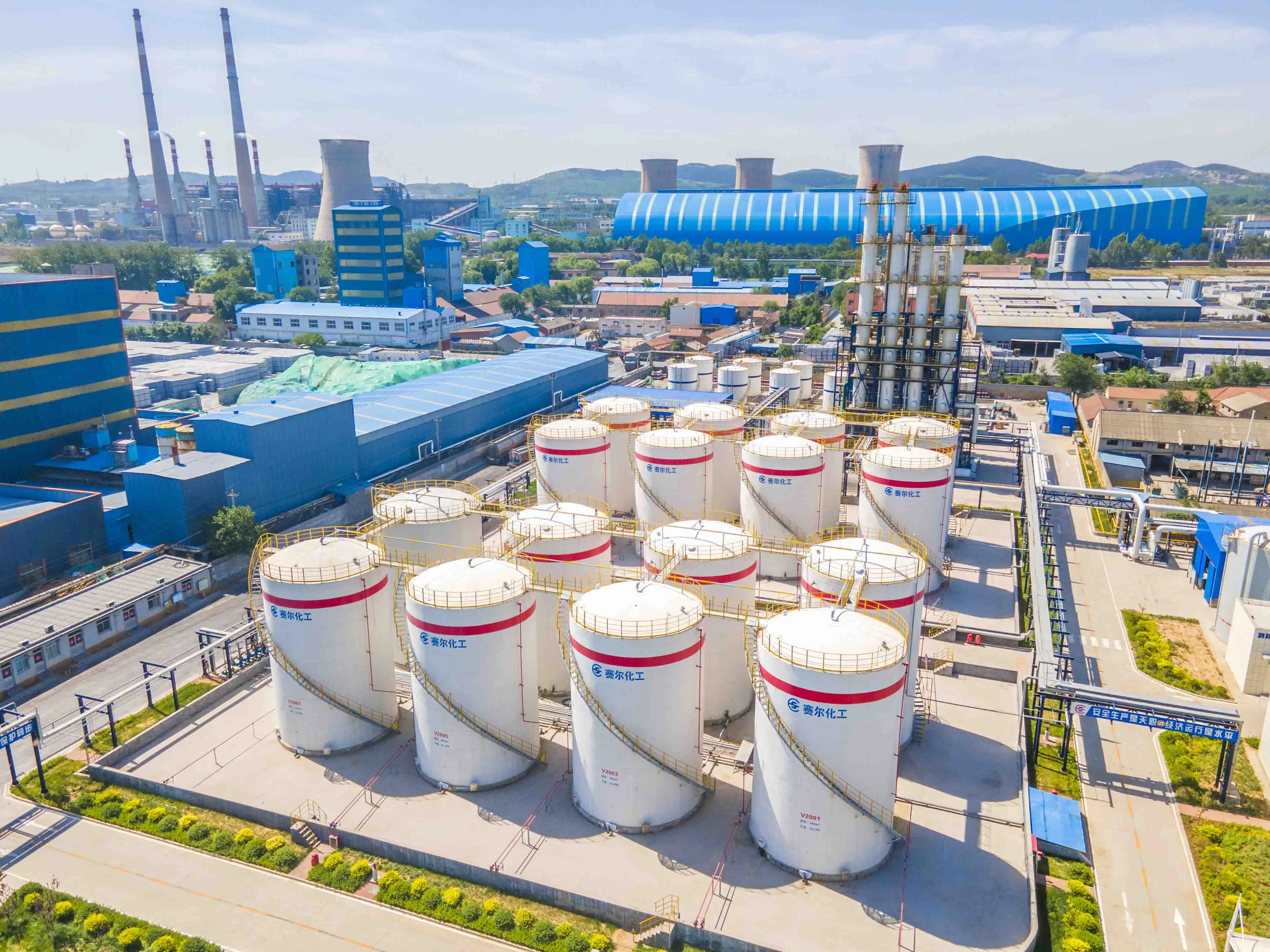
Aligning molecular design and logistics with global green initiatives and Doha's sustainable development guidelines.
As environmental regulations tighten globally, Shandong Saier is investing in the development of low-toxicity solvents and bio-based intermediates. We are working to optimize our aromatic solvent lines, such as S150ND (Naphthalene Depleted), to reduce environmental impact without sacrificing solubility performance. This is particularly relevant for Doha’s agricultural formulations, where low-naphthalene chemistry supports compliance with regional safety standards.
Additionally, we focus on catalytic process optimization to reduce energy consumption during synthesis, working to align our operations with Qatar’s carbon-neutral targets.
Our logistics framework is structured to ensure timely transport from our manufacturing base to Hamad Port. By utilizing temperature-controlled containers and ISO tanks, we protect temperature-sensitive intermediates from degradation during transport through high-temperature zones.
We also provide integrated document packages, including certificate of origin documents, analytical testing reports (COA), safety data sheets (SDS) aligned with Qatari regulations, and customs paperwork to facilitate port clearance.
Get direct access to our technical specialists for chemical analysis, customs compliance support, and bulk pricing tailored to the Qatari market.
Send Inquiry NowComprehensive list of our exported chemical intermediates. Click below for detailed specifications, safety sheets, and ordering information.
Importing chemical intermediates into the State of Qatar requires compliance with regional safety and environmental frameworks. The Qatari Ministry of Municipality and Environment (MME) and Qatar Civil Defense enforce strict regulations regarding the handling, storage, and transport of hazardous and non-hazardous chemicals.
Shandong Saier Chemical aligns its operations with international quality standards. We maintain ISO 9001:2015 (Quality Management Systems), ISO 14001:2015 (Environmental Management Systems), and ISO 45001:2018 (Occupational Health and Safety) certifications. Every shipment exported to Doha is accompanied by comprehensive documentation:
By maintaining high standards in chemical synthesis and documentation, we help Doha-based importers satisfy local regulatory audits and minimize delays at Qatari customs.
Key answers regarding lead times, logistics, quality assurance, and customized chemical supply for the Qatari market.
For standard shipments departing from Qingdao or Tianjin ports, the ocean transit time to Hamad Port is approximately 18 to 25 days. Including manufacturing, QA verification, and export custom clearances, we advise clients to plan for a total lead time of 35 to 45 days for customized bulk orders.
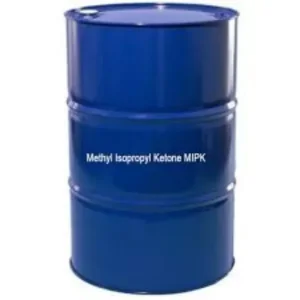
To prevent thermal degradation and vapor pressure buildup during summer transport, volatile chemicals such as Aromatic Solvent S100 and MIPK are shipped in refrigerated containers (reefers) or specialized insulated ISO tanks. Nitrogen blanketing is applied to prevent oxidation and moisture ingress.
Yes. Our R&D department at the Zibo facility can adjust parameters such as purity levels, distillation ranges, water content, and stabilizer concentrations to meet client requirements. Every custom batch undergoes laboratory analysis, with a COA provided prior to shipping.
Yes, we assist Qatari importers by providing compliant documentation. We supply GHS-compliant SDS, certificate of origin documents, customs-cleared HS classifications, and packaging certifications to support approvals from the Ministry of Municipality and Environment (MME) and Qatar Civil Defense.
Connect with our export coordinators for direct pricing and logistic schedules to Doha.
 Saier Chemical