Premium grade raw materials verified for optical, electronic, and high-purity pharmaceutical manufacturing requirements.
Navigating regulatory hurdles, environmental metrics, and synthesis requirements in the world's most demanding advanced materials market.
Japan's chemical and electronics industries have long set the global gold standard for quality, precision, and purity. Home to giants in semiconductor fabrication, advanced displays (OLED/LCD), automotive primers, and specialty pharmaceuticals, the domestic Japanese market has strict expectations for its supply partners. In recent years, Japan's domestic chemical manufacturing has faced structural shifts. Factors such as aging production infrastructure, rising electricity and fuel costs, and stringent domestic environmental regulations under METI (Ministry of Economy, Trade and Industry) have prompted many leading Japanese corporations to reassess their procurement chains.
Rather than relying solely on local, high-overhead synthesis sites, procurement departments in Tokyo, Osaka, and Nagoya are adopting a diversified supply model. By sourcing high-quality intermediates from verified, scale-efficient manufacturers in China, Japanese businesses can protect their margins without compromising on the absolute quality standards required for domestic applications. This is where Shandong Saier Chemical Technology Development Co., Ltd. serves as a critical link, providing chemical integrity, reliability, and regulatory compliance.
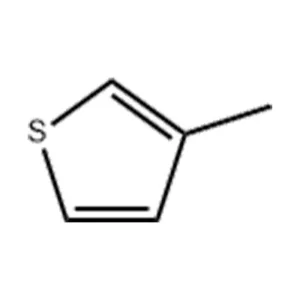
The production of complex intermediates, such as Thiophene derivatives or heterocyclic building blocks, requires significant energy resources, raw material access, and advanced environmental remediation facilities. China's chemical industry, particularly within optimized national industrial parks like the **Qilu Chemical Industrial Park in Zibo, Shandong Province**, offers an unmatched ecosystem for cost-controlled, large-scale synthesis.
By utilizing directly integrated pipelines from petrochemical hubs (sourcing raw materials from state-owned enterprises like Sinopec and PetroChina, alongside major refiners like Hengli Petrochemical), Shandong Saier eliminates middle-man transport costs and guarantees a continuous supply of feedstock. This raw material security allows the company to absorb global price fluctuations, ensuring long-term pricing contracts for Japanese clients who prioritize budget predictability. Furthermore, scale-efficiency is supported by automated production systems, allowing us to maintain a production capacity of **720,000 tons per year**.
Analyzing the specific technological integrations of fine chemical intermediates across Japan's economic sectors.
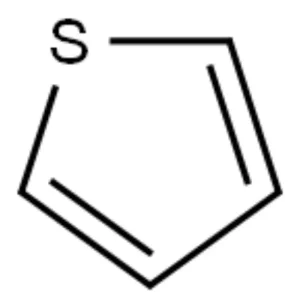
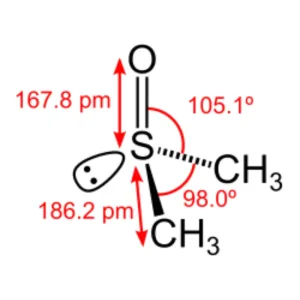
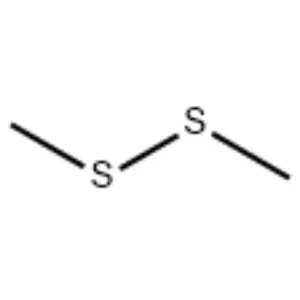
Kyushu (often called Silicon Island) and the Tohoku region host some of the world's most advanced semiconductor cleanrooms. In these industries, high-purity solvents and chemical precursors are essential. For instance, **Dimethyl Sulfoxide (DMSO)** and various specialized sulfur-containing intermediates are widely deployed as photoresist strippers, cleaning formulations, and chemical mechanical planarization (CMP) additives. Additionally, Thiophene and its derivatives function as critical monomer precursors for conducting polymers (such as PEDOT), which are integrated into high-reliability solid electrolytic capacitors and organic field-effect transistors (OFETs).
The automotive clusters in Aichi and Kanagawa prefectures demand exceptionally durable, weather-resistant, and aesthetically flawless finishes. Our high-boiling aromatic solvents, including **Aromatic Solvent S100, S150, and S200**, serve as the premium solvent bases for high-bake automotive coatings, coil coatings, and industrial varnishes. These solvents offer controlled evaporation rates and high solvency for resins, preventing surface defects like pinholing and orange peel during high-temperature curing cycles in automated painting bays.
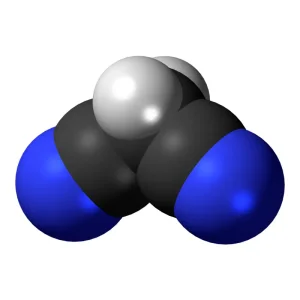
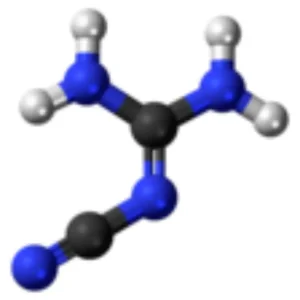
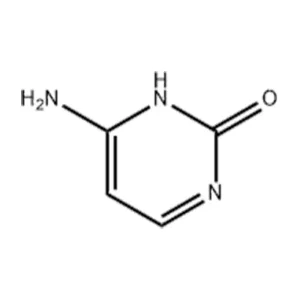
Toyama Prefecture and Osaka's Doshomachi district are historically recognized centers for pharmaceutical research and manufacturing in Japan. Here, building blocks like **Sulfamide, Malononitrile, and Cytosine** are used for synthesizing active pharmaceutical ingredients (APIs) targeting cardiovascular treatments, antiviral agents, and oncology drugs. Our facilities adhere to rigorous quality control frameworks, offering low-impurity profiles and reliable batch-to-batch consistency. This helps Japanese pharmaceutical manufacturers streamline their regulatory documentation and validation processes.
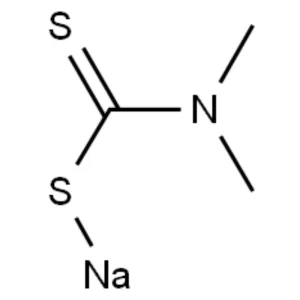
To sustain high agricultural yields, Japanese agrochemical manufacturers formulate highly selective herbicides, fungicides, and insecticides. Intermediates such as **5-Chloro-2,3-difluoropyridine** and **Sodium dimethyldithiocarbamate** serve as key structural components or stabilizers in these products. Combined with our low-naphthalene solvent formulations, we assist agrochemical companies in meeting strict environmental and drift-reduction criteria set by Japan's Ministry of Agriculture, Forestry and Fisheries (MAFF).
How Shandong Saier guarantees quality, regulatory compliance, and risk mitigation for international buyers.
Exporting chemicals to Japan requires a thorough understanding of the Chemical Substance Control Law (CSCL / 化審法). Every intermediate imported must match an existing ENCS (Existing and New Chemical Substances) registry number or undergo registration as a new chemical substance under METI guidelines. Shandong Saier works closely with local Japanese importers and regulatory consultants to supply correct documentation, including detailed SDS (Safety Data Sheets) in Japanese, GHS classification labels, and clear chemical structure disclosures. This close compliance prevents customs delays and ensures smooth logistics at major ports like Yokohama, Tokyo, and Kobe.
Our manufacturing facility in Zibo operates under ISO 9001:2015 Quality Management Systems. Our internal QC laboratory features advanced analytical instrumentation, including:
Every shipment is delivered with a comprehensive Certificate of Analysis (CoA) corresponding to the specific batch number. We also offer pre-shipment retain-samples to allow customers to verify specifications in their own laboratories before dispatch.
Technological innovations, decarbonization goals, and shifting procurement strategies for the next decade.
Japanese corporate culture emphasizes Keidanren environmental guidelines, leading chemical buyers to seek suppliers that prioritize carbon reduction. Shandong Saier is addressing this by optimizing thermal efficiency in our distillation systems and utilizing waste-heat recovery units. By reducing fuel and electricity consumption per ton of output, we lower the Scope 3 carbon footprint of our buyers' supply chains.
Traditional solvents face scrutiny due to VOC rules and toxicological concerns. The industry is shifting toward low-naphthalene aromatic solvents (such as our S150ND range) and less hazardous options like Dimethyl Sulfoxide (DMSO). These options help industrial coatings and agricultural formulations meet strict workplace safety standards while preserving high solvent performance.
Recent global disruptions highlight the risk of relying on single-source suppliers. Japanese multinational corporations are increasingly using a dual-sourcing strategy, pairing domestic production with cost-efficient, high-capacity chemical partners in China. This approach helps manufacturers mitigate supply disruptions caused by local plant maintenance, natural disasters, or logistics delays.
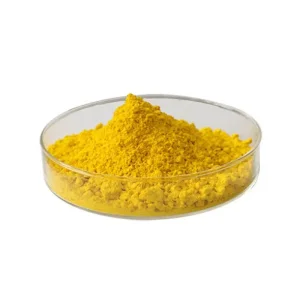
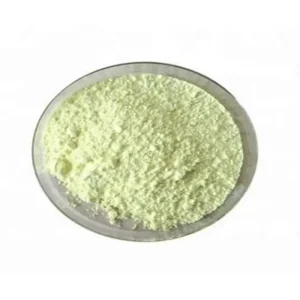
A broad selection of fine chemicals, solvent bases, and specialty reagents supporting diverse industrial sectors.
Essential guidance on regulatory compliance, logistics, custom synthesis, and quality verification for buyers in Japan.
 Saier Chemical