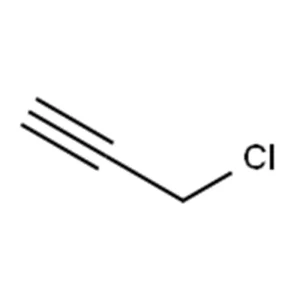
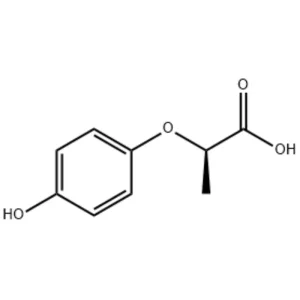
Explore our premium chemical product lines sourced directly from high-capacity industrial plants, ensuring quality excellence, precise CAS specification, and global logistics reliability.
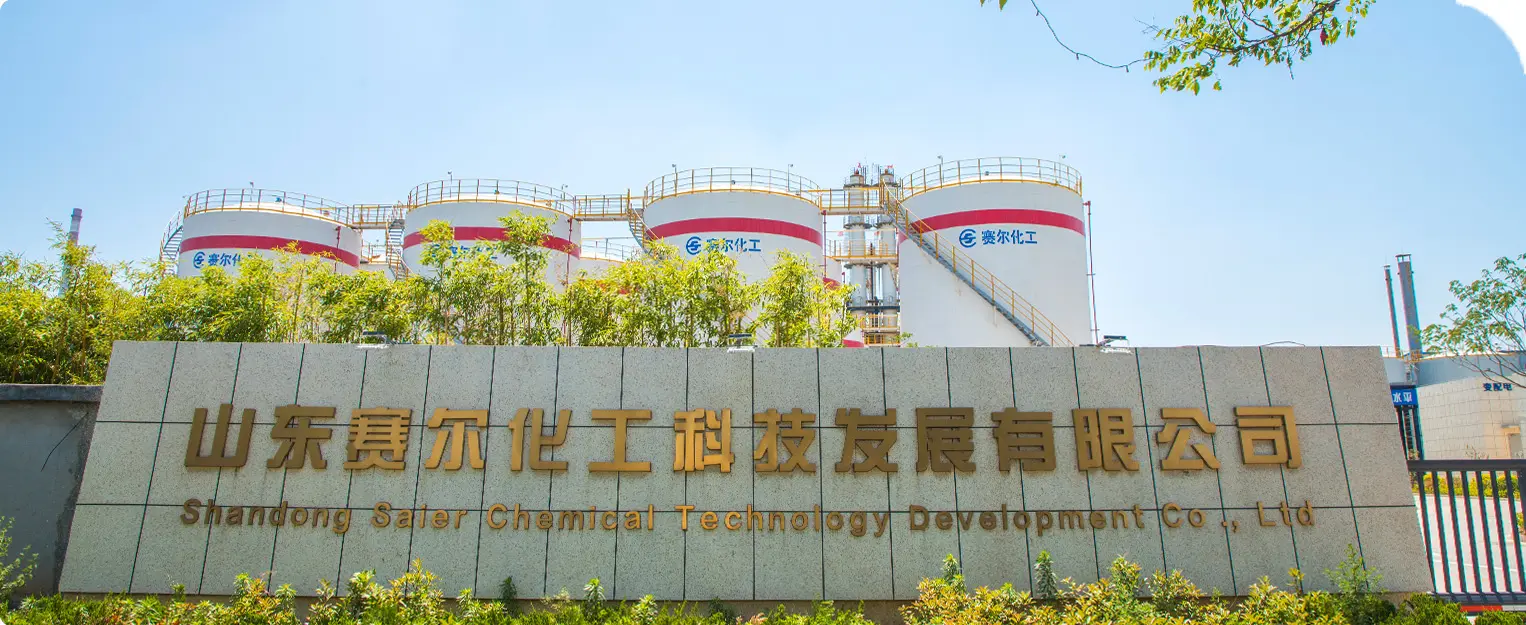
Founded in December 2004, Shandong Saier Chemical Technology Development Co., Ltd. has embarked on an impressive journey of technological progression and supply chain dominance. Located at No.207, WeiLiu Road, Qilu Chemical Industrial Park, Linzi, Zibo City, Shandong Province, the company enjoys strategic infrastructure advantages inside one of China’s most prominent chemical reserves.
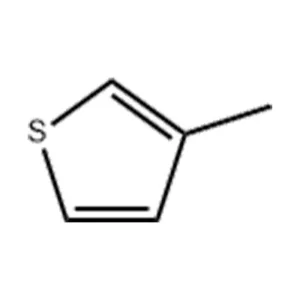
Operating with a solid financial foundation based on an initial registered capital of 60 million yuan, the company originally established itself as a reliable manufacturer of basic chemical products. The baseline product portfolio focused on environmentally friendly, high-boiling aromatic solvents (such as Solvent Naphtha, TOPSOL, KOCOSOL, Solvesso series S-100, S-150, S-150ND, S-180, and S-200), Heat Transfer Oils (L-QC320 and others), and critical chemical intermediates including Durene, PVC plasticizers, Thiophene, 1,3-Cyclohexanedione, MIPK, TMOF, TMOA, HPA, and TMG.
By leveraging robust partnerships with major refineries and state-level aromatic plants like Sinopec, PetroChina, ChemChina, Zhejiang Petrochemical, and Hengli Petrochemical, Shandong Saier Chemical Technology has guaranteed feedstock safety and continuous quality control from the very source. What began as a domestic-focused enterprise supplying major petrochemical bases across Beijing, Shanghai, Tianjin, Hebei, Shandong, and Henan has rapidly expanded into a global powerhouse exporting high-quality chemicals to Asia, Europe, the Americas, and Southeast Asia.
An expert-level analysis of thermal fluid degradation, heat transfer efficiency parameters, and procurement metrics for global industrial facilities.
Heat Transfer Oil L-QC320 is a high-performance mineral-based thermal fluid designed specifically for use in closed indirect heating systems operating at temperatures up to 320°C. Composed of highly refined paraffinic base oils and engineered with advanced thermal stabilizers, it exhibits outstanding resistance to thermal cracking and oxidation. The thermal stability of L-QC320 prevents the formation of carbonaceous deposits (sludge) on heat transfer surfaces, thereby maintaining the heat transfer coefficient of the system over extended service life.
In thermodynamic applications, the fluid’s specific heat capacity and thermal conductivity are key variables that dictate the overall efficiency of the loop. L-QC320 presents a low viscosity profile at startup temperatures, allowing system pumps to consume less energy during initial circulation phases. Concurrently, at high operational thresholds (300°C–320°C), its low vapor pressure profile ensures that vapor lock is averted, maintaining steady volumetric flow rates across complex heat exchangers.
Located in the heart of the Qilu Chemical Industrial Park, Shandong Saier Chemical Technology utilizes state-of-the-art fractional distillation and synthesis processes to manufacture L-QC320. The cluster benefit of Zibo City provides access to raw materials via direct pipelines from Sinopec and PetroChina, shielding the factory from volatile raw material cost fluctuations. This translates to an incredibly resilient price-to-performance ratio for international procurement offices looking to hedge against inflation.
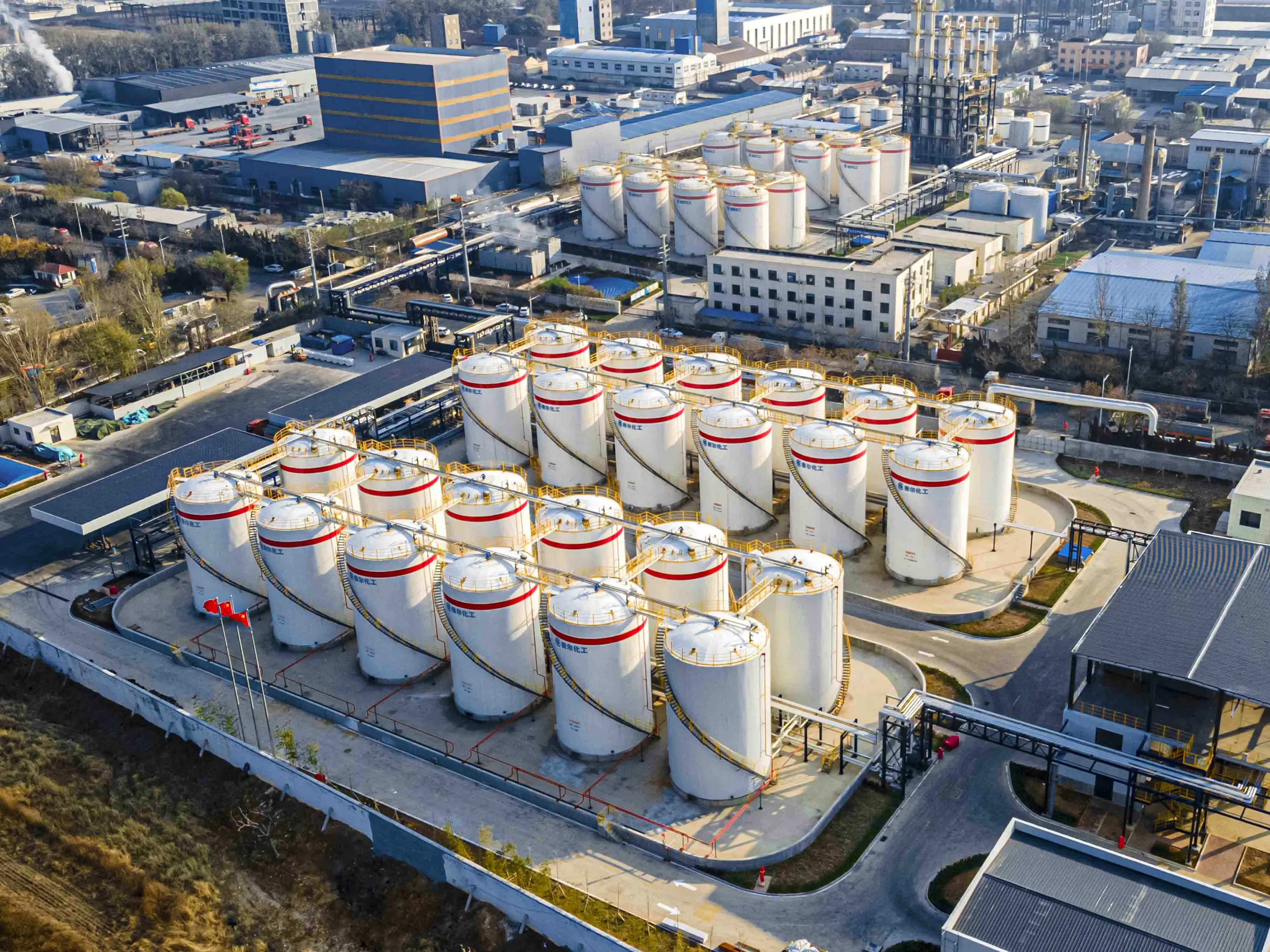
With an annual production capacity reaching 720,000 tons, the scale of production guarantees that large-volume bulk shipments (ranging from standard drum packages to ISO tanks and flexitanks) can be dispatched with minimal lead times. The proximity to major Chinese shipping ports like Qingdao Port further optimizes the transport logistics chain, ensuring expedited customs clearance and reduced ocean freight expenses.
Prevents carbon sludge accumulation at extreme operational limits, ensuring smooth fluid passage without thermal hotspots.
High flash point and low vapor pressure reduce the risk of industrial fires and thermal system pressurized failure.
Formulated with premium synthetic additives to inhibit oxidation reactions, yielding lower total cost of ownership (TCO).
Modern procurement decisions in global enterprises have shifted from simple per-ton pricing to a deep calculation of Total Cost of Ownership (TCO). A lower-grade heat transfer oil might display a cheaper upfront cost but will degrade rapidly, causing high-temperature cracking. The resulting low-boiling components lower the flash point, posing safety hazards, while high-boiling polymers form thick, insulating carbon soot that reduces system efficiency by up to 30%, drastically raising fuel consumption.
By specifying Shandong Saier's L-QC320, enterprises ensure longer fluid intervals (often extending the replacement period by 2-3 years compared to standard mineral oils) and decrease the frequency of chemical system cleaning. This directly reduces factory downtime, labor costs, and disposal fees for hazardous spent chemical waste.
Inside the production and certification zones of Shandong Saier Chemical Technology, where safety meets high-efficiency operations.
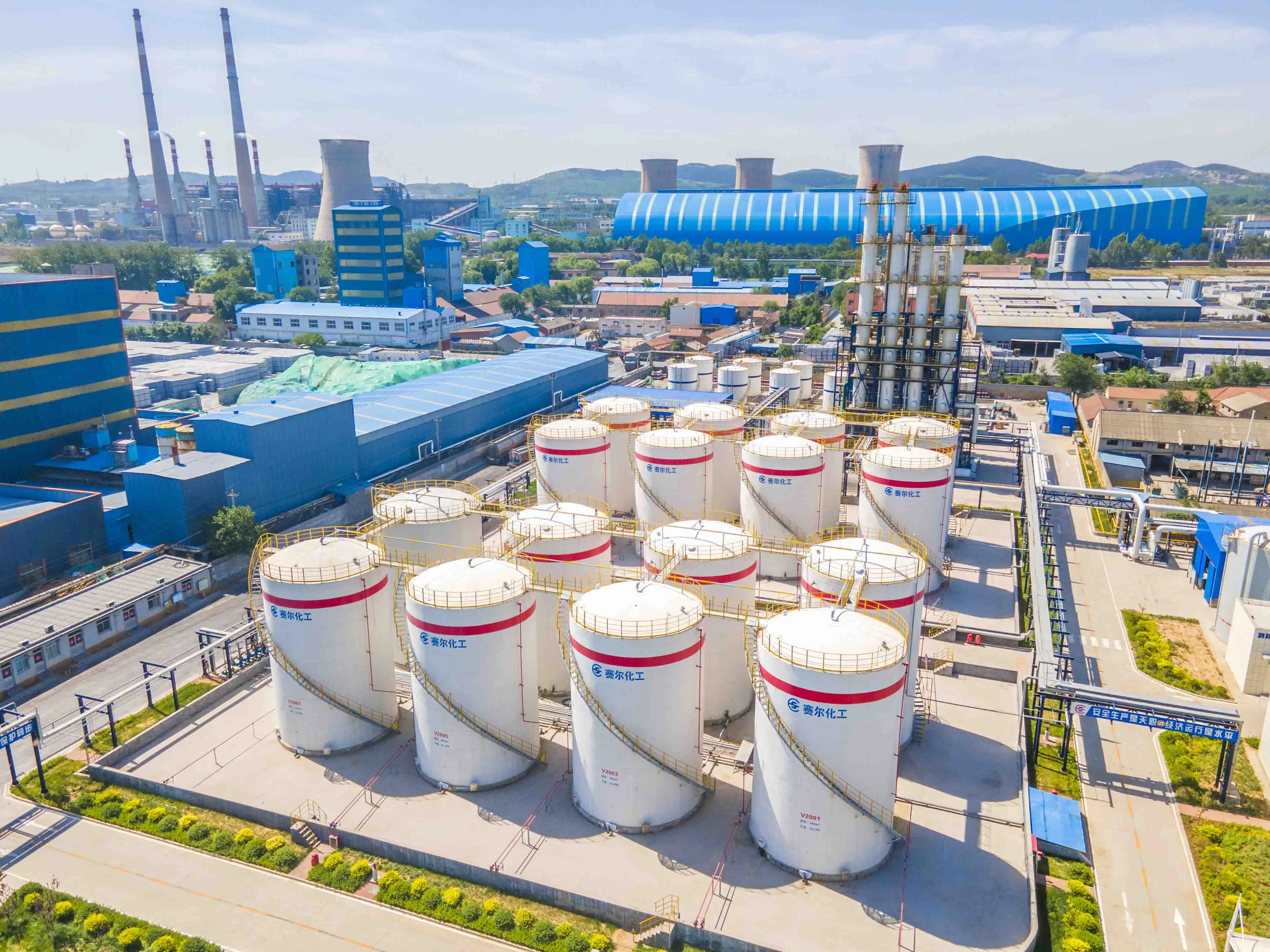
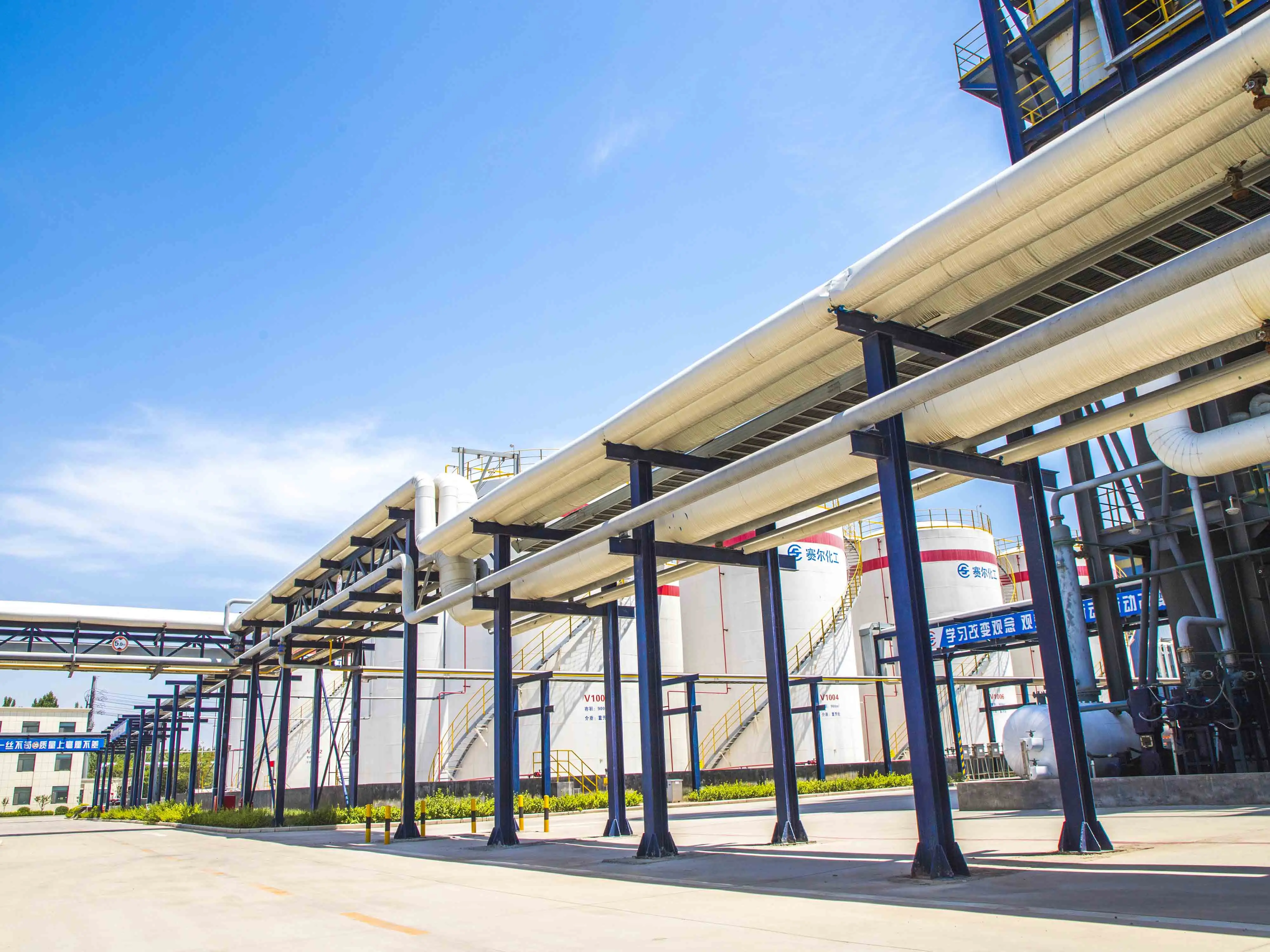
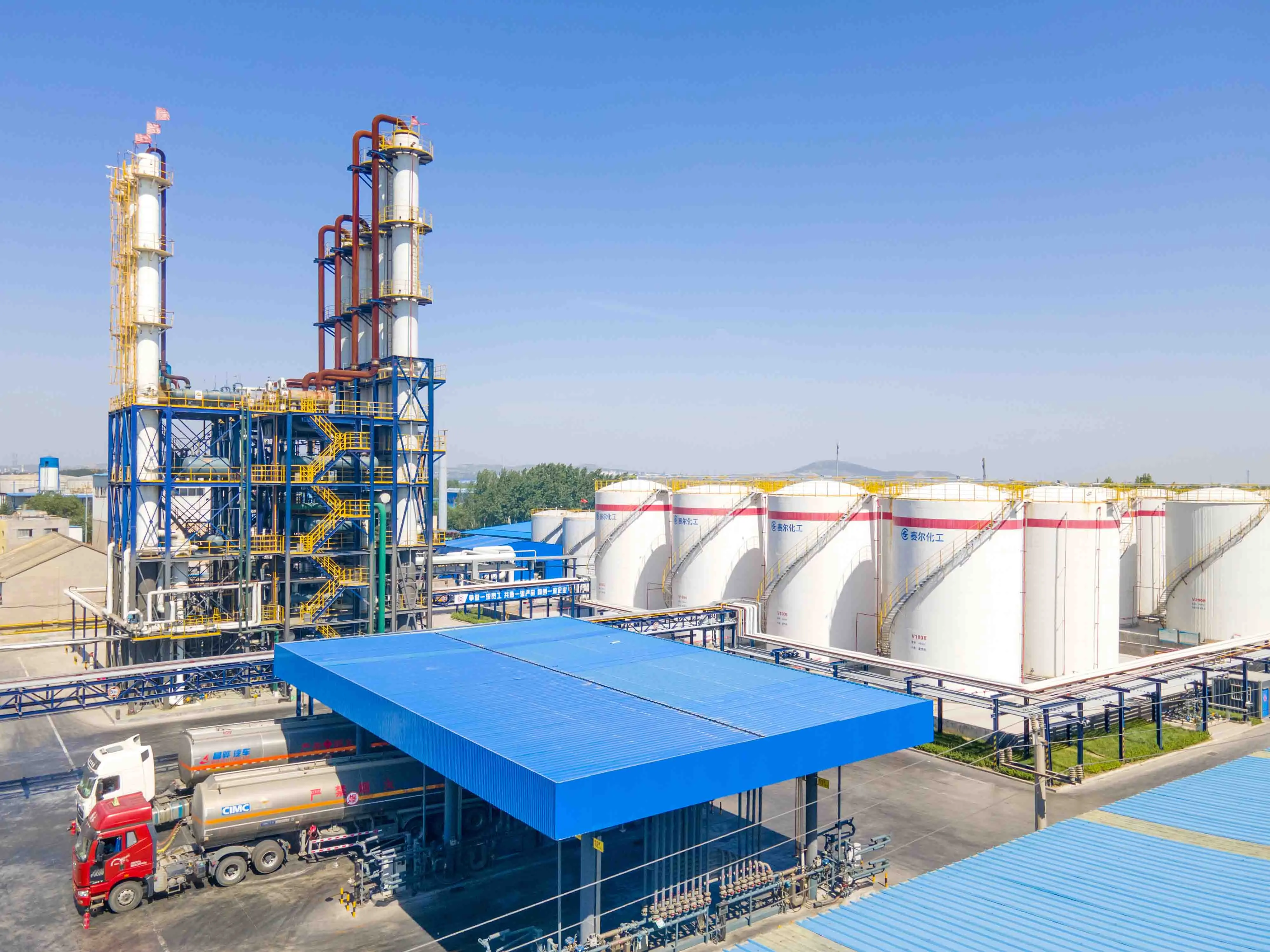
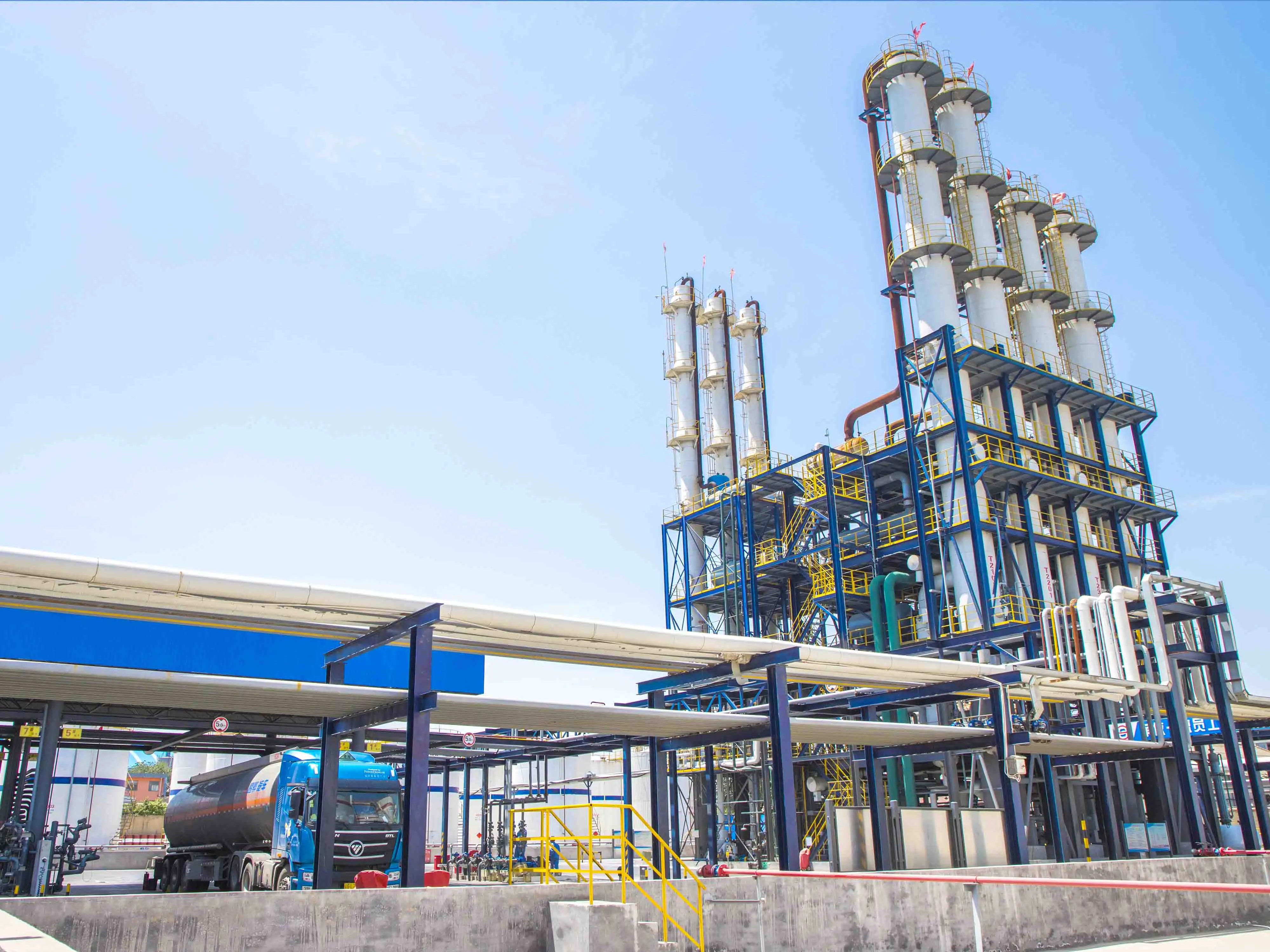
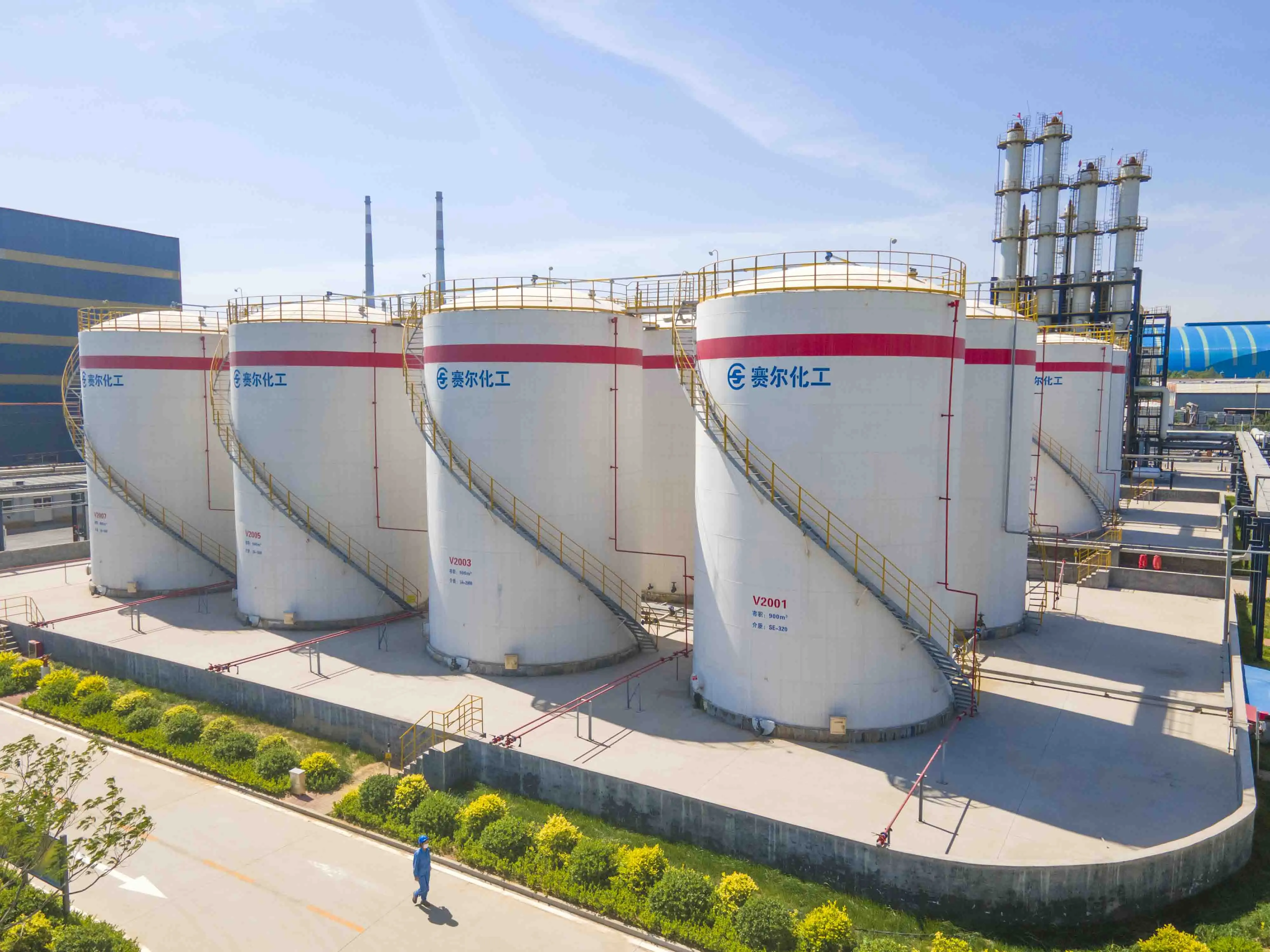
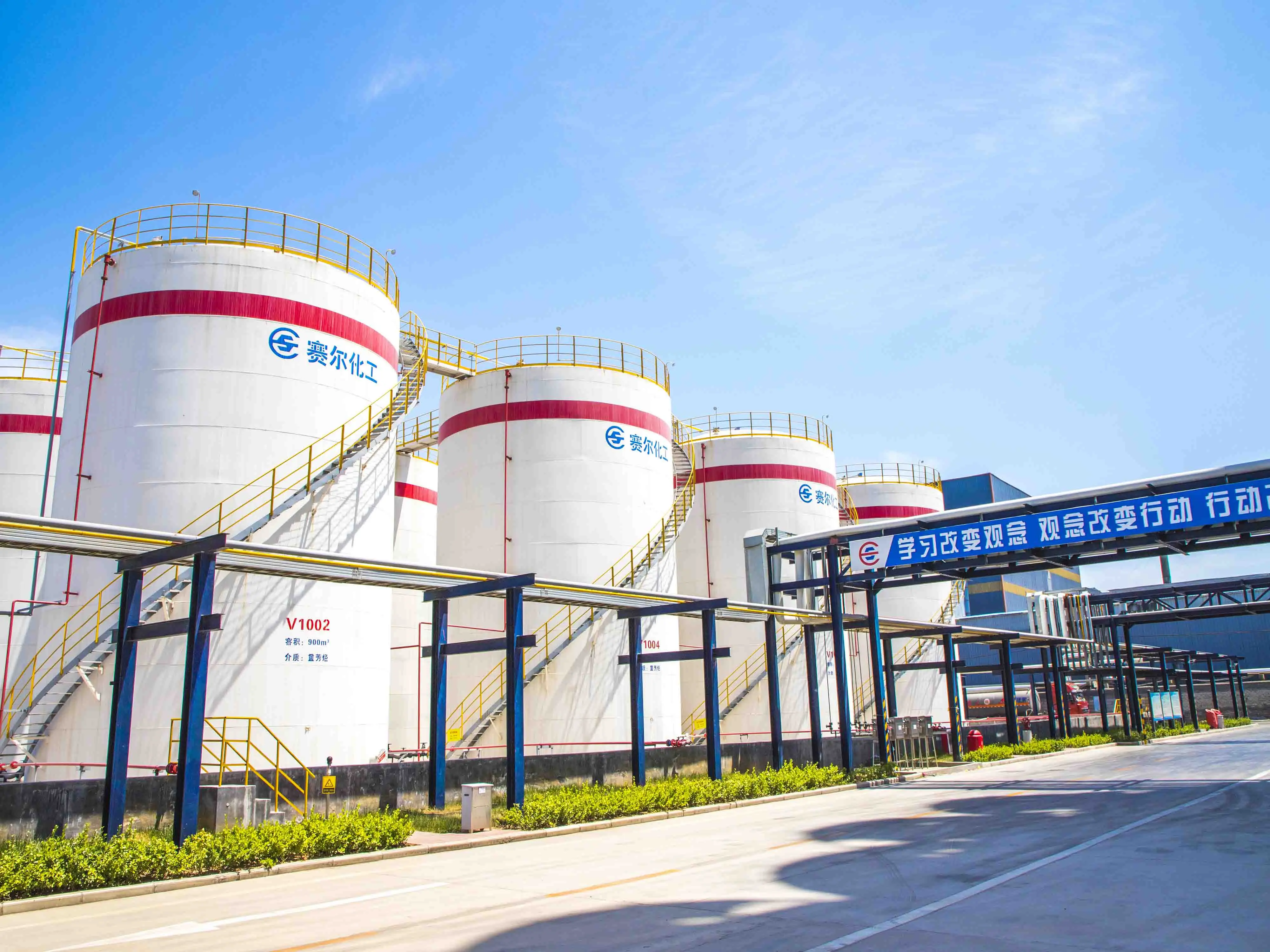
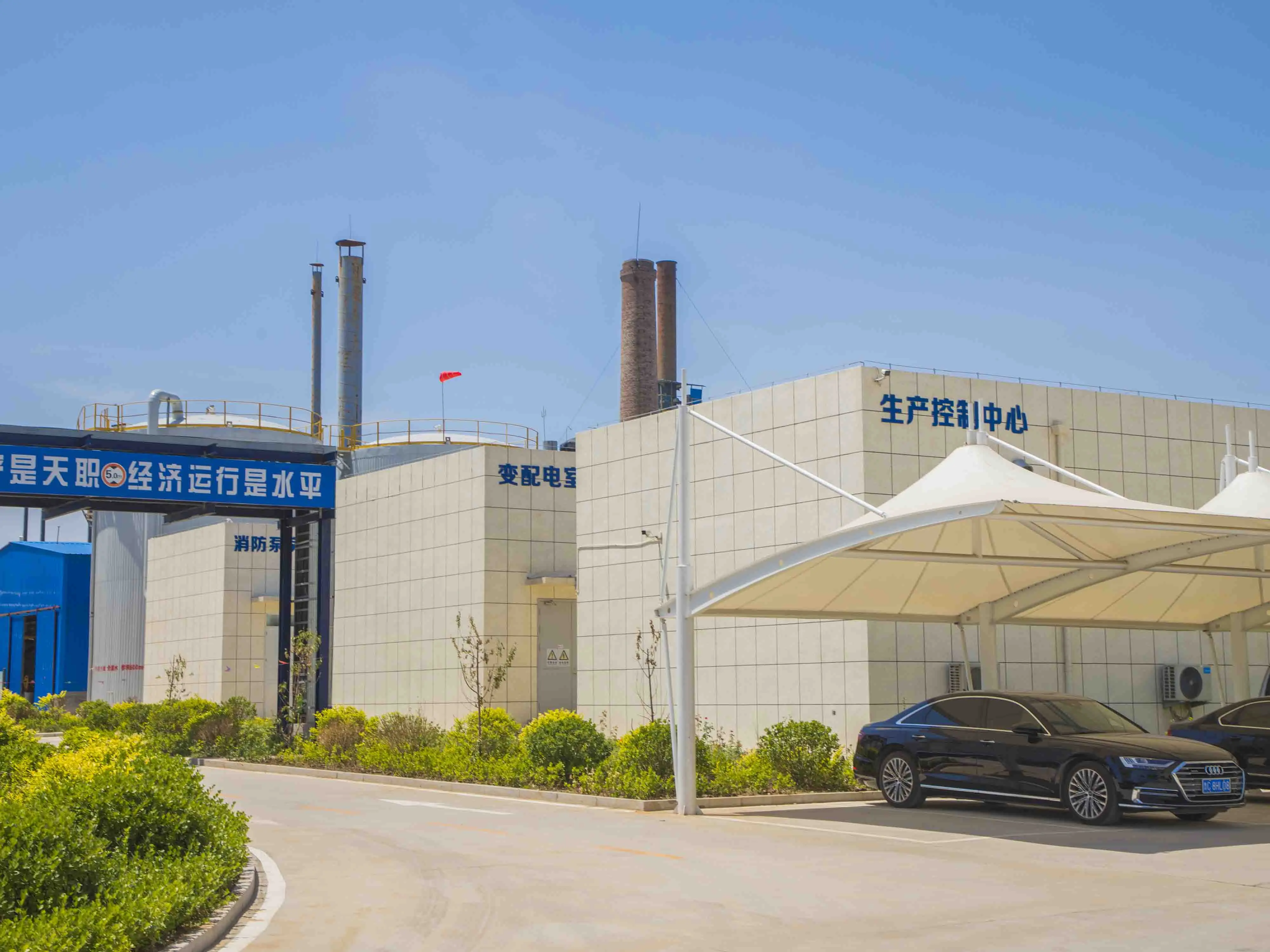
For chemical and process industries, choosing a thermal fluid manufacturer involves meeting local safety and environmental laws. Our Heat Transfer Oil L-QC320 complies with Chinese National Standard GB 23971-2009 (the mandatory safety code for organic heat transfer fluids) and meets international ISO 6743-12 standards for heat transfer applications.
Shandong Saier Chemical Technology provides complete compliance portfolios, including REACH registration for European markets, updated SDS (Safety Data Sheets) in multiple languages, and GHS-compliant drum labeling. Our technical field engineering teams offer remote fluid diagnostic analyses: clients can send thermal fluid samples to our labs to test flash point variations, kinematic viscosity changes, and acid value trends to determine remaining fluid life.
L-QC320 thermal fluid operates reliably across diverse industrial heat-supply systems:
The global thermodynamic sector is shifting toward decarbonization and energy conservation. Process plants now run under higher pressures to improve efficiency, requiring thermal fluids that can operate at higher temperatures without rapid degradation. The industry is also moving away from old, open systems toward closed, nitrogen-blanketed loops that limit oxygen exposure to extend fluid life. Shandong Saier Chemical Technology is at the forefront of this trend, optimizing production methods to lower the carbon footprint of each metric ton of L-QC320, helping international buyers meet Scope 3 emissions goals.
Expert answers to common queries regarding L-QC320 Heat Transfer Oil operation, safety, and replacement protocols.
Under the Chinese national standard GB 23971, "L-Q" refers to organic heat transfer fluids. The suffix "C" represents the thermal stability class (designed for closed systems with minimal exposure to air), and "320" specifies the maximum bulk operating temperature limit in degrees Celsius. This ensures the fluid remains chemically stable under continuous operation at 320°C.
L-QC320 is a highly refined mineral-based thermal fluid. Synthetic fluids (like alkylated aromatics or diphenyl oxide mixtures) can operate at higher temperature thresholds (350°C to 400°C) but are much more expensive. For systems running below 320°C, L-QC320 offers a highly cost-effective option with excellent heat transfer properties at a lower initial investment.
Thermal oil degradation is mainly caused by thermal cracking (overheating the fluid above its limit) and oxidation (exposure to air at high temperatures). To prevent cracking, maintain proper flow velocity in the heater coils and avoid sudden shutdowns. To prevent oxidation, use a nitrogen blanket in the expansion tank to keep oxygen out of contact with hot oil.
We recommend annual fluid analysis to monitor flash point, viscosity, acid number, and carbon residue. If the flash point drops by more than 30°C, or if insoluble solids increase significantly, the fluid may need partial replacement or filtration to prevent pump damage and ensure safe operation.
Complete your supply chain requirements with our highly compatible range of fine chemicals, plasticizers, and high-boiling aromatic solvents.
Get in touch for customized packaging options, detailed chemical composition sheets, ISO-tank pricing, and dynamic sample delivery programs tailored to your plant specifications.
 Saier Chemical